Why 3-2-1-1 Vinaigrette Is a Salad Game-Changer
There’s nothing like a golden, tangy splash of dressing to bring a salad alive. The 3-2-1-1 vinaigrette offers a perfectly balanced blend of sharp vinegar and smooth olive oil, rounded out with a hint of mustard and water to create a creamy, emulsified dressing. This vinaigrette is versatile enough to enhance everything from peppery arugula to crunchy romaine, making it a reliable go-to in your kitchen. Its simplicity and bright flavor profile make the 3-2-1-1 vinaigrette a timeless staple that never fails to elevate your greens and even grilled veggies.
Health Benefits & Nutrition
This vinaigrette packs nutritious ingredients that support your wellbeing. Extra-virgin olive oil is rich in heart-healthy monounsaturated fats and contains antioxidants linked to reduced inflammation (American Heart Association). Red wine vinegar adds flavor without calories and may help with blood sugar control after meals, as some studies suggest. Dijon mustard contributes trace vitamins and minerals, plus a unique zing without extra sugar or salt. A safety note: those allergic to mustard seeds or sensitive to vinegar may want to avoid or substitute ingredients. Overall, this dressing is low-carb, cholesterol-free, and perfect for a balanced diet.
Ingredients & Preparation
Recipe Card
| Prep Time | 5 minutes |
|---|---|
| Total Time | 5 minutes |
| Servings | About 1/2 cup (4 servings) |
| Calories (per serving) | Approximately 93 |
| Diet Tags | Gluten-Free, Vegan, Keto-Friendly |
Full Ingredient List
- 3 tablespoons extra-virgin olive oil
- 2 tablespoons red wine vinegar (or balsamic vinegar)
- 1 tablespoon Dijon mustard
- 1 tablespoon cool water
Equipment Needed
- Medium mixing bowl
- Whisk or fork
- Measuring spoons
- Serving container (optional)
Tips for Choosing Quality Ingredients
Selecting fresh, high-quality ingredients makes all the difference. Use extra-virgin olive oil labeled cold-pressed and from a reputable source for a rich, fruity aroma. Opt for red wine vinegar that’s bright and crisp; aged balsamic can add a sweeter dimension if you prefer. Dijon mustard should be smooth and fresh—avoid those with preservatives for optimal taste. Use cool water from a clean source to help blend without diluting the flavors.
Step-by-Step Instructions
Step 1: Measure Your Ingredients (1 minute)
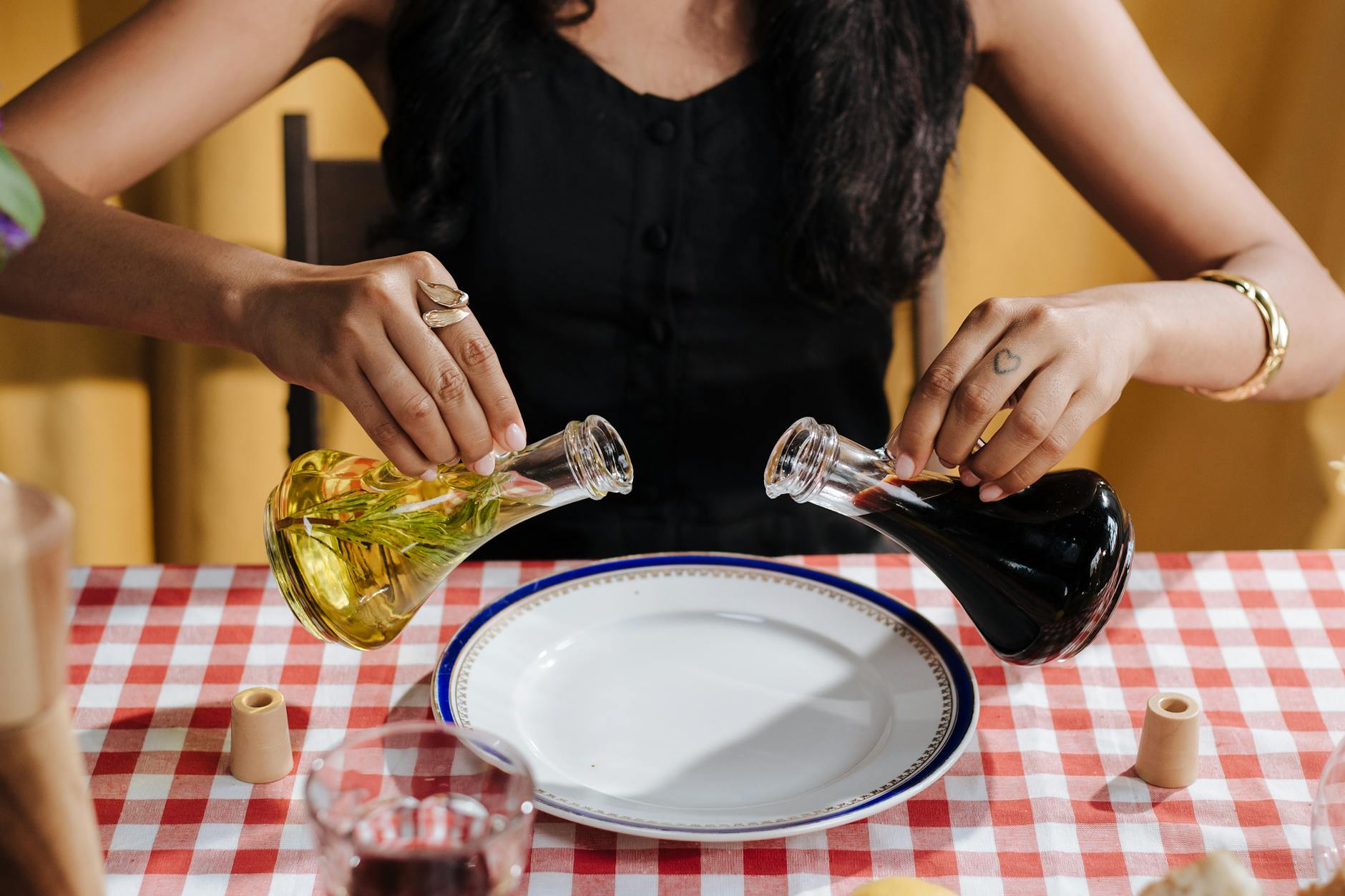
Gather and measure 3 tablespoons of olive oil, 2 tablespoons of red wine vinegar, 1 tablespoon of Dijon mustard, and 1 tablespoon of cool water.
Step 2: Combine Vinegar and Mustard (1 minute)
In your medium bowl, whisk together the vinegar and mustard briskly until fully blended and slightly creamy.
Step 3: Slowly Whisk in Olive Oil (2 minutes)
While whisking continuously, drizzle in the olive oil to build an emulsion. The vinaigrette will thicken and take on a glossy texture.
Step 4: Add Water and Adjust Texture (1 minute)
Stir in the tablespoon of cool water. This thins the dressing to a pourable but still creamy consistency. Give it a final whisk to unify all flavors.
Step 5: Taste and Adjust
Sample your vinaigrette and add a pinch of salt or pepper if desired to balance the tanginess to your liking.
Variations & Substitutions
- Balsamic Twist: Substitute red wine vinegar with balsamic vinegar to introduce a sweeter, deeper note. Perfect for fall salads.
- Herb Infusion: Add 1 teaspoon fresh chopped herbs like parsley, oregano, or basil to brighten the flavor.
- Spicy Kick: Mix in 1/2 teaspoon crushed red pepper flakes or a dash of cayenne for warmth.
- Maple Sweetness: For a touch of natural sweetness, stir in 1 teaspoon of pure maple syrup or honey (omit for vegan version).
- Mustard-Free: Replace Dijon mustard with 1 tablespoon tahini for a creamy, nutty profile without the mustard flavor.
Storage & Shelf Life
This vinaigrette stores well in an airtight container in the refrigerator for up to one week. Before each use, shake or whisk well as separation can occur naturally. Do not freeze, as the emulsion will break and the texture changes unpleasantly. Signs of spoilage include a rancid smell, off-flavors, or any visible mold—discard immediately if noticed.
Pro Tips
- Whisk vigorously and slowly add olive oil to build a stable, creamy emulsion that clings well to your greens.
- Use a glass or stainless steel bowl; avoid reactive metals that can alter flavor.
- Add water at the end to adjust the thickness without breaking the emulsion.
- If dressing stains clothes or surfaces, clean promptly with warm soapy water to avoid permanent marks.
- For an extra smooth texture, blend all ingredients in a handheld blender for 20 seconds.
When is the best time to eat 3-2-1-1 Vinaigrette?
The freshest flavor shines right after preparation, making it ideal to dress salads just before serving. However, you can store it refrigerated up to a week, shaking or whisking before each use. It’s great for any season and pairs perfectly with spring greens or hearty winter vegetables.
Can I make the vinaigrette ahead of time?
Yes, preparing it up to seven days in advance is convenient. Keep it refrigerated and whisk before serving to restore the creamy texture.
What greens work best with 3-2-1-1 vinaigrette?
Heartier greens like romaine, kale, and iceberg benefit from this vinaigrette’s bold acidity. For delicate greens like arugula or butter lettuce, use less to avoid overpowering their subtle flavors.
Can I substitute other vinegars?
Absolutely! Apple cider vinegar, white balsamic, or sherry vinegar can replace red wine vinegar, each adding its distinct tang and aroma.
Is this vinaigrette suitable for a keto diet?
Yes. With minimal carbs and healthy fats from olive oil, this vinaigrette fits perfectly into low-carb and ketogenic meal plans.
How do I make this dressing vegan?
It’s already vegan, thanks to the simple plant-based ingredients. Just confirm your mustard brand contains no honey.
Can I add garlic or shallots for extra flavor?
Yes, finely minced garlic or shallots can enhance depth. Add 1/2 teaspoon for a mild kick or up to 1 teaspoon for stronger flavor.
How can I fix a vinaigrette that‘s too oily or too tangy?
If too oily, whisk in a little more vinegar or water. If too tangy, add extra olive oil or a small pinch of sweetener like honey or maple syrup.

More Recipes You Will Love
If you enjoy the bright and tangy flavors of this vinaigrette, try the One pan pasta with wild mushrooms zucchini and basil for a simple yet flavorful dinner. This dish’s earthy mushrooms and tender zucchini coated in aromatic basil are perfectly elevated with a splash of homemade dressing.
For smaller, easy-to-prepare dishes, explore Mini cocotte recipes easy. These charming mini casseroles match wonderfully with salads dressed in your fresh 3-2-1-1 vinaigrette, creating a complete and satisfying meal.
Conclusion
The 3-2-1-1 vinaigrette is your trusted companion for adding a splash of zesty, creamy goodness to any salad. Its simple blend of olive oil, vinegar, Dijon mustard, and water delivers a balanced, vibrant flavor that’s easy to tweak and store. Whether you want to brighten a light salad or enrich robust greens, this dressing fits effortlessly into your daily cooking routine. Try making it today and share how it transformed your meal—you might just find it hard to eat salad any other way.
FAQs
When is the best time to use 3 2 1 1 Vinaigrette?
The best time to use 3 2 1 1 Vinaigrette is whenever you want to dress fresh salads or grilled vegetables. Its tangy and balanced flavor works well as a quick, versatile dressing any time of the day, especially during lunch or dinner for a light and flavorful meal.
Can I store 3 2 1 1 Vinaigrette for later use?
Yes, you can store 3 2 1 1 Vinaigrette in an airtight container in the refrigerator for up to one week. Be sure to whisk it again before use, as the ingredients may separate upon sitting.
Is 3 2 1 1 Vinaigrette suitable for special diets?
Absolutely! This vinaigrette is gluten-free, vegan, keto-friendly, and low in calories. It contains heart-healthy olive oil and no added sugars, making it a great option for various dietary preferences.
Can I substitute ingredients in the 3 2 1 1 Vinaigrette recipe?
Yes, you can substitute red wine vinegar with balsamic vinegar for a sweeter note or use other types of mustard if Dijon isn’t available. Just keep the ingredient proportions to maintain the correct balance of flavors.
How do I prevent my 3 2 1 1 Vinaigrette from separating?
Whisk the vinegar and mustard together before slowly adding olive oil to create an emulsion. Adding the tablespoon of cool water helps to maintain a creamy texture and reduce separation. Always give it a good stir before serving.