Why Chess Pie Is a Timeless Southern Delight
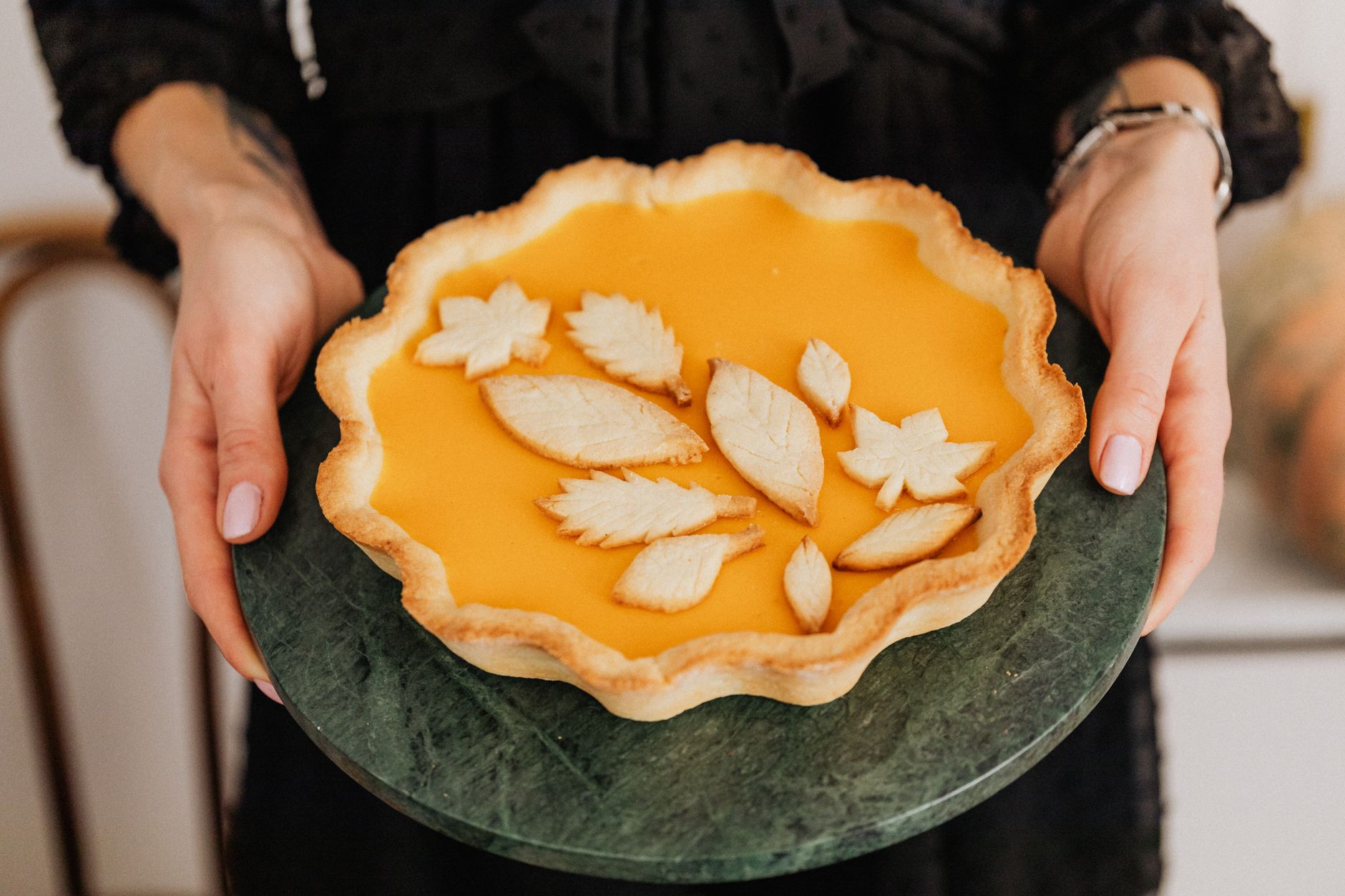
Imagine sinking your fork into a golden, velvety slice of dessert that melts on your tongue with perfect sweetness and a hint of tangy richness. That’s the magic of chess pie. This Southern treasure dates back to the late 1800s and has been cherished for its smooth custard filling balanced by a tender, flaky crust. Legend has it that the pie earned its name from an Alabama shopkeeper’s rustic accent when she told a customer, "It’s just pie." Over time, "just pie" became "chess pie," and the name stuck. The comforting combination of buttery crust and a creamy filling makes chess pie a must-try for dessert lovers everywhere.
Health Benefits & Nutrition of Chess Pie
While chess pie is undoubtedly an indulgence, it also contains several nutrients worth noting. The eggs supply high-quality protein and essential vitamins like B12, which support muscle health and brain function. Butter and milk contribute vitamin A, important for vision and immune health. Additionally, the moderate sugar content delivers quick energy, though it’s best enjoyed in moderation due to the rich calories and saturated fats. Overall, this dessert should be savored as an occasional treat, especially if you have dietary restrictions like high cholesterol or diabetes. For pregnant women, all ingredients are safe when cooked thoroughly, but moderation is still key.
Ingredients & Preparation
Recipe Card
| Prep Time | 30 minutes |
|---|---|
| Total Time | 3 hours 25 minutes (including chilling) |
| Servings | 8 to 10 |
| Calories per Serving | Approximately 434 kcal |
| Diet Tags | Vegetarian |
Ingredients List
- For the crust:
- 1¼ cups all-purpose flour, plus extra for dusting
- 1 tablespoon granulated sugar
- ½ teaspoon salt
- 2 tablespoons cold vegetable shortening
- 6 tablespoons cold unsalted butter, cut into small pieces
- 1 teaspoon apple cider vinegar
- 3 to 4 tablespoons ice water
- For the filling:
- 1 stick (4 ounces) unsalted butter, melted
- 2 cups granulated sugar
- 3 tablespoons fine yellow cornmeal
- 1 tablespoon all-purpose flour
- ½ teaspoon salt
- ¼ cup whole milk
- 1 tablespoon distilled white vinegar
- 1 teaspoon pure vanilla extract
- 4 large eggs, beaten
- Confectioners’ sugar, for dusting (optional)
Equipment Needed
- Food processor or pastry blender
- Mixing bowls
- 9-inch pie plate
- Rolling pin
- Measuring cups and spoons
- Parchment paper
- Pie weights or dried beans
- Whisk or electric mixer
Tips for Choosing Quality Ingredients
- Use fresh, cold unsalted butter for a flaky crust and richer flavor.
- Choose pure vanilla extract; it greatly enhances the filling’s aroma.
- Pick fine yellow cornmeal, which provides a subtle texture without grittiness.
- Use whole milk for creaminess, but you may substitute with 2% if needed.
Step-by-Step Instructions to Make Chess Pie
1. Prepare the Crust Dough (10 minutes active, 1+ hour chilling)
Pulse the 1¼ cups flour, sugar, and salt in your food processor. Add the cold shortening and pulse until the mixture resembles coarse crumbs. Add the butter pieces and pulse until pea-sized chunks remain. Pour in apple cider vinegar and 3 tablespoons ice water, pulsing just until the dough starts to come together but stays crumbly. Add an extra tablespoon of ice water if needed. Transfer to plastic wrap, press into a 6-inch disk, wrap tightly, and refrigerate for at least 1 hour.
2. Roll and Chill the Pie Crust (15 minutes, 1 hour chilling)
Lightly flour your work surface and rolling pin. Roll the chilled dough into a 13-inch circle. Gently lift and ease it into a 9-inch pie plate, trimming excess dough. Crimp the edges creatively with your fingers or a fork. Refrigerate the crust for 1 hour to maintain its shape during baking.
3. Blind Bake the Crust (30 minutes total)
Preheat your oven to 350°F (175°C). Line the chilled crust with parchment paper and fill with pie weights or dried beans. Place on a rimmed baking sheet and bake for 15 minutes until edges start to turn golden. Remove weights and parchment, then bake 10 to 15 minutes more until the whole crust is golden and crisp. Let it cool on a wire rack.
4. Mix the Filling (10 minutes)
In a large bowl, whisk together the melted butter, sugar, cornmeal, flour, and salt until smooth. Gradually add the milk, vinegar, and vanilla, whisking continuously. Slowly incorporate the beaten eggs, blending until the mixture is creamy and uniform without over-whisking.
5. Bake the Chess Pie (50 to 60 minutes)
Pour the filling into the cooled pie shell. Reduce oven temperature to 325°F (160°C) and bake for 50 to 60 minutes. The filling should be set, slightly jiggly in the center but no longer liquid. Edges will puff and turn golden brown.
6. Cool and Serve (at least 2 hours cooling)
Allow the pie to cool completely on a wire rack. This resting time helps the filling to firm up for clean slicing. Optionally, dust the top with confectioners’ sugar before serving.
Variations & Substitutions
- Lemon Chess Pie: Add 2 tablespoons fresh lemon juice and 1 teaspoon lemon zest to the filling for a bright, tangy twist.
- Buttermilk Chess Pie: Substitute ¼ cup buttermilk for the milk and reduce baking soda by a pinch to add a subtle tang and tender texture.
- Gluten-Free Crust: Use a gluten-free all-purpose flour blend in the crust in a 1:1 ratio to accommodate gluten sensitivities.
- Honey Sweetened: Replace half the granulated sugar with honey for a richer, floral sweetness and softer crumb.
Storage & Shelf Life
Chess pie stores best in the refrigerator. Cover the pie tightly with plastic wrap or place it in an airtight container to maintain freshness. It will remain delicious for up to 4 days chilled. Avoid leaving chess pie at room temperature for more than 2 hours to prevent spoilage. For longer storage, wrap the pie or individual slices tightly in plastic wrap and aluminum foil, then freeze for up to 2 months. Thaw in the fridge overnight before serving. Always discard the pie if you notice any off-smell, mold, or slimy texture.
Pro Tips for Perfect Chess Pie Every Time
- Use cold butter and shortening for the crust to achieve a flaky, tender texture that holds the custard well.
- Don’t overwork the dough; handle it just enough to bring it together to avoid tough crusts.
- Blind bake the crust until golden to prevent sogginess from the moist filling.
- Whisk the filling ingredients thoroughly but gently to keep a smooth, creamy texture without bubbles.
- Keep an eye toward the end of baking – chess pie firms as it cools, so slight jiggle indicates it’s done.
- Adding cornmeal strengthens the pie’s structure and adds a subtle earthiness that contrasts the sweet filling.
When is the best time to eat Chess Pie?
Chess pie is best enjoyed after it has fully cooled and set, typically at least two hours post-baking. This allows the custard to firm up, making slices clean and the texture silky. Serving it at room temperature or lightly chilled enhances the flavors and mouthfeel. It makes a perfect dessert for family dinners, holidays, or anytime you crave something sweet and comforting.
How can I make the crust flakier?
To achieve a flaky crust, keep all fats and liquids cold until just combined. Use a food processor or pastry cutter for quick mixing to prevent warming the butter. Avoid over-kneading the dough, which develops gluten and creates toughness. Chilling the dough before rolling out also helps maintain crisp layers.
Can I substitute the cornmeal in the filling?
Cornmeal adds texture and thickening to the filling, but you may substitute with an equal amount of fine ground almond meal or polenta for a different flavor. Avoid coarse cornmeal as it can create undesired grittiness. If skipping cornmeal entirely, add an extra tablespoon of flour to help the filling set.
Is chess pie gluten-free friendly?
The traditional chess pie crust uses wheat flour, so it’s not naturally gluten-free. However, you can easily adapt by replacing all-purpose flour with a gluten-free baking blend designed for pastries. Ensure your blend contains xanthan gum or similar stabilizers for the best crumb texture.
Can I prepare chess pie ahead of time?
Yes, chess pie is great for preparing a day in advance. Allow it to cool completely, cover, and refrigerate. The flavors often deepen after resting overnight, making it a convenient and delicious dessert option for gatherings.
What’s the origin of the name chess pie?
The name "chess pie" likely comes from a Southern accent mishearing of "just pie" as told in Alabama folklore. Over time, this charming misunderstanding gave the custardy dessert a distinct name that stuck within regional culinary traditions.
How do I prevent cracking on top of the pie?
Avoid overbaking; check the pie towards the last 10 minutes. Remove it when the filling is slightly jiggly in the center—it will firm up as it cools. Overmixing the filling or baking at too high a temperature can also cause cracks, so stick to controlled oven settings and gentle whisking.

More Recipes You Will Love
If you enjoy classic Southern desserts, you might want to try the Fresh fruit coffeecake 1960716. It combines fruity sweetness with tender crumb—a perfect balance for afternoon tea. Another scrumptious option is the Oatmeal cake with penuche frosting recipe 1942337, which offers a rich caramel glaze atop hearty oats and spice.
Conclusion
Chess pie is a rich invitation into Southern heritage, delivering creamy custard and a golden crust every time. Its simple ingredients create a dessert that feels nostalgic and comforting. Whether for a holiday feast or a cozy weekend treat, this classic Chess Pie recipe will impress your family and friends. Give it a try, and don’t hesitate to share your baking stories or tips in the comments below. Your perfect slice could be just a whisk away!
FAQs
When is the best time to eat Chess Pie?
Chess Pie is perfect any time you crave a rich, comforting dessert. It is especially popular during Southern holiday gatherings, family dinners, or whenever you want a sweet treat that brings nostalgia and warmth.
Can Chess Pie be made ahead of time?
Yes, Chess Pie can be made a day in advance. After baking, allow it to cool completely and store it covered in the refrigerator. This helps the flavors meld and makes serving easier any time you want.
Is Chess Pie suitable for people with dietary restrictions?
Chess Pie contains eggs, butter, and sugar so it’s rich and not ideal for everyone. Those with high cholesterol or diabetes should enjoy it in moderation. It is generally safe for pregnant women if fully cooked.
What makes Chess Pie unique compared to other custard pies?
Chess Pie is unique because of its use of yellow cornmeal and vinegar in the filling, which add subtle texture and a slight tang, balancing the sweetness. Its simple ingredients combine for a creamy yet firm custard.
How should leftover Chess Pie be stored?
Store leftover Chess Pie covered in the refrigerator for up to 3-4 days. For best taste, bring it to room temperature before serving or enjoy cold, depending on your preference.