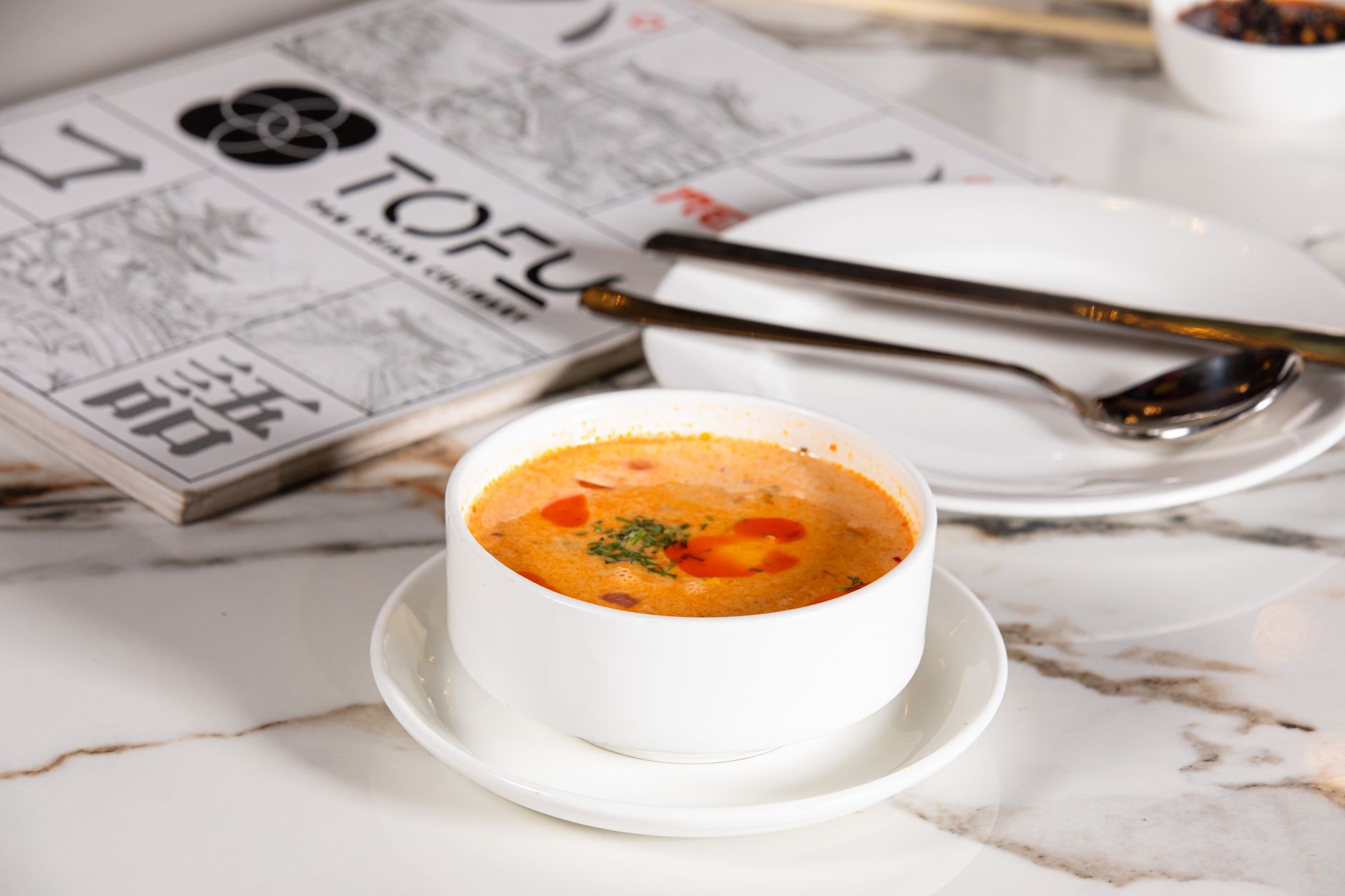
Why Chawanmushi Is Worth Your Time
Lift the lid on a steaming cup of chawanmushi and you‘ll see a surface as smooth as still water. Chawanmushi is a Japanese savory egg custard steamed in a small cup. It is made by mixing beaten eggs with dashi, light soy sauce, and mirin, then steaming it gently until just set. Chicken, shrimp, shiitake mushrooms, and fish cake are common fillings, though all are optional. It is usually served warm as a starter or as part of a meal.
The name tells you most of what you need to know. "Chawan" means teacup or rice bowl, and "mushi" means steamed. Traditionally, the custard is cooked right in the cup it‘s served in, so there‘s no transfer step and no broken surface. The flavor is gentle and savory, not eggy or heavy. Once you get the texture right, it becomes one of the most comforting things you can make with a few pantry staples.
Health Benefits & Nutrition
Chawanmushi is a fairly light dish. Eggs and chicken or shrimp give it a good amount of protein, while the dashi and vegetables add flavor without much fat. Based on the recipe below, one serving is roughly 135 calories, with about 14 grams of protein and about 6 grams of fat. Treat these as rough estimates, since exact values depend on your brands and portion sizes.
Dashi is the broth that makes this dish taste like itself. Kombu, the dried kelp, adds savory depth and natural minerals, and katsuobushi, the dried bonito flakes, adds a smoky, meaty note. Because the broth carries so much flavor, you don‘t need a lot of salt or soy sauce to make the custard taste complete.
Shiitake mushrooms and snow peas, if you add them, contribute fiber and color. Using a mix of vegetables and protein is an easy way to make the dish more filling. A small bowl of chawanmushi alongside rice and a green vegetable makes a balanced light meal.
A few safety notes: Kombu is naturally rich in iodine, so if you have a thyroid condition or are pregnant, check with your doctor before eating it often. Shrimp, fish cake, and eggs are common allergens. Soy sauce contains wheat, so the dish is not gluten-free unless you use a gluten-free soy sauce. For advice about your own diet, medications, or pregnancy, please talk with a doctor or registered dietitian.
Ingredients & Preparation
Recipe Card
| Prep time | Cook time | Total time | Servings | Calories (approx.) | Diet tags |
|---|---|---|---|---|---|
| 55 minutes (includes dashi steeping and cooling) | 20 minutes | 1 hour 15 minutes | 4 cups | About 135 per serving | Dairy-free, low-carb, high-protein |
Ingredient List
For the dashi:
- One 4-inch square piece kombu (dried kelp), about 10 grams
- 4 cups cold water
- 3/4 cup packed katsuobushi (dried bonito flakes), about 15 grams
For the filling:
- 1/2 boneless, skinless chicken thigh (about 3 ounces), cut into 1/2-inch pieces
- 4 small shrimp, peeled and deveined
- 4 boiled fresh or canned gingko nuts, or 12 frozen edamame, thawed
- 2 shiitake mushrooms, thinly sliced
- Leaves from 4 sprigs mitsuba (Japanese parsley), or 1 scallion, green and pale green parts thinly sliced on the bias
- 4 thin slices kamaboko (fish cake)
For the custard:
- 3 large eggs, at room temperature
- 2 scant cups room-temperature dashi
- 2 teaspoons light soy sauce (usukuchi shoyu)
- 1 teaspoon mirin
- 1/4 teaspoon kosher salt, plus more to taste
Equipment Needed
- Four 6- to 7-ounce chawanmushi cups (heatproof cups or small ramekins also work)
- A steamer large enough to hold all four cups, with a tight-fitting lid
- A medium saucepan for the dashi
- A fine-mesh sieve and a paper towel or thin cloth for straining
- Chopsticks or a small whisk
- Aluminum foil or a small plate to cover the cups
Tips for Choosing Quality Ingredients
Look for kombu that is dark green or nearly black, with a fine white dusting of natural salt on the surface. That dusting carries a lot of umami, so don‘t rinse it off. For katsuobushi, choose flakes that smell clean and smoky, not stale or fishy. Fresh, thin shavings give a cleaner broth than old, dusty flakes.
Light soy sauce, or usukuchi shoyu, is lighter in color and slightly sweeter than regular soy sauce. It keeps the custard pale and delicate. Mirin should be a true mirin, not a sweetened cooking seasoning. Check the label for rice, water, and alcohol rather than corn syrup. Use fresh eggs, and let them sit out for about 20 minutes before you start so they blend more easily.
Step-by-Step Instructions
Step 1: Steep the Dashi
Place the kombu and 4 cups cold water in a medium saucepan. Let it soak for 20 minutes. Then set the pan over medium heat and watch for small bubbles at the edges, which takes about 8 minutes. Remove the kombu just before the water reaches a full boil, because boiling it makes the broth bitter. Lower the heat, add the katsuobushi, and turn off the burner. Steep for 3 minutes, until the flakes sink to the bottom. Strain through a sieve lined with a paper towel, and let the dashi cool to room temperature, about 20 minutes. You need 2 scant cups for the custard, and the rest can go into soup.
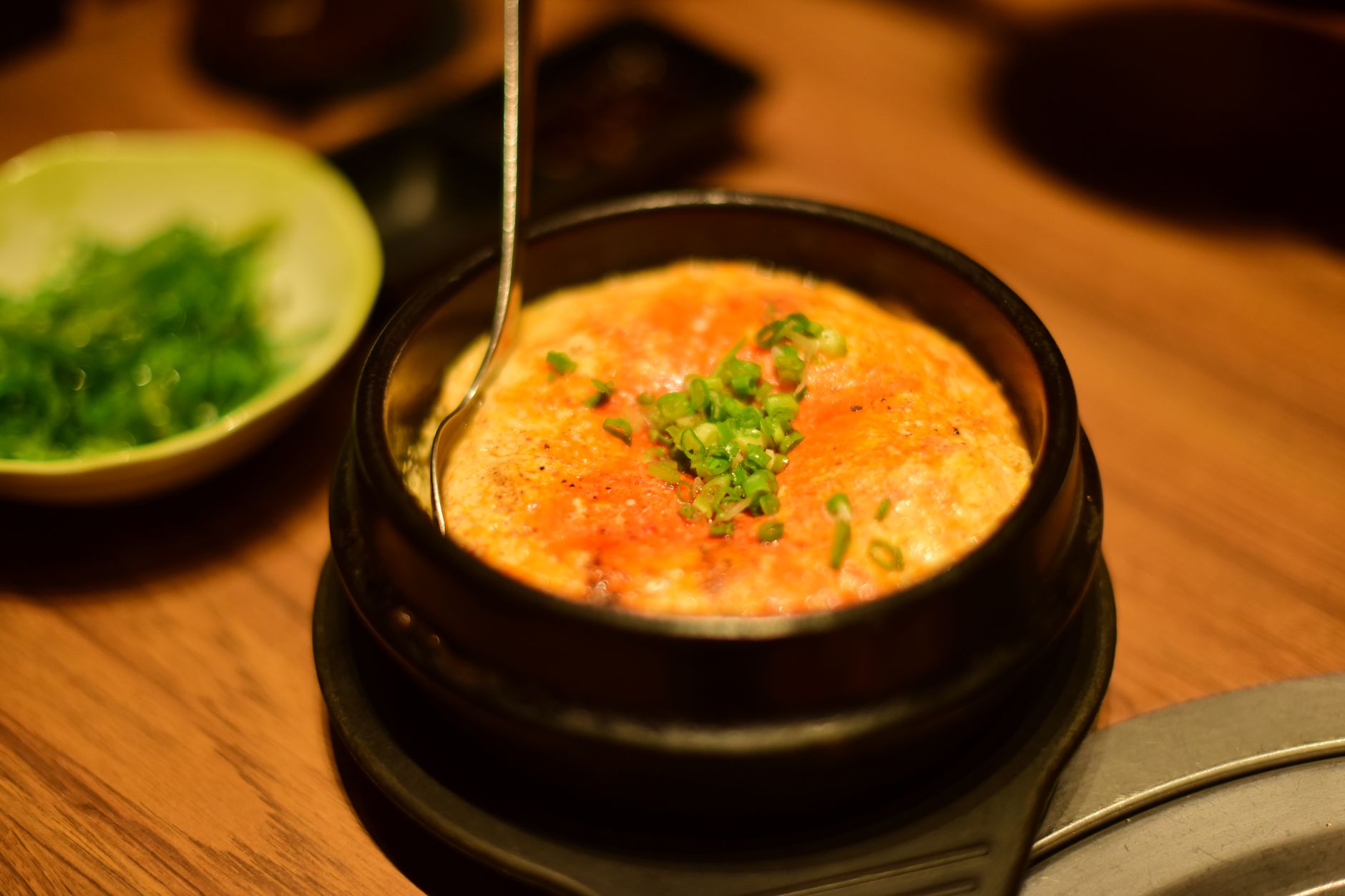
Step 2: Prepare the Filling
Cut the chicken into 1/2-inch pieces. Peel and devein the shrimp, then pat them dry with a paper towel. Slice the shiitake thinly and cut the kamaboko into four thin slices. If you‘re using edamame, make sure they are thawed and drained. Divide the chicken, shrimp, mushrooms, gingko nuts or edamame, and fish cake evenly among the four cups. Scatter the mitsuba leaves or scallion on top of each cup. Keep the pieces small, no larger than a thumbnail, so the custard can cook around them evenly.
Step 3: Make the Custard Base
Crack the eggs into a bowl and beat them with chopsticks for about 15 seconds. Stir gently in one direction and avoid whipping air into them. Add the room-temperature dashi, light soy sauce, mirin, and kosher salt, and stir until just combined. Pour the mixture through a fine-mesh sieve into a clean measuring cup or pitcher. Straining removes the chalazae and stray bits of egg white, which gives you that glassy finish. Skim any surface foam with a spoon.
The first time I made this, I whipped the eggs like I was making an omelet. The custard came out with a bubbly, pocked top. Now I stir slowly, and I strain every time. It makes a real difference in the final texture.
Step 4: Fill the Cups and Cover
Pour the custard slowly over the fillings, filling each cup to about 1/2 inch below the rim. Pour slowly so the fillings don‘t float up. Skim any bubbles from the surface with a spoon. Cover each cup tightly with a small piece of foil or a small plate. The cover stops steam from drops falling onto the custard and keeps the top smooth. While you‘re assembling, bring about 2 inches of water in the steamer to a gentle simmer over medium heat.
Step 5: Steam Until Just Set
Place the cups in the steamer, cover the pot, and lower the heat so the water barely simmers. Steam for 12 to 15 minutes. The custard is done when the center is set but still wobbles slightly, like a very soft pudding. Insert a thin bamboo skewer into the center. If it comes out clean and no liquid custard runs into the hole, it‘s ready. If the surface ripples like a wave when you tap the cup, give it 2 more minutes.
Don‘t let the water boil hard. A rolling boil creates a sponge-like texture with small holes. I learned this the hard way on my first try, and I‘ve never let the water boil since. A low simmer gives you a smooth, even custard.
Step 6: Rest and Serve
Turn off the heat and let the cups rest in the steamer, covered, for 2 minutes. This finishes the cooking gently. Remove the foil carefully, away from your face, to avoid a blast of steam. Garnish with a fresh mitsuba leaf or a few scallion rings if you saved some. Serve immediately while warm. Chawanmushi is best eaten hot, with a small spoon.
Variations & Substitutions
Vegetarian version: Make a kombu and dried shiitake dashi by soaking 2 dried shiitake in the same 4 cups water, and skip the katsuobushi. Use 1/2 cup diced firm tofu and 1/2 cup thinly sliced mushrooms in place of the chicken and shrimp. The broth is lighter and more earthy, so you may want an extra 1/4 teaspoon of light soy sauce.
Seafood-only version: Replace the chicken with 4 more small shrimp, for a total of 8 across the four cups. You can also add a few small scallops per cup. Keep the pieces small, because seafood cooks quickly and turns rubbery if it‘s too large.
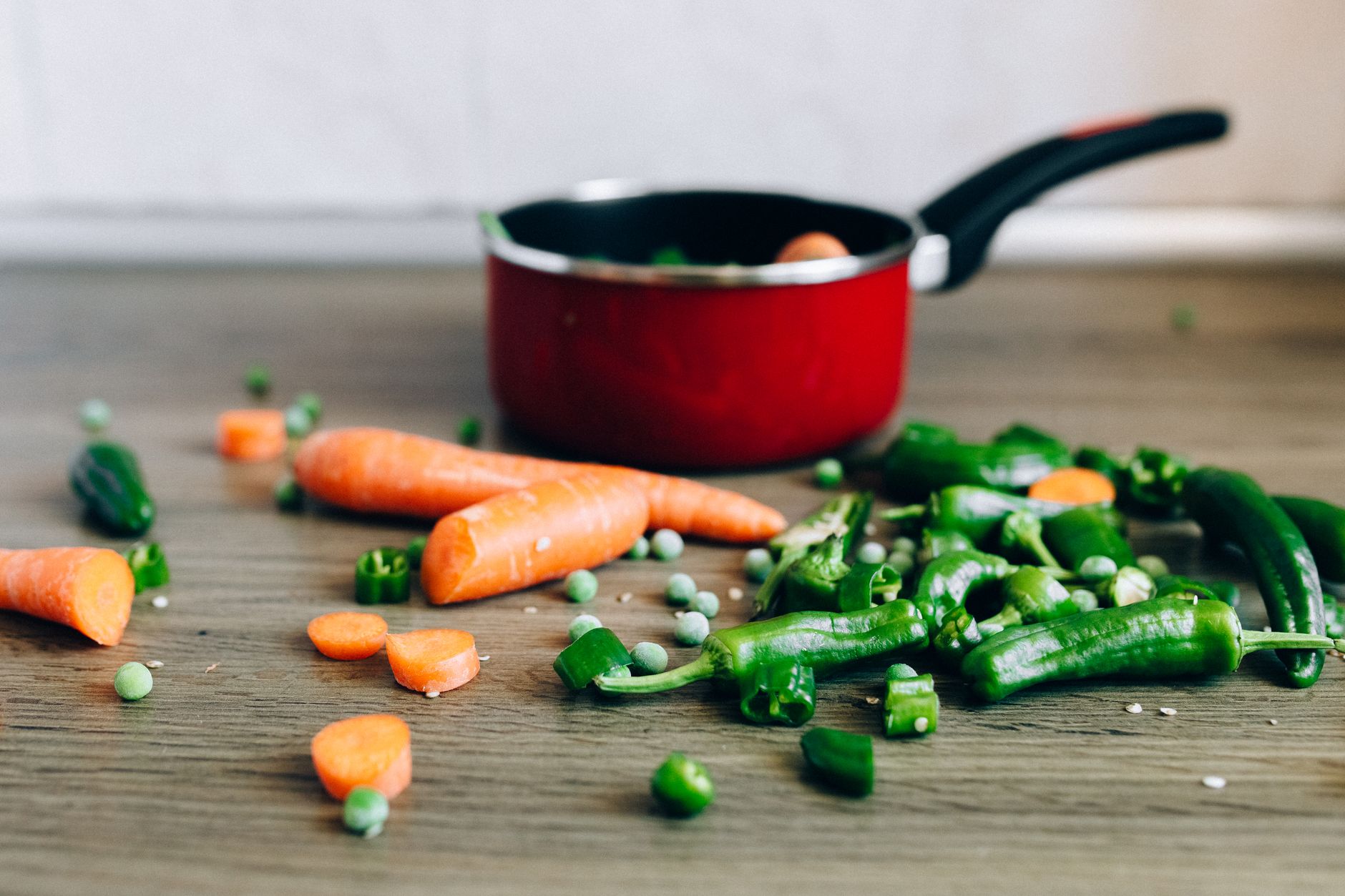
Vegetable-forward version: Skip the meat and fish entirely. Use 1/4 cup thinly sliced snow peas or sugar snap peas, sliced on the bias, plus 1/4 cup sliced carrot, cooked for 2 minutes in boiling water first. Carrots need the head start, or they stay firm while the custard sets.
Mirin swap: If you don‘t have mirin, use 1 teaspoon dry sherry mixed with a small pinch of sugar. The flavor is less rounded, but it works well in a pinch.
Soy sauce swap: Regular dark soy sauce works, but it darkens the custard and makes it saltier. Use only 1 teaspoon and reduce the kosher salt to a pinch. I tried it once and the custard turned a light brown, and the delicate flavor was lost.
Storage & Shelf Life
Refrigerator: Cover the cups tightly with plastic wrap or foil and refrigerate for up to 2 days. Chawanmushi keeps its texture well for the first day, then becomes slightly firmer and less silky. Reheat gently by steaming over low heat for 3 to 4 minutes, until just warm in the center.
Freezer: Freezing is not recommended. The custard becomes spongy and watery when thawed, and the texture is lost. If you need to make ahead, prepare the dashi and freeze it in ice cube trays or a sealed container for up to 3 months. Thaw it in the fridge overnight before using.
Signs of spoilage: Throw the custard away if it has a sour or sulfur smell, a slimy film on the surface, or any sign of mold. A large pool of watery liquid that has separated from the custard can also mean it has spoiled or was held too long. When in doubt, discard it.
Pro Tips
Strain every time. Straining the egg mixture is the single step that makes the biggest difference. It removes thick strands of egg white that can make the custard look cloudy.
Keep the dashi at room temperature. Warm dashi starts cooking the eggs as soon as you add it, which leads to a grainy texture. Let it cool fully before you mix.
Use a steady, low heat. Steam is hot enough to set the custard, so the water does not need to boil. A gentle simmer around 180°F to 190°F keeps the surface smooth. Keep your steamer lid on tight.
Prevent watery tops. Condensation from the lid can drip onto the custard and leave pale spots or small craters. Wrap the lid in a clean kitchen towel or cover each cup with foil, which keeps water away from the surface.
Balance the seasoning. Taste a small spoonful of the strained custard mixture before pouring. It should taste lightly savory, a little like a clear soup. The flavor will be more muted once it‘s steamed, so a slightly bold base is better than a bland one.
Keep pieces small. Large chunks of chicken or mushroom can float or stay raw in the middle. Cut everything to about 1/2 inch so it cooks evenly with the custard.
Questions & Answers
When is the best time to eat Chawanmushi?
Chawanmushi is best eaten warm, right after steaming, as a starter or a side dish. It is often served before a main course in Japanese meals, but it also works as a light lunch with rice. Serve it within 15 to 20 minutes of steaming so the custard stays silky and soft.
Can I make chawanmushi ahead of time?
Yes, you can make it up to one day ahead. Steam the cups, let them cool, cover them, and refrigerate. Reheat gently over low steam for 3 to 4 minutes. The texture is best on the day you make it, but the flavor holds up well overnight.
Why does my chawanmushi have holes in it?
Holes usually come from steaming over heat that is too high, causing the custard to boil. Air bubbles from whisking too vigorously can also leave pockmarks. Lower the heat to a gentle simmer, beat the eggs slowly, and skim the surface before steaming.
Can I use chicken stock instead of dashi?
You can, but the flavor will be heavier and less clean. Chicken stock is richer, so the custard tastes more like a broth-based egg dish. Use low-sodium stock and reduce the soy sauce, because stock can be salty. Dashi gives the most authentic taste.
Do I need special chawanmushi cups?
No, you don‘t need special cups. Any heatproof cup or ramekin of about 6 to 7 ounces will work. Choose a cup with a lid if you have one, since it keeps condensation off the surface. Make sure the cup fits in your steamer with room for steam to circulate.
Is chawanmushi served hot or cold?
Chawanmushi is traditionally served warm or hot, straight from the steamer. It is not usually served cold, because the custard loses its silky texture when chilled. Leftovers can be eaten cold, but they are firmer and less delicate.
Is chawanmushi gluten-free?
Traditional chawanmushi is not gluten-free because regular soy sauce contains wheat. To make a gluten-free version, use a certified gluten-free soy sauce or tamari, and check that your kamaboko and mirin are also gluten-free. If you have celiac disease or a gluten sensitivity, please check labels carefully and speak with your doctor for personal advice.
More Recipes You Will Love
If you enjoy the savory, delicate flavors of this custard, try pairing it with other light Japanese-inspired dishes. A bowl of plain steamed rice and a quick vegetable side turns chawanmushi into a satisfying meal. For a different kind of dish with bright, nutty flavor, you might enjoy Sunnys easy chilled peanut noodles, which are cool and refreshing on a warm day.
If you like the sweet and gentle side of Asian home cooking, our Chinese almond cookies recipe is a lovely follow-up. These crisp, fragrant cookies make a nice finish after a savory meal with friends or family.
Once you‘ve made chawanmushi a few times, try adjusting the fillings to match what‘s in your fridge. Each version teaches you a little more about how dashi and eggs behave together.
Conclusion
Chawanmushi rewards patience. A slow stir, a strained custard, and a low, steady steam give you a smooth, delicate result that feels special for very little effort. Start with the basic recipe, then make it your own with different fillings and vegetables. Once you‘ve tried it, we‘d love to hear how yours turned out. Leave a comment below, rate the recipe, or share a photo of your cups with friends who love Japanese food.
FAQs
When is the best time to eat Chawanmushi?
Chawanmushi is best eaten warm, soon after it comes out of the steamer, as a starter or part of a light meal. Its silky texture is at its peak right after steaming, and the delicate savory flavor is easiest to appreciate before the custard cools. It also pairs well with rice and a green vegetable for a balanced lunch or dinner.
Can you make chawanmushi ahead of time?
Yes, you can prepare the dashi a day ahead and keep it chilled, then mix and steam the custard shortly before serving. Fully cooked chawanmushi can be covered and refrigerated for up to one day, then reheated gently over low steam. The texture is smoothest when it is freshly made.
Why does chawanmushi have bubbles or holes on top?
Bubbles and holes usually form when the custard is steamed over heat that is too high, causing it to boil and puff. Steam over low to medium heat, cover the cups loosely with foil or keep the lid slightly open, and strain the egg mixture before pouring. Skimming any foam off the surface also helps the top stay smooth.
Can you make chawanmushi without dashi?
You can make a simpler version without dashi, but it will taste milder and less savory. Use a light, unsalted vegetable or chicken broth, or steep a small piece of kombu in water as a basic base. Keep the soy sauce and mirin, and season carefully, since store-bought broths vary widely in salt.
How long does leftover chawanmushi last in the fridge?
Leftover chawanmushi should be refrigerated within two hours of cooking and eaten within one day. Cover each cup tightly so it does not pick up odors from other foods. Discard any cups that have been left at room temperature for longer than two hours, since cooked egg dishes can spoil.