Introduction
Why cast iron dutch oven recipes bring unbeatable baking results
Cast iron dutch oven recipes unlock incredible baking potential with even heat distribution benefits. This cookware excels at retaining heat steadily, giving your breads a golden, crispy crust and a tender crumb inside. Whether youre baking rustic artisan loaves or slow-baked casseroles, the cast iron baking method boosts flavor and texture. Using a cast iron dutch oven brings simplicity and rich aromas to your kitchen.
Who benefits most from cast iron dutch oven baking
If you enjoy fuss-free meals with outstanding results, these recipes are perfect. Beginners appreciate the forgiving nature of slow baking techniques, while experienced cooks like the versatility for savory and sweet dishes. Home bakers seeking one-pot recipes or gluten-free dutch oven recipes will find these ideas especially useful for everyday cooking.
What sets these cast iron dutch oven recipes apart
These recipes focus on minimal ingredients and straightforward steps to highlight your dutch ovens strengths. They avoid common dutch oven cooking mistakes by covering preparation tips and perfect timing. The balance between quick prep and slow baking ensures a deeply flavorful outcome without complicated techniques.
Key Highlights
Superior heat retention for even baking every time
Cast iron cookware is known for its ability to hold and spread heat evenly. This prevents hot spots and uneven baking, which means your breads, stews, or desserts cook uniformly. The slow, steady heat creates a perfect environment for crust development and moist interiors.
Versatility for savory and sweet dishes
Your cast iron dutch oven becomes a multi-use tool. It produces artisan bread, hearty casseroles, sweet cobblers, and even delicate desserts. The wide temperature tolerance lets you switch effortlessly between stovetop searing and oven roasting without changing pots.
Safety considerations for first-time cast iron bakers
Cast iron is heavy and retains high heat for long periods. Always use oven mitts or silicone gloves. Avoid sudden temperature changes to protect the seasoning on your pan. Handling correctly prevents burns and extends your cookwares lifespan.
Ingredients & Preparation
| Prep time | Total time | Servings | Calories | Diet tags |
|---|---|---|---|---|
| 10 minutes | 30 minutes | 4 | Approx. 300 per serving | Gluten-Free Option, Vegetarian |
Complete ingredient list with quantities and substitution notes
- 3 cups all-purpose flour (sub gluten-free flour blend for gluten-free)
- 1 tsp active dry yeast
- 1 cups warm water (about 110F / 43C)
- 1 tsp salt
- 2 tbsp olive oil (optional for softer crust)
Substitutions: Use almond flour for a lower rise and nutty flavor. Swap olive oil with melted butter to add richness.
Equipment needed and usage tips
Use a well-seasoned 5-quart cast iron dutch oven with a tight-fitting lid. A baking sheet or parchment paper is helpful but optional. Measuring tools and a sturdy mixing spoon are enough; theres no need for a mixer or blender.
Selecting ingredients for best results
Choose fresh yeast and verify the expiration date. Warm water activates yeast properly; avoid hot water that kills it. Organic flour and high-quality olive oil improve both the aroma and taste significantly.
Step-by-Step Instructions
Step 1 Prepare dough ingredients: measure accurately and mix gently
Combine the flour, salt, and yeast in a large bowl. Add the warm water and olive oil. Stir with a wooden spoon until just combined; the dough will be sticky. There‘s no need for intense kneading. Allowing gluten to develop naturally enhances texture during the rise.
Step 2 Let dough rise and preheat the oven at 450F (232C)
Cover the bowl tightly with plastic wrap or a clean towel. Set aside in a warm spot for 1 to 2 hours until the dough doubles in size. Meanwhile, place your empty cast iron dutch oven with its lid into the preheating oven to heat fully.
Step 3 Transfer dough to hot dutch oven, cover and bake
Carefully remove the hot dutch oven using oven mitts. Place a sheet of parchment paper inside, then transfer the risen dough onto it. Cover the dutch oven with the lid and bake for 20 minutes. Remove the lid and continue baking for an additional 15 minutes to develop a deep golden crust.

Step 4 Cool, serve, or store
Take the bread out of the dutch oven and place it on a wire rack. Let it cool for about 30 minutes before slicing. Store in an airtight container at room temperature for up to 2 days, or freeze for up to 3 months.
Variations & Substitutions
Gluten-free cast iron dutch oven baking tips
Use a gluten-free flour blend containing xanthan gum to mimic gluten structure. Increase liquid slightly to keep the dough moist. Expect baking times to vary by 3-5 minutes. Monitor closely to avoid dry crumb.
Ingredient swaps and flavor twists
Add fresh herbs like rosemary or thyme into the dough for savory notes. Substitute olive oil with melted butter for a fragrant, rich crumb. Sweeten dough with honey instead of sugar for a subtle, natural sweetness.
Adjusting crust and crumb texture
For a thinner crust, remove the lid 10 minutes sooner during baking. If you prefer chewier bread, increase olive oil by 1 tablespoon or swap cup of all-purpose flour for whole wheat flour.
Storage & Shelf Life
Refrigerator storage: best stored at room temperature up to 2 days in paper bag
Keep bread at room temperature inside breathable paper or cotton bags to maintain crust crispness. Refrigerating accelerates staling and should be avoided.
Freezer option: slice and freeze up to 3 months in airtight freezer bag
Wrap whole loaves or individual slices tightly in plastic wrap before placing in freezer bags. Thaw at room temperature or toast slices directly from the freezer for fresh warmth.
Make-ahead batch tips
Double the recipe and bake multiple loaves. Once cooled completely, freeze loaves wrapped well with date labels. Take them out when needed for quick fresh bread options.

Pro Tips & Troubleshooting
Avoiding dough sticking to dutch oven
Line the bottom with parchment paper or dust a thin layer of flour inside before placing the dough. This prevents sticking and easing removal after baking.
Fixes for dense or undercooked bread
If your bread turns out dense, check that the dough rose fully before baking. Inactive yeast or water thats too hot/cold can prevent proper fermentation. Use fresh yeast and maintain water temperature near 110F (43C).
Expert upgrade: add steam for classic artisan crust
Place a small oven-safe pan filled with boiling water on the ovens bottom rack for the first 10 minutes. The steam helps develop a crispier, golden crust reminiscent of traditional bakery bread.
Frequently Asked Questions
When is the best time to bake with a cast iron dutch oven?
The ideal time is when you have 30 to 40 uninterrupted minutes. This allows proper preheating and dough fermentation without rushing any step, which leads to the best results.
Can I make a big batch ahead of time?
Yes. You can refrigerate the dough for up to 24 hours before baking. This slow fermentation deepens flavor and offers more flexibility for your schedule.
Fresh yeast or dried which is better?
Dried yeast offers convenience and longer shelf life, making it great for most home bakers. Fresh yeast adds subtle flavor nuances but has a shorter shelf life and needs refrigeration.
Is cast iron baking safe for pregnant women and children?
Yes, cast iron cooking is safe. Just take care with hot cookware to avoid burns. Use protective mitts and supervise children around hot ovens and heavy pots.
How often can I bake using a cast iron dutch oven?
As often as you like. Just maintain your pans seasoning by cleaning it properly and reapplying oil periodically for a natural non-stick finish.
Why does my bread taste bitter sometimes?
Bitterness usually comes from burnt crust or old flour. Avoid overbaking by checking early for a golden-brown crust and always use fresh, quality ingredients.
What pairs well with dutch oven baked bread?
Try serving with olive oil and balsamic vinegar, hearty soups, or rich stews. Butter flavored with herbs also complements warm bread beautifully.

More Recipes You Will Love
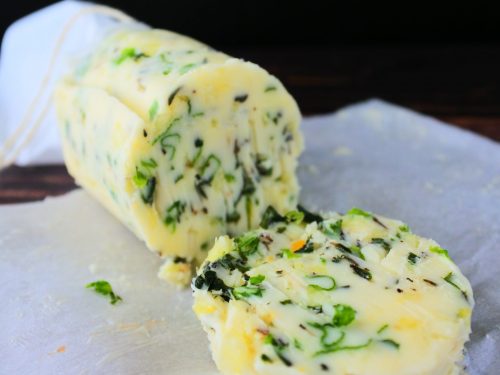
Discover our le creuset dutch oven recipes reddit for more unique ideas perfect for your cast iron cookware. Explore this Boule shaped loaves of bread pan de horno recipe 1938294 for a charming twist on traditional bread. Dont miss our Herb butter for bread rolls, a simple way to elevate your baked goods with fresh flavors.
Conclusion
Cast iron dutch oven recipes offer an easy path to delicious, rustic baking with unmatched crust and crumb textures. The even heat distribution benefits and slow baking techniques turn simple ingredients into golden masterpieces. Try this method for your next baking adventure and share your results or questions. You might find a new favorite way to cook!
FAQs
When is the best time to eat cast iron dutch oven recipes?
The best time to enjoy cast iron dutch oven recipes is when you have 30 to 40 minutes free to allow for proper preheating and dough rising. This ensures even baking and the best crust and texture outcomes without rushing any step.
Can I prepare cast iron dutch oven dough ahead of time?
Yes, you can refrigerate the dough for up to 24 hours before baking. This slow fermentation enhances the flavor and allows more flexibility in your baking schedule.
Is cast iron baking safe for everyone, including pregnant women and children?
Yes, cast iron baking is safe for all ages, including pregnant women and children. Just be cautious with the hot cookware to avoid burns and always use proper protective mitts when handling.
How do I prevent dough from sticking to my cast iron dutch oven?
To avoid sticking, line the bottom of your dutch oven with parchment paper or dust it lightly with flour before adding the dough. This makes removing the baked bread easier without damaging its crust.
Why does my dutch oven bread sometimes taste bitter?
Bitterness often results from burnt crust or using old, stale flour. Avoid overbaking by checking for a golden-brown crust early and always use fresh, high-quality ingredients for the best taste.