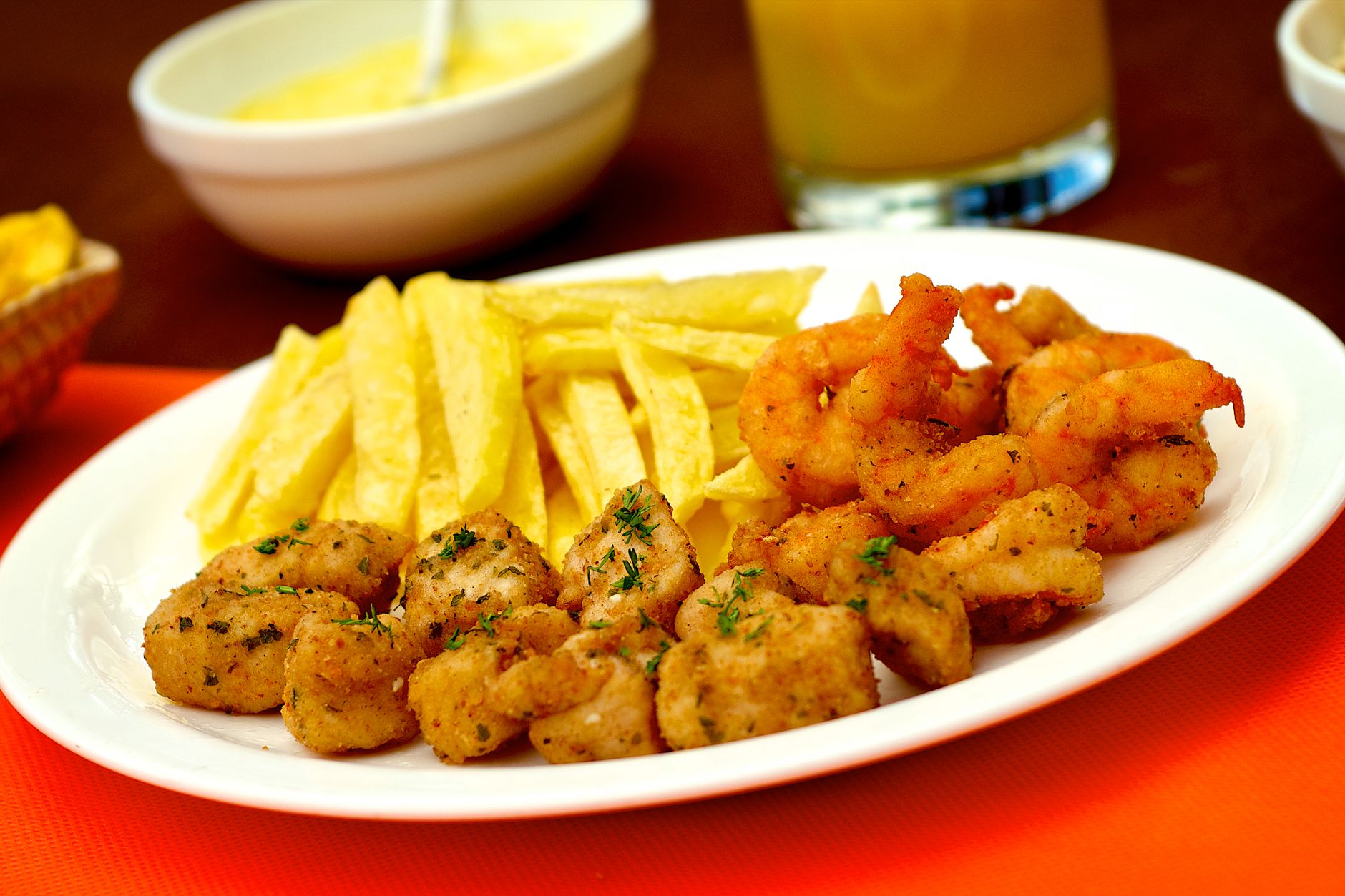
Why Buffalo Fish And Chips?
Imagine biting into flaky, tender fish wrapped in a crispy, golden batter with a bold kick of spicy Buffalo sauce. This Buffalo Fish And Chips recipe transforms the traditional British favorite into something exciting and crave-worthy. The tangy heat perfectly pairs with the cool, herby blue cheese dipping sauce, creating a flavor harmony that dances on your palate. Whether you‘re hosting a casual dinner or craving a comforting snack, this dish delivers delightful textures and vibrant flavors that will keep you coming back for more.
Health Benefits & Nutrition
Buffalo Fish And Chips may sound indulgent, but there are several nutritional highlights worth noting. First, the use of lean white fish like cod or haddock offers a great source of high-quality protein, essential for muscle repair and immune support. Fish also contains omega-3 fatty acids that promote heart health and reduce inflammation, as supported by numerous studies from the American Heart Association.
Secondly, baking the fries using olive oil and seasoning instead of deep frying helps lower overall saturated fat intake. Third, the spices in Buffalo sauce, such as cayenne pepper, contain capsaicin, which may boost metabolism and support digestion. Lastly, the presence of fresh herbs in the blue cheese sauce adds antioxidants and micronutrients, enhancing overall nutritional value.
Note: If you have a seafood allergy or sensitivity to spicy foods, adjust the recipe accordingly. Also, pregnant individuals should consult with a healthcare provider regarding spice intake and fish consumption.
Ingredients & Preparation
Recipe Card
| Prep Time | Total Time | Servings | Calories (per serving) | Diet Tags |
|---|---|---|---|---|
| 15 minutes | 1 hour 35 minutes | 4 | ~1790 | Gluten (can be modified), Dairy, Spicy, Seafood |
Complete Ingredient List
- For the chips: 1 1/4 pounds frozen steak fries, 1 tablespoon extra-virgin olive oil, 1 teaspoon sweet paprika, 1/2 teaspoon cayenne pepper
- For the fish: 1 1/2 pounds cod, haddock, or hake fillets, vegetable oil (for frying), 1 stick unsalted butter, 1/2 cup hot sauce (such as Frank’s), 1 cup rice flour, 1 cup all-purpose flour, plus extra for coating, 2 teaspoons baking powder, kosher salt, 1/2 teaspoon cayenne pepper, 16 ounces chilled unflavored seltzer (2 cups)
- For the blue cheese tartar sauce: 3/4 cup mayonnaise, 2 tablespoons buttermilk, 1 tablespoon fresh lemon juice, 1/4 cup crumbled blue cheese, 2 tablespoons chopped fresh chives, 2 tablespoons chopped fresh Italian parsley, 2 tablespoons chopped dill pickles, 2 teaspoons chopped capers, kosher salt and freshly ground pepper, hot sauce to taste
- Carrot and celery sticks for serving (optional)
Equipment Needed
- Large Dutch oven or deep fryer
- Deep-fry thermometer
- Mixing bowls
- Wire rack with rimmed baking sheet
- Baking sheet with parchment paper
- Whisk and tongs
- Small saucepan
Tips for Choosing Quality Ingredients
- Fish: Select fresh, firm, and flaky fillets such as cod or haddock from a trusted fishmonger. Look for translucent flesh with a mild ocean scent.
- Hot sauce: Choose a classic, balanced hot sauce like Frank’s RedHot to get the signature tangy heat without overpowering the fish.
- Frozen fries: Opt for high-quality, thick-cut steak fries that will crisp up nicely without drying out.
- Herbs and dairy: Use fresh herbs and high-quality blue cheese for the sauce to enhance aroma and flavor depth.
Step-by-Step Instructions for Buffalo Fish And Chips
Step 1: Prepare and Bake the Chips (22-28 minutes at 425°F)
Preheat your oven to 425 degrees Fahrenheit. Line a baking sheet with parchment paper. In a large bowl, toss the frozen steak fries with olive oil, paprika, and cayenne pepper until evenly coated. Spread them in a single layer on the baking sheet. Bake for 22 to 28 minutes, flipping halfway through, until the fries are golden and crispy.
Step 2: Prep the Fish (20 minutes)
Cut the fish fillets into 1-by-3-inch strips. Let them sit at room temperature for about 20 minutes to ensure an even cook and crisp batter.
Step 3: Make Buffalo Butter Sauce and Heat Oil (10 minutes)
Heat 2 inches of vegetable oil in a Dutch oven to 350°F, using a deep-fry thermometer for accuracy. In a small saucepan over low heat, melt the butter and stir in the hot sauce until combined. Pour half of this mixture into a shallow dish wide enough for the fish strips and let it cool until just warm (about 10 minutes). Reserve the remaining buffalo butter sauce for serving.
Step 4: Prepare the Batter and Coat the Fish (10 minutes)
In a large bowl, whisk together rice flour, all-purpose flour, baking powder, 1 teaspoon kosher salt, and cayenne pepper. Slowly add the chilled seltzer and whisk just until the batter is smooth but still slightly lumpy—don’t over-mix. Let this batter rest for 10 minutes. Dredge the fish strips lightly in extra flour before dipping them into the batter to ensure an extra-crispy crust.
Step 5: Dip Fish in Buffalo Sauce and Batter, Then Fry (3-4 minutes per batch)
Place the floured fish strips in the warm Buffalo butter mixture, turning to coat evenly. Immediately dip them into the batter, ensuring full coverage. Carefully lower the strips into the hot oil in batches without overcrowding. Fry for 3 to 4 minutes, turning occasionally, until the batter is golden and crispy. Drain on a wire rack set over a rimmed baking sheet.
Step 6: Serve with Blue Cheese Tartar Sauce and Veggies
Whip up the herby blue cheese tartar sauce and serve alongside the fries and Buffalo fish strips. Don’t forget the refreshing carrot and celery sticks for the perfect crunch contrast.

Variations & Substitutions
- Gluten-Free: Swap all-purpose flour with almond or chickpea flour and ensure hot sauce and other ingredients are gluten-free. Use rice flour to maintain crispiness.
- Different Fish: Try using firm white fish like tilapia, pollock, or even catfish for a variation in texture and flavor.
- Lighter Version: Instead of frying, bake the battered fish strips at 425°F for 15-20 minutes, flipping halfway, for a healthier alternative.
- Alternative Spicy Sauce: Mix sriracha or chipotle sauce with melted butter in place of traditional Buffalo sauce for a smoky twist.
Storage & Shelf Life
Store any leftover Buffalo Fish And Chips in an airtight container in the refrigerator for up to 2 days. To preserve crispness, reheat the fries and fish in an oven preheated to 400°F for 10-12 minutes rather than microwaving.
If you want to freeze leftovers, place the cooked fish strips and fries separately on a baking sheet and freeze for 2 hours. Then transfer to freezer bags and store up to 1 month. Reheat in the oven directly from frozen for best results.
Discard leftovers if you notice any off smells, sliminess, or discoloration, which indicates spoilage.
Pro Tips for Perfect Buffalo Fish And Chips
- Use chilled seltzer water in your batter to create a lighter, crispier coating thanks to the bubbles that aerate the mixture.
- Don’t overcrowd the frying pot; maintaining oil temperature at 350°F prevents soggy, greasy fish strips.
- Coat the fish lightly with flour before dipping into batter. This helps the batter adhere better, producing a crunchier crust.
- Let the battered fish rest for a minute before frying to settle texture and avoid excess batter falling off.
- For an even crispier fry, finish chips with a sprinkle of sea salt right after baking.
- Balance the heat by serving with a cooling blue cheese tartar sauce and refreshing carrot and celery sticks.
When is the best time to eat Buffalo Fish And Chips?
Buffalo Fish And Chips shine as a hearty lunch or casual dinner. They’re ideal for weekend gatherings or game-day snacks when you crave a crispy, spicy treat. Serve them fresh and hot for the best texture and flavor experience.
Can I use fresh potatoes instead of frozen fries?
Absolutely! You can cut fresh potatoes into thick steak fries, parboil them for 5 minutes, then bake or fry until golden and crisp. Season similarly with paprika, cayenne, and olive oil for traditional flavor.
Is this recipe safe for people with fish allergies?
No, this recipe uses fish fillets and is not safe for individuals with seafood or fish allergies. Consider substituting with chicken strips coated in the same batter to mimic the flavor profile.
How can I make the batter gluten-free?
Replace all-purpose flour with gluten-free flour blends and stick with rice flour as in the original recipe. Ensure your baking powder is gluten-free to maintain batter rise and crispiness.
What can I use instead of blue cheese for the dipping sauce?
If you’re not a fan of blue cheese, try substituting with ranch dressing or a creamy garlic aioli. Both provide a cooling contrast to the spicy Buffalo flavor.
Can I prepare the Buffalo sauce ahead of time?
Yes, you can make the Buffalo butter sauce a day ahead. Store it covered in the refrigerator and gently warm before dipping the fish to maintain the perfect coating temperature.
Is it necessary to use both rice flour and all-purpose flour?
The combination balances lightness and structure. Rice flour creates a crisp texture, while all-purpose flour provides the right elasticity and binding. Omitting either might alter the batter’s crunch and coating integrity.
More Recipes You Will Love
If you enjoy the zesty flavors in this Buffalo Fish And Chips recipe, you might like our Miso ginger sauce for salmon offering an umami-packed seafood twist. For those managing health-conscious diets, check out Is tuna fish good for diabetics to explore how seafood fits into balanced meal plans.

Conclusion
This Buffalo Fish And Chips recipe delivers a sensational balance of crunchy texture and fiery flavor. The tender white fish coated in spicy Buffalo batter, paired with perfectly seasoned fries and a creamy, herby blue cheese sauce, is comfort food elevated. Cooking at home lets you savor a crispy, irresistible dish any day of the week. Feel free to share your variations, tips, or questions below—we’d love to hear how you make this classic your own!
FAQs
When is the best time to eat Buffalo Fish And Chips?
Buffalo Fish And Chips are perfect for casual dinners, weekend lunches, or anytime you crave a hearty, flavorful seafood meal. They’re also great for entertaining guests or enjoying as a comforting snack.
Can I use other types of fish for Buffalo Fish And Chips?
Yes, while cod or haddock are recommended for their flaky texture and mild flavor, you can substitute similar white fish like hake or pollock depending on availability and preference.
Is it possible to bake the fish instead of frying it?
Although traditionally fried, you can bake the battered fish at a high temperature to reduce oil use. However, frying delivers the signature crispy texture the dish is known for.
What can I serve with Buffalo Fish And Chips besides blue cheese sauce?
Alternatives include ranch dressing, tartar sauce, or a cooling yogurt dip. Fresh lemon wedges and a side salad also complement the spicy flavors nicely.
How spicy is the Buffalo Fish And Chips recipe?
The recipe has a moderate spicy kick from cayenne pepper and Buffalo sauce. You can adjust the heat level by reducing the hot sauce or cayenne to suit your taste.