Looking for the perfect rub that makes any cut sing? Below youll find the best spices for meat, broken down by protein, plus readytouse mixes you can toss together in minutes.
Whether youre grilling a steak, roasting a pork shoulder, or simmering a beef stew, these herbandspice pairings will give you bold flavor without the guesswork. Lets dive in!
Why Spice Matters
Spices do more than just add flavorthey can change texture, aroma, and even the way your body reacts to a dish. A wellchosen blend highlights the natural taste of the meat while masking any offnotes. But theres a flip side: too much salt or an overly aggressive heat can overwhelm the protein, and some people are sensitive to certain spice compounds.
What does a good spice blend do for meat?
A good blend amplifies the meats natural umami and introduces complementary notes. For example, smoked paprika adds a subtle woodiness that pairs beautifully with beefs richness, while a touch of cumin can bring earthy depth to pork.
Flavor amplification vs. masking
Think of spices as a spotlight rather than a floodlight. The right amount highlights the star (the meat) instead of drowning it out.
Tenderizing effects of enzymatic spices
Spices like ginger, pineapple, or even a pinch of papaya contain enzymes that can help break down protein fibers, making the meat a little softer. Use them sparingly, thoughovertenderizing can turn a steak into mush.
Common mistakes beginners make
Weve all been there: a wellintentioned sprinkle of everything that ends up tasting like a disaster.
Oversalting & using too many strong spices
Salt is a flavor carrier, but a little goes a long way. Start with a modest pinch and taste before adding more.
Ignoring the meats natural flavor profile
Beef loves robust, smoky notes; pork enjoys sweetsavory combos; chicken benefits from bright herbs. Matching the spice to the protein keeps the dish balanced.
Core Spices List
These staples belong in every pantry. Theyre the foundation of any meat seasoning powder youll create.
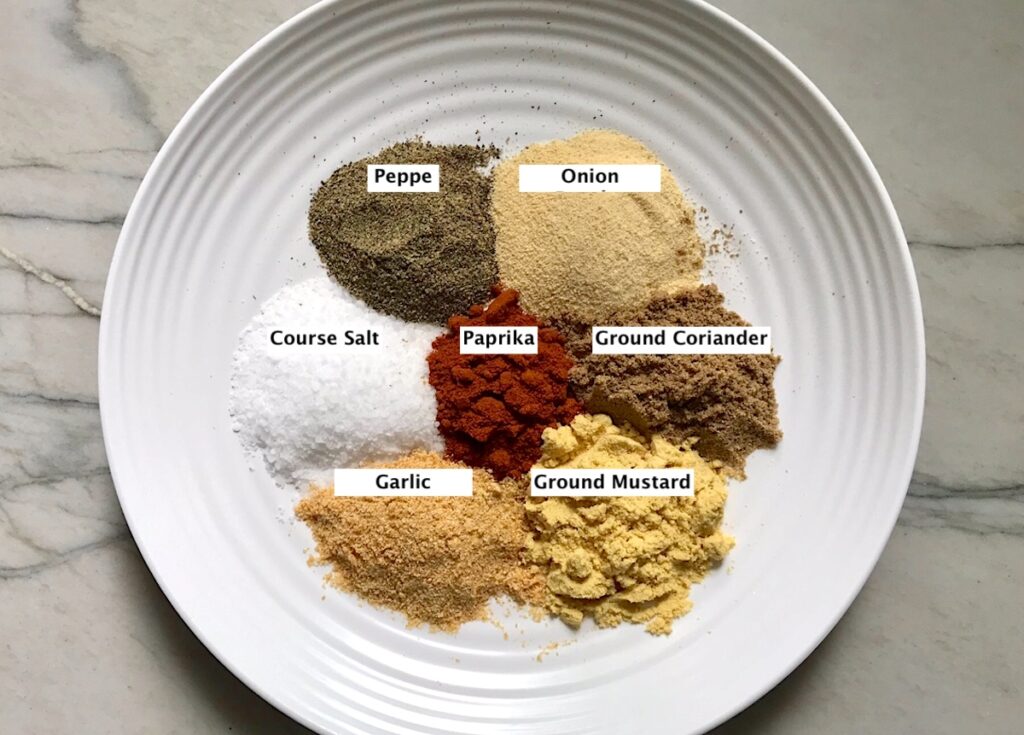
The universal trio: Kosher salt, black pepper, garlic powder
Salt enhances flavor, black pepper adds a gentle heat, and garlic powder contributes a savory backbone. Together they form a base that works on beef, pork, chicken, and lamb.
Recommended ratios for a basic blend
2parts kosher salt|1part freshly cracked black pepper|1part garlic powder. Mix and store in an airtight jar for up to six months.
Heat & depth: Paprika, chili flakes, cayenne
These give your rub a kick without burning the palate.
Smoked vs. sweet paprika
Use smoked paprika for a beef roast or grilled steaks; sweet paprika shines in pork ribs or chicken wings.
Balancing heat with sweetness
A teaspoon of brown sugar can tame the fire from cayenne while adding a caramelized crust.
Earthy aromatics: Cumin, coriander, dried herbs
Cumin and coriander add earthiness; rosemary, thyme, and oregano bring freshness. Pair them wisely.
Best pairings
Cumincoriander works wonders on pork shoulder, while thymerosemary elevates a beef roast. For chicken, a simple thymelemon zest mix keeps it light.
Mixes by Meat
| Meat | Signature Blend (key spices) | Why it works | Quick DIY Mix (tsp) |
|---|---|---|---|
| Beef (steak, roast) | Salt, black pepper, garlic, rosemary, smoked paprika | Robust flavor, complements beefs richness | 2salt|1pepper|1garlic|rosemary|smoked paprika |
| Pork (shoulder, ribs) | Brown sugar, cumin, coriander, chili powder, sage | Sweetsavory balance, cuts pork fat | 2brown sugar|1cumin|1coriander|chili|sage |
| Chicken (whole, breast) | Lemon zest, thyme, onion powder, paprika | Light, bright, doesnt overpower | 1lemon zest|1thyme|onion|paprika |
| Lamb (chops, leg) | Mint, rosemary, garlic, cumin | Herbal freshness tempers gaminess | 1mint|1rosemary|garlic|cumin |
| Beef stew | Bay leaf, thyme, oregano, black pepper, carrot seed | Classic comfort profile | 1bay leaf|1thyme|oregano|pepper|carrot seed |
How to adapt a blend for best spices for pork vs. beef
Pork tolerates a touch of sweetnessthink brown sugar or maple syrupwhile beef thrives on smoky heat. Adjust the salt level based on the cut: a lean steak needs less salt than a fattier pork shoulder.
Onesizefitsall meat spice mix
Heres a simple allpurpose recipe you can keep on hand:
1tbsp kosher salt|1tsp black pepper|1tsp garlic powder|tsp smoked paprika|tsp dried thyme|tsp cayenne. Whisk together, store in a sealed jar, and use for any protein.
Seasoning Brands
Not every storebought blend lives up to the hype. Knowing what to look for helps you avoid fillers and excessive sodium.
What to look for on the label
Seek no added MSG, nonsynthetic, and lowsodium claims. Transparency about spice origin is a good trust signal.
Toprated brands (2024 consumer surveys)
McCormick Grill Mates reliable flavor, moderate sodium.
Lawrys classic taste, but higher salt.
Spice Islands premium spices, great for DIY mixes.
Seasoned by a Pro artisan blends, slightly pricier but grainfree.
DIY vs. storebought: cost, freshness, control
Buying bulk spices and mixing your own meat spice mix can cut costs by up to 40% and guarantees freshness. A quick cost comparison:
| Option | Cost per ounce | Shelf life | Control over ingredients |
|---|---|---|---|
| DIY blend (bulk spices) | $0.30 | 1218months | High |
| Premium brand | $0.75 | 612months | Medium |
| Generic store brand | $0.15 | 36months | Low |
Common Questions
What herb goes with beef stew?
Thyme, bay leaf, and rosemary are classic. A pinch of oregano adds a subtle Mediterranean twist.
Best seasoning for beef roast?
Combine kosher salt, cracked black pepper, garlic powder, and smoked paprika. Drizzle with olive oil, rub in, and let it rest before cooking.
Can I use the same spice mix for pork and chicken?
Yes, but tone down the sweet elements for chicken and boost the herbaceous notes for pork. A balanced mix works across the board.
Is meat seasoning powder safe for lowsodium diets?
Look for reducedsalt versions or make your own, using a measured pinch of salt and plenty of herbs to keep flavor alive.
Rub & Cook Guide
Preparing the meat
Start with a drybrine: sprinkle a thin layer of salt, let the meat sit uncovered in the fridge for 3060minutes. This draws out moisture, concentrates flavor, and helps the rub stick.
Applying the rub
Pat the meat dry, then massage the rub into every nook. For larger cuts, let the seasoned meat rest 1520minutes so the spices can penetrate.
Cooking methods & flavor retention
Grilling gives a charred, smoky edge; roasting develops a caramelized crust; slowcooking melds flavors over time; sousvide preserves delicate aromatics. Choose the method that matches the spice profile youve created.
Example: Grilled ribeye with smoky paprikacumin rub
Season a 1inch ribeye with 1tsp each of smoked paprika, ground cumin, and a pinch of sea salt. Grill 45minutes per side for mediumrare. The smoke amplifies the paprika, while cumin adds depth.
Example: Ovenroasted pork shoulder with brownsugarsage blend
Rub the shoulder with brown sugar, sage, garlic powder, and a dash of cayenne. Roast at 300F for 3hours, basting occasionally. The sugar caramelizes, forming a sweetsavory crust.
Benefits & Risks
Health perks
Spices are rich in antioxidants, can boost metabolism, and somelike turmeric and cinnamonhave antiinflammatory properties. According to the NIH overview of spices and health, regular spice consumption is linked to lower risk of chronic diseases.
Possible downsides
Excessive sodium can raise blood pressure, and overly spicy blends may irritate sensitive stomachs. Always start with smaller amounts if youre unsure.
Tips for moderation & safe storage
Store spices in a cool, dark place; use airtight containers to preserve potency. Rotate older spices out first, and label jars with the date you mixed them.
Conclusion
Whether you stick to the core trio of salt, pepper, and garlic or venture into adventurous blends, the right spices can transform a simple cut into a memorable meal. Remember the three takeaways: know your foundation spices, customize blends for each protein, and choose trustworthy sourceswhether you buy a reputable meat seasoning brand or create your own mix. Happy cooking, and feel free to share your favorite rubs or ask questionsyour next flavor breakthrough might be just a pinch away!
FAQs
What are the essential spices for seasoning any meat?
The universal trio of kosher salt, freshly cracked black pepper, and garlic powder forms the foundation for all meat rubs.
How do I adjust a pork spice mix for a sweeter flavor?
Add a touch of brown sugar or maple syrup to balance the savory notes and help caramelize the crust during cooking.
Can I use the same spice blend for both chicken and beef?
Yes, but tone down the sweet elements for chicken and increase smoky or earthy spices like smoked paprika and cumin for beef.
What is the best way to apply a dry rub for maximum flavor penetration?
Pat the meat dry, coat it evenly with the rub, and let it rest refrigerated for 15‑30 minutes (or up to 2 hours for larger cuts) before cooking.
Are there low‑sodium options for meat seasoning powders?
Choose reduced‑salt blends or create your own by using a measured pinch of salt and enhancing flavor with herbs, spices, and citrus zest.