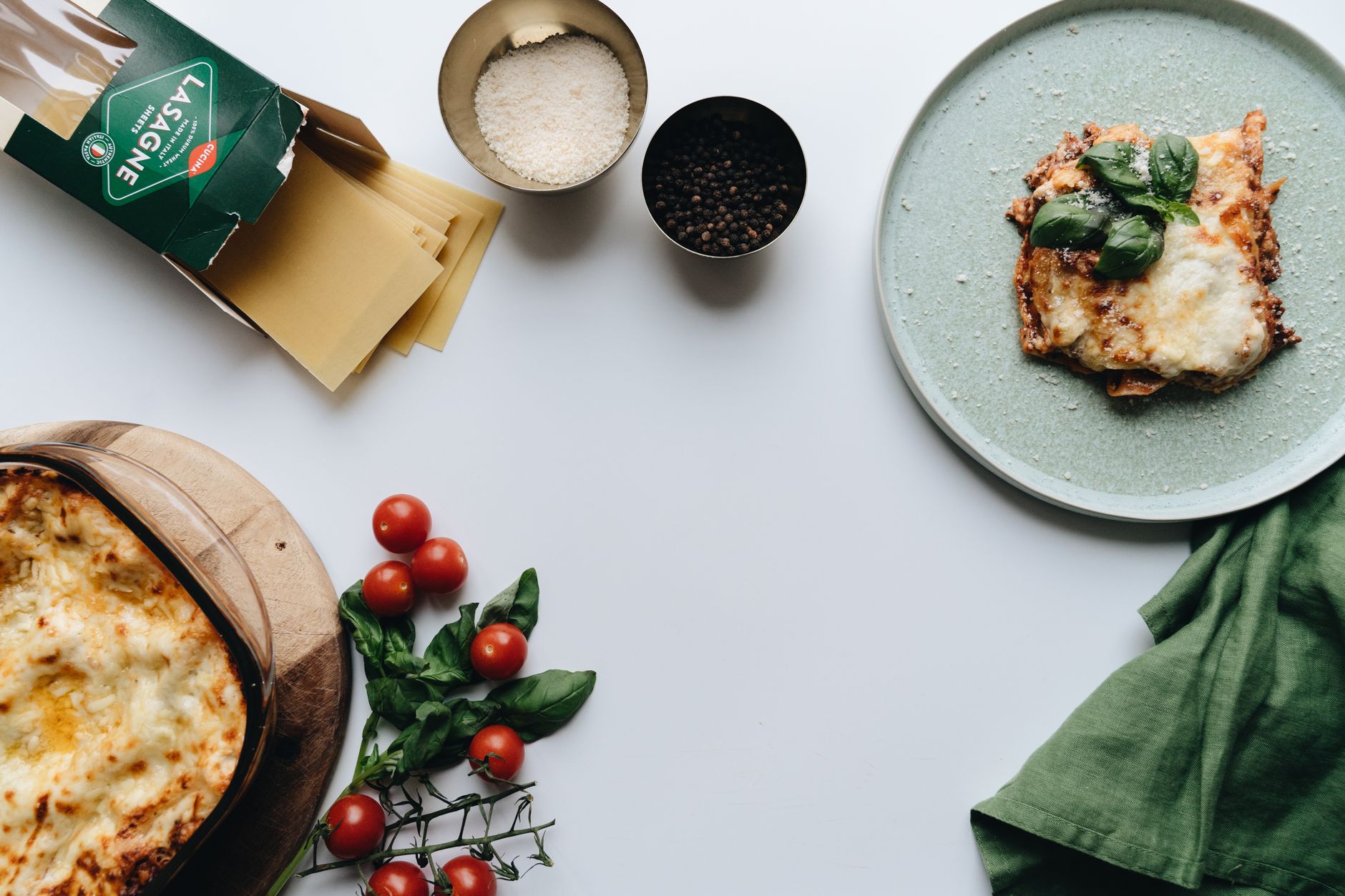
Why Baked Rigatoni With Bechamel Sauce Recipe2 Works
The top of this pasta bake turns golden and crisp while the center stays soft, creamy, and wonderfully rich. Baked Rigatoni With Bechamel Sauce Recipe2 combines sturdy pasta, silky white sauce, salty prosciutto, and nutty fontina in one comforting dish.
Baked rigatoni with béchamel sauce is an Italian-style pasta bake made by coating partially cooked rigatoni in a creamy flour-and-milk sauce, then baking it with fontina until bubbling and golden. The pasta finishes cooking in the oven, so it should be boiled only until the center remains firm.
I like this recipe when I want something more refined than a tomato casserole but still easy to serve family-style. The wide tubes hold the sauce beautifully, and the prosciutto adds savory flavor without requiring a separate meat sauce.

Health Benefits & Nutrition
This is a rich comfort-food dish, so its strengths are mainly in nourishment, satisfaction, and useful meal components rather than low calorie content.
- Carbohydrates for energy: Rigatoni supplies carbohydrates that make the dish filling and substantial. Whole-wheat pasta can add more fiber if you enjoy its firmer, nuttier texture.
- Protein from dairy and prosciutto: Milk, fontina, and prosciutto contribute protein, which helps make a moderate serving more satisfying.
- Calcium from milk and cheese: The béchamel and fontina provide calcium as part of a varied diet.
- Portion-friendly serving: Pairing a smaller portion with a crisp salad or steamed vegetables adds color, freshness, and fiber without changing the main recipe.
Because this dish contains butter, milk, wheat, and cheese, it is not suitable for people with allergies or intolerances to those ingredients. Prosciutto also adds sodium, so use less if you are limiting salt. Personal dietary needs vary; speak with a doctor or registered dietitian for individualized advice.
The recipe makes six servings. Each serving contains approximately 780 calories, 33 grams of protein, 77 grams of carbohydrates, and 38 grams of fat. These figures are estimates and can change with the brands, portion sizes, and amount of cheese used.
Ingredients & Preparation
Recipe Card
| Prep time | 25 minutes |
|---|---|
| Cook time | 30 minutes |
| Total time | 55 minutes |
| Servings | 6 |
| Calories | Approximately 780 per serving |
| Diet tags | Vegetarian-friendly without prosciutto; contains dairy and gluten |
Full Ingredient List
- 1 stick unsalted butter (4 ounces)
- 1/2 cup and 2 tablespoons all-purpose flour
- 1 quart whole milk, at room temperature
- 1 pinch freshly grated nutmeg
- Sea salt, to taste
- White pepper, to taste
- 1 cup grated fontina, divided
- 1/2 pound thinly sliced prosciutto, julienned
- 1 pound dry rigatoni
- 3 tablespoons unsalted butter, diced
Equipment Needed
- 2-quart saucepan
- Large pot for boiling pasta
- Whisk and wooden spoon
- Colander
- 13-by-9-inch baking dish
- Grater for the nutmeg and fontina
Tips for Choosing Quality Ingredients
Choose rigatoni with a ridged surface if possible. The ridges catch the béchamel, while the hollow center carries sauce into every bite. Bronze-die pasta is especially useful here because its slightly rough surface holds creamy sauces well.
Freshly grated fontina melts more smoothly than many pre-shredded cheeses. Select a fontina with a mild, buttery aroma rather than one that smells sharp or sour. For the prosciutto, thin slices are easiest to cut into short ribbons and distribute evenly.
Use whole milk for the fullest béchamel texture. I have tried reducing the milk fat in this recipe, but the sauce becomes noticeably thinner and less velvety. Bring the milk to room temperature before starting; cold milk can make the sauce take longer to smooth out.
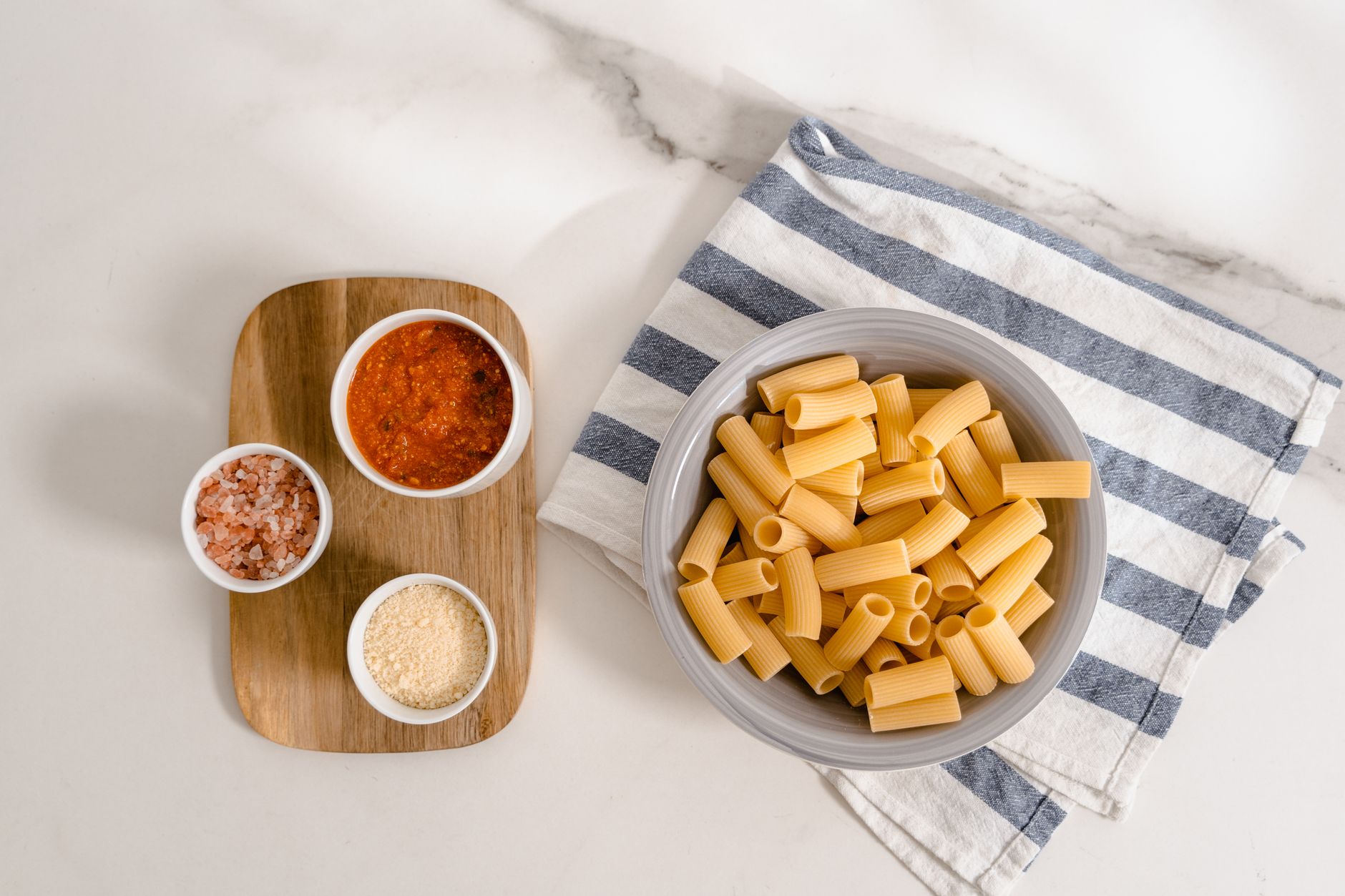
Step-by-Step Instructions
1. Heat the Oven and Prepare the Baking Dish
Set the oven to 425°F and allow it to preheat fully. Lightly grease a 13-by-9-inch baking dish with butter, paying extra attention to the corners. This high oven temperature helps the cheese brown before the pasta loses too much moisture.
2. Make the Béchamel Sauce
Melt the 1 stick of butter in a 2-quart saucepan over medium heat for about 2 minutes. Whisk in the flour and cook for 2 minutes, stirring constantly, until the mixture is smooth and lightly foamy but not brown.
Gradually whisk in the room-temperature milk over 3 to 4 minutes. Keep stirring as the sauce comes to a gentle simmer, then cook for about 10 minutes. The béchamel is ready when it coats the back of a spoon and a line drawn through it remains visible for a moment.
Remove the pan from the heat. Stir in the nutmeg, salt, white pepper, 1/2 cup of the fontina, and the julienned prosciutto. The cheese should melt into the hot sauce, and the prosciutto should be evenly dispersed.
3. Boil the Rigatoni Until Very Firm
Bring 6 quarts of water to a rolling boil over high heat. Salt the water generously, add the rigatoni, and cook for about 5 minutes. Drain it as soon as the outside softens but the center still feels hard when bitten.
The first time I made this bake, I cooked the pasta until fully tender. It became soft after baking, especially around the edges. For this version, the pasta should still have a firm, pale center because it will absorb sauce and finish cooking in the oven.
4. Combine the Pasta and Sauce
Drain the rigatoni in a colander without rinsing it. Return the hot pasta to the cooking pot, pour in the béchamel, and stir with a wooden spoon for 1 to 2 minutes.
Make sure sauce reaches the inside of the tubes. If the sauce seems very thick, stir gently rather than adding water; the pasta will loosen it slightly as it bakes.
5. Assemble and Bake
Transfer the coated rigatoni to the greased baking dish and smooth the surface. Sprinkle with the remaining 1/2 cup fontina, then dot evenly with the 3 tablespoons of diced butter.
Bake at 425°F for 25 minutes. The casserole is done when the edges are bubbling, the center is hot, and the cheese is golden in patches. You should hear a gentle sizzle around the sides. Rest for 5 minutes before serving so the sauce can settle slightly.

Variations & Substitutions
- Vegetarian rigatoni bake: Omit the 1/2 pound prosciutto. Add 1 cup of finely chopped sautéed mushrooms or 1 cup of cooked spinach, squeezed very dry, to the sauce.
- Extra-cheesy version: Replace half of the 1 cup fontina with 1/2 cup grated Parmesan. Keep the remaining 1/2 cup fontina for the topping so the surface still melts smoothly.
- Ham substitution: Replace the prosciutto with 1/2 pound thinly sliced cooked ham, cut into strips. Reduce added salt because ham is often saltier and thicker.
- Whole-wheat pasta: Replace the 1 pound dry rigatoni with 1 pound whole-wheat rigatoni. Boil it for the lower end of the package directions, then check for a firm center before draining.
- Garlic béchamel: Add 1 finely grated garlic clove to the melted butter for the final 30 seconds before adding the flour. Do not brown the garlic, or it may taste bitter.
I do not recommend replacing all the milk with cream. I tested a cream-heavy version, and it tasted overly rich while the sauce became less balanced. Whole milk gives enough body when the roux is cooked properly.
Storage & Shelf Life
Cool leftovers promptly, then cover the baking dish or transfer the pasta to a shallow airtight container. Refrigerate for up to 3 days. For the best texture, reheat individual portions covered in the microwave, or reheat the whole dish covered with foil at 350°F until hot throughout.
To freeze the assembled, unbaked casserole, let the pasta and sauce cool first. Wrap the dish tightly in plastic wrap followed by foil, then freeze for up to 2 months. Thaw it in the refrigerator overnight, remove the plastic wrap, cover with foil, and bake at 375°F until hot. Uncover for the final 10 minutes to brown the top.
Discard the dish if it develops a sour smell, slimy texture, visible mold, or unusual discoloration. Do not taste food to determine whether it has spoiled.
Pro Tips
- Whisk the roux before adding milk: Two minutes of cooking removes the raw flour taste and helps the sauce thicken evenly.
- Add milk slowly at first: Pour in the first cup gradually while whisking. Once smooth, the remaining milk can be added in a steadier stream.
- Keep the béchamel pale: Medium heat is enough. If the butter-flour mixture turns brown, it will give the sauce a toasted flavor and darker color.
- Season before adding the pasta: Pasta dulls seasoning slightly, so taste the sauce while it is still in the saucepan. Remember that fontina and prosciutto add salt.
- Do not rinse the rigatoni: The starch on the surface helps the béchamel cling to the pasta and creates a more cohesive bake.
- Distribute the topping evenly: Scatter the fontina and butter across the entire surface. Large piles of cheese can brown before the center is hot.
- Protect the baking dish: Place the casserole on a rimmed baking sheet before baking. This catches any bubbling sauce and makes the hot dish easier to remove.
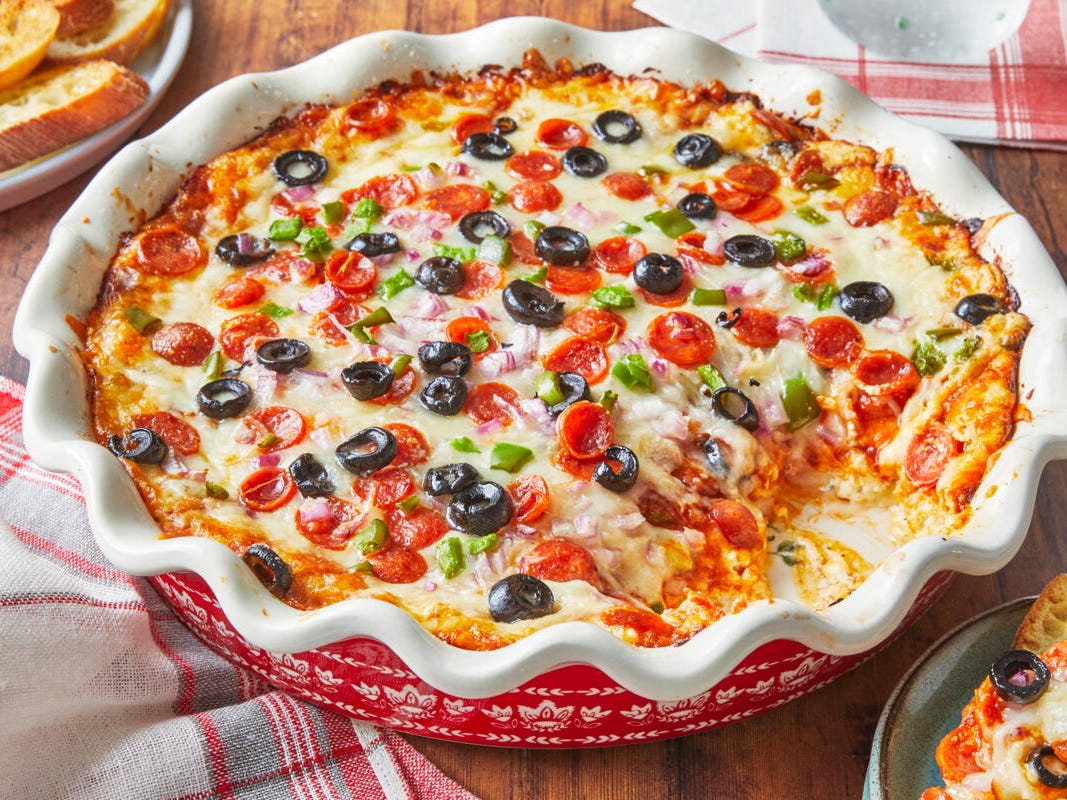
For a fresh contrast, serve this rich pasta with bitter greens dressed in lemon juice and olive oil. If you are planning an Italian-inspired spread, small portions of Pizza dip recipe 2104250 can work as a casual starter, while a crisp vegetable salad keeps the meal from feeling too heavy.
Questions & Answers
When is the best time to eat Baked Rigatoni With Bechamel Sauce Recipe2?
The best time to eat this baked rigatoni is immediately after its 5-minute resting period. The sauce remains hot and creamy, while the pasta has had enough time to settle so it serves more neatly. It also works well for a relaxed weekend lunch, family dinner, or make-ahead meal.
Can I prepare the rigatoni bake ahead of time?
Yes, you can assemble the casserole up to 24 hours ahead and refrigerate it covered. Let it sit at room temperature for about 20 minutes while the oven heats, then bake until the center is hot and the edges bubble. A chilled casserole may need an additional 10 to 15 minutes.
Why did my béchamel sauce turn lumpy?
Lumpy béchamel usually comes from adding milk too quickly or stopping the whisking early. Add the milk gradually, especially during the first minute, and whisk across the bottom and corners of the saucepan. If small lumps remain, pass the sauce through a fine strainer before adding the cheese.
Can I use mozzarella instead of fontina?
Yes, replace fontina with an equal amount of low-moisture mozzarella, but expect a milder flavor and stretchier topping. A useful combination is 1/2 cup mozzarella with 1/2 cup Parmesan. Avoid fresh mozzarella unless it is drained very well, because excess moisture can make the casserole watery.
How do I stop the pasta from becoming mushy?
Boil the rigatoni for about 5 minutes, or until the center is still distinctly firm. The pasta continues cooking in the 425°F oven as it absorbs béchamel. Draining it too late is the most common reason the finished casserole loses its texture.
Can I make this recipe without prosciutto?
Yes, simply omit the prosciutto for a vegetarian version. Add sautéed mushrooms, cooked spinach, or roasted vegetables in a similar amount if you want extra texture. Make sure vegetables are drained or cooked dry so they do not release water into the béchamel.
What should I serve with baked rigatoni?
Serve baked rigatoni with a crisp green salad, roasted broccoli, or lightly dressed bitter greens. A simple lemony salad is especially helpful because its acidity cuts through the buttery sauce. Warm bread is optional, but the pasta is already filling enough to stand as the main course.
More Recipes You Will Love
If you enjoy creamy, baked Italian dishes, try pairing this casserole with a fresh vegetable side and a small appetizer. The salty, bubbling pasta is rich enough that simple accompaniments work best.
For dessert, a batch of Sicilian almond cookies recipe adds a lightly crisp finish with a pleasant almond flavor. These cookies can be made ahead, so they are convenient when you are serving the rigatoni to guests.
Conclusion
This Baked Rigatoni With Bechamel Sauce Recipe2 is all about contrast: crisp golden cheese on top, tender pasta underneath, and a smooth sauce running through every tube. Keep the rigatoni very firm before baking, whisk the béchamel patiently, and rest the casserole briefly before serving. The result is a comforting Italian-inspired centerpiece that feels special without complicated techniques. If you make it, leave a rating or share how you adapted the filling.
FAQs
When is the best time to eat Baked Rigatoni With Bechamel Sauce Recipe2?
The best time to eat Baked Rigatoni With Bechamel Sauce Recipe2 is for a hearty dinner or a family gathering, when you want a warm, filling main dish. Because it is rich, it pairs well with a crisp green salad or steamed vegetables. Serve it hot from the oven while the top is still golden and the sauce is bubbling.
Can I make Baked Rigatoni With Bechamel Sauce Recipe2 ahead of time?
Yes, you can assemble the dish ahead, cover it, and refrigerate it for up to one day before baking. Because the pasta is only partly cooked, it may absorb more sauce as it sits, so stir in a splash of milk if it looks dry. Add about 10 minutes to the baking time when starting from cold.
How do I store and reheat leftover baked rigatoni?
Store leftovers in an airtight container in the refrigerator within two hours of cooking, and eat them within three to four days. To reheat, add a splash of milk, cover the dish with foil, and warm it in a 350°F oven until heated through. Individual portions can also be microwaved in short bursts, stirring between each one.
Why does my béchamel turn lumpy in baked rigatoni?
Lumps usually form when the flour is not cooked into the butter or when cold milk is added too quickly. Cook the butter and flour together briefly, then whisk in room-temperature milk gradually, stirring constantly until the sauce thickens. Straining the sauce through a fine sieve can smooth out any small lumps before you combine it with the pasta.
What can I substitute for fontina in baked rigatoni?
Mozzarella, Gruyère, or Emmental can replace fontina and melt into a similarly creamy texture. Choose a cheese that melts smoothly for the best results. Whole-wheat rigatoni also works in place of regular pasta, though it has a firmer, nuttier texture and may need a little extra milk.