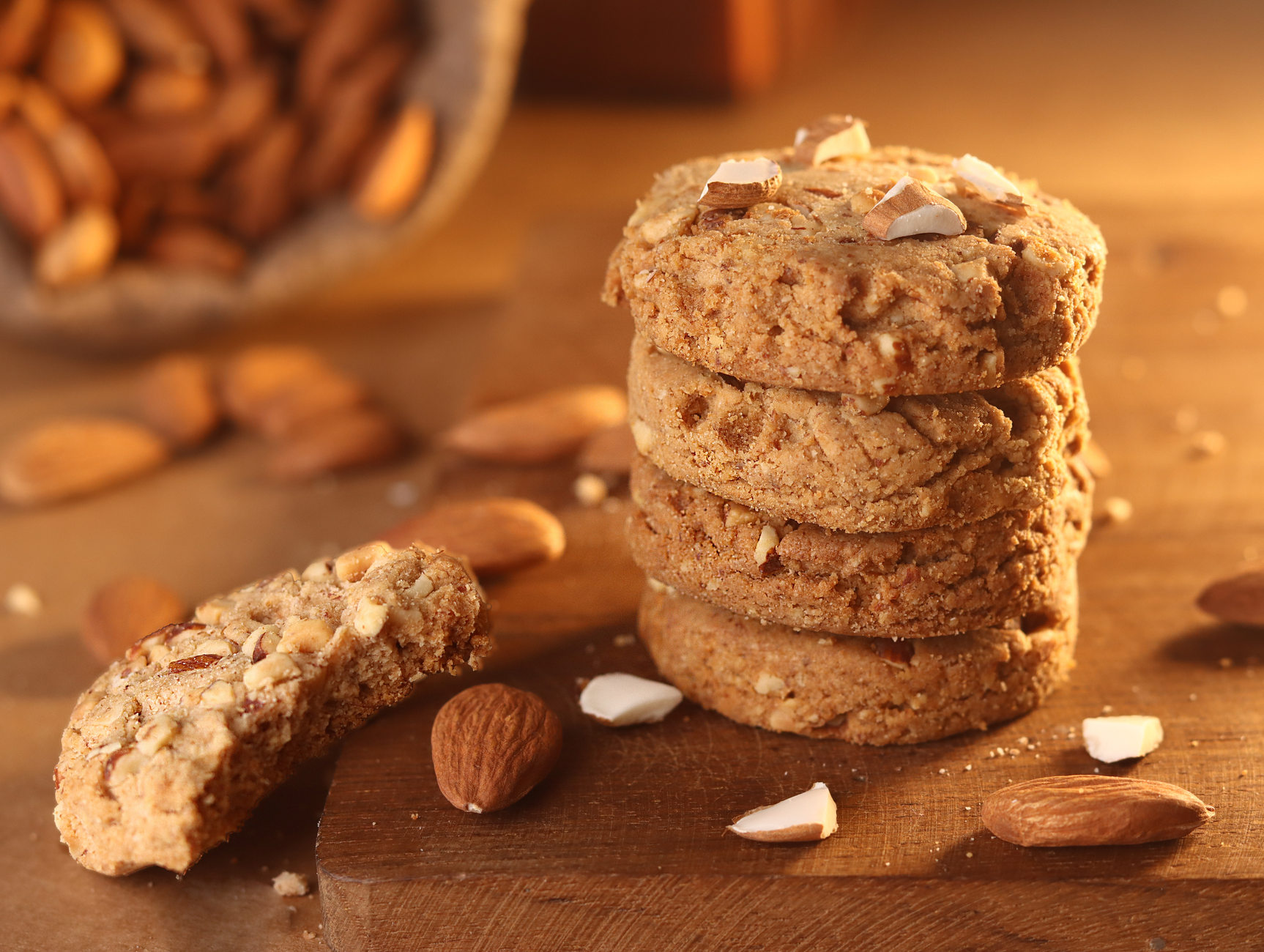
Looking for a quick, low‑carb treat that tastes like a bakery‑fresh cookie but only needs three pantry staples? You’re in the right place. This recipe uses just almond flour, maple syrup, and a splash of milk to deliver a chewy, buttery bite in under 20 minutes.
Why does it matter? Because you get a gluten‑free snack that fits a keto lifestyle, satisfies a sweet craving, and doesn’t require a trip to the store for a dozen extra ingredients. Let’s dive in and make the most of those three simple components.
Why It Works
Myth‑Busting Quick Facts
Many people assume that a good cookie needs butter, eggs, and a long shopping list. In reality, the fat and protein already packed into almond flour give you a naturally tender crumb, while maple syrup provides just enough sweetness without the need for refined sugar. The result? A cookie that feels indulgent yet stays lightweight.
How Three Ingredients Deliver
Almond flour’s fine texture mimics the crumb structure of traditional wheat flour, so you don’t lose that classic bite. Maple syrup, unlike high‑fructose corn syrup, adds a subtle caramel note and a modest amount of antioxidants. Finally, a splash of milk (dairy or plant‑based) binds everything together without adding extra carbs.
Nutrition Snapshot
Below is a quick look at what you’re actually eating per two‑cookie serving (based on USDA data):
| Nutrient | Amount |
|---|---|
| Calories | 120 kcal |
| Net Carbs | 4g |
| Protein | 3g |
| Fat | 10g (mostly monounsaturated) |
| Fiber | 2g |
Ingredient List
Core Ingredients
1 cup almond flour
1 cup pure maple syrup (or, for a keto switch, a blend of erythritol and monk fruit)
2 tablespoons milk of choice (almond, oat, dairy, or soy)
Smart Swaps
If you’re tracking carbs strictly, replace the maple syrup with a cup keto‑friendly sweetener blend. The texture stays the same, but the net carbs drop from about 4g to under 1g per serving. Want to keep it vegan? Stick with plant‑based milk and ensure the maple syrup is 100% pure, no added honey.
What You Need
A mixing bowl, silicone spatula, parchment‑lined baking sheet, and a reliable oven thermometer. Those tools keep the process tidy and the cookies evenly baked.
Pro Tip
Before you measure the almond flour, give it a quick toast in a dry skillet for 2–3 minutes. This small step prevents a dense cookie and gives a nuttier flavor.
Step‑by‑Step
Mixing the Dough
Start by whisking the almond flour and maple syrup together in a bowl. The mixture will look crumbly at first—don’t panic. Add the milk slowly, scraping the sides with a spatula until a soft, slightly sticky dough forms. Overmixing isn’t a concern here; the dough is forgiving.
Shaping & Baking
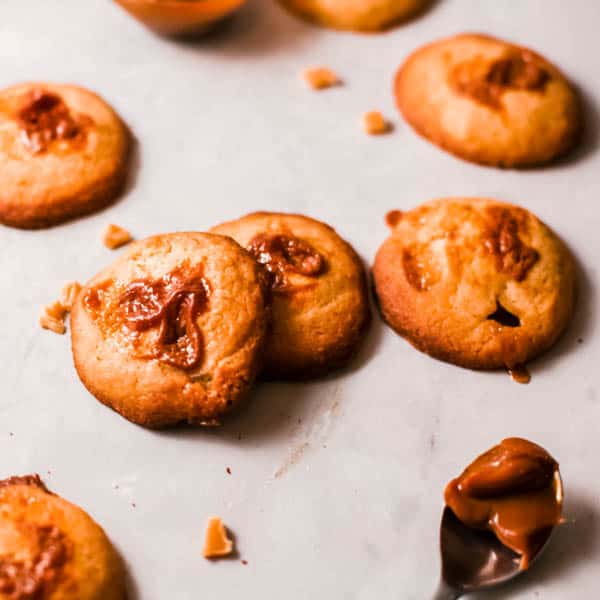
Scoop about a half‑teaspoon of dough (you can use a small cookie scoop or a teaspoon). Place the scoops on the parchment, then flatten each gently with the back of a fork. Bake at 350°F (175°C) for 12–15 minutes, until the edges turn a light golden brown.
Optional Add‑Ins
Feel free to experiment: a pinch of sea salt can heighten the sweetness, a dash of vanilla extract adds depth, or a handful of mini chocolate chips gives that extra indulgence. If you’re looking for another low‑carb treat, try this healthy banana bread with oats. For an Italian twist, stir in a teaspoon of almond extract and a bit of lemon zest for a fresh flavor.
Troubleshooting
Flat cookies? Chill the dough for 10 minutes before shaping. Burnt edges? Lower the oven to 325°F or line the tray with a silicone baking mat. Every oven behaves a little differently—trust your senses.
Benefits & Risks
Almond Flour Power
Almond flour is rich in monounsaturated fats, vitamin E, magnesium, and fiber. Those nutrients support heart health, steady blood sugar, and satiety—perfect for anyone looking to stay full between meals.
Maple Syrup vs. Keto Sweeteners
Maple syrup carries a glycemic index around 54, which is moderate and far lower than refined sugar. It also contains trace minerals and antioxidants. If you choose a keto sweetener, you’ll see an even lower glycemic impact, but you’ll miss those subtle maple notes.
Allergy & Health Notes
Because the recipe is nut‑based, it’s not suitable for those with tree‑nut allergies. In that case, you can swap almond flour for sunflower‑seed or pumpkin‑seed flour—just expect a slightly different flavor and texture. Also, remember that while the cookies are low‑carb, they are calorie‑dense, so portion control matters if you’re watching weight.
Variations
Keto Version
Replace the maple syrup with 1 cup of a blend of erythritol and monk fruit liquid. Use unsweetened almond milk. The macro breakdown per serving drops to roughly 1g net carbs while keeping the buttery mouthfeel.
Vegan Friendly
The original recipe is already vegan if you stick with plant‑based milk and pure maple syrup. No need to change anything—just double‑check the label on your syrup.
Italian Twist
Add a teaspoon of almond extract and the zest of a small lemon. After baking, dust the cookies lightly with powdered erythritol for a snowy‑capped look reminiscent of Italian pastries. The citrus brightens the natural almond flavor.
Recipe Comparison
| Recipe | Ingredients | Prep Time | Net Carbs | Texture |
|---|---|---|---|---|
| 3‑Ingredient Classic | Almond flour, maple syrup, milk | 10 min | 4g | Chewy, buttery |
| 4‑Ingredient Keto | Almond flour, erythritol blend, milk, vanilla | 12 min | 1g | Soft, slightly drier |
| 2‑Ingredient Quick | Almond flour, banana (as sweetener) | 5 min | 5g | More cake‑like |
Expert Tips & Stories
Pro Baker Advice
According to a pastry instructor at the Culinary Institute of America, the key to crackly edges, chewy centre lies in a short, high‑heat bake followed by a brief cooling period on the sheet. This helps the exterior set quickly while the interior stays moist.
Real‑World Experiences
One busy mom of three swears by this batch‑cook method: she makes a double tray on Sunday, stores the cookies in an airtight container, and grabs two for the kids after‑school snack. She says the kids never notice the healthy label, and she feels good about the nutrient profile.
Sources & Credibility
Nutrition facts are pulled from USDA FoodData Central, and flavor insights come from The Conscious Plant Kitchen, a trusted source for plant‑based recipes.
Serving & Storage
Best Pairings
Enjoy these cookies with a steaming mug of loose‑leaf tea, a cold glass of almond milk, or even a scoop of vanilla‑bean Greek yogurt for a protein boost. For a refreshing snack that stays diabetic‑friendly, check out this diabetic milkshake recipe. The subtle sweetness pairs especially well with earthy herbal teas.
Storing Right
Let the cookies cool completely, then layer parchment between each layer in an airtight container. At room temperature they stay fresh for three days; refrigerate for up to a week, or freeze for a month. When you’re ready to eat, a quick 10‑second microwave warm‑up revives the softness.
Conclusion
In just three simple ingredients, you’ve got a versatile, low‑carb snack that can be tweaked for keto, vegan, or even a sunny Italian flair. The combination of almond flour’s healthy fats, maple syrup’s natural sweetness, and a splash of milk creates a cookie that feels indulgent without the guilt. Give the recipe a try, experiment with the variations, and share your favorite version with friends. If you love the ease and flavor of these cookies, you’ll find countless other easy almond‑flour treats waiting to be explored—because good food should always be simple, tasty, and shared.
FAQs
What ingredients do I need for these cookies?
You only need almond flour, pure maple syrup (or a keto‑friendly sweetener), and a splash of milk (dairy or plant‑based).
Can I make these cookies vegan?
Yes—use plant‑based milk and ensure the maple syrup is 100 % pure with no added honey.
How long can I store the finished cookies?
At room temperature they stay fresh for 3 days, in the fridge up to a week, or freeze for about a month.
What’s the best way to keep the cookies chewy?
Bake at a slightly higher temperature for a short time, then let them cool on the baking sheet for a few minutes before transferring.
Can I swap almond flour for another flour?
You can use sunflower‑seed or pumpkin‑seed flour for a nut‑free version, though the texture and flavor will change slightly.