A child with a sore throat often feels uncomfortable and refuses to eat or drink. Knowing exactly what to give a child with a sore throat can make all the difference in easing their pain and helping them recover faster. Simple, gentle remedies bring soothing relief without upsetting delicate little tummies. Lets explore easy-to-find ingredients and methods that comfort your child and keep hydration steady during this tricky time.
Why This Recipe Works
How Soothing Remedies Help Ease Throat Pain
Relief for sore throats depends a lot on hydration, gentle textures, and ingredients that dont irritate sensitive tissues. Cold or warm liquids reduce inflammation, while soft foods reduce strain from swallowing. Natural ingredients like honey (for kids over 1 year) add a calming coating to the throat. These remedies focus on comfort rather than complex treatments, making them perfect for daily care at home.
Ingredients That Are Gentle Yet Effective
Simple, familiar flavors help children accept foods and drinks when they‘re uncomfortable. Clear fluids, soft purees, and mild flavors reduce chances of gagging or refusing intake. Avoiding acidic or spicy items protects sensitive throat linings during healing. Keeping things plain but tasty improves appetite and hydration, two key factors in quicker recovery.
Why Simple Ingredients Matter
Childrens bodies and immune systems react differently than adults. Minimizing additives and allergens means fewer stomach upsets. Plus, home-prepared remedies let you control sugar and salt levels while avoiding preservatives or artificial colors. This makes your childs soothing treats safer and more healthful without sacrificing flavor or comfort.
Ingredients & Supplies
| Prep time | Total time | Servings | Calories | Diet tags |
|---|---|---|---|---|
| 10 minutes | 10 minutes | 1 child | 50100 per serving | Gluten-free, dairy-free option, vegan |
Best Fluids & Foods for Sore Throat Relief
- Water and diluted fruit juices (100% apple or white grape)
- Warm herbal teas like chamomile or mild ginger (cooled to lukewarm)
- Honey (for children over 1 year old) to soothe irritation
- Ice pops made from pure fruit juice or diluted electrolyte drinks
- Soft foods like applesauce, yogurt, mashed potatoes, and oatmeal
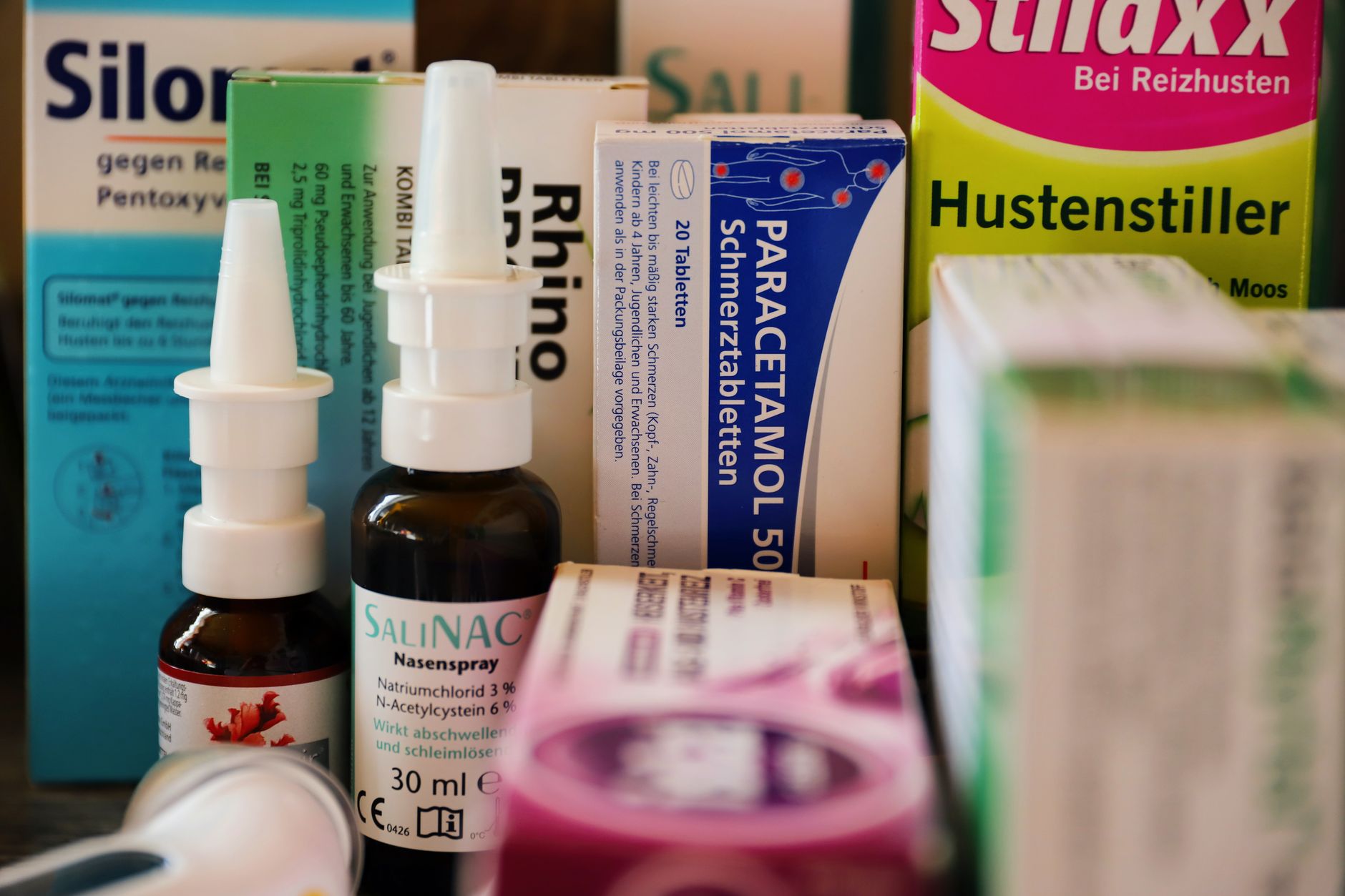
Over-the-counter pain relievers such as ibuprofen or acetaminophen can be given as directed by your pediatrician. Avoid aspirin in children due to the risk of Reyes syndrome.
Age-Appropriate Remedies Comparison
| Remedy | Under 1 Year | 1 to 3 Years | 4 Years and Up |
|---|---|---|---|
| Honey | NO | YES - small amounts | YES |
| Lozenges | NO | NO | YES - sugar-free preferred |
| Ice Pops | YES - finely crushed ice or diluted juice only | YES | YES |
| Ibuprofen/Acetaminophen | Check pediatric dose | YES - dose by weight | YES |
Where to Find Ingredients
Most items come from your pantry or local grocery stores. Look for 100% natural juices without added sugar. Herbal teas should be labeled caffeine-free and mild. For quality honey, a local or organic option is best. When buying over-the-counter medicines, check the expiration date and pediatric dosing charts.
Step-by-Step Instructions
Prepare Cold or Frozen Liquids Safely
Freeze 100% fruit juice in silicone ice pop molds. Use small portions sized for your childs age (about 23 oz per pop). Freeze for at least 4 hours or overnight. If frozen juice pops are not an option, crushed ice dissolved into water can offer cooling relief without choking risk for younger kids.
Offer Warm Soothing Drinks Carefully
Brew herbal tea with one chamomile tea bag steeped in 8 oz boiling water for 5 minutes. Remove bag and let cool to lukewarmaround 98F (37C)before serving. Stir in a teaspoon of honey for children older than 1 year. Serve in a spill-proof cup or sippy to avoid burns and spills.
Administer Over-the-Counter Medicines Properly
Use a medicine syringe or dosing cup. Follow weight-based dosage instructions on the label or your pediatricians guidance. For example, ibuprofen generally doses at 10mg/kg every 6-8 hours, not exceeding four doses a day. Measure accurately to avoid under or overdosing. Never mix medication with formula or milk, as absorption may vary.
Encourage Fluids When Kids Refuse to Drink
- Offer small sips often rather than large amounts at once.
- Use flavored ice pops or chilled broth cups for interest.
- Try fun straws or favorite cups to entice drinks.
- Maintain a calm environment without pressure to avoid resistance.

Variations & Dietary Swaps
Adjust for Allergies or Dietary Needs
If your child is allergic to honey, a small spoonful of pure maple syrup can coat the throat but is less studied. For dairy sensitivity, swap yogurt with coconut- or oat-based alternatives that are smooth and mildly sweet. Gluten-free options for thickened soups or mashed foods include potatoes or rice porridge. Avoid citrus juices if the childs throat stings.
Healthy Alternatives for Sensitive Teeth
If sugary treats bother your childs teeth, try frozen mashed bananas sliced thin and eaten like soft popsicles. Another option is chilled cucumber or watermelon cubes, which hydrate and soothe gently. Remember to supervise all frozen treats to prevent choking.
Serving Suggestions
Soft Foods That Pair Well
- Mashed potatoes with a touch of olive oil or mild butter
- Plain or lightly sweetened applesauce
- Creamy oatmeal cooked well and served lukewarm
- Yogurt with a swirl of honey or pure fruit puree
- Scrambled eggs with soft cheese for protein
Tricks to Help Kids Eat
Play with temperature contrastsa cool ice pop followed by warm pudding may feel comforting. Serve foods in small, colorful bowls or fun shapes. Spoon-feed gently when the child is too tired to self-feed. Keep mealtimes calm and short to avoid fatigue during recovery.
Storage & Reheating Tips
Safe Storage of Homemade Remedies
- Keep frozen ice pops sealed in airtight containers for up to 2 weeks.
- Refrigerate brewed teas or broths in sealed containers for 24 hours maximum.
- Discard any leftovers beyond these times to avoid bacterial growth.
Reheating Without Losing Benefits
Reheat soups or teas gently on the stovetop over low heat for 23 minutes or until just warmed to about 98F (37C). Avoid microwaving to prevent hot spots and maintain nutrient integrity. Stir liquids before serving to check even temperature.
Make-Ahead Prep for Busy Parents
Freeze juice pops in batches at the start of the week. Keep a supply of pre-measured doses of pain relievers in a medicine organizer. Pre-cook and cool oatmeal or purees for quick warming. This way, youll have soothing options ready without extra stress during a sick day.
Troubleshooting & Pro Tips
When to Seek Medical Advice
If your child has a sore throat accompanied by a high fever above 102F (39C), difficulty swallowing, drooling, or swollen glands, contact your pediatrician immediately. These could be signs of bacterial infection or other conditions requiring treatment.
Handling Refusal to Drink or Eat
Offer fluids in fun, new containers or frozen treats to encourage swallowing. Avoid forcing food or drink; instead, try again after a short break. Sometimes distraction like storytelling or gentle play during feeding helps distract from discomfort.
Safe Alternatives to Lozenges for Young Children
Since choking is a real risk, children under 4 should not use lozenges. Instead, offer smooth, cold popsicles or cooled herbal teas with honey. Sucking on chilled soft foods can mimic the soothing action without hazards.
Realistic Overnight Relief Tips
While sore throats rarely vanish overnight, a warm drink before bed combined with a dose of acetaminophen or ibuprofen can reduce pain to help your child sleep better. For more detailed ideas, check out what kills a sore throat fast overnight for kids.
Balancing Flavors for Kids
Children favor mild tastes but appreciate small twists. Adding a pinch of cinnamon to warm oatmeal or a drop of vanilla to yogurt enhances flavor without overwhelming delicate throats. Test small amounts before serving fully.
Preserving Nutrients in Homemade Soothers
Use fresh ingredients and avoid overcooking. For example, steep herbal teas just long enough to extract flavors without bitterness. Freeze fruit juices quickly to retain vitamins that soothe and support immunity.
Frequently Asked Questions
When is the best time to give a child with a sore throat cold treats?
Cold treats work best shortly after the child first complains of throat pain or after meals to soothe swallowing. Offering ice pops or chilled juices can provide instant cooling and reduce inflammation, especially during the day when soreness worsens.
Can I give my 2-year-old honey or lozenges for sore throat relief?
Honey is safe for children over 1 year old and can coat the throat to ease irritation. Avoid lozenges for toddlers under 4 years due to choking risks. Instead, provide cold drinks or frozen purees for gentle relief.
How do I know when sore throat medicine for kids is necessary?
Use pain relievers if your child is visibly uncomfortable, has difficulty swallowing, or has a fever above 100.4F (38C). Always follow dosing instructions and consult a pediatrician if unsure.
What if my child has a sore throat but no fevershould I still treat?
Yes, even without fever, sore throat pain can make eating and sleeping difficult. Offer soothing fluids and soft foods to keep your child comfortable and hydrated during recovery.
Are there any home remedies specifically effective for a 3-year-old?
At age 3, diluted fruit juice ice pops, warm chamomile tea with honey, and soft purees like applesauce are excellent options. Small doses of pediatric pain relievers can help if approved by your pediatrician.
Can sore throats go away faster with overnight remedies?
Overnight remedies can ease symptoms enough for better rest but dont cure the cause immediately. Encourage calm sleep environments, warm fluids before bed, and pediatric pain medicine as needed for improved recovery.
Is there a risk giving children too much fluid during a sore throat?
Its rare, but offering excessive fluid can cause gagging or vomiting if given too quickly. Small, frequent sips or spoon-feeding cold treats reduces this risk and ensures comfortable hydration.

More Recipes Youll Love
For a sweet ending to a comforting day, try Dads favorite coconut cream pie 5644931. Its creamy, smooth, and gentle enough for kids recovering from a sore throat.
If you‘re curious about kitchen staples and their health benefits, check out Which salt is good for diabetes for a helpful guide on choosing salts wisely.
Conclusion
Knowing exactly what to give a child with a sore throat turns those painful days into manageable ones. Simple, soothing remedies help ease discomfort and keep little ones hydrated and nourished. Try these gentle ideas and watch your child regain their smile. Feel free to share your own tips or ask questions in the comments belowyour experience could help another parent in need.
FAQs
When is the best time to drink or eat what to give a child with a sore throat?
Cold treats work best shortly after your child complains of throat pain or after meals to soothe swallowing. Offering ice pops or chilled juices during the day helps reduce inflammation and provides instant cooling relief when soreness is worse.
Can I give my 2-year-old honey or lozenges for sore throat relief?
Honey is safe for children over 1 year old and can soothe throat irritation. However, lozenges should be avoided in children under 4 years due to choking risks. Instead, provide cold drinks or soft frozen treats for gentle relief.
How do I know when sore throat medicine for kids is necessary?
Use pain relievers if your child is visibly uncomfortable, has difficulty swallowing, or a fever over 100.4°F (38°C). Always follow dose guidance and consult your pediatrician if unsure about medication use.
What if my child has a sore throat but no fever—should I still treat it?
Yes, even without a fever, sore throat pain can interfere with eating and sleeping. Offer soothing fluids and soft foods to keep your child comfortable, hydrated, and nourished during recovery.
Are there any home remedies specifically effective for a 3-year-old?
For a 3-year-old, diluted fruit juice ice pops, warm chamomile tea with honey, and soft purees like applesauce are excellent choices. Small doses of pediatric-approved pain relievers can also help if recommended by your doctor.