Introduction
When youre battling fever and cough, choosing the right foods can make a huge difference. Knowing what to eat in fever and cough helps soothe irritation and provides your body with gentle, easy-to-digest nourishment. The best foods for fever and cough focus on hydration, immune support, and comfort. This guide shares simple, effective food ideas and recipes that bring relief and nourishment during illness.
Key Highlights
Why foods matter in fever and cough
The foods you eat during illness impact more than just your hunger. Soothing broths and teas hydrate and calm inflamed tissues, reducing cough irritation. Warm liquids also help clear congestion, making breathing easier. Nutrient-rich choices packed with vitamins and antioxidants boost your immune system, helping your body fight infection faster. Avoiding foods that irritate the throat or are hard to digest can prevent worsening symptoms. Choosing the right meals is both comforting and practical when you want relief from cold symptoms.
Safety and special precautions
While many foods help with recovery, certain groups should be cautious. Pregnant women, young children, and those taking medications should consult a healthcare professional before trying potent herbs or supplements. Some ingredients can interact with medications or cause allergies. Listening to your body and medical advice ensures safe nutrition during illness.
Immune-boosting meals vs generic advice
This approach goes beyond generic lists by combining traditional remedies with scientific insights. Focus is on cooking methods for easy digestion and using dietary options for illness that relieve symptoms gently. The goal is to offer meals that feel good, nourish well, and support your immune defenses naturally.
Ingredients & Preparation
| Prep time | Total time | Servings | Calories | Diet tags |
|---|---|---|---|---|
| 10 minutes | 30 minutes | 2 | 180 per serving | Dairy-Free, Gluten-Free, Easy Digest |
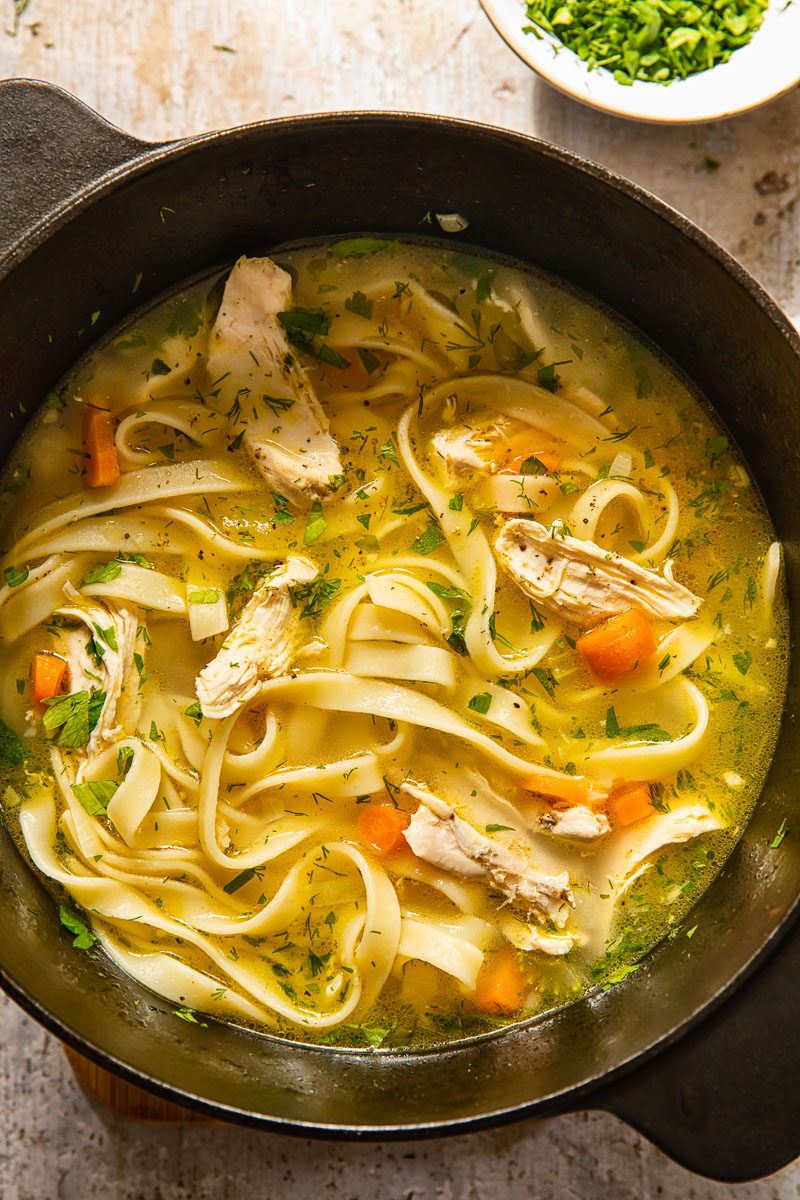
Ingredient list for soothing chicken broth, ginger tea, and honey-lemon mix
- 1 small organic chicken breast (or 1 cup sliced mushrooms for vegetarian)
- 2 carrots, peeled and chopped
- 2 celery stalks, chopped
- 1 small onion, quartered
- 1-inch piece fresh ginger, peeled and thinly sliced
- 2 cloves garlic, peeled (optional)
- 1 lemon, juiced
- 2 tablespoons raw honey (use local honey if possible)
- 1 liter filtered water
- Fresh parsley or thyme sprigs (optional)
- Salt and pepper to taste (see note below)
Substitutions: Replace chicken with vegetable broth or mushrooms for a vegetarian version. Use powdered ginger if fresh is unavailable (expect milder spice). For allergy-friendly options, omit garlic or use garlic-infused oil.
Equipment needed
- Medium soup pot
- Tea infuser or small saucepan for brewing tea
- Fine mesh strainer
- Glass containers for storage
Choosing fresh healing ingredients
Select firm, bright ginger with smooth skin. Organic lemons ensure more potent antioxidants and fewer chemicals. Using quality raw honey enhances both flavor and immune benefits. Fresh herbs like thyme or parsley add gentle flavor and subtle nutrients.
Step-by-Step Instructions
Step 1 Prepare ingredients
Rinse all vegetables under cold water. Peel the ginger and slice thinly (about 1/8-inch thick). Wash the lemon before juicing. Chop carrots and celery into small pieces, roughly -inch, to maximize nutrient release during cooking.
Step 2 Simmer the broth
In a medium pot, add chicken breast, carrots, celery, onion, garlic, and parsley sprigs. Pour in 1 liter of filtered water. Bring to a gentle boil over medium-high heat, then reduce heat to low and simmer uncovered for 20 minutes. For vegetarian broth, substitute mushrooms and follow the same cooking time.
Step 3 Brew ginger tea
While broth simmers, bring 2 cups of filtered water to a boil in a small saucepan. Add sliced ginger and simmer on medium heat for 10 minutes. Remove from heat and strain the tea into a mug.
Step 4 Finish and serve
Strain the broth through a fine mesh sieve into a heatproof bowl. Discard solids or save vegetables for another use. Stir lemon juice and 1 tablespoon of honey into the warm tea. Add salt and pepper to taste in broth and tea if desired. Serve the warm broth and ginger tea alongside each other for best relief.
You can store leftovers right away in airtight glass containers. Refrigerate within 2 hours to keep fresh.

Variations & Substitutions
Vegetarian-friendly broth
Replace chicken breast with 1 cup of cremini or shiitake mushrooms. Simmer with the same vegetables for a rich umami flavor that soothes and nourishes just as well.
Powdered ginger alternative
If fresh ginger is not an option, use 1 teaspoon powdered ginger for tea. It will offer a milder, earthier flavor and slightly less pungent health benefits but still helps with congestion and digestion.
Flavor adjustments
Add more or less lemon juice to shift tanginess. Increase honey gradually to soothe throat irritation. For a warming spice boost, sprinkle in a small pinch of cinnamon or cloves while brewing your tea.
Storage & Shelf Life
Refrigeration
Store broth and tea in sealed glass containers. Refrigerate for up to 4 days to keep flavors fresh and avoid bacterial growth. Always cool completely before sealing.
Freezing tips
Freeze broth and ginger tea in ice cube trays for portion control. Transfer cubes to freezer bags after solidification. Thaw cubes overnight in the fridge before reheating gently. Freeze up to 2 months for best quality.
Make-ahead suggestions
Double or triple recipes to batch cook. Mark container labels with date and variation notes for easy meal prep. This helps you stay nourished through longer periods of illness without daily cooking.
Pro Tips & Troubleshooting
Prevent staining your hands
Ginger and turmeric can stain skin and nails. Wear disposable gloves or rub lemon juice on hands after handling to reduce yellow discoloration.
Fix bitter taste
If your broth or tea tastes bitter, it may be due to over-steeping ginger or using too much raw root. Reduce steeping time to 57 minutes or use thinner slices next time.
Enhance nutrient absorption
Add a pinch of freshly ground black pepper to your broth or tea. According to a 2023 study in the Journal of Nutritional Biochemistry, piperine in pepper enhances the absorption of beneficial compounds like curcumin, improving overall effectiveness.
Balance flavors
Start with modest amounts of lemon and honey, adjusting gradually to your taste. Too much acidity can irritate the throat, while excessive sweetness may cause mucus buildup.
Which juice is good for fever and cough?
Drinking fresh citrus juices such as orange, lemon, and pineapple can provide vitamin C and natural enzymes that help fight infection. Stay away from overly sugary or carbonated juices that may worsen throat irritation. For a gentle option, mix warm lemon water with honey for a soothing drink.
When is the best time to eat or drink soothing foods for fever and cough?
Warm broths and teas are ideal in the morning and early evening. Drinking on a mostly empty stomach helps your body absorb nutrients efficiently. Drinking frequently in small sips throughout the day maintains hydration and soothes your throat continuously.
Can I make a large batch ahead of time?
Yes, broth and teas store well refrigerated for 3 to 4 days and can be frozen up to 2 months. Preparing in bulk saves effort on tougher days and ensures you always have nourishing fluids ready.
Is fresh ginger better than powdered ginger?
Fresh ginger offers a brighter, more pungent flavor and contains higher levels of beneficial volatile oils. Powdered ginger works in a pinch but is less aromatic and slightly milder in therapeutic effects.
Is this diet safe for pregnant women, children, or those on medication?
Consult your healthcare provider before introducing strong herbs like ginger or large quantities of honey, especially if pregnant, nursing, or medicated. Generally, mild broths and teas without potent ingredients are safe for most people.
How often can I consume these soothing foods?
You can enjoy warm broths and teas 23 times daily, adjusting portion sizes according to appetite and tolerance. Regular hydration supports faster healing and eases cough discomfort.
Why does my broth or tea taste bitter sometimes?
Bitter flavors often come from oversteeping the ginger or using too much fresh root. Next time, reduce steeping time or slice ginger more thinly to avoid sharp bitterness.
What foods complement these remedies well?
Light options like plain toast, rice porridge, or steamed vegetables pair nicely with soothing broths and teas. They provide easy digestion and mild flavors that wont aggravate symptoms.

For those curious about which juice is good for fever and cough, citrus blends and homemade lemon-honey waters are excellent choices. They offer natural vitamins and a soothing touch to inflamed throats.
If you enjoy experimenting with flavors, check out the Molho de piri piri portuguese hot red pepper sauce recipe 1964739 for a fiery kick once recovered.
More Recipes You Will Love
Healing Chicken Soup for Cold and Flu
This comforting broth-based recipe is packed with immune-boosting ingredients. Its gentle cooking techniques preserve nutrients and flavor, perfect for easing cold symptoms.
Immunity-Boosting Citrus Smoothies
Start your day with a vitamin-packed morning drink. These refreshing smoothies blend citrus fruits that support your immune system naturally and taste delicious.
Winter Wellness Teas
Try seasonal blends combining herbs, spices, and citrus to soothe and support overall health during cold seasons. These teas offer both comfort and nourishment.
Conclusion
Understanding what to eat in fever and cough significantly improves comfort and recovery. Warm broths, ginger tea, and honey-lemon mixes hydrate, soothe the throat, and provide immune support. Try these gentle, easy recipes when you feel under the weather and notice the calming effect they bring. Share your favorites in the comments and consider trying the Healing Chicken Soup recipe next for continued relief.
FAQs
When is the best time to drink or eat what to eat in fever and cough?
Warm broths and teas are best consumed in the morning and early evening on a mostly empty stomach. Sipping frequently in small amounts throughout the day keeps you hydrated and continuously soothes throat irritation.
Is fresh ginger better than powdered ginger for fever and cough?
Yes, fresh ginger provides a brighter flavor and contains more volatile oils with stronger therapeutic effects. Powdered ginger is a good substitute but offers milder taste and health benefits.
Can pregnant women or children safely consume these soothing foods?
Pregnant women, young children, and those on medication should consult a healthcare provider before using strong herbs or large amounts of honey to avoid potential allergies or interactions. Mild broths and teas are generally safe for most.
How long can I store homemade chicken broth and ginger tea?
Store in sealed glass containers refrigerated for up to 4 days or freeze for up to 2 months. Always cool completely before sealing to prevent bacterial growth and preserve flavor.
What foods complement broths and teas during fever and cough?
Light, easy-to-digest foods like plain toast, rice porridge, and steamed vegetables pair well. They provide gentle nourishment without irritating the throat or digestive system.