Hey there, fellow forest wanderer! If youve just stumbled on a bright orangebrown mushroom under a stand of aspens, youre probably looking at an Aspen Bolete but you might also be eyeing a tricky lookalike. The difference between a delicious addition to your stew and a gutracking, unpleasant evening can hinge on a few tiny details. Below, Im breaking down everything you need to know, from those telltale field marks to safe cooking tricks, all in a friendly, chatovercoffee style.
Quick ID Checklist
What does an Aspen Bolete look like at a glance?
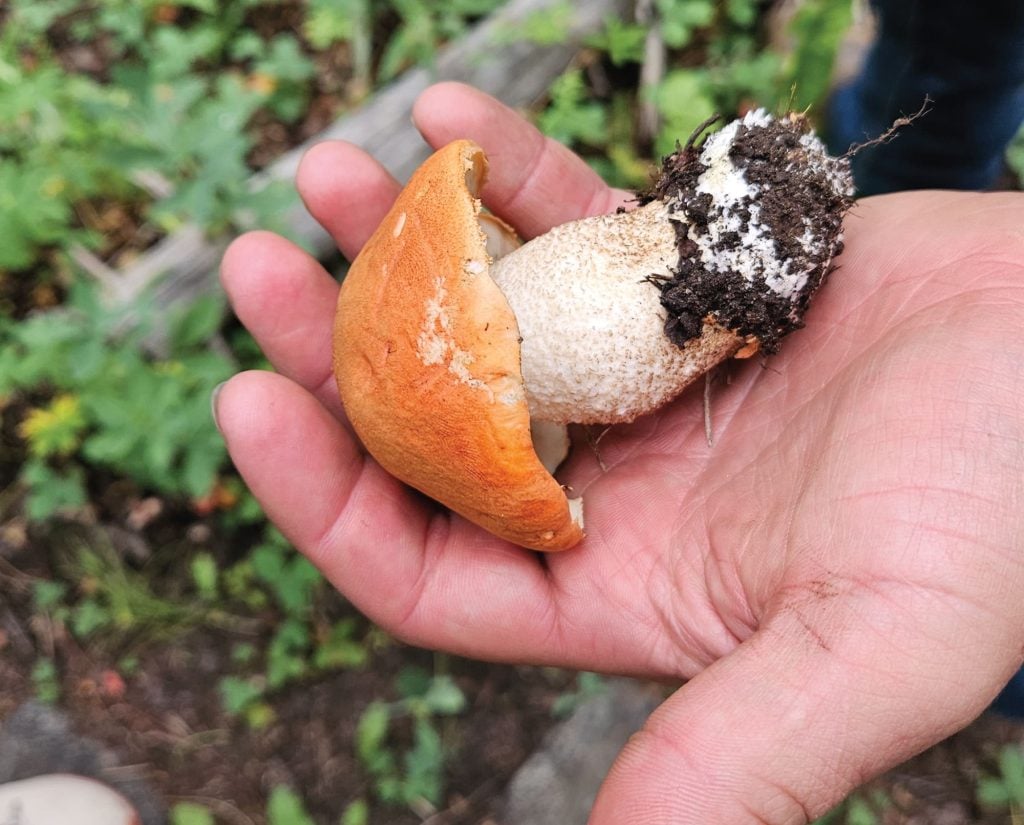
The cap is usually a warm orangebrown, dry to the touch, and covered in fine fibers that give it a slightly velvety feel. The stalk (or stipe) is the star of the show: short, stout, and plastered with tiny, raised scales thats the classic scaber texture mycologists love to point out.
How do I test the bruising colour?
Gently press a fingertip or a small knife tip against the cap or the tube layer beneath it. Within a couple of minutes you should see a colour shift to a muted olivebrown or even a soft gray. If the bruising turns purplegrey, youre probably looking at a Birch Bolete instead.
Where does it grow?
True to its name, the Aspen Bolete only shows up under Aspen trees (Populus tremuloides). It loves welldrained, slightly acidic soil thats still moist from a recent rain. Youll often find it popping up in late summer through early fall, especially after a good downpour.
MiniChecklist (quick copypaste for your pocket)
- Cap: 515cm, orangebrown, dry, nonslimy.
- Stalk: 410cm, whitecream turning yelloworange, densely covered in tiny scales (scaber).
- Bruising: olivebrown gray (within minutes).
- Habitat: Aspen stands, loamy soil, moist, late summerearly fall.
When youre out there, keep this list on a scrap of paper or in your phone notes. Its amazing how much confidence a simple checklist can give you in the field.
LookAlike Comparison
Aspen Bolete vs. Birch Bolete
Both belong to the Leccinum genus, so they share that scaly stalk vibe, but the Birch Bolete (Leccinum scabrum) prefers birch trees and bruises a distinctly purplegrey colour. Its cap is usually a darker brown, and the scales on the stalk tend to be more pronounced and darker.
Aspen Bolete vs. King Bolete
The King Bolete (Boletus edulis) is the prized culinary giant. Its larger, has a smooth, thick stalk without scales, and bruises brown rather than olive. If you see a massive cap and a smooth, hefty stem, youre dealing with the king, not the kings cousin.
Aspen Bolete vs. Orange Birch Bolete
Orange Birch Bolete looks tempting a vivid orange cap that can fool the eye. However, its stalk often has a reddish base and it grows under birch, not aspen. The bruising here leans toward a reddishbrown rather than olive.
Are any lookalikes toxic? (Leccinum poisoning)
Most Leccinum species are considered edible, but a handful have caused mild gastrointestinal upset when eaten raw or undercooked. The real danger comes from misidentifying a toxic species that merely looks similar. For safety, always cook your finds thoroughly and start with a small portion.
| Feature | Aspen Bolete (L.insigne) | Birch Bolete (L.scabrum) | King Bolete (B.edulis) |
|---|---|---|---|
| Cap colour | Orangebrown, fibrillose | Darker brown, smoother | Dark brown, glossy |
| Stalk | Short, dense scales (scaber) | Similar scales, darker | Smooth, thick |
| Bruise colour | Olivebrown gray | Purplegrey | Brown black |
| Host tree | Aspen | Birch | Conifers & hardwoods |
| Edibility | Good when cooked | Good when cooked | Prime edible |
Having a sidebyside comparison like this right on your phone can turn a confusing moment into an aha! moment.
Edibility & Safety
Is the Aspen Bolete truly edible?
Yes! When cooked properly, Aspen Bolete offers a mellow, nutty flavor that pairs beautifully with butter, garlic, or a splash of cream. USDA lists it among the safe, edible boletes, provided you follow basic cooking guidelines.
Cooking tips to avoid stomach upset
Never eat it raw. Slice the mushroom, bring a pot of water to a rolling boil, and let the pieces simmer for at least 15 minutes. Drain the water (it carries any lingering compounds), rinse, then finish the mushrooms in a hot pan with a dab of butter or oil. This doublecooking method is the secret behind many foragers smooth stomachs.
Symptoms of mild Leccinum poisoning
If you accidentally eat undercooked boletes, you might feel a bit of nausea, cramping, or watery diarrhea. Usually the symptoms subside within 24 hours, but its never worth the gamble. If you ever feel severely ill, seek medical help right away.
When to say no redstalked or brightred caps
Any bolete that sports a bright red or pinkish stalk is a red flag. Those colours often belong to the Rubroboletus group, many of which are known to cause serious poisoning. When in doubt, leave it on the forest floor.
Safety Checklist Before You Cook
- Confirm the host tree is aspen.
- Inspect the stalk for dense, tiny scales.
- Perform the bruising test look for olivebrown.
- Cook for a minimum of 15 minutes, discard the first boil.
- Start with a small tasting portion and wait 30minutes.
Following these steps turns a potential risk into a delicious, confidenceboosting experience.
Foraging Tips
When is the prime season?
MidJuly to early October is my sweet spot. The mushrooms love a good rain a couple of inches a week will make the forest floor just moist enough for fruiting bodies to pop up.
How to harvest without damaging the mycelium?
Use a clean, sharp knife to cut the stalk right above the soil line. Avoid yanking the mushroom out; youll damage the underground network that will produce next years harvest.
What gear should you bring?
A sturdy basket (instead of a plastic bag it lets spores disperse), a small field knife, a waterproof notebook for notes, and a GPS or map app. A quick mushroom ID app can be handy, but dont rely on it alone.
Legal & ethical considerations
Check your state or national parks foraging regulations some areas limit collection to a certain weight or forbid it entirely. And remember, the forest is a shared resource; take only what youll use and leave plenty behind for wildlife and future foragers.
Foragers QuickReference Sheet (downloadable PDF)
Consider creating a onepage PDF with the checklist, a minimap of local Aspen stands, and contact info for your regional mycological society. Its a great way to stay organized and look professional when you share your finds with friends.
For more detailed habitat info, Project Upland provides an excellent database of mushroom sightings and forest data.
Seasonal Insights
Geographic range of Aspen Bolete lookalikes
Theyre most common across the Rocky Mountains, the Pacific Northwest, and the intermountain West of North America. If youre farther east, youll likely encounter more Birch Boletes than Aspen ones.
Soil & moisture preferences
Aspen Boletes love loamy, slightly acidic soils (pH5.56.5) that stay moist but arent soggy. After a week of steady rain, youll see a surge of fruiting bodies, especially on northfacing slopes where the ground retains heat.
Impact of climate change on availability
Warmer temperatures are shifting aspen treelines upward and northward, which means future foragers may need to explore higher elevations to find these boletes. Recent USDA forest reports note a gradual northward migration of aspen stands over the past two decades, a trend likely to affect mushroom distribution as well.
Interactive Map of Recent Sightings
Embedding an iNaturalist heatmap (or linking to a public dataset) can help readers locate hotspots near them. While we cant embed live maps here, you can easily pull the data from iNaturalist and drop a link in your own notes.
Expert Resources & Further Reading
Top field guides
Two books I keep on my shelf: Mushrooms of the Pacific Northwest (great plates of Leccinum species) and The Audubon Society Field Guide to North American Mushrooms. Both give clear photos and concise keys that make field ID a breeze.
Online databases
Project Upland and MycoBank are gold mines for taxonomic updates. If you ever get a photo you cant place, uploading it to (a reputable .org site) will get you feedback from experts worldwide.
Community groups
Reddits r/ShroomID has an active crowd that loves to help newcomers. Local mycological societies (often linked through state extension services) offer forays, workshops, and a chance to meet people who share your enthusiasm.
Ask an Expert CTA
If youve got a puzzling mushroom photo, consider joining a Submit Your Find form on a local mycological societys site. Getting a professional eye on your specimen builds trust and sharpens your own skills.
Conclusion
Spotting an aspen bolete lookalike is less about mystical intuition and more about a few concrete clues: the scaly scaber stalk, the olivebrown bruising, and the unmistakable partnership with aspen trees. By comparing it sidebyside with Birch and King Boletes, respecting cooking guidelines, and practicing ethical foraging, you can enjoy a safe, tasty mushroom while honoring the forests delicate balance. Keep this checklist handy, doublecheck the host tree, and whenever youre unsure, reach out to a local expert theyll love the opportunity to help. Happy hunting, and may your next forest stroll reward you with a perfectly identified, ovenready Aspen Bolete!
FAQs
What are the key field marks of an Aspen Bolete look alike?
The cap is orange‑brown and dry, the stalk is short, stout with dense tiny scales, and bruising turns olive‑brown or gray within minutes.
How can I differentiate an Aspen Bolete look alike from a Birch Bolete?
Check the host tree (aspen vs. birch) and the bruising colour – Aspen Bolete bruises olive‑brown, while Birch Bolete bruises purple‑gray.
Is the Aspen Bolete look alike safe to eat?
Yes, when cooked thoroughly (at least 15 min boiling then sautéing) it is a tasty, edible mushroom. Never eat it raw.
What should I do if I experience stomach upset after eating a bolete?
Mild symptoms such as nausea or diarrhea usually subside within 24 hours; stay hydrated and seek medical help if severe.
When is the best time of year to forage Aspen Bolete look alikes?
Mid‑July through early October, especially after a good rain, is the prime season for finding these mushrooms.