Introduction
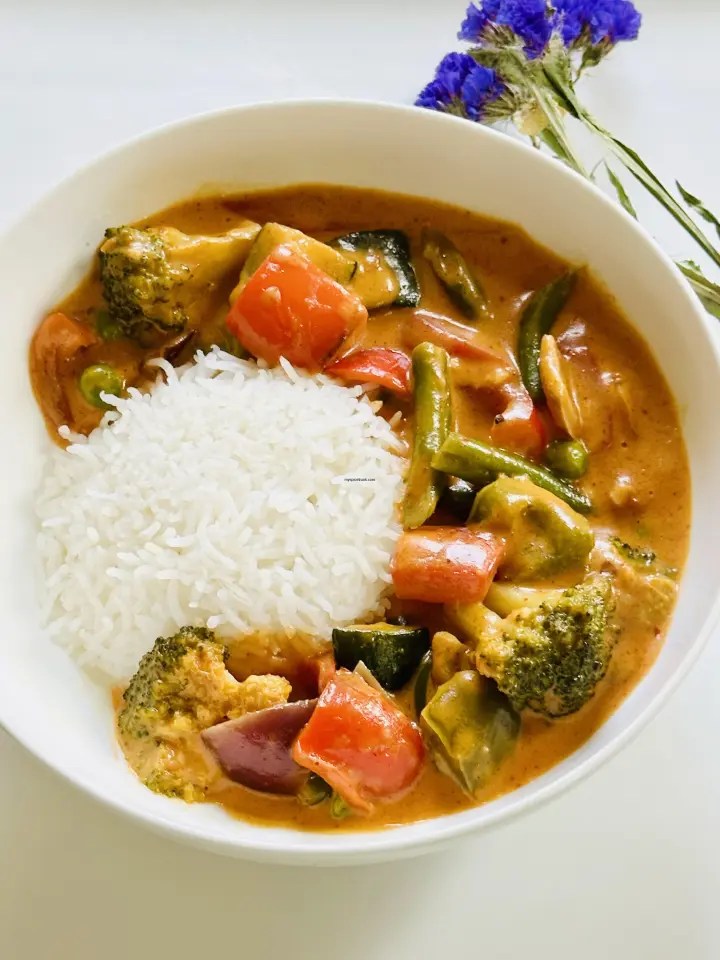
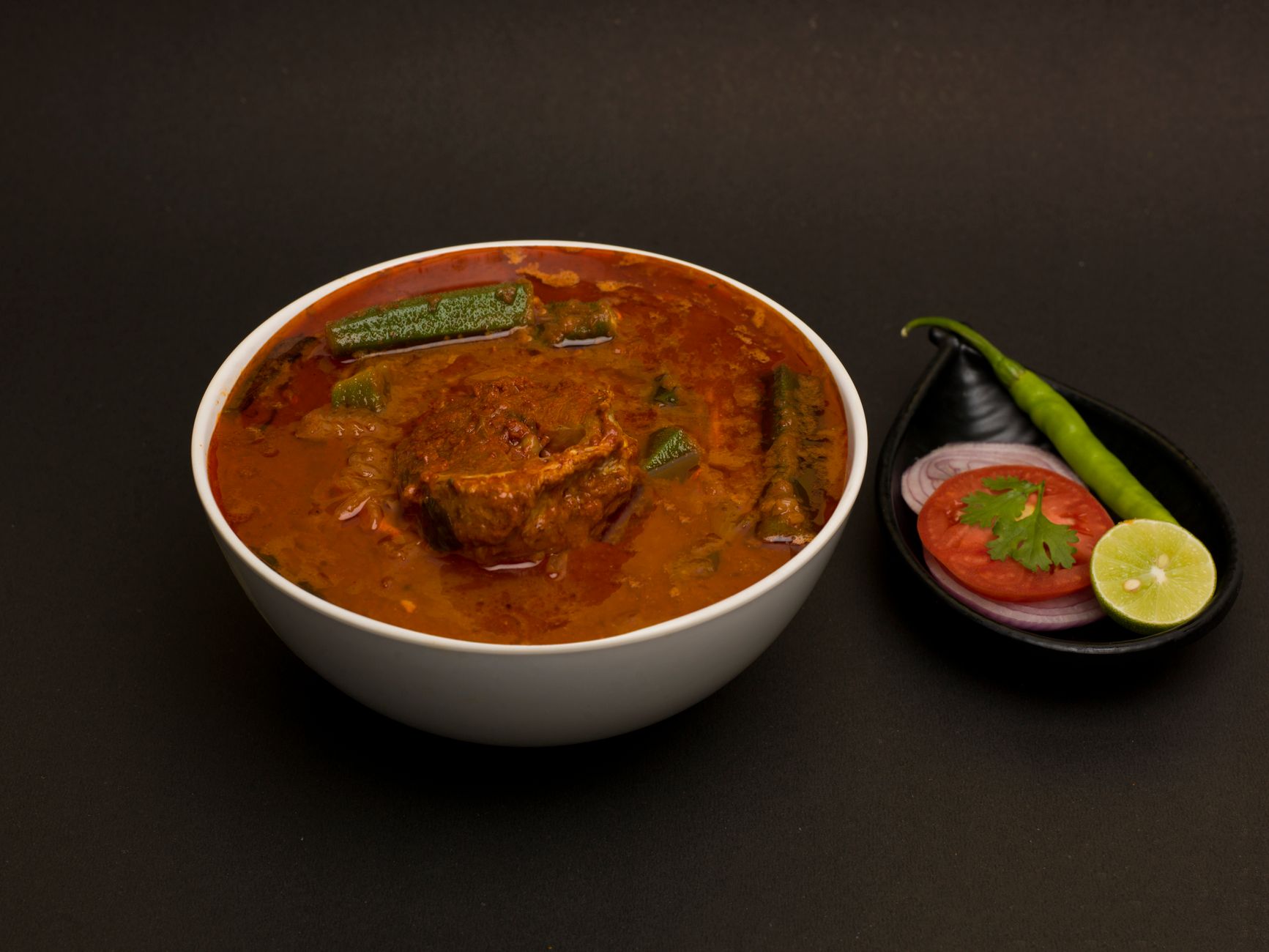
Vegetable recipes Indian deliver bold, vibrant flavors that brighten any meal. Combining traditional Indian spices with fresh vegetables creates naturally aromatic vegan vegetable dishes that satisfy every palate. The secret lies in stovetop cooking methods that gently coax complex tastes without overshadowing the produce. These recipes offer a tasty, healthy way to add nutritious vegetarian meals to your routine without fuss or special equipment.
Whether youre a beginner or an experienced cook, these vegetable recipes Indian fit perfectly into busy schedules. From light lunches to hearty dinners, youll find ideas that balance flavor and nourishment effortlessly.
Key Highlights
The secret to vibrant vegetable recipes Indian with authentic flavors
The magic behind an authentic indian vegetable curry recipe is the balance of traditional Indian spices. Cumin seeds, turmeric, coriander, and garam masala create layers of aroma and earthiness. Using a stovetop cooking method to temper these spices in hot oil releases their essential oils, adding depth and warmth without overpowering the vegetables. Roasting the spices lightly also prevents common cooking mistakes, like bitterness from burnt powders.
Versatility and nutrition in every dish
Every vegetable-centered Indian dish provides fiber, antioxidants, and vital vitamins. Mixing colorful produce like carrots, peas, and cauliflower yields a nutrient-dense meal that supports digestion and satisfaction. These healthy vegetable side dishes work well to complement grains, breads, or lentils for balanced meals anytime. Flexibility is key you can swap veggies without losing texture or taste.
Managing spice sensitivity safely
Spice levels can be adjusted in every recipe. If you have a sensitive stomach or digestive concerns, reduce chili powder or omit green chilies entirely. Choosing milder oils and avoiding heavy spice roasting may also help. Always check with a healthcare provider if you have chronic conditions or are pregnant, especially when trying new spice blends.
Ingredients & Preparation
| Prep time | Total time | Servings | Calories | Diet tags |
|---|---|---|---|---|
| 15 minutes | 45 minutes | 4 servings | ~180 kcal per serving | Vegan, Gluten-Free, Dairy-Free |
Ingredients list with substitutions
- 2 cups mixed vegetables (cauliflower, carrots, peas)
- 1 tbsp oil (mustard or vegetable)
- 1 tsp cumin seeds
- 1 tsp turmeric powder
- 1 tbsp coriander powder
- 1 tsp garam masala
- 1/2 tsp chili powder (optional)
- Salt to taste
- Fresh cilantro for garnish
Substitution tips: Use olive oil if you prefer a milder flavor instead of mustard oil. Adjust chili powder to control heat according to your preference.
Equipment needed
A heavy-bottom skillet or saucepan is best for even heat distribution during the tempering of spices. A sharp knife for chopping vegetables ensures uniform pieces that cook evenly. No special kitchen gadgets are required.
Tips for selecting the best ingredients
Choose firm, fresh vegetables to maintain texture after cooking. Organic produce will enhance flavor but regular fresh veggies work well. If possible, use whole spices and grind them just before cooking to maximize aroma. Fresh cilantro should be bright green and fragrant.
Step-by-Step Instructions
Step 1 Prepare your vegetables
Rinse all vegetables thoroughly under cold water. Chop them into bite-sized, uniform pieces roughly 1-inch in size. This ensures even cooking and a good mix of textures in your final dish.
Step 2 Temper the spices and start cooking
Heat 1 tbsp oil over medium heat in your skillet until shimmering but not smoking. Add 1 tsp cumin seeds and let them sizzle for about 30 seconds until fragrant. Immediately add the chopped vegetables, stirring to coat them evenly with oil. Sprinkle 1 tsp turmeric powder, 1 tbsp coriander powder, and 1/2 tsp chili powder evenly over the vegetables. Cook over medium heat for 10 to 12 minutes, stirring occasionally to prevent sticking or burning.
Step 3 Add garam masala and finish cooking
Once the vegetables soften but retain some crunch, add 1 tsp garam masala and salt to taste. Mix well to distribute the spices. Cook for an additional 3 minutes to blend flavors. Garnish with freshly chopped cilantro just before serving. Avoid adding chili powder too early, or it might burn and taste bitter.
Step 4 Serve and store
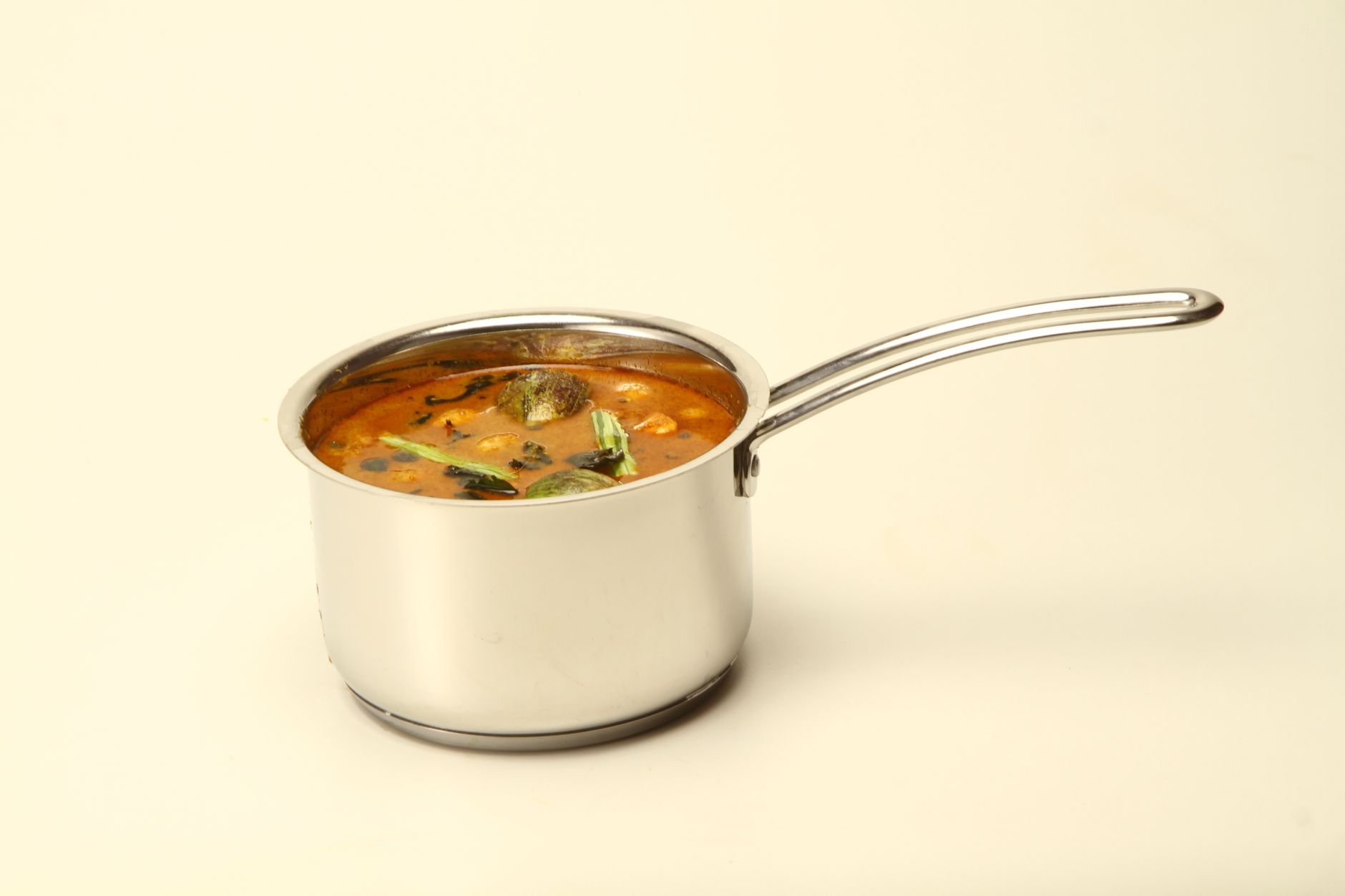
Enjoy your vegetable curry hot right away with rice or flatbread. Alternatively, let it cool to room temperature before transferring to an airtight container for storage. Give it a gentle reheat on the stovetop to maintain texture and aroma.
Variations & Substitutions
Add protein or creaminess
Introduce cubed paneer or tofu for extra protein. For a creamier texture, stir in 1/4 cup coconut milk during the last 5 minutes of cooking. Both variations blend well with traditional Indian spices.
Swap vegetables confidently
Use spinach, zucchini, or bell peppers instead of the suggested mix. Adjust cooking times: delicate greens just need 34 minutes, while root vegetables may require a longer simmer. This flexibility makes the recipe adaptable year-round.
Control the heat and sweetness
Increase or decrease chili powder and fresh green chilies to suit your spice tolerance. If the dish feels too tangy, balance it with a pinch of sugar without losing authenticity. This simple tweak helps create a well-rounded flavor.
Storage & Shelf Life
Refrigeration details
Store the vegetable curry in a clean, airtight glass or BPA-free container. Refrigerate at 4C (39F) or below for 45 days. Reheat gently on low heat to preserve texture and spices.
Freezing tips
Portion leftovers into freeze-safe containers or silicone ice cube trays. Freeze for up to 2 months at -18C (0F). Thaw overnight in the refrigerator. Reheat over medium heat until warmed through.
Make-ahead advice
Prepare the curry fully except fresh herbs, which should be added after reheating. Label containers with the date to track freshness. Avoid freezing fresh cilantro; instead, chop and sprinkle just before serving.
Pro Tips & Troubleshooting
Prevent staining and maximize aroma
Turmeric can stain hands and countertops. Wearing gloves during prep helps prevent yellow stains. Toast whole spices lightly in a dry pan before grinding to unlock vibrant aromas and richer colors.
Manage bitterness and color
If your curry turns dull or bitter, its typically due to burnt spices. Maintain medium heat and stir often to avoid burning. Adding chili powder late prevents a harsh, raw flavor. If bitterness persists, add a splash of fresh lemon juice for brightness.
Expert flavor upgrade
A splash of fresh lemon juice right before serving adds a subtle tang that lifts the entire dish. This finishing touch enhances the profile and balances earthiness with vibrant acidity effortlessly.
When is the best time to eat vegetable recipes Indian?
These dishes are ideal for lunch or dinner, enjoyed hot to capture their full aromas. Serving soon after cooking retains nutrients and texture. They also make great leftovers reheated gently for quick meals the next day.
Can I make a big batch ahead of time?
Absolutely. Prepare large portions and store them in the refrigerator for up to 5 days or freeze for up to 2 months. Proper storage preserves flavor and prevents common cooking mistakes like drying or losing spice intensity.
Fresh spices or powdered which is better?
Whole spices ground fresh provide superior flavor and aroma, but quality powdered spices are very convenient too. When fresh spices arent available, good-quality powders still create delicious dishes.
Is this safe for pregnant women or children?
Generally, these vegetable recipes Indian are safe when spices are mild. Reduce or omit chili powder to suit sensitive stomachs. Consult a healthcare provider if you have concerns with specific spices.
How often can I have these recipes?
They can be enjoyed daily as part of a balanced diet. The fresh vegetables and spices provide nutrition and flavor variety that supports healthy eating habits.
Why does my curry taste too bitter?
Bitterness usually results from burnt spices or overcooked chili powder. Stir frequently and cook on medium heat. Adjust spice quantities, or add a pinch of sugar or lemon juice to balance flavors.
What pairs well with these dishes?
Serve with basmati rice, warm roti, and a cooling yogurt raita for a complete Indian meal. Pickles and fresh salad also complement these dishes nicely.

More Recipes You Will Love
Explore indian vegetable recipes easy for more colorful, flavorful ideas that simplify cooking without sacrifice. For lighter meals, check out this 10 vegetable soup recipe for weight loss that combines healthy ingredients beautifully. If you want a different veggie delight, try the Grilled baby artichokes recipe 1925161, a perfect savory side dish.
Conclusion
Vegetable recipes Indian bring bold, authentic flavor and wholesome nutrition to your table with ease. These dishes highlight fresh ingredients and traditional Indian spices, creating nutritious vegetarian meals youll enjoy anytime. Try this recipe, share how it turns out, and explore our other suggestions for more tasty inspiration.
FAQs
When is the best time to eat vegetable recipes indian?
Vegetable recipes Indian are ideal for lunch or dinner, enjoyed hot to retain their full aromas, nutrients, and texture. They also make great leftovers that can be gently reheated for quick, flavorful meals the next day.
Can I make a big batch of vegetable recipes Indian ahead of time?
Yes, you can prepare large portions and store them in the refrigerator for up to 5 days or freeze for up to 2 months. Proper storage helps maintain flavor and prevents drying or spice loss.
Should I use fresh whole spices or powdered spices for the best flavor?
Whole spices ground fresh offer superior aroma and flavor, but high-quality powdered spices are convenient and still produce delicious dishes. Use fresh spices when available for best results.
Are vegetable recipes Indian safe for pregnant women or children?
Generally, these recipes are safe when made mild. Reduce or omit chili powder and spicy ingredients to suit sensitive stomachs. Always consult a healthcare provider if you have specific health concerns.
Why does my Indian vegetable curry taste bitter, and how can I fix it?
Bitterness usually comes from burnt spices or overcooked chili powder. Cook on medium heat, stir often, add chili powder later, and balance flavors with a pinch of sugar or fresh lemon juice to reduce bitterness.