Introduction
Why vegetable foil packet recipes make weeknight dinners easier and tastier
Vegetable foil packet recipes are a game-changer when you need easy vegetable dinner ideas that dont sacrifice flavor. Cooking veggies in foil packets locks in moisture and aroma, creating meals that are tender, juicy, and packed with flavor. Whether you‘re grilling outdoors or using your oven, foil packets help you skip the usual mess and simplify cleanup. Plus, theyre a fantastic way to enjoy wholesome, healthy foil packet recipes any night of the week.
Who will love these recipes: skill levels, dietary needs, and lifestyles suited for foil packets
If youre a beginner or a kitchen pro, these recipes will fit your style. They cater to vegan foil packet recipes and are naturally gluten-free and dairy-free, making them suitable for many dietary needs. Busy families, camping lovers, and anyone wanting quick, nourishing meals will find these foil packet vegetable meals ideal for their lifestyle.
What makes this version different from other vegetable foil packet recipes
What sets these recipes apart? Its all in the careful selection of vegetable combinations, perfectly balanced seasoning, and foolproof steps to avoid soggy or burnt veggies. This guide also shares expert tips on preventing foil packet food sticking problems, ensuring a satisfying texture every time.
Key Highlights
Flavor and texture benefits from cooking in foil packets
Cooking vegetables inside foil packets steams them in their own juices. This method intensifies the natural sweetness and locks in nutrients you might lose through other cooking techniques. The steam creates a tender yet slightly crisp texture thats anything but dull. That golden aroma wafting out when you open a packet is pure comfort.
Versatility for different vegetables and cooking styles
Foil packet recipes are incredibly versatile. You can cook them on a hot grill for that smoky flavor, in the oven for even heat, or even over an open campfire when outdoors. Mix and match seasonal vegetables and spices to customize your foil packets. This technique adapts to all sorts of cooking adventures.
Cautions for safe cooking and foil use
Some tips help keep your foil packets safe and tasty. Avoid cooking highly acidic ingredients, like lemons or tomatoes, directly against the foil too longthey can cause a metallic taste. Using heavy-duty aluminum foil prevents tears, especially during longer cooking times or grilling. These small precautions go a long way in perfecting your meal.
Ingredients & Preparation
| Prep time | Cook time | Total time | Servings | Calories | Diet tags |
|---|---|---|---|---|---|
| 15 mins | 25 mins | 40 mins | 4 | ~120 per serving | Vegan, Gluten-Free, Dairy-Free |
Full ingredient list with exact quantities and substitution options
- 2 medium bell peppers (any color), chopped
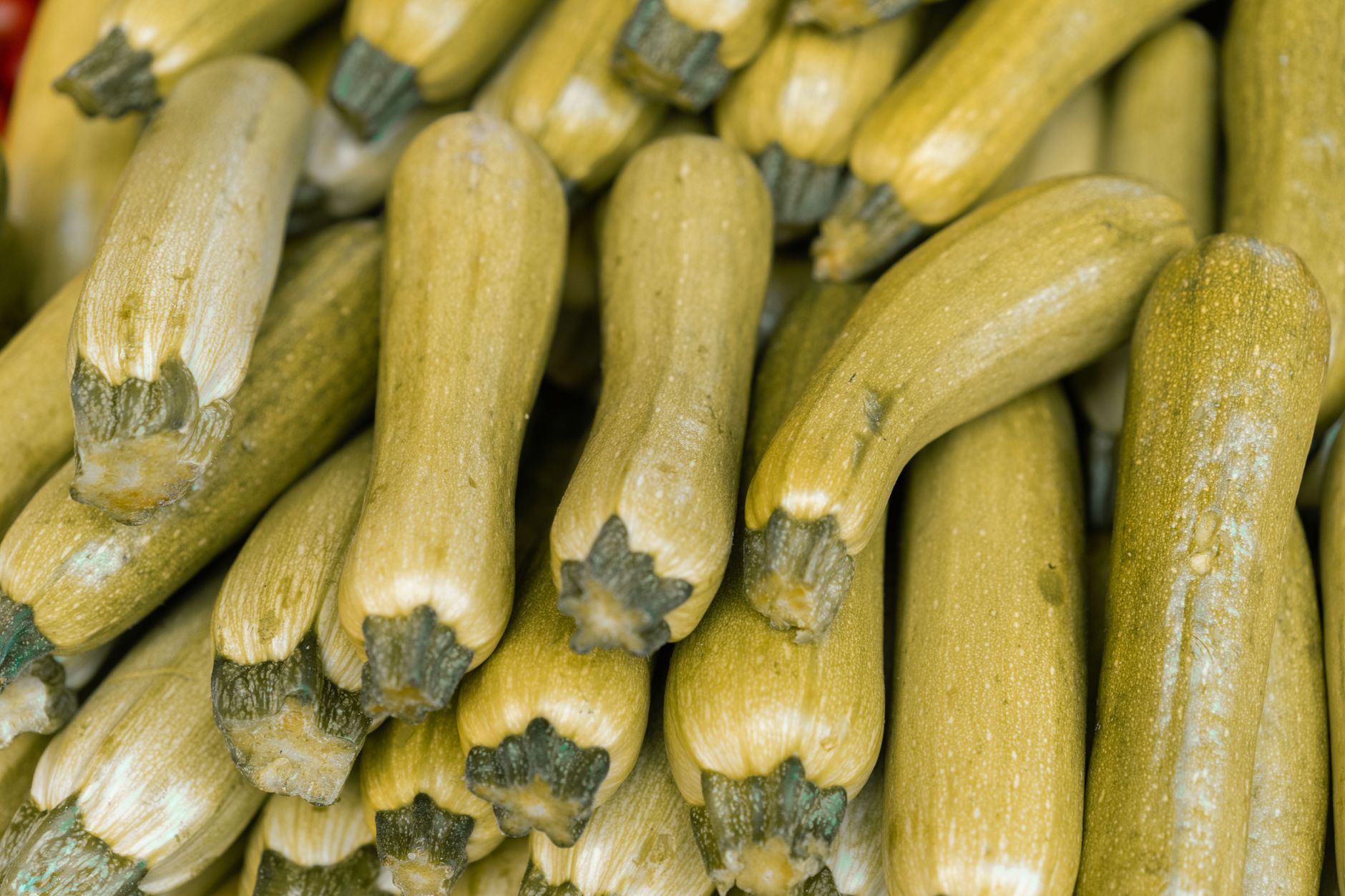
- 2 small zucchini, sliced into 1-inch pieces
- 1 large red onion, cut into chunks
- 1 cup cherry tomatoes, halved
- 2 cloves garlic, minced
- 2 tablespoons olive oil
- 1 tablespoon fresh herbs (thyme or rosemary), chopped
- 1 teaspoon salt
- teaspoon black pepper
Substitutions: Use any seasonal vegetables you prefer; swap fresh herbs for dried, reducing quantity by half.
Equipment needed for preparation and cooking
- Sharp knife and cutting board
- Heavy-duty aluminum foil (avoid thin foil to prevent tears)
- Baking sheet or grill rack
- Tongs for handling packets
Tips for selecting the best quality vegetables
Choose vegetables that are firm, brightly colored, and free from blemishes. Organic produce is preferred for root vegetables to reduce pesticide exposure. Seasonal veggies will bring the best flavor and value to your meals.
Step-by-Step Instructions
Step 1 Prep vegetables: wash, dry, chop into uniform bite-sized pieces for even cooking
Wash all vegetables under cold water, then pat them dry thoroughly. Slice bell peppers, zucchini, and onion into roughly 1-inch chunks to ensure they cook evenly. Halve the cherry tomatoes and mince garlic finely. Consistent sizes help the veggies cook through at the same time.
Step 2 Assemble packets: layer veggies and seasonings, drizzle olive oil, seal foil tightly
Lay out four sheets of heavy-duty foil, each about 12x12 inches. Divide veggies evenly among them, placing in the center of each sheet. Sprinkle salt, pepper, herbs, and garlic over the vegetables. Drizzle each packet with tablespoon olive oil. Fold the foil edges carefully to form tight packets, sealing all sides well to trap steam inside.
Step 3 Cook packets on grill or oven at 400F for 2025 minutes
Preheat your grill or oven to 400F (204C). Place foil packets on the grill grates or a baking sheet if using the oven. Cook for 2025 minutes, checking tenderness starting at 20 minutes. Avoid piercing the foil during cooking to keep steam locked in.
Step 4 Serve packet contents immediately or carefully store in airtight container
When ready, open packets carefully to avoid steam burns. Serve vegetables directly from foil for a rustic look or transfer them to plates. Refrigerate any leftovers in sealed containers within 2 hours to keep them fresh and safe.
Variations & Substitutions
Popular dietary variation: vegan, keto-friendly, or low-sodium versions
These foil packet vegetable meals are naturally vegan and gluten-free. For keto-friendly options, focus on lower-carb vegetables like zucchini and mushrooms, and reduce tomatoes to limit sugars. To reduce sodium, skip the added salt and enhance flavor with extra fresh herbs and garlic.
Ingredient swaps and their effects
Frozen vegetables can be used, but they tend to produce a softer texture and extra moisture. Adding sweet potatoes introduces natural sweetness but increases cooking time. Using dried herbs substitutes fresh ones but requires less quantity and slightly changes flavor aroma.
Adjusting flavor intensity
For a smoky kick, add a pinch of smoked paprika or chili flakes before sealing packets. To balance heat, reduce pepper or finish cooked veggies with a splash of fresh lemon juice for a bright, tangy note.
Storage & Shelf Life
Refrigerator storage: keep cooked foil packet vegetables in airtight containers for 34 days
Allow the packets to cool to room temperature. Transfer vegetables from foil to airtight glass or BPA-free plastic containers. Store in the refrigerator at or below 40F (4C) to maintain freshness. Consume within 3 to 4 days for best quality.
Freezer option: freeze individual portions in freezer-safe bags; thaw overnight before reheating; keep up to 2 months
Remove foil and pack cooked vegetables tightly into freezer-safe bags, pressing out extra air before sealing. Freeze for up to 2 months. Thaw in the refrigerator overnight before reheating. You can also reheat wrapped in foil on the grill or in the oven.
Make-ahead batch tips: prep all veggies and seasonings in advance; store sealed uncooked packets in fridge for up to 24 hours
Assemble foil packets with raw vegetables and seasoning ahead of time and keep them sealed on a baking sheet in the refrigerator for up to 24 hours. Label packets with date and contents to stay organized and save time on busy days.
Pro Tips & Troubleshooting
Practical tips: avoid foil sticking by spraying oil; chop veggies evenly for consistent cooking
Coat vegetables evenly in olive oil before assembling packetsthis prevents sticking and encourages browning. Choosing uniform vegetable pieces ensures everything cooks at the same rate. Avoid overfilling packets to leave room for steam circulation.
Why your packets might be soggy, burnt, or bland and how to fix
If your vegetables turn soggy, it might be due to excess moisturetry drying watery vegetables or reducing added oil slightly. Burnt edges often result from too high heat or thin foilusing heavy-duty foil and lowering temperature can prevent this. A bland meal usually means under-seasoning; dont be shy with salt and herbs.
Expert upgrade add a squeeze of lemon or sprinkle Parmesan after cooking to boost taste
Finishing your foil packet meal with fresh lemon juice brightens and balances rich flavors. For a savory twist, sprinkle with grated Parmesan or nutritional yeast for vegan foil packet recipes. These small touches elevate your meal to restaurant-quality flavors.

When is the best time to eat vegetable foil packet meals?
Vegetable foil packet meals are ideal for dinner, offering a warm, satisfying end to the day. However, they also work well for lunch or as a side dish at gatherings. Pair them with your favorite protein for a balanced meal anytime.
Can I make a big batch ahead of time?
Absolutely! You can assemble the raw foil packets and store them sealed in the refrigerator for up to 24 hours before cooking. Leftover cooked vegetables can be refrigerated for 34 days or frozen for up to 2 months.
Fresh vegetables or frozen which yields better results?
Fresh vegetables provide better flavor and texture, especially when roasting vegetables foil packet style. Frozen options work, but may release more moisture and become softer. For the best experience, opt for fresh when possible.
Is this safe for pregnant women, kids, or people on medication?
Yes, vegetable foil packet recipes are generally safe for everyone, including pregnant women and kids, as long as the vegetables are cooked thoroughly. Avoid overly spicy seasonings if sensitive, and always ensure food safety handling.
How often can I eat vegetable foil packet meals?
These meals are healthy and versatile enough to be enjoyed regularly. Rotating different vegetables and herbs can keep your diet balanced and exciting while providing a range of nutrients.
Why do my packets taste bitter or bland?
Bitterness may result from overcooking garlic or herbs, which releases harsh compounds. Blandness often means under-seasoningtry adding more salt, herbs, or a finishing splash of acid like lemon juice next time.
What pairs well with vegetable foil packets?
Grilled tofu, roasted chicken, quinoa salads, or crusty bread make excellent companions. For a lighter side, try a fresh garden salad or a hearty bean dish to round out the meal.
For more grilling tips, check out our vegetable foil packets oven guide that dives deeper into cooking variations and equipment.
More Recipes You Will Love
Sheet Pan Roasted Vegetables with Herbed Garlic
Try this easy roasted vegetable recipe for a crispy alternative to foil packets. Its full of savory herbs and a golden crust thats irresistible.
Vegan Quinoa Salad with Lemon-Tahini Dressing
A fresh, protein-packed salad perfect as a side or light meal. The creamy dressing adds richness without heaviness.
Summer Grilled Corn and Tomato Salsa
This bright salsa adds fresh, tangy flavor alongside your vegetable foil packets. Its a seasonal favorite that livens up any plate.
Conclusion
Vegetable foil packet recipes offer a simple, flavorful way to enjoy nutritious meals with very little fuss. The steaming method locks in juices and nutrients while cutting down on cleanup, making these healthy foil packet recipes perfect for any night. Give them a try and let us know your favorite veggie combinations or seasonings in the comments below. You might also enjoy discovering more delicious ideas like 10 vegetable soup recipe for wholesome comfort food.
FAQs
When is the best time to eat vegetable foil packet recipes?
Vegetable foil packet meals are ideal for dinner, providing a warm, satisfying meal. They also work well for lunch or as a flavorful side dish. Pair with your favorite protein to create a balanced meal anytime.
Can I prepare vegetable foil packet meals ahead of time?
Yes, you can assemble raw foil packets with vegetables and seasonings up to 24 hours in advance and store them sealed in the refrigerator. This makes last-minute cooking quick and easy.
Are vegetable foil packet recipes suitable for different dietary needs?
Absolutely. These recipes are naturally vegan, gluten-free, and dairy-free. You can easily modify them for keto by choosing low-carb veggies and reduce sodium by cutting back on added salt.
How can I avoid soggy or burnt vegetables in foil packets?
To prevent soggy veggies, dry watery vegetables well and avoid excessive oil. Use heavy-duty foil and moderate heat to avoid burning. Also, chop vegetables evenly to ensure consistent cooking.
What vegetables work best for foil packet recipes?
Firm, fresh vegetables like bell peppers, zucchini, onions, and cherry tomatoes work great. Seasonal and organic veggies offer the best flavor and value. You can also customize with mushrooms, sweet potatoes, or other favorites.