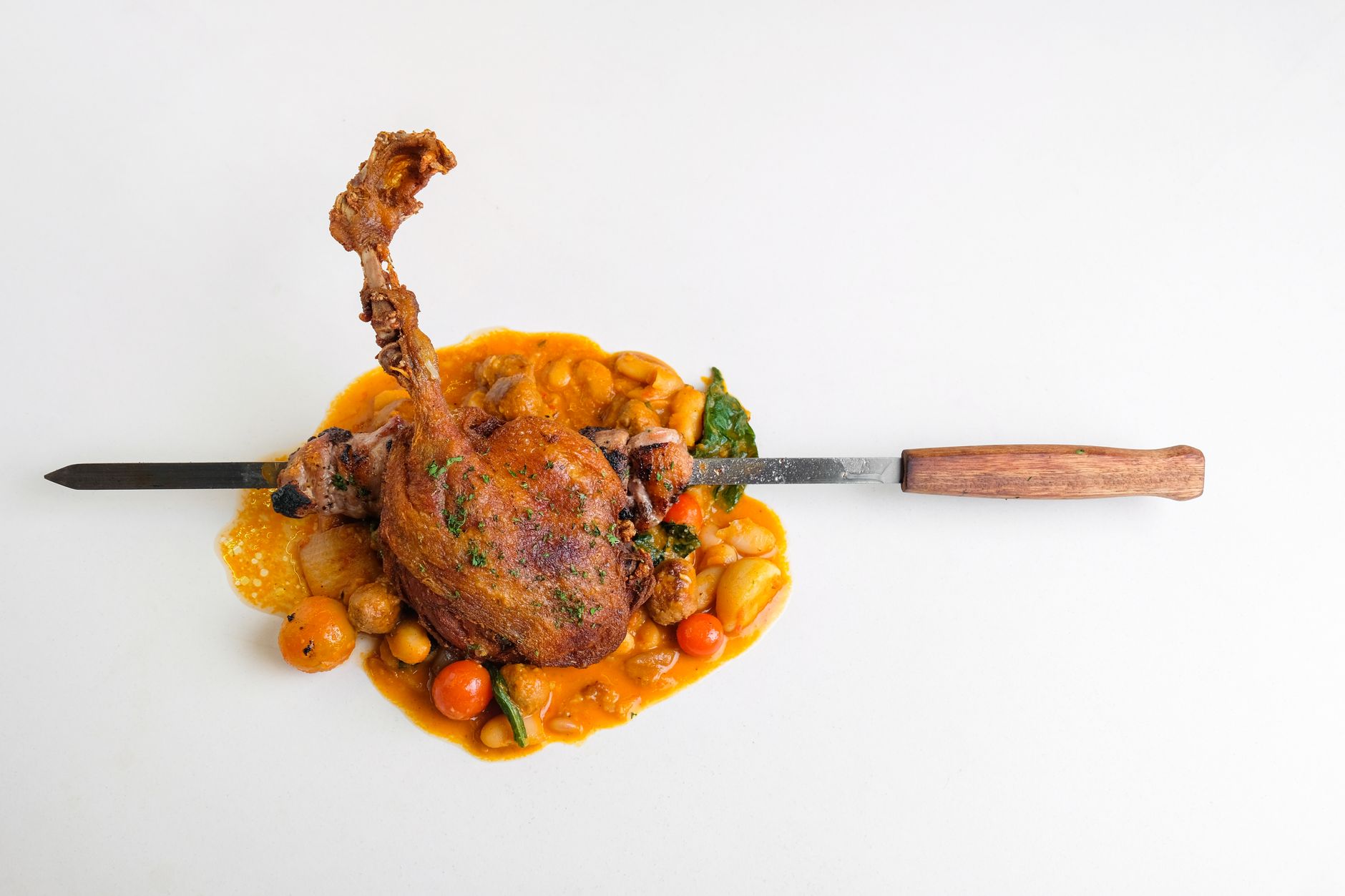
Why Vanderbilt Traditional Christmas Duck
Imagine tender, golden duck skin crisped to perfection, releasing an irresistible aroma of fresh citrus and herbs. This Vanderbilt Traditional Christmas Duck recipe has been a beloved holiday centerpiece for generations, celebrated for its rich flavors and festive charm. Originating from the storied kitchen at the Biltmore Estate, this recipe combines slow steaming with a molasses glaze to create a perfect balance of crispy skin and succulent meat. Enjoying this dish is a flavorful way to honor holiday traditions while delighting your senses with every bite.
Health Benefits & Nutrition
Duck is a flavorful poultry option that offers several nutritional advantages. It is an excellent source of high-quality protein, which is essential for muscle repair and immune function. Duck meat also provides important minerals such as iron and zinc, which support blood health and boost immunity. Additionally, duck contains healthy monounsaturated fats that can aid in maintaining good cholesterol levels (American Heart Association).
However, due to its higher fat content compared to chicken, moderation is recommended, especially for those managing heart conditions or cholesterol. Pregnant women should ensure the duck is cooked thoroughly to avoid foodborne illness. People with poultry allergies should avoid this recipe to prevent allergic reactions.
Ingredients & Preparation
Recipe Card
| Prep Time | 25 minutes |
|---|---|
| Inactive Time | 8 hours (marinating) |
| Cook Time | 1 hour 30 minutes |
| Total Time | 9 hours 55 minutes |
| Servings | 2 |
| Calories | Approximately 650 per serving |
| Diet Tags | Gluten-free, Dairy-free |
Full Ingredient List
- 1 whole duck (3 to 5 pounds), giblets removed
- 1 large orange
- 1 sprig fresh thyme, chopped
- 1 sprig fresh rosemary, chopped
- 2 tablespoons kosher salt
- 1 teaspoon freshly ground black pepper
- 2 tablespoons sugar
- 3 Earl Grey tea bags
- 3 cups water
- 2 tablespoons molasses
Equipment Needed
- Medium glass bowl
- Steamer pot with insert
- Rotisserie oven or grill with rotisserie attachment
- Spit rod for rotisserie
- Plastic wrap
- Sharp knife
Tips for Choosing Quality Ingredients
Opt for a fresh, organic duck if possible, as higher-quality poultry tends to have better flavor and texture. Choose a duck that is firm to the touch with no unpleasant odor. For herbs, picking fresh thyme and rosemary enhances aroma significantly more than dried. Select a firm and juicy orange to provide bright citrus notes. Finally, prefer organic molasses, which contributes a rich, deep sweetness to the glaze.
Step-by-Step Instructions
Step 1: Marinate the Duck (25 minutes prep + overnight)
Place the whole duck breast side up in a medium glass bowl. Gently loosen the skin from the meat by sliding your fingers carefully underneath, avoiding tears. Cut the orange in half and squeeze its juice evenly over the duck. Insert the orange rinds inside the duck’s cavity. Combine chopped thyme, rosemary, 1 tablespoon kosher salt, and black pepper. Sprinkle this herb-salt mixture evenly over the entire duck. Cover the bowl tightly with plastic wrap and refrigerate overnight. Flip the duck breast-side down after 2 hours for even marinating.
Step 2: Prepare the Tea Steam (10 minutes prep + 30 minutes steaming)
In your steamer pot, combine sugar, Earl Grey tea bags, and water. Bring the mixture to a gentle simmer. Place the marinated duck legs down into the steamer basket and cover tightly. Steam for 30 minutes. Once done, remove the duck and let it rest for 10 minutes at room temperature to cool slightly.

Step 3: Preheat and Glaze the Duck (15 minutes)
Preheat your rotisserie oven to 275°F (135°C). In a separate bowl, mix the remaining 1 tablespoon kosher salt with molasses until well combined. Gently rub this molasses glaze all over the duck’s skin, ensuring an even coating for that signature golden crisp.
Step 4: Roast the Duck on Rotisserie (1 hour)
Secure the duck onto the rotisserie spit. Roast at 275°F for 1 hour, turning to develop evenly browned, crispy skin. The meat is cooked through when the internal temperature reaches 165°F (74°C) and the skin is caramelized with a slightly sticky surface.
Step 5: Let Rest Before Carving (20 minutes)
Remove the duck from the rotisserie. Place it on a warm platter and allow it to rest for at least 20 minutes. Resting lets the juices redistribute, making every slice tender and flavorful.

Variations & Substitutions
- Orange Substitute: Use grapefruit or blood orange for a tangier citrus note.
- Herb Variations: Replace thyme and rosemary with sage and tarragon for a more earthy flavor.
- Sweetener Alternatives: Swap molasses for honey or maple syrup for a lighter glaze sweetness.
- Cooking Method: Instead of steaming, try slow-roasting the duck at 275°F for 2 hours, basting occasionally for moistness.
Storage & Shelf Life
Store leftover duck in an airtight container in the refrigerator for up to 3 days. When reheating, use a low oven to preserve the crispy skin as much as possible. Alternatively, you can freeze cooked duck by wrapping it tightly in foil and placing it in a freezer-safe bag. Frozen cooked duck maintains quality for up to 2 months.
Discard duck that smells sour or shows slimy texture, which indicate spoilage. Avoid refreezing duck after thawing for better food safety.
Pro Tips
- Carefully loosening the skin without tearing allows the glaze and spices to flavor the meat directly.
- Steaming the duck before roasting ensures juicy meat and renders fat without drying out the skin.
- Rubbing molasses mixed with salt helps develop a deep caramelized crust that enhances texture and taste.
- Letting the duck rest after cooking locks in juices, giving you tender slices.
- Keep the bird rotated evenly on the rotisserie to avoid hot spots and uneven cooking.
When is the best time to eat Vanderbilt Traditional Christmas Duck Recipe?
This duck recipe shines as a holiday dinner centerpiece, especially during Christmas celebrations. Its rich, festive flavors make it ideal for special occasions when you want to impress your guests. The slow cooking allows you to prepare ahead and enjoy the joyous meal stress-free.
Can I substitute the Earl Grey tea with another type of tea?
Yes, but Earl Grey’s unique citrusy bergamot notes complement this recipe beautifully. If unavailable, use a mild black tea or green tea, though the flavor profile will be less aromatic.
Is it necessary to steam the duck before roasting?
Steaming renders excess fat and keeps the meat moist, making it worthwhile. You can skip steaming, but roasting time will increase, and the texture might be less tender.
How do I ensure the skin gets crispy?
After steaming, apply the molasses-salt rub evenly and roast at 275°F on a rotisserie. The slow, indirect heat melts fat under the skin while crisping it, creating a golden, crispy finish.
Can I prepare this recipe without a rotisserie?
Absolutely. Bake the duck in a preheated oven at 275°F on a rack, turning every 20 minutes for even crispiness. Cooking time may extend slightly.
How long can the marinated duck stay in the fridge?
Marinate the duck overnight, ideally 8 hours, but avoid marinating longer than 24 hours to prevent the meat from becoming mushy due to acid breakdown.
Is this recipe suitable for people with gluten intolerance?
Yes, all ingredients are naturally gluten-free. Just verify your tea bags to ensure they do not contain cross-contaminants if extremely sensitive.
More Recipes You Will Love
If you enjoyed the rich flavors of this Vanderbilt Traditional Christmas Duck, you might also appreciate an Oven roasted turkey recipe 1973646 for larger gatherings. Both hold a place on festive tables with their succulent meat and aromatic herbs.
For a sweet treat to complement your holiday feast, try baking Molasses cookies 17965823. Their warm, spicy notes pair wonderfully with savory poultry dishes.

Conclusion
This Vanderbilt Traditional Christmas Duck recipe delivers a beautifully balanced holiday dish, marrying crisp skin with tender, flavorful meat. Its rich combination of herbaceous notes and subtle molasses sweetness creates a memorable experience. Make this recipe part of your festive traditions, and share your results or tips in the comments below. We’d love to hear how your holiday duck turned out!
FAQs
When is the best time to eat Vanderbilt Traditional Christmas Duck Recipe?
The best time to eat the Vanderbilt Traditional Christmas Duck Recipe is during the holiday season, especially around Christmas. This rich and flavorful dish makes a perfect centerpiece for festive family dinners and celebrations.
What makes the Vanderbilt Traditional Christmas Duck Recipe special?
This recipe is unique because it combines slow steaming with a molasses glaze and fresh citrus herbs, creating a perfect balance of crispy skin and succulent meat, honoring a longstanding holiday tradition.
Can I prepare the Vanderbilt Traditional Christmas Duck Recipe ahead of time?
Yes, the duck requires an overnight marinating time, so preparing it the day before your event is recommended. This allows the flavors to fully develop and ensures tender, juicy meat.
Is the Vanderbilt Traditional Christmas Duck Recipe suitable for special diets?
The recipe is naturally gluten-free and dairy-free. However, due to its fat content, moderation is advised for those managing cholesterol or heart conditions, and pregnant women should ensure thorough cooking.
What equipment do I need to make the Vanderbilt Traditional Christmas Duck Recipe?
You will need a medium glass bowl, a steamer pot with an insert, a rotisserie oven or grill with rotisserie attachment, a spit rod, plastic wrap, and a sharp knife to prepare this recipe properly.