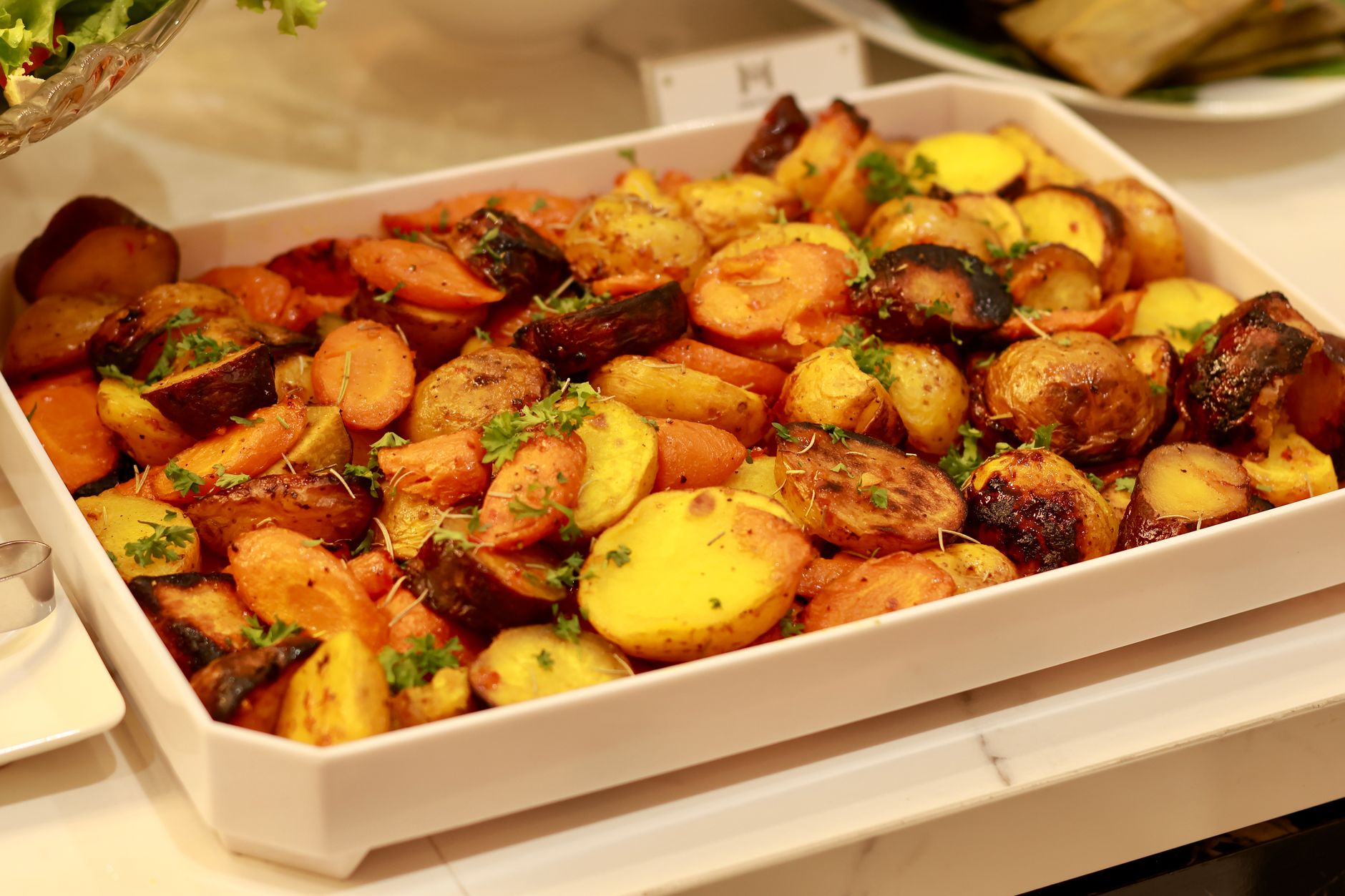
Why Tuscan Roasted Potatoes And Lemon Works
The lemon slices turn bronzed and fragrant while the potatoes roast, giving the whole pan a bright, savory aroma. Tuscan Roasted Potatoes And Lemon is an easy Italian-inspired side dish made with Yukon Gold potatoes, garlic, rosemary, olive oil, and fresh lemon.
This recipe works because the potatoes become crisp around the edges while staying creamy inside. The garlic softens into sweet, roasted pieces, and the thin lemon slices add a gentle bitterness that balances the richness of the oil. Everything cooks together on one sheet pan, so cleanup is simple and the flavor feels much bigger than the ingredient list.
I first crowded the potatoes too closely on the tray, and they steamed instead of browning. Spreading them in one layer with a little space between pieces makes a clear difference. You should hear a faint sizzle when the pan goes into the oven.

Health Benefits & Nutrition
These roasted potatoes provide a satisfying side dish from a short list of recognizable ingredients. The nutrition will vary with potato size, oil absorption, and how much finishing salt you use, so the figures below are approximate rather than laboratory-tested.
- Potatoes provide carbohydrates for energy. They also contribute potassium and some vitamin C, especially when the skins are left on and scrubbed well.
- The skins add fiber. Keeping the Yukon Gold skins in place gives the potatoes a slightly rustic texture and adds more fiber than peeling them.
- Olive oil supplies unsaturated fat. It helps the potatoes brown and carries the rosemary, garlic, and lemon aromas across the pan.
- Garlic, rosemary, and lemon add flavor without much extra sugar. Their strong flavors allow you to build a lively side dish without a heavy sauce.
For a lower-sodium serving, reduce the kosher salt and skip or limit the finishing fleur de sel. Anyone with a personal allergy, digestive concern, or medically advised dietary restriction should adjust the recipe with guidance from a qualified healthcare professional or dietitian.
Ingredients & Preparation
Recipe Card
| Prep time | 10 minutes |
|---|---|
| Cook time | 50 minutes |
| Total time | 1 hour |
| Servings | 6 servings |
| Calories | Approximately 190 per serving |
| Diet tags | Vegetarian, vegan, dairy-free, gluten-free |
Full Ingredient List
- 2 pounds Yukon Gold potatoes, unpeeled and cut into 1-inch pieces
- 8 large garlic cloves, smashed and peeled
- 2 large or 4 small fresh rosemary branches
- 1/2 large lemon, cut in half through the stem and thinly sliced crosswise
- 3 tablespoons extra-virgin olive oil
- 2 teaspoons kosher salt
- 1 teaspoon freshly ground black pepper
- Fleur de sel, for finishing
Equipment Needed
- Large rimmed sheet pan
- Chef’s knife and cutting board
- Large mixing bowl, optional
- Metal spatula
- Oven mitts
Tips for Choosing Quality Ingredients
Choose firm Yukon Gold potatoes with smooth, unbroken skins and no green patches. Their naturally buttery texture holds up well during roasting. If the potatoes are different sizes, cut the larger ones down so every piece is close to 1 inch.
Use a thin-skinned lemon with an even yellow color. Since the slices are roasted and eaten, avoid thick, tough peel when possible. A fresh rosemary branch should smell piney and clean when rubbed gently between your fingers. Extra-virgin olive oil gives the best flavor, but a mild olive oil also works.
Scrub the potatoes under cool water and dry them thoroughly. Wet surfaces create steam, while dry surfaces help the edges turn golden. I use a sturdy metal sheet pan rather than a deep casserole dish because the broad surface gives the potatoes more direct heat.
Step-by-Step Instructions
1. Heat the oven to 375°F for 10 minutes
Place a rack in the center of the oven and preheat it to 375°F. Give the oven enough time to reach temperature before adding the pan. A fully heated oven helps the potatoes begin roasting immediately instead of slowly warming and becoming soft.
2. Cut and season the potatoes for 5 minutes
Cut the scrubbed potatoes into 1-inch pieces. Add them to a large bowl or directly to a rimmed sheet pan with the smashed garlic, rosemary branches, lemon slices, olive oil, kosher salt, and black pepper. Toss for about 30 seconds, until every potato is lightly coated.
Arrange the potatoes cut-side down where possible, leaving a little space between pieces. Do not stack them. The lemon slices should sit among the potatoes rather than underneath every piece, where they can stick and scorch.
3. Roast at 375°F for 20 minutes
Roast the pan at 375°F for 20 minutes without stirring. At this stage, the potatoes should just begin to show pale gold edges, and the garlic should smell sweet rather than sharp. The lemon will start releasing its juice and citrus aroma into the oil.
4. Turn the potatoes and roast for another 20 minutes
Use a metal spatula to turn the potatoes, loosening any browned edges from the pan. Return the sheet pan to the oven for another 20 minutes at 375°F. Turn the potatoes again if one side of your oven browns faster than the other.
The pan should give off a steady sizzle, and the rosemary will look darker and slightly crisp. If the potatoes are pale because the pan is crowded, separate them before continuing. More oven time will not fully correct trapped steam.
5. Finish roasting for 10 to 20 minutes and serve
Roast for 10 to 20 minutes more, until the potatoes are deeply golden and a knife slides easily through the centers. The garlic should be browned and soft, while the lemon slices should have caramelized edges. Discard the rosemary branches, sprinkle with fleur de sel, and serve hot.
The exact finish depends on the potato size and the color of your sheet pan. Dark pans usually brown the bottoms faster. If the potatoes are tender but not crisp enough, roast them for 5 additional minutes before serving.

Variations & Substitutions
Use another potato. Replace the Yukon Gold potatoes with 2 pounds of baby red potatoes or waxy white potatoes. Cut them into pieces no larger than 1 inch. Russets can work, but their drier texture creates fluffier centers and more fragile edges.
Add a little heat. Toss in 1/2 teaspoon of red pepper flakes with the salt and pepper. For a milder result, use 1/4 teaspoon. The chili warms the garlic and lemon without changing the cooking time.
Try thyme instead of rosemary. Use 6 to 8 fresh thyme sprigs in place of the rosemary branches. Thyme is softer and more delicate, so tuck the sprigs among the potatoes rather than placing them directly beneath the pieces.
Make it more savory. Add 1/2 teaspoon of onion powder or 1 teaspoon of dried oregano. Avoid adding watery vegetables at the beginning because they can release steam and prevent browning.
Use preserved lemon carefully. Replace the fresh lemon slices with 2 tablespoons of finely chopped preserved lemon peel. Add it during the final 10 minutes instead of roasting it for the full hour, since preserved lemon is already concentrated and salty. Reduce the kosher salt by 1/2 teaspoon.
Add cheese after roasting. For a non-vegan variation, scatter 1/4 cup of finely grated Parmesan over the hot potatoes after they leave the oven. Do not add it at the beginning, because it can burn before the potatoes are tender.
Storage & Shelf Life
Store cooled potatoes in a covered container in the refrigerator for up to 4 days. Let them cool at room temperature for no longer than 2 hours before refrigerating. Keep the lemon slices and roasted garlic with the potatoes so their flavor continues to season the leftovers.
For the best texture, reheat the potatoes on a sheet pan at 400°F for 10 to 15 minutes. An air fryer set to 375°F usually takes about 5 to 8 minutes. Microwave reheating is quick, but the potatoes will be softer and less crisp.
You can freeze the roasted potatoes for up to 2 months, although the texture will not be quite as creamy. Cool them completely, freeze them in a single layer on a tray, then transfer them to a freezer-safe container. Reheat from frozen at 425°F for 15 to 20 minutes.
Discard leftovers that smell sour or unusually fermented, feel slimy, show mold, or have been left unrefrigerated for an extended period. Do not taste food to decide whether it has spoiled.
Pro Tips for Better Roasted Potatoes
Dry the potatoes well. After washing, pat them dry with a clean kitchen towel. Surface moisture is the main enemy of crisp edges in this recipe.
Keep the lemon slices thin. Slices about 1/8 inch thick soften and caramelize during the roast. Thick wedges can stay tough and release too much juice at once.
Smash rather than mince the garlic. Large smashed cloves roast gently and become spreadable. Finely chopped garlic can burn before the potatoes finish, especially around the edges of the pan.
Use enough oil to coat, not pool. Three tablespoons should lightly cover 2 pounds of potatoes. If oil collects beneath the pieces, the potatoes can fry unevenly on the bottom while the tops remain pale.
Turn with a metal spatula. A thin metal edge slides under the browned crust more cleanly than a soft silicone utensil. If a piece resists, give it another minute rather than forcing it and tearing away the crust.
Season in layers. The kosher salt goes on before roasting, while fleur de sel is added at the end. The first seasoning works through the potatoes; the finishing salt gives small, bright bursts on the surface.
Do not discard the roasted garlic. Once cool enough to handle, squeeze the soft cloves over the potatoes or mash them into the pan juices. Their flavor is gentler and sweeter than raw garlic.
Questions & Answers
When is the best time to eat Tuscan Roasted Potatoes And Lemon?
The best time to eat Tuscan Roasted Potatoes And Lemon is immediately after roasting, while the edges are crisp and the centers are creamy. Serve it alongside roasted chicken, grilled fish, beans, or a green salad. The potatoes remain tasty after reheating, but the freshly roasted texture is noticeably better.
Can I prepare the potatoes ahead of time?
Yes, you can cut and season the potatoes up to 2 hours ahead. Keep them covered in the refrigerator, then let the pan sit at room temperature for about 15 minutes before roasting. Pat away any visible moisture if needed, because excess moisture can slow browning.
Should I peel the Yukon Gold potatoes?
No, peeling is not necessary for this recipe. Yukon Gold skins are thin and tender, and they add a rustic texture. Scrub the potatoes well and remove any damaged areas. If you prefer peeled potatoes, the recipe still works, but the pieces may have slightly softer edges.
Why are my roasted potatoes not crispy?
Overcrowding is the most common reason roasted potatoes stay soft. Spread the pieces across a large rimmed sheet pan with space between them, and dry them thoroughly before seasoning. Also check that the oven is fully preheated and avoid adding extra watery vegetables to the pan.
Can I use bottled lemon juice instead of fresh lemon slices?
Fresh lemon slices are the better choice because the peel becomes fragrant and caramelized in the oven. Bottled lemon juice cannot provide that texture or aroma. If fresh lemons are unavailable, omit the slices and add 1 tablespoon of bottled lemon juice after roasting.
Can I make this recipe without rosemary?
Yes, you can replace the rosemary with 6 to 8 fresh thyme sprigs or 2 teaspoons of dried Italian seasoning. Add dried herbs with the salt and pepper. Fresh thyme has a softer flavor, while oregano gives the potatoes a more assertive, savory character.
What can I serve with these potatoes?
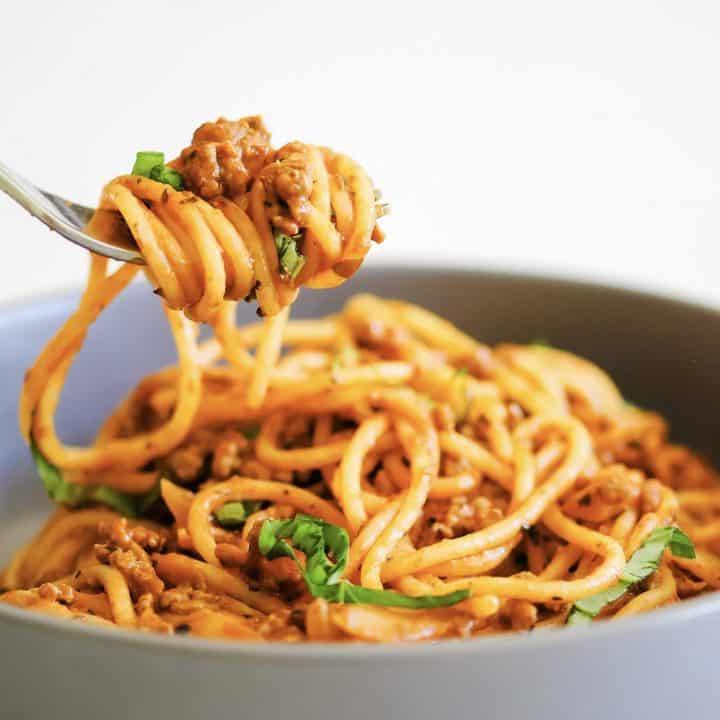
Serve them with roasted meat, grilled vegetables, fish, or a simple white bean salad. For an Italian-inspired meal, pair them with Penne arrabiata 8702958. They also work well beside a crisp green salad because the lemon cuts through richer foods.
More Recipes You Will Love
If you enjoy bold Italian flavors and simple cooking methods, try Penne arrabiata 8702958. Its tomato, garlic, and chili flavors make a lively main course to serve with these potatoes.
For another creative bite-sized option, Fried rice arancini 3875899 brings crisp texture and a satisfying savory center. It is especially useful when you want a casual appetizer or a different way to use leftover rice.

Conclusion
Tuscan Roasted Potatoes And Lemon is a dependable sheet-pan side with crisp golden edges, tender centers, sweet roasted garlic, and bright caramelized citrus. Keep the potatoes dry, give them room on the pan, and turn them during roasting for the best texture. Serve them hot with your favorite Italian-inspired meal. If you make the recipe, leave a rating or comment and share what you served alongside it.
FAQs
When is the best time to eat Tuscan Roasted Potatoes And Lemon?
The best time to eat Tuscan Roasted Potatoes And Lemon is right after they leave the oven, while the edges are still crisp. They pair well with roasted chicken, grilled fish, or a simple green salad, and they also make a satisfying lunch with a fried egg. The potatoes lose some crispness as they cool, so serve them warm.
Can I make Tuscan Roasted Potatoes And Lemon ahead of time?
Yes, you can prep the potatoes and lemon slices a few hours ahead, but roast them shortly before serving. Keep cut potatoes covered in cold water in the refrigerator, then drain and pat them completely dry before adding oil. Fully roasted potatoes taste best fresh, so reheat any leftovers in a hot oven to bring back some crispness.
How do you store and reheat leftover Tuscan Roasted Potatoes And Lemon?
Store leftovers in an airtight container in the refrigerator for up to 3 to 4 days. Reheat them in a single layer on a sheet pan at 400°F for about 10 minutes, until hot and crisp again. Microwaving tends to make them soft, so an oven or air fryer gives better results.
Why are my roasted potatoes soft instead of crispy?
Soft potatoes usually result from crowding the pan, which traps steam instead of letting moisture escape. Spread the pieces in a single layer with space between them, using a large rimmed sheet pan. Dry the potatoes well before oiling them, and avoid stirring too often so the surfaces have time to brown.
Can I use other potatoes instead of Yukon Gold for this recipe?
Yes, you can use waxy potatoes such as red potatoes, though the texture will differ. Yukon Gold has a buttery, creamy interior that holds together well. Red potatoes stay firmer and may need a few extra minutes, while starchy russets become fluffier and can break apart more easily.