Why Tamarind-Marinated Bavette Steak?
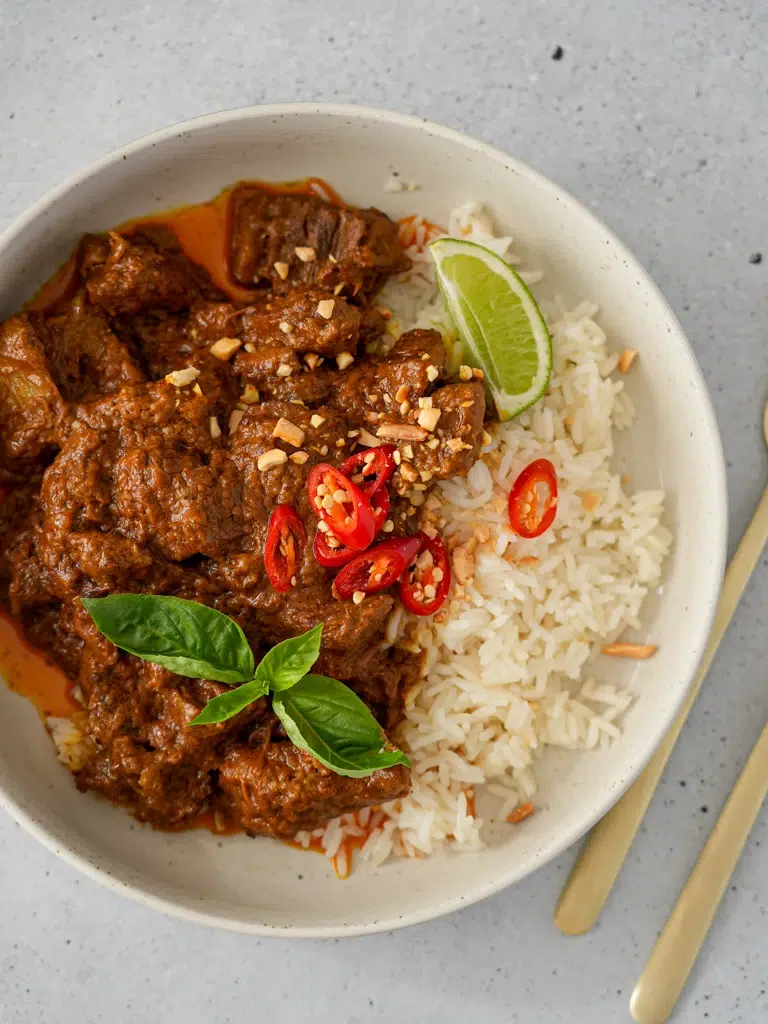
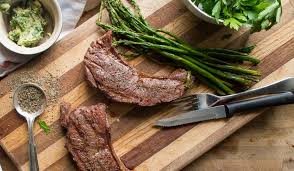
Imagine a steak bursting with bold, tangy flavors, perfectly tender with a mouthwatering sear. That’s the magic of tamarind-marinated bavette steak—a cut often overlooked but filled with rich, beefy character. Bavette, also known as flank or skirt steak in some regions, delivers deep flavor at a great price. When marinated in tamarind’s unique sweet-and-sour tang, it transforms into an unforgettable dish. This flavorful marinade tenderizes the meat while layering an exotic zing you won’t find in traditional steak recipes. Perfect for steak lovers craving something a bit different, tamarind-marinated bavette steak brings vibrant taste and simplicity to your table.
Health Benefits & Nutrition
Tamarind-marinated bavette steak offers more than just flavor—it brings notable health perks too. As a beef cut, bavette steak is a rich source of protein, essential for muscle repair and overall body function. One serving generally delivers around 130 calories with 7 grams of fat, making it a reasonably lean choice compared to fattier cuts.
Tamarind itself provides antioxidants and minerals like magnesium and potassium, which support heart health and digestion. Studies suggest tamarind may help regulate blood sugar and reduce inflammation, thanks to its bioactive compounds (Journal of Food Science and Technology, 2021).
However, be mindful of sodium content from soy sauce in the marinade—those monitoring salt intake or on specific medications should adjust portions accordingly. If you’re pregnant or have food allergies (soy or tamarind), consult your healthcare provider before making this dish a routine meal.
Ingredients & Preparation
Recipe Card
| Prep Time | Total Time | Servings | Calories (per serving) | Diet Tags |
|---|---|---|---|---|
| 15 minutes | 8 hours 45 minutes (includes marinating) | 6 servings | 130 | Gluten-free, High-protein |
Full Ingredient List
- 50 grams (1.75 ounces) tamarind paste
- 1/4 cup soy sauce (use gluten-free if preferred)
- 1/4 cup hot water (freshly boiled)
- 2 tablespoons sunflower oil (or neutral oil of choice)
- 1 tablespoon runny honey
- 1 whole bavette steak (approximately 500 grams / 1 pound)
Equipment Needed
- Mixing bowl
- Whisk or fork
- Non-reactive container or resealable bag for marinating
- Grilled pan or ridged cast-iron skillet
- Sharp chef’s knife
- Cutting board
Tips for Choosing Quality Ingredients
Look for a bavette steak with vibrant deep red color and fine texture. Avoid any meat with a grayish tint or excessive moisture. Genuine Thai tamarind paste, which comes as a dense block, is ideal for a concentrated tart flavor; if using jarred runny paste, adjust quantities accordingly. Opt for high-quality soy sauce—low sodium if preferred—for balanced saltiness. Fresh honey enhances the marinade’s sweetness, so avoid crystallized or overly processed varieties.
Step-by-Step Instructions
Step 1: Prepare Tamarind Mixture (5 minutes)
Combine 50 grams of tamarind paste with 1/4 cup hot water in a bowl. Whisk until smooth and slightly diluted, extracting the full tangy flavor. This gentle warm soak softens the tamarind for the marinade.
Step 2: Whisk Marinade Ingredients (3 minutes)
Add 1/4 cup soy sauce, 2 tablespoons sunflower oil, and 1 tablespoon honey to the tamarind mixture. Whisk thoroughly until the honey dissolves and the marinade is emulsified, creating a glossy, aromatic base.
Step 3: Marinate the Bavette Steak (8 hours, refrigerated)
Place the bavette steak in a resealable bag or shallow dish. Pour the marinade over the steak, ensuring it is fully coated. Seal and refrigerate for at least 8 hours or overnight for maximum tenderization and flavor infusion.
Step 4: Sear the Steak on High Heat (4 minutes)
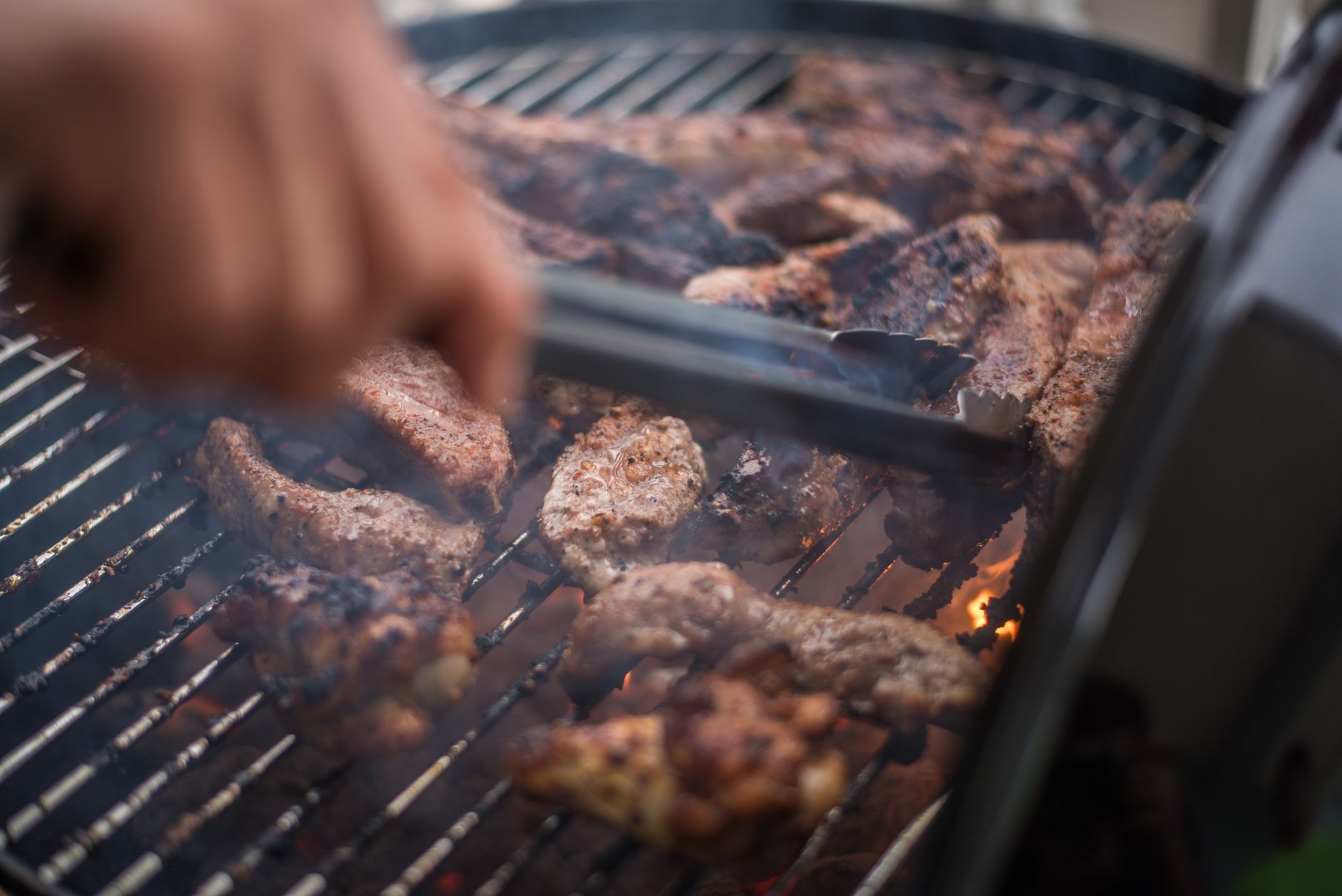
Remove steak from marinade, pat dry with paper towels to ensure a good sear. Heat a ridged griddle or cast-iron skillet until smoking hot. Cook steak for exactly 2 minutes per side for a rare finish, or adjust up to 3 minutes for medium-rare. Avoid overcooking as bavette steak is best served on the rare side.
Step 5: Rest and Slice Against the Grain (10 minutes)
Transfer the steak to a plate and let it rest for 10 minutes to redistribute the juices. Identify the grain (muscle fibers) and slice thinly across them for tender, easy-to-chew bites.
Step 6: Serve and Enjoy
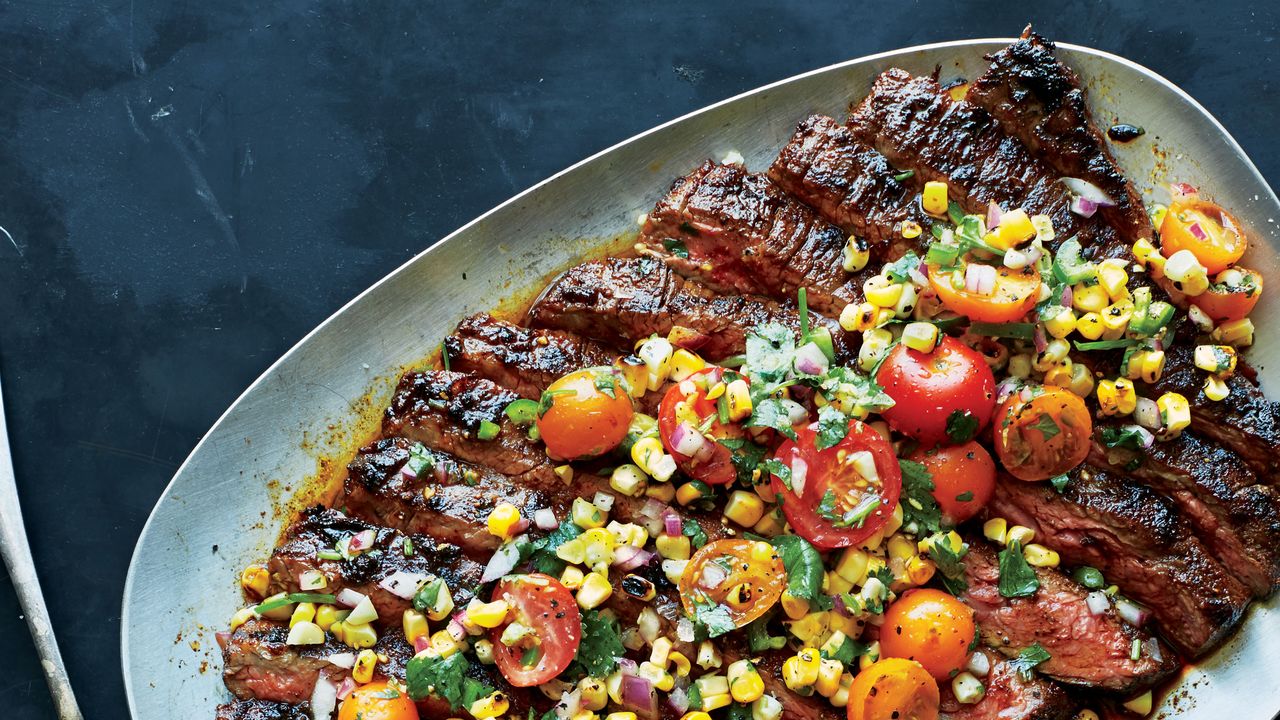
Serve the sliced tamarind-marinated bavette steak immediately with your favorite sides or use it as a star filling in tacos, sandwiches, or salads.

Variations & Substitutions
- Marinade Twist: Swap honey with maple syrup or brown sugar for a different sweetness depth.
- Spice Boost: Add 1 tsp chili flakes or fresh chopped jalapeño to the marinade for heat.
- Vegan-Friendly: Use tamarind marinade on grilled seitan or portobello mushrooms for a plant-based twist.
- Beef Alternative: Substitute bavette with flank or skirt steak if unavailable, adjusting cook time slightly.
- Soy Sauce Note: Tamari can replace soy sauce for gluten-free diets without losing umami.
Storage & Shelf Life
If you have leftovers, store them in an airtight container in the refrigerator for up to 3 days. Keep the steak slices separate from any dressing or salad to maintain texture. To reheat, gently warm in a skillet over low heat to avoid overcooking.
For longer storage, freeze cooked, sliced bavette steak wrapped tightly in plastic wrap and placed inside a freezer bag. It stays good for up to 2 months. Thaw in the fridge overnight before reheating.
Signs of spoilage include off smells, sliminess, or discoloration—discard immediately if noticed.
Pro Tips
- Dry the steak thoroughly before searing to achieve that golden, crispy crust with a satisfying sizzle.
- Keep your pan hot but avoid overcrowding; this ensures even cooking and nitrogen-sealed browning.
- Slice bavette thinly and against the grain to cut muscle fibers, preventing chewiness.
- Resting the steak is key to juicy bites—the juices redistribute and settle instead of spilling out.
- Let the tamarind marinade work its magic overnight; its natural acids gently break down connective tissue.
- If using jarred tamarind paste, reduce water in the marinade to keep flavors concentrated.
When is the best time to eat Tamarind Marinated Bavette Steak?
The optimal time to enjoy tamarind-marinated bavette steak is just after resting, while it’s still warm with juices locked in. It’s perfect for dinner parties or weekend meals when you have a few hours to marinate. Leftovers shine cold for lunches or gourmet sandwiches the next day.
Can I use fresh tamarind pods instead of paste?
Yes, but fresh tamarind pods require peeling and soaking to extract pulp, which takes longer. Tamarind paste offers convenience and consistent flavor, especially for quick marinating.
How rare should I cook bavette steak?
Bavette is best cooked rare to medium-rare—around 2 to 3 minutes per side on a very hot grill. Overcooking makes it tough and chewy.
Is soy sauce necessary in the marinade?
Soy sauce adds umami and salt balance but can be replaced by tamari or coconut aminos for dietary preferences. Keep some salty element for flavor complexity.
Can I prepare the steak ahead on the day of serving?
Marinate overnight for best results. You can briefly grill the steak earlier, then reheat gently before serving, but fresh grilling locks in optimal flavor and texture.
What sides pair well with tamarind-marinated bavette steak?
Light, fresh sides like watercress salad, grilled vegetables, or jasmine rice complement the rich, tangy steak perfectly. Try a recipe like Cowboy steak with roasted shallots and watercress salad for inspiration.
Can I use this marinade for kebabs?
Absolutely! Cut bavette into cubes, marinate, then thread onto skewers and grill. Just reduce marinating time to 4-6 hours for optimum texture.
More Recipes You Will Love
If you enjoy tamarind-marinated bavette steak, explore other bold beef recipes like the Braised sunday pot roast recipe for slow-cooked richness or the Cowboy steak with roasted shallots and watercress salad 19590549 for a fresh, smoky contrast.
Each recipe delivers a unique take on beef, showcasing different cooking techniques and flavors to keep your meals exciting and satisfying.

Conclusion
Tamarind-marinated bavette steak is a flavorful, affordable cut elevated by a zesty and tenderizing marinade. Its ease of preparation, combined with bold taste, makes it a standout recipe for any home cook seeking to impress. Give this recipe a try and enjoy the juicy, tangy richness that only this unique marinade can deliver. Feel free to share your experiences, rate the recipe, or leave comments below to let us know how your steak turned out!
FAQs
When is the best time to eat Tamarind Marinated Bavette Steak?
The best time to eat Tamarind Marinated Bavette Steak is when you want a flavorful, protein-rich meal that’s perfect for lunch or dinner. Its bold tangy taste makes it ideal for special occasions or a satisfying weekday meal.
How long should I marinate the bavette steak in tamarind?
Marinate the bavette steak for about 8 hours in the refrigerator. This allows the tamarind’s acidity to tenderize the meat and infuse it with its distinctive sweet-and-sour flavor.
Can I substitute tamarind paste with another ingredient?
While tamarind paste provides a unique tangy flavor, you can substitute it with a mix of lemon or lime juice combined with brown sugar for a similar sweet-and-sour effect, though the flavor profile will be less complex.
What is the best method to cook tamarind-marinated bavette steak?
Grilling or pan-searing in a ridged cast-iron skillet is recommended. Cook the marinated steak over high heat for a quick sear, locking in juices while creating a flavorful crust.
Is Tamarind Marinated Bavette Steak suitable for a gluten-free diet?
Yes, it can be gluten-free if you use gluten-free tamarind paste and substitute regular soy sauce with gluten-free soy sauce or tamari to avoid gluten contamination.