Why Summer Peach and Rhubarb Crostata Works
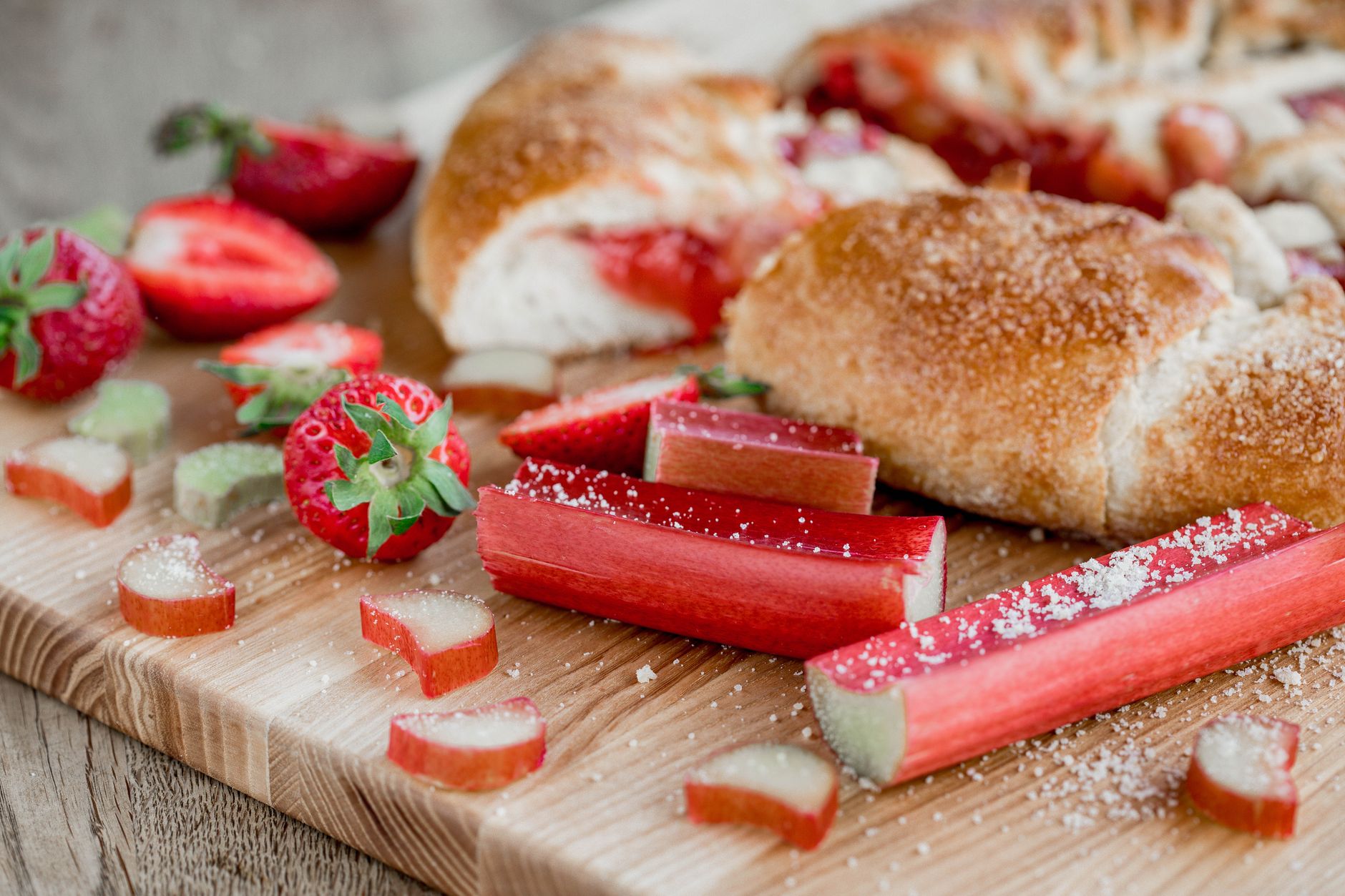
The first time I pulled these from the oven, the kitchen smelled of caramelized peach and sharp lime before I even saw the golden edges. A summer peach and rhubarb crostata is a free-form rustic tart. It uses a square of puff pastry folded around a filling of ripe peaches and tart rhubarb. This version bakes four individual crostatas at 400°F for 25 to 30 minutes, then glazes them with syrup reduced from the fruit juices.
Peaches bring sweetness and perfume, while rhubarb keeps the filling bright and lively. Puff pastry does the heavy lifting on texture, puffing into flaky layers. A spoonful of cool, lime-kissed crème fraîche on top balances the warm fruit. You get a dessert that feels special but needs no special skills, just a rolling pin and a little patience.
Once you have made it once, it becomes a go-to for peach season. The recipe scales easily to a weeknight dinner party, and the individual shape makes serving simple.
Health Benefits and Nutrition
This is a dessert, so it is best enjoyed as a treat rather than an everyday staple. That said, some of the ingredients offer useful nutrients. Peaches contain vitamin C and vitamin A, the latter in the form of beta-carotene. They also provide some dietary fiber, especially when you eat the skin.
Rhubarb is low in calories and contributes fiber along with a modest amount of vitamin K. Its natural tartness means you can use less added sugar than you might expect for a fruit dessert. Lime juice and zest add flavor without extra sweetness, which helps keep the sugar balanced.
Crème fraîche adds some calcium and a rich, tangy flavor, but it is also high in saturated fat. A small dollop goes a long way. Using agave in the crème fraîche is a matter of taste, and the amount here is small.
Per serving, this recipe comes to roughly 330 calories, with about 14 grams of fat and about 40 grams of sugar. These figures are approximate estimates. Actual values depend on your peaches, brand of puff pastry, and exact portion sizes.
Safety notes: The triple sec contains alcohol. Some of it may remain after a short bake, so this dessert is not suitable for children or anyone avoiding alcohol. If you are pregnant, managing blood sugar, or taking blood thinners such as warfarin, talk with your doctor or a registered dietitian before adding this dessert regularly. Rhubarb‘s vitamin K content can matter for people on certain medications. Puff pastry contains wheat and butter, so check labels if you have a gluten or dairy allergy. Always consult a professional for personal dietary advice.
Ingredients and Preparation
Recipe Card
| Prep time | Cook time | Total time | Servings | Calories (approx) | Diet tags |
|---|---|---|---|---|---|
| 35 min (includes 10 min resting the fruit) | 30 min | 1 hr 5 min | 4 individual crostatas | About 330 per serving | Vegetarian (check pastry label), contains gluten, dairy, and alcohol |
Full Ingredient List
Gather everything before you start. Puff pastry moves quickly once it warms up, so having your tools ready helps.
For the crostatas:
- 4 cups small-diced peaches (about 6 medium peaches)
- 2 cups thinly sliced peeled rhubarb (about 2 small stalks)
- 1 tablespoon fresh lime juice
- 1 tablespoon triple sec
- 1 vanilla bean, split and scraped
- 1/3 cup plus 1 tablespoon sugar, divided (1/3 cup for the fruit, 1 tablespoon for the pastry edges)
- 1 sheet frozen puff pastry, thawed just enough to handle without cracking
- All-purpose flour, for dusting
For the crème fraîche:
- 1 cup crème fraîche
- 1 tablespoon agave nectar
- Zest and juice of 1/2 lime
- Fresh mint sprigs, for garnish
Equipment Needed
- A 6-inch round cutter or a 6-inch circular template
- A rimmed baking sheet lined with parchment paper
- A floured rolling pin
- A medium mixing bowl and a slotted spoon
- A pastry brush and a fork
- A small saucepan for reducing the syrup
- A small bowl and a whisk

Tips for Choosing Quality Ingredients
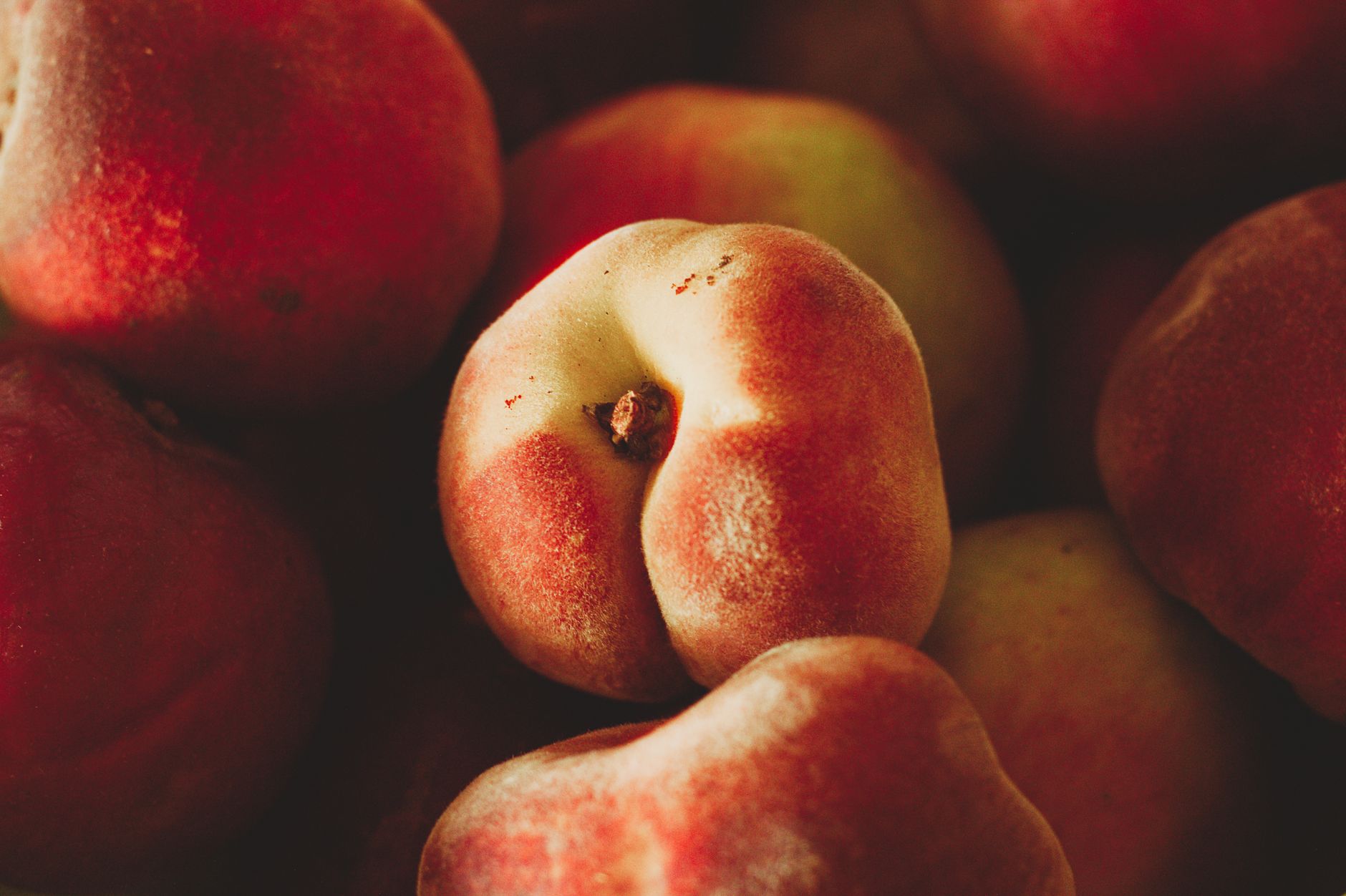
Choose peaches that smell sweet at the stem end and give slightly when pressed. Rock-hard fruit stays firm and tastes thin after baking. Soft, bruised peaches will turn to mush, so save those for a sauce. Freestone varieties are easier to dice because the pit pulls away cleanly.
Look for slim, crisp rhubarb stalks with a deep red or pink colour. Thick, woody stalks tend to be stringy. Only the stalks are eaten. The leaves contain compounds that make them unsafe to eat, so trim and discard them before you start.
For the pastry, a good all-butter puff pastry bakes up flakier and tastes richer. Check the label for lard or other fats if you follow a specific diet. Vanilla bean gives a warm, floral note, but good-quality vanilla extract works in a pinch.
Step-by-Step Instructions
Step 1: Preheat the Oven and Macerate the Fruit
Preheat your oven to 400°F with a rack in the lower-middle position. Line a baking sheet with parchment paper. In a medium bowl, combine the diced peaches, sliced rhubarb, 1 tablespoon lime juice, 1 tablespoon triple sec, the scraped vanilla bean, and 1/3 cup of the sugar. Stir gently, then let the mixture rest for 10 minutes while the juices pool at the bottom of the bowl.
Step 2: Roll, Cut, and Shape the Pastry
Unfold the puff pastry onto a lightly floured surface. Roll it with a floured rolling pin to about 1/8 inch thick, dusting the pin as needed so the dough does not stick. Use a 6-inch round cutter to cut four circles, and move them onto the prepared sheet. Fold 1/2 inch of dough over itself around each edge, then crimp with your fingers to make a thin border. Pierce the center of each circle all over with a fork. The dough should feel cool and flexible. If it turns soft or sticky, slide the tray into the fridge for 5 minutes before you continue.
Step 3: Fill and Brush the Crostatas
Use a slotted spoon to lift the fruit out of the bowl, leaving the excess liquid behind. Mound roughly one-quarter of the fruit into the center of each circle, keeping it inside the folded border. Spoon some of the remaining juice from the bowl into a small dish, and set the rest aside for the syrup. Brush each pastry edge with a little of the reserved juice. Sprinkle the edges with the remaining 1 tablespoon of sugar. The sugar should look slightly crunchy before it goes in the oven.
Step 4: Bake Until Golden and Bubbling
Bake the crostatas for 25 to 30 minutes, until the pastry edges are deep golden brown and the fruit in the centers is bubbling thickly. You will smell caramelized peach and see small bubbles push through the juices. If the bottoms look pale after 20 minutes, move the tray to a lower rack for the final few minutes. Check the bottoms as well. They should be golden, not pale or damp.
Step 5: Reduce the Fruit Juices into Syrup
While the crostatas bake, pour the reserved fruit juices into a small saucepan. Simmer over medium heat for about 5 minutes, stirring now and then. The syrup is ready when it coats the back of a spoon and drips slowly rather than running off. Watch it closely near the end, because it thickens quickly once it begins to reduce.
Step 6: Make the Crème Fraîche and Finish the Crostatas
In a small bowl, whisk the crème fraîche, agave, lime zest, and lime juice for about 30 seconds, until smooth and lightly thickened. Crème fraîche will not form stiff peaks like whipped cream, so stop once it holds a soft dollop shape. Remove the crostatas from the oven and brush or spoon the warm syrup over the fruit and edges as a glaze. Let them cool for about 5 minutes. Serve each one with a spoonful of crème fraîche and a sprig of mint.
Variations and Substitutions
This recipe is forgiving, and a few swaps keep the spirit of the dish. Each one changes the flavour a little, so taste as you go.
Use frozen peaches instead of fresh. Thaw the peaches and drain them well in a sieve for 10 minutes before dicing. Frozen fruit releases more liquid, so you may need to reduce the syrup for an extra minute or two. Use a 1:1 swap by volume, but expect a slightly softer filling.
Swap the triple sec for orange juice. Replace the tablespoon of triple sec with 1 tablespoon of fresh orange juice. You will lose the citrus-liqueur depth, but you keep the brightness and the gentle orange note. This version works well for families who want to skip the alcohol.
Try strawberries or raspberries in place of rhubarb. Use 2 cups of hulled, halved strawberries or whole raspberries. Berries are softer and sweeter than rhubarb, so cut the sugar in the fruit mix to 1/4 cup and taste the filling before you fill the pastry. The result is less tart and more jammy.
Swap the agave for honey or maple syrup. Use 1 tablespoon of honey or maple syrup in the crème fraîche at a 1:1 ratio. Honey adds a floral note, while maple gives a deeper, caramel-like flavour that pairs well with baked peaches.
If you want a quick alternative to the crème fraîche, a spoonful of plain Greek yogurt with lime zest works. It is lighter and tangier, though it will not feel as rich.
Storage and Shelf Life
Crostatas are best eaten the day they are baked. Puff pastry loses its crispness as the fruit juices soak in. If you have leftovers, store them in an airtight container in the fridge for up to 2 days. Keep the crème fraîche in a separate container, since it can make the pastry soggy if stored together.
To revive a leftover crostata, reheat it on a baking sheet at 300°F for 8 to 10 minutes. The pastry will crisp up again, though not quite as much as when it first came out of the oven. Avoid the microwave, which makes the edges chewy.
For freezing, shape the crostatas but do not bake them. Arrange them on a tray and freeze until firm, about 2 hours, then move them to a freezer bag. They keep for up to 3 months. Bake them straight from frozen, adding a few extra minutes to the time and checking the edges often.
Signs of spoilage: Discard the crostatas if you notice a sour or fermented smell, visible mould, or pastry that has turned sticky or slimy. Crème fraîche that smells sharp or has separated into watery layers should also be thrown out.
Pro Tips for Better Crostatas
Dice the peaches into pieces about the size of a grape. Smaller pieces release juice faster and cook through in the same time, while larger chunks can stay firm in the middle. Peeling is optional. The skin adds colour and some extra fibre, but it can curl up if the peaches are very ripe.
Always use a slotted spoon when you move the fruit. Too much liquid in the centre is the most common reason for a soggy base. Reserve the juice for the syrup, and only add a small amount to the edges.
Keep your pastry cool. If the dough warms up, it will stretch, shrink, and lose its layers. Work with one circle at a time, and return the rest to the fridge. The folded border should be neat, but do not worry about perfection. Rustic edges look lovely.
Reduce the syrup gently over medium heat rather than high. High heat can scorch the sugar and make it bitter. Remove the pan from the heat once the syrup coats a spoon, since it keeps thickening as it cools.
Rhubarb juice stains cutting boards, countertops, and light-coloured clothing. Wipe up spills right away with a damp cloth. For wooden boards, a paste of baking soda and water helps lift stubborn pink marks.
Common Questions About This Crostata
When is the best time to eat Summer Peach and Rhubarb Crostata?
The best time to eat it is warm, about 5 to 15 minutes after it leaves the oven, while the pastry is still crisp. At that point the fruit is bubbling, the syrup is glossy, and the crème fraîche stays cool and creamy. It is also good at room temperature later the same day, though the pastry will soften slightly as it sits.
How do I stop the rhubarb from making the crostata watery?
Use a slotted spoon to lift the fruit out of its juices before you fill the pastry. Slice the rhubarb thinly so it cooks through completely. Fill each crostata to a single mound rather than piling it high. Those three steps keep most of the liquid where it belongs and help the base stay crisp.
Can I use frozen peaches instead of fresh ones?
Yes, frozen peaches work well, provided you thaw them first. Drain off the extra liquid through a sieve, and pat the fruit dry with a towel. The filling will be a little softer, so reduce the syrup for an extra minute or two. Avoid adding frozen fruit straight to the pastry, since it can make the base wet.
Can I make the crostatas ahead of time?
You can prepare them in advance, but bake them shortly before serving. Shape the crostatas, cover them, and refrigerate for up to 4 hours. Add the fruit just before baking, so the juices do not soak into the dough. The syrup can be made a day ahead and gently reheated while the crostatas bake.
Do I need to peel the peaches for this recipe?
Peeling is optional. The skin softens during baking and adds colour and a little fibre to the filling. If you prefer a smoother texture, blanch the peaches for 30 seconds in boiling water, then slip off the skins. Peeled peaches look more elegant on the plate, but the flavour is nearly the same.
Is the triple sec really necessary?
No, it is not essential. The triple sec adds a light orange and citrus depth that complements the peaches. If you leave it out, the filling still tastes good, but it will be slightly less layered. Orange juice is a simple substitute that keeps the flavour bright without any alcohol.
Can I use homemade pastry instead of store-bought puff?
Yes, homemade puff or a good all-butter rough puff works well. Roll it to the same 1/8-inch thickness and chill it before cutting, so the layers stay distinct in the oven. Store-bought frozen sheets are far quicker, and they give consistent results for busy weekends.

More Recipes You Will Love
If you enjoy the balance of fruit and buttery pastry here, try the Marbled chocolate brownies. They are dense, fudgy, and a good choice when you want something rich and chocolatey for a crowd. The swirls of cream cheese are simple to make and look impressive on a dessert table.
For a cool finish after a warm bake, a bowl of No-churn strawberry ice cream Nigella pairs beautifully with crostatas. It requires no ice cream maker, and the strawberry flavour complements the peaches. Scoop a little on top of a warm crostata for an easy and memorable finish.
Once you have mastered this crostata, try swapping in different seasonal fruits as they come into the market. Plums, blackberries, and apples all work with the same method. Keep the proportions similar, and adjust the sugar to suit the sweetness of the fruit.
Conclusion
This summer peach and rhubarb crostata has become one of my favourite ways to celebrate peak fruit season. It is simple, forgiving, and rewarding to serve. The golden pastry, bubbling fruit, and tangy crème fraîche make every bite feel special. If you bake it, I would love to hear how it turned out for you. Leave a comment below, rate the recipe, or share a photo of your crostatas with friends who love peach season as much as you do.
FAQs
When is the best time to eat Summer Peach And Rhubarb Crostata?
The best time to eat Summer Peach And Rhubarb Crostata is warm, within a few hours of baking, while the pastry is still crisp. Peak summer peach season gives the sweetest and most fragrant fruit. Add a spoonful of cool lime crème fraîche just before serving to balance the warm filling.
Can you make Summer Peach And Rhubarb Crostata ahead of time?
You can prepare the fruit filling a few hours ahead and keep it chilled, but assemble and bake the crostatas shortly before serving. Puff pastry softens over time, which can cause it to lose its flaky layers and turn soggy under the juicy fruit.
Can you use frozen peaches in this crostata?
Yes, frozen peaches can work if you thaw them fully and drain off excess liquid before mixing them with the sugar, lime juice, and rhubarb. Extra juice is the main risk, because it soaks into the pastry and prevents it from crisping during the 25 to 30 minute bake.
Why did my crostata turn out soggy?
Soggy crostatas usually come from too much fruit juice or pastry that has warmed up too much. Pour off loose juice into a small pan to reduce for the glaze, keep the sugar measured, and chill the shaped crostatas before baking. Fold the edges tightly so juices stay inside and the pastry can puff properly.
Is Summer Peach And Rhubarb Crostata safe if I avoid alcohol?
No, this dessert is not suitable if you avoid alcohol. The triple sec in the filling contains alcohol, and some of it may remain after a short bake. Omitting the triple sec is one option, but talk with your doctor if you need to avoid alcohol for health, pregnancy, or medication reasons.