Quick answer: Yes, you can still enjoy a plate of pasta even if you have diabetesjust choose the right kind, watch the portion, and pair it with protein and veggies. The safest bet is a highfiber, lowGI option like wholewheat, chickpea, or shirataki noodles. Keep the serving to about cup cooked, and youll stay in control of your bloodsugar spikes.
Bottom line: Pick pasta thats rich in fiber and protein, measure your portion, and balance every bowl with healthy fats and nonstarchy vegetables. Thats the recipe for a delicious, diabetesfriendly meal that wont leave you guessing.
What Makes Pasta DiabetesFriendly
When we talk about diabetesfriendly pasta, were really looking at three things: the glycemic index (GI), fiber content, and overall carbohydrate load. A lower GI means the carbs break down slower, causing a gentler rise in blood glucose. Fiber does the same thingit slows digestion and helps you feel full longer.
For instance, wholewheat spaghetti usually lands around a GI of 4555, while classic white pasta hovers near 70. That difference can be the gap between a modest postmeal rise and a spike that sends you scrambling for medication.
According to Diabetes.org.uk, the American Diabetes Association recommends aiming for at least 25g of fiber a day; a single serving of legumebased pasta can give you nearly a third of that goal.
Top Pasta Choices
Below is a quick rundown of the most popular pasta options for people managing blood sugar. Each one has its own strengths, so you can mixandmatch depending on taste, budget, and how low you need to go on carbs.
| Brand / Type | Base Ingredient | Net Carbs (cup cooked) | Fiber (g) | GI Approx. | Price (USD) |
|---|---|---|---|---|---|
| Barilla WholeWheat | Wholewheat durum | 20g | 3 | 4555 | 2.50 |
| Banza Chickpea | Chickpea flour | 18g | 8 | 3545 | 3.20 |
| Shirataki (Konjac) | Konjac root | 2g | 1 | 05 | 2.00 |
| Explore Cuisine Black Bean | Black bean flour | 19g | 7 | 3040 | 4.00 |
| Barilla Protein+ | Wheat + soy protein | 19g | 5 | 4555 | 3.00 |
Why these matter: Chickpea and blackbean pastas give you a double dose of protein and fiber, which both blunt the sugar surge. Shirataki noodles are practically carbfree, making them the goto for ultralowcarb days. Wholewheat stays close to traditional pasta in texture, so its a gentle upgrade you can adopt without feeling like youre missing out.
How Often Can You
Wondering if a weekly pasta night is realistic? Absolutelyif you keep the portion modest. The American Diabetes Associations carbcounting guidelines suggest a typical meal should contain roughly 4560g of carbs. A cup of cooked wholewheat pasta fits neatly into that range (20g net carbs), leaving room for the rest of your plate.
Heres a simple weekly plan:
- Monday: Breakfast Greek yogurt with berries; Lunch Salad with grilled chicken; Dinner cup wholewheat spaghetti, turkey meatballs, and roasted broccoli.
- Wednesday: Swap the pasta for a veggiezoodle stirfry (lowcarb).
- Friday: cup chickpea pasta tossed with sauted spinach, olive oil, and a sprinkle of parmesan.
This schedule lets you enjoy pasta once a week without blowing your daily carb budget. If your A1C is already on the higher side, you might want to keep the frequency to once every two weeks and pair each serving with extra protein (like fish or tofu) and plenty of nonstarchy vegetables.
DIY Diabetic Pasta
Feeling adventurous? Making your own pasta at home can be surprisingly simple, and you control every ingredient. Below is a nofuss wholewheat recipe that yields about four servings.
Ingredients
- 2 cups wholewheat flour
- 2 large eggs
- tsp salt
- 12 tbsp water (optional)
Directions
- Heap the flour on a clean surface, make a well in the center, and crack the eggs into it.
- Whisk the eggs with a fork, gradually pulling in flour until a shaggy dough forms.
- Knead for 810 minutes until smooth. If it feels too dry, drizzle in water a tablespoon at a time.
- Wrap in plastic and let rest 30 minutes.
- Roll out thin (1mm) and cut into your favorite shapefettuccine, tagliatelle, or even mini shells.
- Boil in salted water for 34 minutes (aldente) and toss with your favorite sauce.
One serving (cup cooked) of this homemade wholewheat pasta contains roughly 20g of net carbs and 4g of fibera perfect balance for a steady glucose response.
LowCarb & GlutenFree
Lowcarb doesnt automatically mean lowglycemic. Some glutenfree blends are made from white rice or corn, which still carry a high GI. If you need to avoid gluten for celiac disease or sensitivity, look for options that combine quinoa, millet, or legumes instead of plain rice.
Best Asian noodle picks for diabetics include buckwheat soba (15g carbs per cup) and konjac ramen (practically zero carbs). According to Medical News Today, the fiber in konjac helps keep you feeling full while delivering almost no impact on blood sugar.
If youre on a very lowcarb diet, shirataki noodles or spiralized zucchini (zoodles) are unbeatable. They give you the pasta feel without the carb load, and you can top them with everything from a hearty Bolognese to a quick pesto.
Portion Control Tips
Measuring a pasta portion can be tricky if you rely on eyeballing. Heres a proven method:
- The cupped hand trick: A cupped hand (about cup) of cooked pasta equals a standard serving.
- Food scale: 100g uncooked pasta 30g net carbs. Weighing it before cooking gives you the most accurate count.
Once youve measured the noodles, follow the plate rule: fill of your plate with pasta, with nonstarchy vegetables, and with protein and healthy fat (think grilled salmon, olive oil drizzle, or a sprinkle of nuts). This visual guide keeps carbs in check while ensuring your meal is nutritionally balanced.
Testing your blood sugar after a pasta meal can also teach you a lot. Check 30minutes to two hours after eating; a rise of less than 30mg/dL usually means your portion and choice were spoton.
Balancing Benefits and Risks
Lets be honestpasta isnt a miracle cure, and it does carry carbs. The risk is that overeating or choosing a highGI variety can cause a rapid glucose surge, which over time may strain insulin production. The benefit, however, is that the right pasta can be a source of fiber, plant protein, and even iron, especially when you pair it with nutrientdense sauces.
So the mantra is simple: choose wisely, serve modestly, and pair thoughtfully. If you ever feel unsure, a quick chat with a registered dietitian can personalize the recommendations for your exact medication regimen and activity level.
Conclusion
In short, the best pasta for diabetics isnt a single brandits a family of options that keep the glycemic impact low while delivering flavor and texture you love. Wholewheat, chickpea, and shirataki noodles sit at the top of the list, and a cup serving paired with protein and veggies lets you enjoy a pasta night once a week (or even more often if you stay mindful).
Give one of these alternatives a try this week. Toss it with a bright tomatolentil sauce or a creamy avocado dressing, and notice how steady your energy feels afterward. If you have a favorite diabetesfriendly pasta recipe, why not share it with someone you know? Together we can prove that managing blood sugar doesnt mean giving up the foods we love.
FAQs
Can I eat regular white pasta if I have diabetes?
Regular white pasta has a higher glycemic index (around 70) and lower fiber, which can cause a quicker rise in blood glucose. If you choose it, keep portions very small and pair it with plenty of protein, healthy fats, and non‑starchy vegetables.
What is the lowest‑carb pasta option?
Shirataki (konjac) noodles contain about 2 g net carbs per cup and virtually no calories, making them the go‑to choice for ultra‑low‑carb days.
How much pasta is a safe serving for a diabetic meal?
A standard portion is roughly 1 cup cooked (about 100 g uncooked). This provides 18‑20 g net carbs and can fit within a 45‑60 g carb meal plan when balanced with protein and veggies.
Are legume‑based pastas (chickpea, black bean) good for blood sugar?
Yes. They deliver extra protein and fiber (7‑8 g fiber per serving) which slows carbohydrate absorption and helps keep post‑meal glucose spikes modest.
Should I count the carbs from the sauce as well?
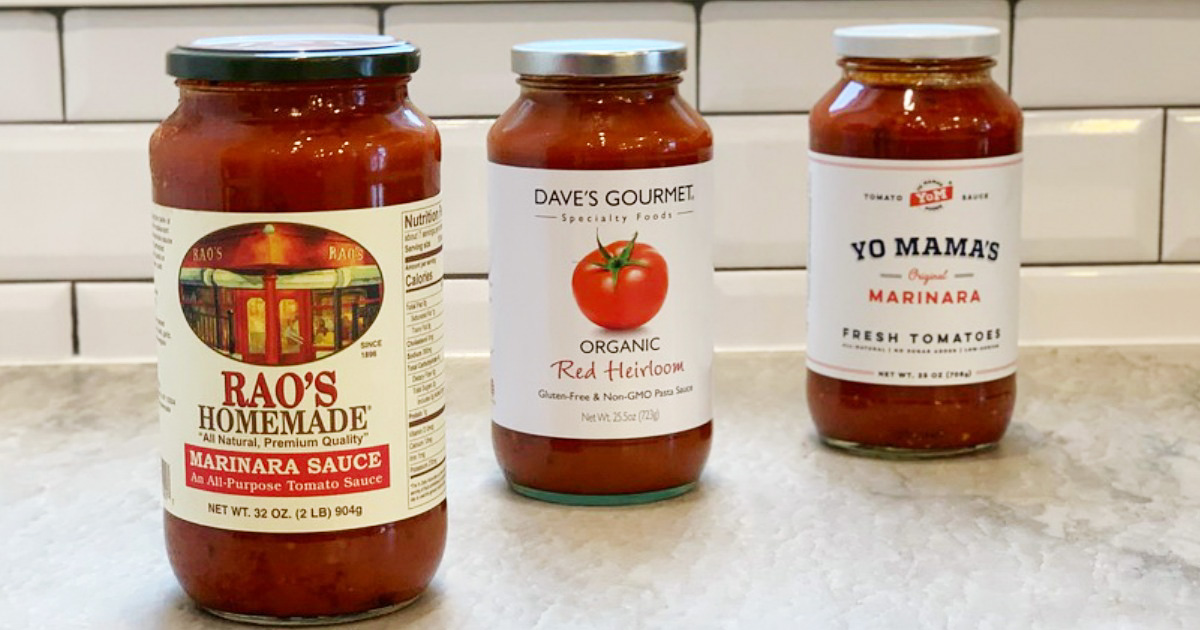
Absolutely. Sauces, especially tomato‑based ones, can add 5‑10 g carbs per half‑cup. Choose low‑sugar sauces or limit the amount and add healthy fats (olive oil, avocado) to further blunt the glucose response.