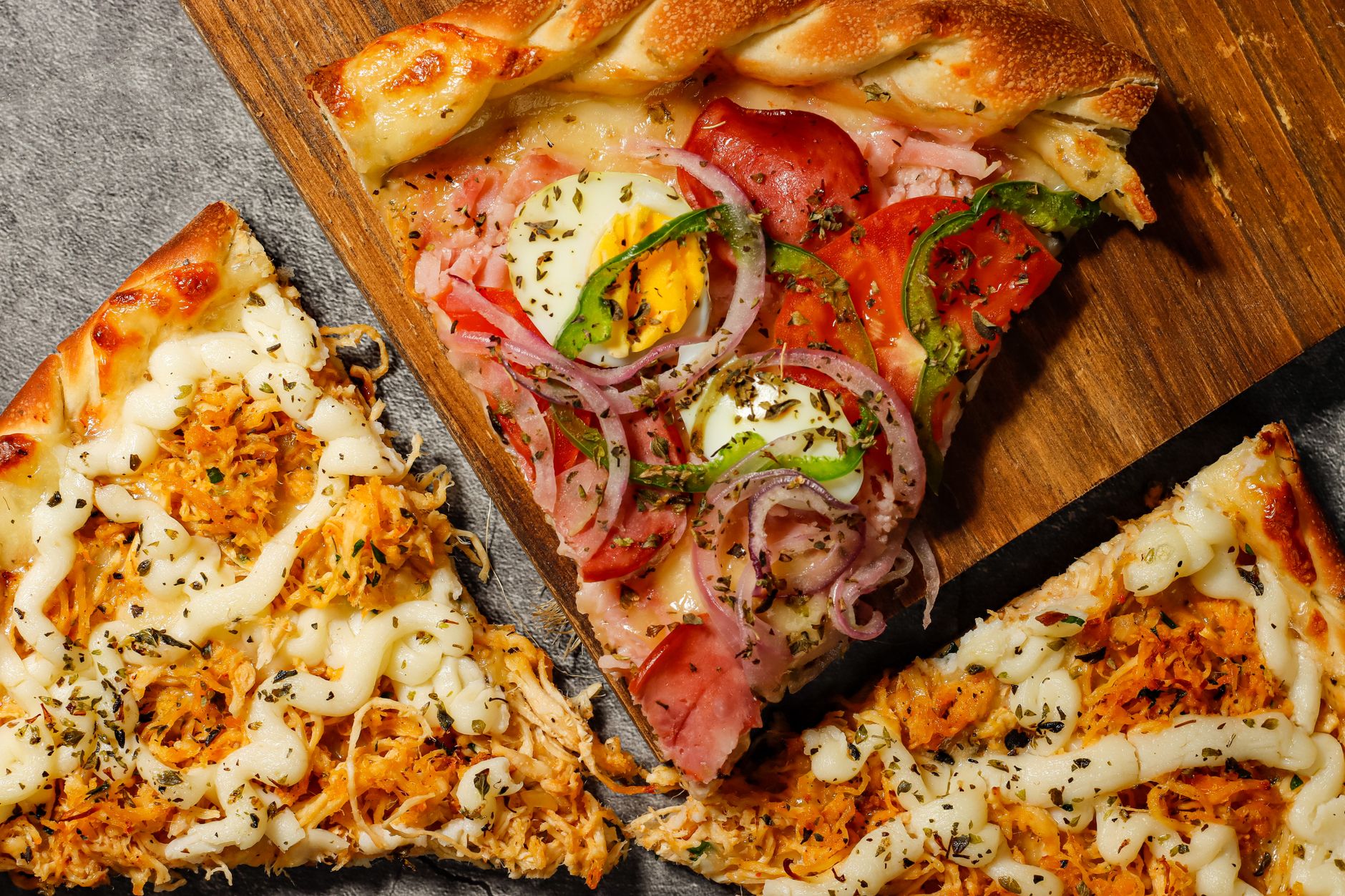
Why This Spicy Chicken Pizza Works
Lime and jalapeno hit the chicken first, and then the whole kitchen smells bright and sharp before the oven even heats up. This Spicy Chicken Pizza Recipe pairs that tangy, peppery chicken with melted mozzarella and fontina on a chewy homemade crust. The original formula comes from chef Wolfgang Puck, and I have made it enough times to know where it shines and where it needs attention.
Spicy Chicken Pizza is a homemade pizza topped with lime-marinated chicken, mozzarella, fontina, tomatoes, and jalapeno on yeasted dough. The chicken marinates about an hour in peanut oil, lime juice, and jalapeno, then gets seared before baking at 525 degrees F. Plan about two hours and twenty minutes, mostly for dough rising and marinating, and it serves eight.
This is not a quick weeknight pizza. It is a weekend project that rewards patience. The dough needs time to rise, and the chicken needs its marinade. Once those steps are done, the rest moves fast.
Health Benefits and Nutrition
This pizza is a satisfying meal, and its ingredients bring a few useful nutrients to the table. Chicken is a good source of protein, which helps you feel full after eating. Tomatoes contribute vitamin C and lycopene, a plant compound that gives them their red color. Onion and eggplant add fiber and extra vegetables to what is otherwise a cheese-and-meat dish.
Be realistic about the rest. Based on the original recipe‘s nutrition analysis, one serving of this pizza lands at roughly 736 calories, with about 46 grams of total fat, 17 grams of saturated fat, and 717 milligrams of sodium. These figures are approximate estimates and will shift depending on your brands, portion size, and how much cheese you use. Think of this as a rich, indulgent slice, not a light lunch.
A few safety notes apply. Cook the chicken until it reaches an internal temperature of 165 degrees F, and use a food thermometer rather than guessing. This dish contains wheat, dairy, and possibly tree-nut-free but peanut-oil-based ingredients, so check labels if you have food allergies. If you are pregnant, managing a medical condition, or limiting sodium or saturated fat, please talk with your doctor or a registered dietitian about whether this recipe fits your needs.
Ingredients and Preparation
Recipe Card
| Prep time | Cook time | Total time | Servings | Calories (approx.) | Diet tags |
|---|---|---|---|---|---|
| 1 hr 50 min | 30 min | 2 hr 20 min | 8 | 736 per serving | High-protein, contains dairy, contains gluten, not vegetarian |
Prep time includes the one-hour chicken marinade and the 30-minute dough rise, so plan your afternoon around them.
Ingredient List
- 3 cups (about 1 pound) skinned, boned, and cubed chicken
- 1/2 cup peanut oil, for the marinade
- 1 tablespoon peanut oil, for searing
- 3 1/2 tablespoons lime juice
- 2 teaspoons chopped jalapeno pepper
- 1 pinch chopped fresh cilantro
- Salt, lightly, to taste
- 1 package active dry or fresh yeast (about 2 1/4 teaspoons)
- 1 teaspoon honey
- 1 cup warm water (105 to 115 degrees F), divided into 1/4 cup and 3/4 cup
- 3 cups all-purpose flour
- 1 teaspoon kosher salt
- 1 tablespoon extra virgin olive oil, plus extra for brushing
- 3 cups grated mozzarella
- 2 cups grated fontina
- 1 pound (about 6) plum tomatoes, ends removed and thinly sliced
- 1/2 cup eggplant, cubed and sauteed or grilled
- 1/2 cup onion, sliced, grilled, and chopped
- Chopped chives, for garnish
- 4 teaspoons grated Parmesan
Equipment Needed
You will need a stand mixer with a dough hook, or a food processor with a steel blade. A large skillet that holds all the chicken in one layer makes the sear much easier. Add a pizza stone or baking steel, a pizza peel or flat baking sheet, a box grater, and an instant-read thermometer for the water and the chicken. A medium bowl and a clean towel for covering the dough round out the list.
Tips for Choosing Quality Ingredients
Buy a block of mozzarella and a block of fontina and grate them yourself. Pre-shredded cheese often contains anti-caking starches that keep it from melting as smoothly. Choose plum tomatoes that feel firm and smell fresh at the stem end. Pick limes that feel heavy for their size, since they usually yield more juice. Fresh jalapenos should look glossy and firm with no soft spots.
Step-by-Step Instructions
Step 1: Make the Pizza Dough
In a small bowl, dissolve the yeast and honey in 1/4 cup of the warm water and let it stand until foamy, about 5 minutes. In a mixer fitted with a dough hook, combine the flour and kosher salt. Add the oil, the yeast mixture, and the remaining 3/4 cup of water, then mix on low speed for about 5 minutes until the dough pulls cleanly from the sides of the bowl. Turn it onto a clean surface, knead by hand for 2 or 3 minutes, cover with a damp towel, and let it rise in a warm spot for about 30 minutes.
Water temperature matters more than you might expect. The first time I made this, the water felt warm to my wrist, but it was hot enough to kill the yeast. The dough never rose. Now I check the water with a thermometer every time.
Step 2: Marinate the Chicken
Arrange the cubed chicken in a medium bowl and toss it with 1/2 cup peanut oil, the lime juice, jalapeno, and cilantro. Season lightly with salt. Cover and refrigerate for about 1 hour while the dough rises.
I stick close to the one-hour mark. When I let the chicken soak for much longer, the acid from the lime made the texture turn mealy and soft instead of tender.
Step 3: Sear the Chicken
Heat the remaining 1 tablespoon of peanut oil in a large skillet over medium-high heat for about 1 minute. Add the chicken in a single layer and cook for 6 to 8 minutes, turning occasionally, until the cubes are browned on all sides. Remove from the heat and let the chicken cool slightly before topping the pizza.
Listen for a steady sizzle, not a loud spatter. Golden edges and a light crust tell you it is ready. Once, I cooked the chicken all the way through in the pan, and it turned rubbery after another 15 minutes in the oven. The chicken should be browned but not fully cooked, because it finishes baking on the pizza.
Step 4: Preheat the Oven and Shape the Dough
Preheat the oven to 525 degrees F with the pizza stone on the middle rack, and let it heat for at least 45 minutes. Divide the risen dough into 4 balls of about 6 ounces each. On a lightly floured surface, press and stretch each ball into a round about 10 inches across, leaving the edges slightly thicker.
Stretch the dough gently by hand, not with a rolling pin. Rolling pushes out the air bubbles that give the crust its chew. If the dough springs back, let it rest for five minutes and try again.
Step 5: Top and Bake the Pizza
Brush each round lightly with olive oil. Top with mozzarella, fontina, tomato slices, eggplant, onion, the seared chicken, and a sprinkle of Parmesan. Slide the pizza onto the hot stone and bake for 15 to 20 minutes, until the crust is deep golden and the cheese bubbles at the edges. Scatter chives over the top before slicing.
My early attempts had soggy spots because I put wet eggplant on the dough. Now I salt the cubes for 15 minutes, pat them dry, and then saute them until they lose their moisture. I also tried swapping the fontina for extra mozzarella, and the pizza turned stringy and lost its nutty flavor. Keep the fontina.
Variations and Substitutions
The base recipe is flexible, and a few simple changes can shift the flavor. Start with the heat level. For a milder pizza, use 1 teaspoon of seeded jalapeno. For more heat, use 3 teaspoons and leave some seeds in. Adjust gradually, because the chicken only soaks in the marinade for an hour.
Thighs make a juicier alternative to breast. Use boneless, skinless chicken thighs in the same amount, and sear them for about 1 to 2 minutes longer, until they are browned and no longer pink in the center. Thighs contain a bit more fat, so the pizza will be slightly richer.

If you like the flavors but want a bowl, try the spicy chicken rice bowl recipe. It uses a similar lime and chili profile over rice and greens, with no dough required. It makes a good option for a lighter weeknight.
For a swap in the cheese, provolone can stand in for fontina at a 1:1 ratio by weight. It melts well and keeps a mild flavor. I found it less creamy than fontina, but still very good. Vegan mozzarella is another option, but I tried it once and did not like how little it melted. If you go dairy-free, look for a brand that is known for melting well.
For a vegetarian version, skip the chicken and add roasted bell peppers and extra eggplant. Keep the jalapeno so the pizza still has its bright kick. If you want a quick side for either version, the butter herb chicken breast pairs nicely with a simple green salad.
Storage and Shelf Life
Store leftover pizza in an airtight container in the refrigerator for up to 3 to 4 days. Place a sheet of parchment between slices so the cheese does not stick together. Keep the chicken and vegetables with the pizza instead of storing them separately, since they will stay moist.
To reheat, place slices on a baking sheet and warm them in a 425 degrees F oven for 8 to 10 minutes, until the cheese is hot and the crust crisps again. A covered skillet over low heat also works for single slices. Microwaving tends to make the crust soft, so use it only in a pinch.
For freezing, wrap cooled slices individually in plastic wrap, then place them in a freezer bag. They keep well for up to 2 months. You can also freeze the dough balls after the first rise. Wrap each one tightly and freeze for up to 3 months, then thaw in the refrigerator overnight before shaping.
Throw the pizza out if the chicken smells sour, feels slimy, or has any visible mold. Discard any pizza that has sat out at room temperature for more than 2 hours. When in doubt, do not taste it.
Pro Tips for Better Results
Preheating the stone is the single most important step for a crisp bottom crust. Give it the full 45 minutes at 525 degrees F. If your oven does not get that hot, place a heavy baking sheet on the rack and bake directly on it instead. The crust will be slightly less crisp, but still good.

Grate your cheese straight from the block and combine the mozzarella and fontina before spreading. Mixing them distributes the milder fontina throughout the pizza, so every bite stays creamy. Avoid piling the cheese too thickly at the center, since that area takes longest to cook.
Wear gloves when you cut the jalapenos, and keep your hands away from your eyes. The seeds and membranes hold most of the heat. Wash your cutting board and knife right away, because the oil from the pepper can linger.
Let the finished pizza rest for about 2 minutes before slicing. This short pause helps the cheese set so the slices hold together. Use a pizza wheel or a sharp knife, and cut from the center outward for clean edges.
Questions and Answers About This Pizza
When is the best time to eat Spicy Chicken Pizza Recipe?
The best time to eat it is straight out of the oven, while the cheese is still stretchy and the crust is crisp. It suits a relaxed dinner with a green salad or a casual weekend lunch. Leftovers reheat well the next day, so it also works for an easy second meal.
Can I make the pizza dough ahead of time?
Yes, you can make the dough up to 24 hours ahead. After the first rise, shape it into balls, place them in lightly oiled containers, and refrigerate them. Bring the dough to room temperature for about 30 minutes before stretching, so it becomes easier to shape and does not tear.
Is this pizza very spicy?
It has a moderate, warm heat that builds gradually. The amount of jalapeno and whether you keep the seeds determine how hot it becomes. Start with 1 teaspoon of seeded jalapeno if you prefer a milder pizza, and add more only if your household enjoys stronger spice.
Can I use chicken thighs instead of breast?
Yes, boneless, skinless thighs work well and stay juicier than breast meat. Sear them for an extra 1 to 2 minutes and check that they are no longer pink in the center. Thighs add a little more fat, so the finished pizza will taste slightly richer.
Do I really need a pizza stone?
No, but a stone or baking steel gives the best crisp bottom crust. If you do not have one, use a heavy, inverted baking sheet and preheat it just as long. The crust will be a little softer underneath, but the pizza will still bake well.
Can I freeze the baked pizza?
Yes, you can freeze baked slices for up to 2 months. Cool them completely, wrap each slice tightly, and store them in a freezer bag. Reheat from frozen in a 425 degrees F oven for about 10 to 12 minutes, until the cheese is hot all the way through.
Is this pizza safe for people with dairy or wheat allergies?
No, this pizza contains dairy and wheat, so it is not suitable for people with those allergies. Check the labels on all packaged ingredients for cross-contact warnings. If you are pregnant or have a medical condition or dietary restriction, please speak with your doctor or a registered dietitian before eating it regularly.
More Recipes You Will Love
If this pizza has you craving more bold, bright flavors, a few other dishes are worth trying. Lime, chili, and cilantro work together in many chicken recipes, so you can explore that style in different formats. Start with a simple chicken dish and build your comfort with marinades before moving on to pizza dough.
For a lighter option that still feels satisfying, try a warm grain bowl or a chicken salad with crisp vegetables. These take less time and use many of the same pantry staples. They also make good use of leftover chicken from a bigger batch.
Once you have mastered homemade dough, it opens up a lot of options. You can top it with pesto, roasted vegetables, or simple tomato and mozzarella. Keep a small ball of extra dough in the freezer, and you will always have a head start on dinner.
Final Thoughts
This Spicy Chicken Pizza Recipe takes some planning, but every step is manageable. The lime and jalapeno give the chicken a lively tang, and the cheese brings everything together. Start with the dough, give the chicken its full hour, and let your oven and stone heat fully. If you make it, I would love to hear how it turned out for you. Leave a comment below, rate the recipe, or share a photo of your pizza with friends who love a little heat.
FAQs
When is the best time to eat Spicy Chicken Pizza Recipe?
The best time to eat it is right after baking, when the fontina and mozzarella are still melted and the crust is crisp. It works well for a relaxed weekend lunch or dinner with friends, since the dish is rich and filling. Because it serves eight, it also suits gatherings where several people share a pizza.
Can I make the dough ahead for this pizza?
Yes, you can make the yeasted dough a day ahead. Shape it after it has risen, then refrigerate it in a lightly oiled, covered bowl. Let the dough sit at room temperature for about 30 minutes before rolling it out so it stretches more easily.
What can I substitute for fontina on a chicken pizza?
Gruyere, Monterey Jack, or provolone are good substitutes for fontina. Each melts well, though the flavor will shift slightly. Use the same amount, about 2 cups grated, so the pizza keeps its cheesy coverage.
Why is the chicken on my pizza dry or tough?
Dry chicken usually comes from overcooking or from cubes that are too large for the time in the oven. Sear the cubes until they are just cooked through, and check that they reach 165 degrees F internally with a food thermometer. Pull the chicken before it looks fully done, since it keeps cooking on the hot pizza.
How should I store leftover chicken pizza?
Store leftover pizza in an airtight container in the refrigerator for up to three to four days. Reheat slices in a 400 degree F oven or a skillet so the crust crisps again. Microwaving tends to make the crust soggy.