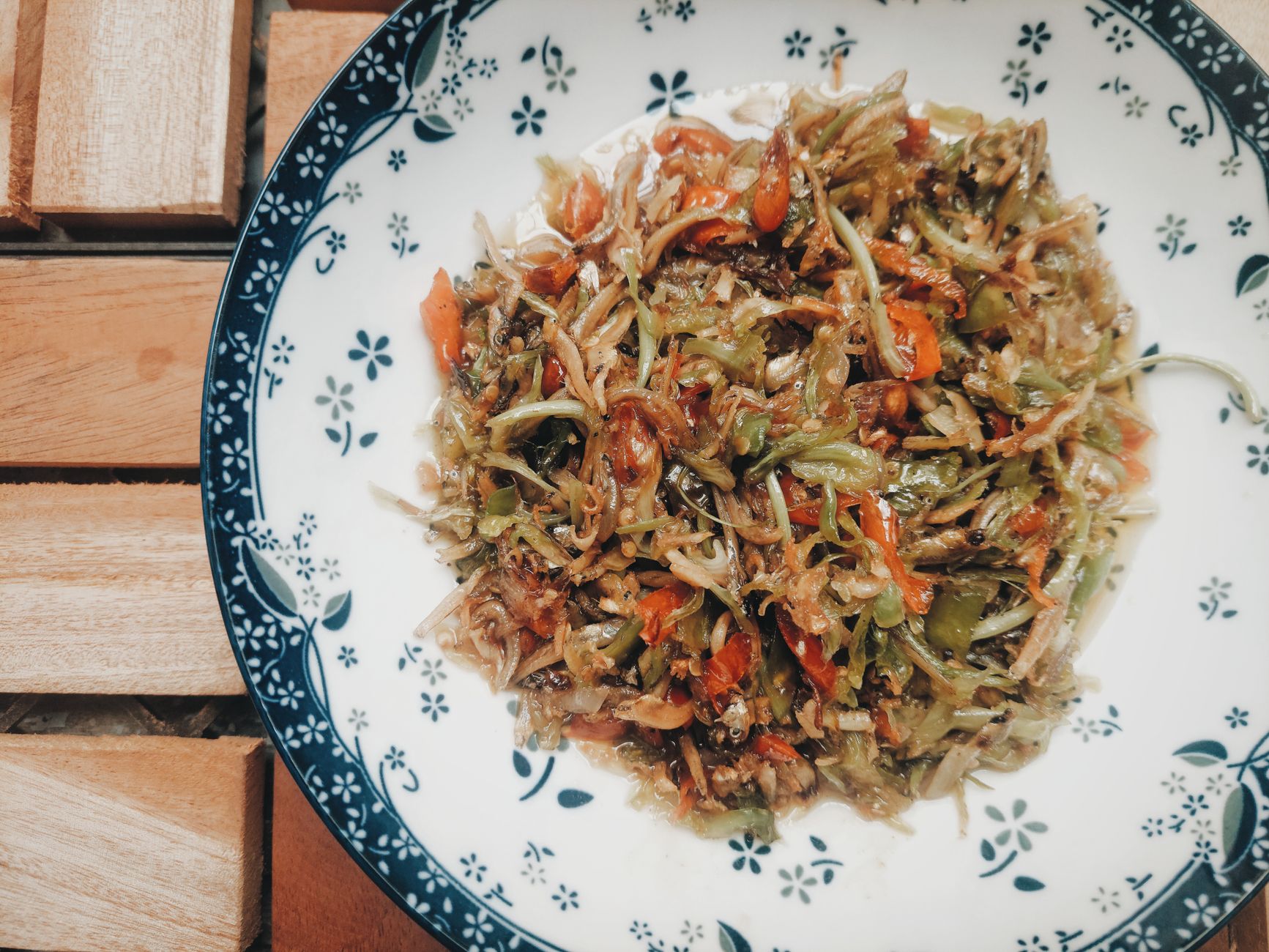
Why Shrimp and Vegetable Saute Chinese Style Recipe?
The vibrant sizzle of shrimp tossed with crisp vegetables creates an enticing aroma that fills your kitchen instantly. This Shrimp and Vegetable Saute Chinese Style recipe brings the perfect harmony of tender shrimp and fresh veggies in a savory, tangy sauce that will delight your taste buds. With its quick cooking time and bold flavors, this dish offers a wonderful way to enjoy a wholesome meal bursting with texture and essence. Whether as a weeknight dinner or an impressive dish for guests, the balance of protein and vegetables makes this recipe a go-to for those craving a delicious yet healthy seafood dish.
Health Benefits & Nutrition
Shrimp and vegetables combine to form a nutrient-packed meal that supports wellness in several ways:
- High-quality protein: Shrimp is a lean source of protein, essential for muscle repair and growth. A serving provides about 52 grams of protein, fueling your body efficiently.
- Rich in omega-3 fatty acids: These healthy fats help reduce inflammation and support heart health, as noted in research by the American Heart Association.
- Loaded with vitamins and antioxidants: Bell peppers and peas add vitamin C and fiber, promoting immune health and digestive balance.
- Low in calories and fat: This dish keeps caloric intake moderate (about 362 calories per serving) with only 9 grams of total fat, making it weight-conscious and satisfying.
Safety note: Individuals allergic to shellfish should avoid this recipe. Pregnant women are generally advised to consume thoroughly cooked shrimp to minimize risk.
Ingredients & Preparation
Recipe Card
| Prep Time | Cook Time | Total Time | Servings | Calories | Diet Tags |
|---|---|---|---|---|---|
| 30 minutes | 15 minutes | 45 minutes | 2 | 362 per serving | Gluten-free, High-Protein, Low-Carb |
Full Ingredient List
- 1 teaspoon anchovy paste
- 1 tablespoon soy sauce
- 1 teaspoon sugar
- 1/4 cup chicken broth
- Dried red pepper flakes, to taste
- 1 tablespoon vegetable oil
- 1 tablespoon sesame oil
- 1 cup seeded red bell peppers, cut into 1-inch squares
- 1 scallion, whites thinly sliced, greens cut into rounds (kept separate)
- 1 pound deveined peeled shrimp, halved
- 1 clove garlic, minced
- 1 cup thawed frozen peas
- 1/4 cup fresh mint leaves, chiffonade
- 1/4 cup fresh basil leaves, chiffonade
Equipment Needed
- Large skillet or wok
- Mixing bowl
- Whisk
- Measuring spoons and cups
- Sharp knife and cutting board
- Spatula or wooden spoon
Tips for Choosing Quality Ingredients
- Pick fresh shrimp that is firm, with a translucent appearance and mild ocean scent, avoiding any fishy odor.
- Choose bright red bell peppers without blemishes or wrinkles to ensure crispness.
- Fresh herbs like mint and basil add vibrant flavor—select leaves that are vivid green without wilting.
- Use low-sodium soy sauce to better control the saltiness of the final dish.
Step-by-Step Instructions
Step 1: Prepare the Sauce Mixture (5 minutes)
Whisk together 1 teaspoon anchovy paste, 1 tablespoon soy sauce, 1 teaspoon sugar, 1/4 cup chicken broth, and a pinch of dried red pepper flakes in a small bowl. Set aside to meld flavors.
Step 2: Sauté Aromatics and Peppers (2 minutes)
Heat 1 tablespoon vegetable oil and 1 tablespoon sesame oil in a large skillet or wok over medium-high heat. Add the diced red bell peppers and sliced white parts of the scallion. Stir-fry continuously for 1 minute until peppers start to soften but remain crisp.
Step 3: Cook the Shrimp (2 minutes)
Add the halved shrimp to the skillet. Sauté for 1 minute, stirring frequently until they turn pink and become opaque.
Step 4: Add Garlic and Flavors (1 minute)
Stir in 1 clove minced garlic. Cook for 15 seconds until fragrant but not browned, releasing a warm, earthy aroma.
Step 5: Combine Sauce and Vegetables (3 minutes)
Pour the prepared sauce mixture into the skillet along with 1 cup thawed peas and half of the chiffonade mint and basil leaves. Simmer gently for 2 minutes, allowing the shrimp to finish cooking and the vegetables to become tender-crisp.
Step 6: Final Touch and Serve (1 minute)
Taste the sauté and adjust seasoning as needed. Transfer to a serving bowl and garnish with remaining mint, basil, and scallion greens. Serve hot over steamed rice or your favorite base.

Variations & Substitutions
- Protein Swap: Use chicken breast or firm tofu for a different protein while keeping the same flavorful sauce.
- Vegetable Changes: Substitute red bell peppers with snap peas, broccoli florets, or shredded carrots for variety and color.
- Spice Level: Adjust dried red pepper flakes or add fresh sliced chili peppers to increase heat to your taste.
- Broth Alternatives: Use vegetable broth instead of chicken broth for a vegetarian-friendly version.
Storage & Shelf Life
Refrigerator: Store leftovers in an airtight container for up to 3 days. Reheat gently on the stovetop to preserve the shrimp’s tenderness.
Freezer: This dish is best enjoyed fresh; however, it can be frozen for up to 1 month. Place in a freezer-safe container and thaw overnight in the refrigerator before reheating.
Signs of spoilage: Discard the dish if shrimp smells sour or slimy, or if vegetables look wilted and discolored.
Pro Tips
- Use a hot wok or skillet to achieve that signature quick stir-fry sizzle, locking in shrimp juiciness and vegetable crunch.
- Add shrimp halved to speed cooking and maximize surface area to absorb the flavorful sauce.
- Incorporate both vegetable and sesame oils for a balance of neutral cooking fat and nutty aroma.
- Keep garlic cooking time short to avoid bitterness and to enhance its natural aroma.
- Use chiffonade cutting for herbs—thin ribbons release delicate perfume without overwhelming the dish.
When is the best time to eat Shrimp and Vegetable Saute Chinese Style Recipe?
This flavorful shrimp sauté is perfect for a quick dinner any night of the week. Its light yet satisfying protein content makes it suitable after a busy day or as a balanced lunch. Enjoy it fresh for the best texture and aroma.
Can I make this recipe gluten-free?
Yes, simply replace the soy sauce with a gluten-free tamari or coconut aminos variant to keep the dish safe for gluten-sensitive individuals.
How spicy is this dish?
The recipe includes dried red pepper flakes, offering a mild, adjustable heat. You can increase or skip this ingredient depending on your spice preference.
Can this recipe be made vegan?
Substitute shrimp with firm tofu or tempeh and use vegetable broth along with gluten-free tamari sauce. Omit anchovy paste or use a vegan-friendly alternative like miso paste for umami depth.
What are ideal side dishes to serve with this sauté?
Serve it over steamed jasmine rice, brown rice, or even cauliflower rice for a low-carb option. Egg fried rice or garlic noodles complement this dish wonderfully, soaking up the sauce.
How do I prevent shrimp from becoming rubbery?
Cook the shrimp quickly over high heat and remove them from the pan as soon as they turn pink and opaque. Overcooking is the main reason shrimp become tough and rubbery.
Is it possible to meal prep this dish?
You can prep the ingredients ahead by chopping vegetables and marinating shrimp. Cooking right before eating ensures freshness, but you can store cooked leftovers in the fridge for up to 3 days.
More Recipes You Will Love
For seafood enthusiasts, the Lobster and caviar on toast points recipe offers a luxurious appetizer with refined flavors. Looking for heart-healthy protein options? Check out our Tuna recipes for diabetics that combine nutrition and taste seamlessly.

Conclusion
This Shrimp and Vegetable Saute Chinese Style recipe delivers a satisfying meal combining vibrant veggies and tender shrimp in a luscious sauce. It’s easy to prepare, nutritious, and flexible to adapt with your favorite ingredients. I invite you to try this dish and share your experience in the comments below. Your feedback or tips might inspire others to enjoy this wholesome seafood delight too!
FAQs
When is the best time to eat Shrimp And Vegetable Saute Chinese Style Recipe?
This dish is perfect for a quick weeknight dinner or a healthy lunch. It’s also great as an impressive seafood option for guests at any casual or festive gathering.
Can I use fresh or frozen shrimp for this recipe?
Both fresh and properly thawed frozen shrimp work well. Just ensure shrimp are peeled, deveined, and thoroughly cooked to maintain the right texture and flavor.
What vegetables work best in this Chinese style sauté?
Bell peppers, peas, and scallions are ideal for their crisp texture and vibrant colors. You can also add other quick-cooking veggies like snap peas or baby corn.
Is this Shrimp And Vegetable Saute suitable for a gluten-free diet?
Yes, by using gluten-free soy sauce and ensuring no other gluten-containing ingredients are added, this recipe can be safely enjoyed on a gluten-free diet.
How can I adjust the spice level in this recipe?
The dried red pepper flakes can be added sparingly to keep it mild or increased for extra heat. Adjust according to your taste preferences to balance flavor and spice.