Why Shortbread Hearts Are a Timeless Dessert
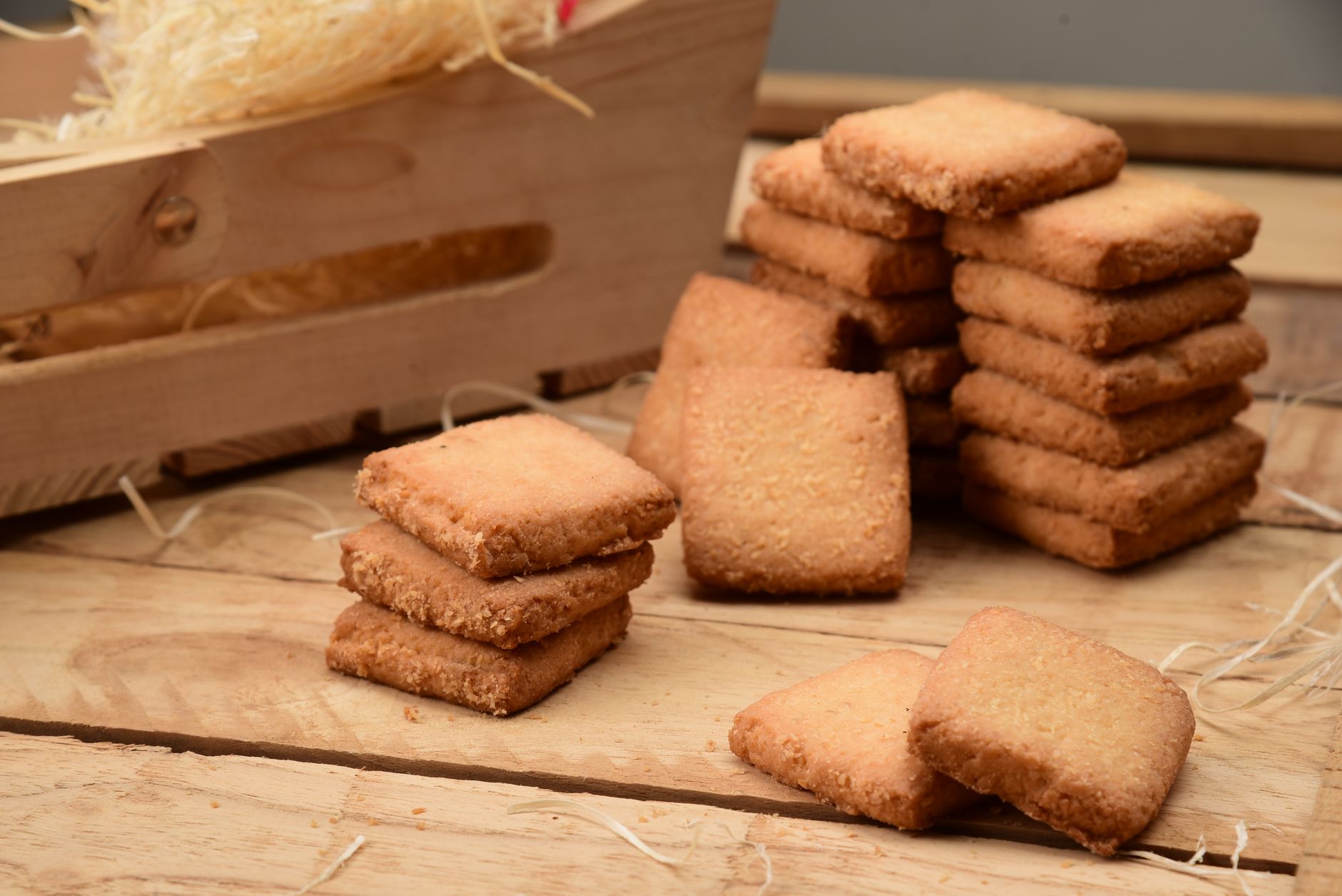
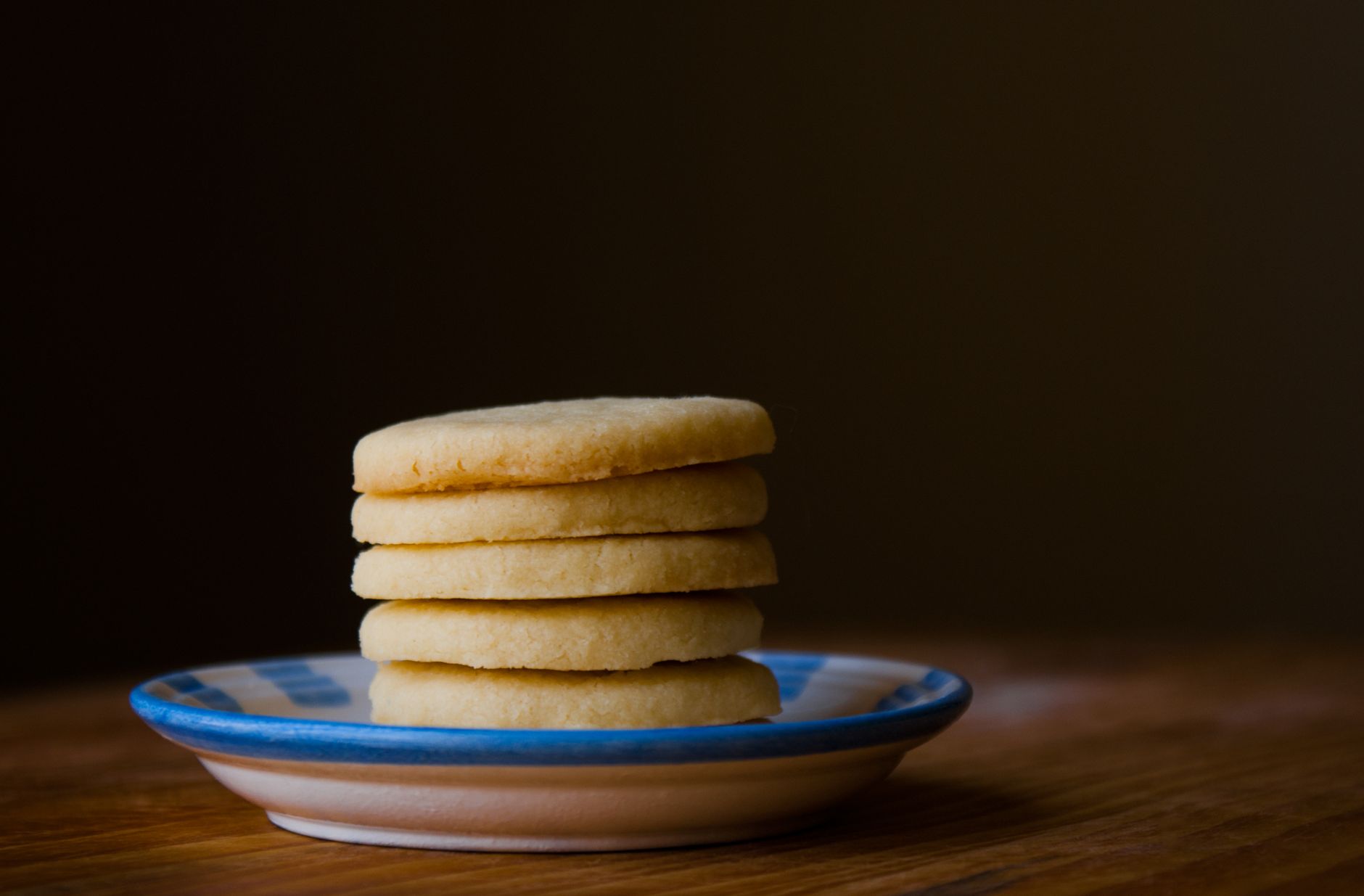
Imagine a cookie that melts on your tongue, offering a rich, buttery flavor paired with a tender, crumbly texture. That’s exactly what Shortbread Hearts deliver—a perfect harmony of simple ingredients baked into charming, delicate shapes. These cookies aren’t just beautiful; they bring a comforting homemade aroma to your kitchen and are ideal for celebrations or quiet moments with tea or coffee. With their subtle sweetness and buttery richness, Shortbread Hearts have captivated dessert lovers for generations.
Health Benefits & Nutrition
While Shortbread Hearts are a treat best enjoyed in moderation, they do contain components that provide some nutritional value. Butter, the main ingredient, supplies vitamin A, which supports eye health and immune function (National Institutes of Health). Using unsalted butter gives you better control over sodium intake, which is beneficial for heart health. Additionally, vanilla extract adds antioxidants that may contribute to reducing oxidative stress (Journal of Food Science). However, due to their high fat and sugar content, these cookies should be consumed mindfully, especially by individuals with lactose intolerance or those managing cholesterol levels.
Ingredients & Preparation
Recipe Card
| Prep Time | 25 minutes |
|---|---|
| Total Time | 1 hour 40 minutes (includes chilling & cooling) |
| Servings | 24 cookies |
| Calories per Serving | 201 |
| Diet Tags | Vegetarian, Gluten (wheat) containing |
Full Ingredient List
- 3/4 pound unsalted butter, room temperature
- 1 cup granulated sugar (plus extra for sprinkling)
- 1 teaspoon pure vanilla extract
- 3 1/2 cups all-purpose flour
- 1/4 teaspoon salt
Equipment Needed
- Electric mixer with paddle attachment
- Mixing bowls
- Sifter or fine mesh sieve
- Rolling pin
- 3-inch heart-shaped cookie cutter
- Baking sheet
- Parchment paper (optional but recommended)
- Plastic wrap
Tips for Choosing Quality Ingredients
Choose unsalted butter with the highest fat content you can find; European-style butter works beautifully for a creamier texture. Use pure vanilla extract rather than imitation for a richer, more complex aroma. Opt for unbleached all-purpose flour to avoid a chemical taste and achieve a tender crumb. Fresh sugar enhances sweetness without bitterness, so keep it sealed tightly.
Step-by-Step Instructions
Step 1: Prepare the Base Dough (10 minutes)
Preheat your oven to 350°F (175°C). In the bowl of an electric mixer fitted with a paddle attachment, combine 3/4 pound of softened unsalted butter and 1 cup of granulated sugar. Mix on medium speed for 2 to 3 minutes, just until combined and creamy. Add 1 teaspoon of pure vanilla extract and mix briefly to incorporate.
Step 2: Combine Dry Ingredients (5 minutes)
In a separate bowl, sift together 3 1/2 cups of all-purpose flour and 1/4 teaspoon of salt. This ensures even distribution and a lighter dough texture. Gradually add the dry ingredients to the butter mixture on low speed. Mix until the dough starts coming together—about 2 to 3 minutes.
Step 3: Chill and Shape the Dough (30 minutes)
Turn the dough onto a lightly floured surface. Gently shape it into a flat disk about 1 inch thick. Wrap tightly in plastic wrap and chill in the refrigerator for 30 minutes to firm up the dough, making it easier to roll out and cut clean shapes.
Step 4: Roll and Cut (10 minutes)
Once chilled, roll the dough out evenly to a 1/2-inch thickness. Use a 3-inch heart-shaped cookie cutter to stamp out shapes, pressing firmly and twisting slightly to release each cookie. Place hearts on an ungreased baking sheet or one lined with parchment paper. Sprinkle lightly with sugar for a subtle sparkle.
Step 5: Bake (20-25 minutes)
Bake cookies at 350°F (175°C) for 20 to 25 minutes, or until the edges turn a light golden brown. Keep an eye near the end to avoid over-baking, which can dry them out.
Step 6: Cool and Serve (15 minutes)
Allow cookies to cool completely on the baking sheet to set their shape and texture. Once cooled, you can optionally drizzle with vanilla glaze or serve plain.
If your dough feels too crumbly while mixing, add 1 tablespoon of cold water and mix again—this helps the dough hold together better without softening it too much.
Variations & Substitutions
- Almond-Infused Shortbread: Replace 1/2 cup of flour with finely ground almonds for a nutty twist. Add 1/2 teaspoon almond extract along with vanilla.
- Gluten-Free Version: Use a 1:1 gluten-free baking flour blend. Add 1/2 teaspoon xanthan gum if your blend doesn’t contain it, to improve dough structure.
- Lavender Shortbread Hearts: Stir in 1 tablespoon dried culinary lavender when mixing dry ingredients for a floral aroma.
- Vegan Adaptation: Replace butter with a firm coconut oil or vegan butter substitute in equal amounts. Use a flax egg (1 tablespoon ground flaxseed mixed with 3 tablespoons water) if binding is challenging.
Storage & Shelf Life
Store your Shortbread Hearts in an airtight container at room temperature for up to 7 days. Keep them away from moisture to maintain their crisp texture. For longer storage, refrigerate the cookies for up to 2 weeks, but allow them to come to room temperature before serving to soften slightly.
To freeze, arrange cookies in a single layer on a baking sheet and freeze until solid. Transfer to a sealed freezer bag or container. Frozen shortbread keeps excellently for up to 3 months. Thaw at room temperature before enjoying.
Signs of spoilage include a stale or rancid smell, discoloration, or mold. When in doubt, discard.
Pro Tips
- Use Room Temperature Butter: This ensures the butter cream properly with sugar, providing a tender texture.
- Control Thickness: Rolling your dough precisely to 1/2 inch helps provide the ideal balance of crumbly yet sturdy texture.
- Prevent Sticking: Lightly flour your rolling surface and cutter. Consider chilling the dough after shaping to avoid spreading during baking.
- Even Bake: Rotate your baking sheet halfway through baking to promote even browning and texture.
- Flavor Boost: Add a pinch of citrus zest—lemon or orange—to enhance the buttery aroma and add freshness.
When is the best time to eat Shortbread Hearts?
Shortbread Hearts shine as an afternoon treat with tea or coffee, their buttery crunch complementing warm drinks perfectly. They‘re also ideal for festive gatherings like Valentine’s Day or holiday parties. The simplicity of flavors means you can enjoy them any time you crave a comforting, sweet bite.
Can I make the dough ahead of time?
Yes, the dough can be wrapped tightly and refrigerated overnight. This deepens the flavors and makes rolling easier. Just allow the dough to warm slightly before rolling to avoid cracking.
How do I prevent cookies from spreading too much?
Ensure your dough is well chilled before cutting. Avoid adding excess liquid, and handle the dough gently. Baking on parchment or a silicone mat also helps maintain shape.
Are Shortbread Hearts suitable for freezing after baking?
Yes, once baked and fully cooled, store cookies in an airtight container or freezer bag. Freeze for up to 3 months. Thaw at room temperature before serving.
Can I decorate Shortbread Hearts with icing?
Absolutely. A simple vanilla glaze or royal icing adds a pretty touch. Allow cookies to cool completely before decorating to prevent melting.
What can I do if my dough is too crumbly?
Add 1 tablespoon of cold water and gently mix. Avoid overworking the dough, which can make cookies tough.
Is it okay to use salted butter?
Unsalted butter is best to control saltiness. If using salted butter, reduce or omit added salt to keep flavors balanced.
How should I store leftover cookies to retain freshness?
Keep them in an airtight container at room temperature, layered with parchment to prevent sticking. Avoid humidity and heat, which soften shortbread.
More Recipes You Will Love
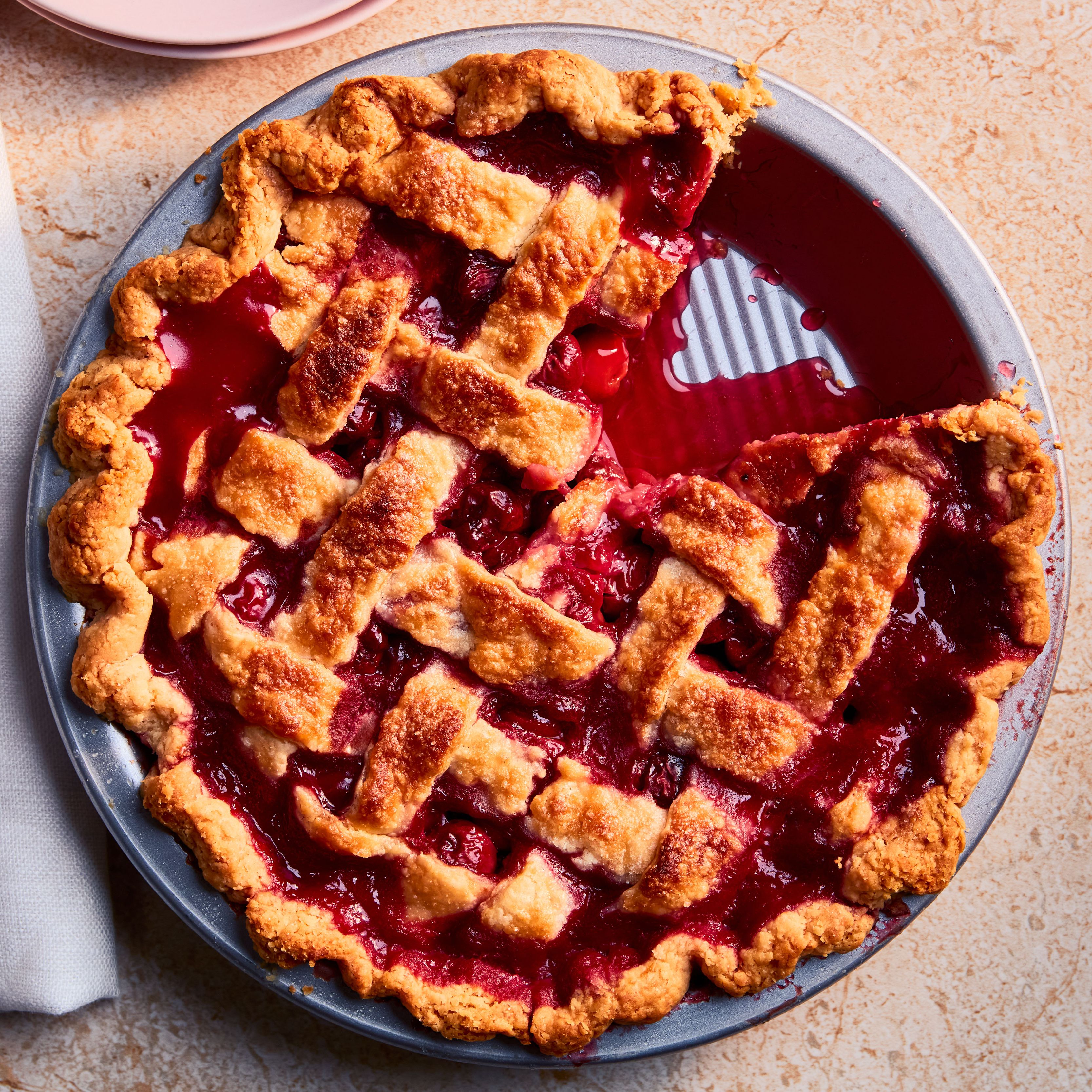
If you enjoy tender, buttery desserts like Shortbread Hearts, try the Triple berry pie with granola crunchy crumb topping recipe. The sweet-tart berries and crunchy topping nicely complement your cookie treats. For a decadent twist, the Fried ice cream lava cakes offer a melting center of chocolate and cream worth experiencing.
Conclusion
Shortbread Hearts capture the essence of a truly classic cookie—simple, buttery, and perfectly crumbly. Their timeless appeal makes them a delightful addition to any dessert table or a satisfying treat with your favorite cup of tea. Try this recipe for your next baking day and share your results or variations in the comments below. Your feedback makes the kitchen even sweeter!
FAQs
When is the best time to eat Shortbread Hearts?
Shortbread Hearts are perfect anytime—whether for celebrations, afternoon tea, or quiet moments at home. They pair beautifully with coffee or tea and make a delightful snack throughout the day.
How should Shortbread Hearts be stored to maintain freshness?
Store Shortbread Hearts in an airtight container at room temperature. They stay fresh for up to a week and can be kept longer if refrigerated or frozen, but allow them to come back to room temperature before serving.
Can I make Shortbread Hearts gluten-free?
Yes, you can substitute all-purpose flour with a gluten-free flour blend designed for baking. Ensure the blend includes a binding agent to maintain the dough's texture and chill the dough well for easier handling.
What is the key to achieving a melt-in-your-mouth texture?
Using high-quality unsalted butter and chilling the dough before baking are essential. Creaming the butter and sugar properly and avoiding overmixing the flour also ensure that tender, crumbly texture.
Can I decorate Shortbread Hearts for special occasions?
Absolutely! Shortbread Hearts can be decorated with colored sugar, drizzled chocolate, or icing once cooled. They make charming gifts or festive treats when personalized with decorations.