Fast Intro Answer
You can whip up a buttery, tender crust for meat pies in under 30minutes using just five pantry staples, a coldhand technique, and a couple of pro tips. Follow the steps below and youll end up with a flaky shell that lifts the filling, stays crisp, and never turns soggy.
Key Ingredients Overview
Understanding what each component does is half the battle. Below is a quick cheatsheet that shows why you need each ingredient and a common pitfall to avoid.
| Ingredient | Role in the Pastry | ProTip / Common Pitfall |
|---|---|---|
| Plain flour (or 00) | Provides structure and gluten network | Sift to avoid lumps; too much flour makes the crust tough |
| Unsalted butter (cold, cubed) | Creates flakiness by forming layers of fat | Keep butter at 05C; overmixing melts it and destroys layers |
| Icewater (or cold milk) | Binds dough without warming the butter | Add a tablespoon at a time; stop when dough just holds together |
| Salt | Enhances overall flavor | Use fine sea salt; too much will toughen the dough |
| Optional: Egg yolk or vinegar | Gives extra tenderness and a richer color | Use sparingly; a little goes a long way |
For a deeper dive into the science of flour and gluten, the USDA provide reliable, governmentbacked information about ingredient quality.
Essential Equipment List
Having the right tools makes the coldhand technique feel effortless.
- Heavybottomed mixing bowl it keeps the butter from warming up.
- Pastry cutter or food processor ensures uniform butter pieces.
- Rolling pin (30cm, tapered) helps maintain an even thickness.
- Bench scraper perfect for lifting and folding dough.
- Plastic wrap & refrigerator mandatory for the resting stage.
A personal quirk of mine? I keep a chilled marble board on the counter; it cuts the rolling time in half and adds a subtle coolness that the dough loves.
Shortcrust vs Flaky
What is shortcrust pastry?
Shortcrust is the classic English meat pie crust: sturdy, crumbly, and buttery. It holds up well to hearty fillings and gives that rustic, oldfashioned feel.
What is flaky (puffstyle) pastry?
Flaky pastry is lighter, with many distinct layers that puff up in the oven. Its perfect for a richer, more elegant pie, but it takes a bit more care to keep the butter from melting.
Comparison Table
| Feature | Shortcrust | Flaky (Puff) |
|---|---|---|
| Butter ratio | 1:2 (fat:flour) | 1:3 |
| Layers | 12 | 46 |
| Crunch factor | Firm, crumbly | Light, airy |
| Ideal for | Traditional English pie, rustic | Gourmet, rich fillings |
For an authoritative breakdown, BBC Good Food details the science behind each method and why you might choose one over the other.
StepbyStep Guide
Preparing the dough (the coldhand method)
1. Combine dry ingredients. Toss the flour, salt, and a pinch of sugar into a large bowl.
2. Incorporate butter. Drop the cold, cubed butter in and use a pastry cutter, two knives, or your fingertips to work it into the flour until the mixture looks like coarse breadcrumbs. The key is to keep the butter pieces visible youll see them later as tiny flecks of gold.
3. Add icewater. Drizzle the water slowly while mixing with a spoon or fork. Stop as soon as the dough just holds together when you press it between your fingers. Overhydrating will develop gluten and make the crust tough.
Rest & chill (why it matters)
Wrap the dough tightly in plastic wrap and refrigerate for a minimum of 30minutes. This rest relaxes the gluten and firms the butter, which are the two ingredients that give you that perfect flakiness.
Rolling out the crust
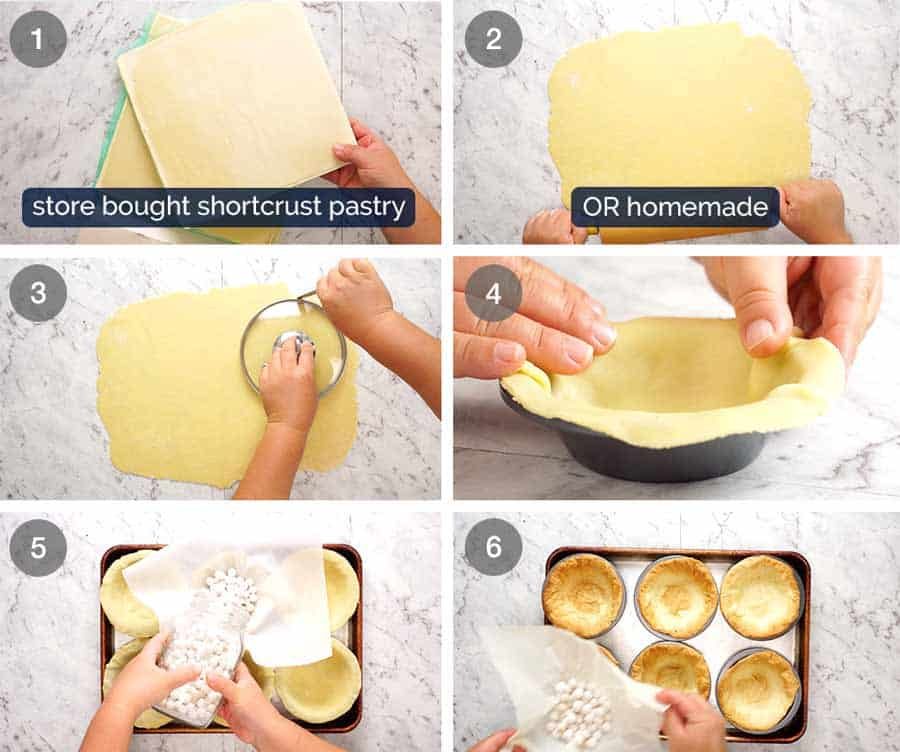
Lightly flour your work surface and rolling pin. Gently roll the dough to about 3mm thickness, turning it a quarter turn every few rolls to keep it even. If the dough starts to stick or feel warm, pop it back in the fridge for 10minutes.
Common mistakes & fixes
- Dough sticks. Chill again cold dough is nonsticky dough.
- Butter melts. Work quickly, keep your hands cool, and use a chilled board.
- Uneven thickness. Use a ruler or a rolling pin guide to stay consistent.
Blindbaking (prevent soggy bottom)
Line the rolled crust with parchment paper and fill with baking beans or rice. Bake at 200C (400F) for 10minutes, then remove the weights and parchment for an extra 5minutes. This creates a dry barrier that stops the meat filling from soaking the crust.
Expert tip from a pro
Chef Mary Berry recommends a 15minute blind bake for traditional English pies because it guarantees a dry, firm base, especially when the filling is juicy.
Flavor Boost Ideas
Herbs & cheese in the dough
Finely chopped sage, rosemary, or a tablespoon of grated Parmesan can be folded into the flour before adding butter. This subtle infusion gives the crust a savory depth that pairs beautifully with beef or lamb fillings.
Rich dough (egg yolk & cream)
If youre after a how to make rich meat pie vibe, replace half the water with cold heavy cream and add one egg yolk plus a spoonful of milk. The extra fat creates a silkier crumb and a golden hue.
Minirecipe: Rich Pastry (5 steps)
- Swap 50ml of water for 50ml cold heavy cream.
- Add 1 egg yolk and 1tbsp milk to the liquid mix.
- Proceed with the standard butterinflour method.
- Rest the dough for 45minutes.
- Roll, blindbake, and fill as usual.
When I tried this for a Sunday roast pie, the crust turned a beautiful amber and the flavor was unforgettable my family begged for seconds.
Pie Assembly Tips
Classic English meat filling recap
Dice beef, carrots, onions, and celery; brown the meat, then simmer with beef stock, thyme, and a splash of Worcestershire sauce until thick. Let the mixture cool slightly before spooning it into the baked shell.
Lining & topping the pie
Press the rolled crust gently into a 9inch pie tin, ensuring the edges are even. Spoon the meat filling, leaving a small gap at the top to avoid overflow. Roll a second piece of dough for the lid, cut slits for steam, and press the edges together using your fingers or a fork.
Egg wash & decorative edges
Beat one egg with a tablespoon of water. Brush the top crust for a glossy, golden finish. If youre feeling artistic, create a braided edge or a simple lattice it adds visual appeal without extra effort.
Baking & Storage
Baking parameters for perfection
Preheat the oven to 200C (400F). Bake the assembled pie for 3035minutes, rotating halfway through for an even color. The crust should be deep golden and the filling bubbling.
Keeping the pastry crisp after cooling
Transfer the baked pie to a wire rack as soon as you can. Store any leftovers in a paper bag rather than plastic; paper lets steam escape, preserving that coveted crunch.
Reheating without soggy crust
Reheat in a conventional oven at 180C (350F) for about 10minutes uncovered. Avoid the microwave it will steam the crust and erase all the hard work you put into that flaky texture.
Wrapping Up Summary
There you have it: a straightforward, foolproof method to craft the best meat pie dough recipe youll ever need. By keeping ingredients cold, respecting the resting time, and blindbaking before adding the filling, youll achieve a shortcrust pastry for meat pie that stays flaky, buttery, and delightfully crisp. Whether youre after a classic English meat pie recipe or want to experiment with a richer, herbinfused crust, these techniques give you a solid foundation.
Give it a go tonight, snap a photo of your masterpiece, and share your experience with friends or on social media using #MyMeatPieCrust. Wed love to hear how it turned out, and if you have any questions, feel free to ask happy baking!
FAQs
What flour works best for meat‑pie pastry?
Plain all‑purpose flour or 00 flour provides the right gluten balance for a tender yet sturdy crust.
Why must the butter stay cold?
Cold butter remains in solid pieces that create steam layers while baking, giving the pastry its flaky texture.
Is blind‑baking really necessary?
Yes. Blind‑baking creates a dry barrier that stops the juicy filling from making the bottom soggy.
Can I incorporate herbs or cheese into the dough?
Definitely. Add finely chopped sage, rosemary, or a tablespoon of grated Parmesan to the flour for extra savoury depth.
How should I store and reheat a baked meat pie?
Cool the pie, store it in a paper bag or loosely covered in the fridge for up to 3 days, and reheat in a conventional oven (180 °C/350 °F) for about 10 minutes to retain crispness.