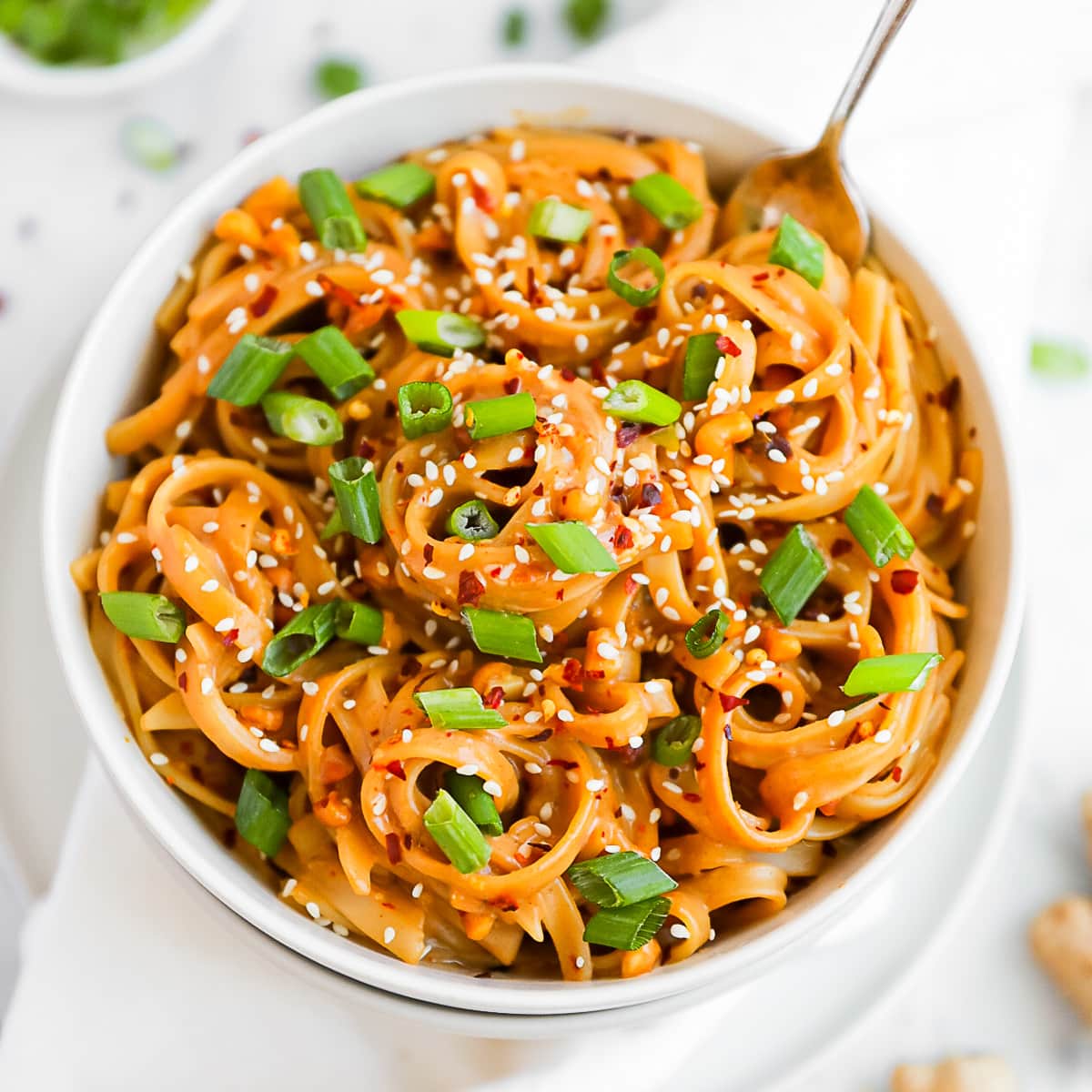
Imagine youre staring at a halfempty pantry, craving something comforting but too lazy to order takeout. Youve got a pack of noodles, a jar of peanut butter, and a splash of soy sauce. In under ten minutes you can turn those humble ingredients into a steaming bowl of creamy goodness that tastes better than any restaurants special.
This post hands you the recipe peanut sauce for noodles youve been hunting for, plus shortcuts, veggie ideas, nutrition facts, and the occasional whatif to keep things interesting. Lets dive inno fluff, just the good stuff you need right now.
Why This Sauce Works
What makes it creamy without dairy?
The secret is the emulsion formed when peanut butter meets a little water, soy sauce, and acid. The natural oils in the peanut butter create a silky texture, while the acid (lime juice or rice vinegar) breaks down any clumps, keeping the sauce smooth.
How do salty, sweet, sour, and heat balance?
A classic flavor trianglesalty soy sauce, sweet honey or maple syrup, and sour lime juicemeans every bite hits a different note. Add a dash of sriracha or crushed red pepper for that gentle heat that wakes up the palate without overwhelming the peanuts.
Quick comparison: Thai vs. pantryfriendly
| Ingredient | Thai Classic | QuickKit Version |
|---|---|---|
| Acid | Lime juice | Rice vinegar |
| Salt | Fish sauce | Soy or tamari |
| Sweetener | Palm sugar | Honey or maple syrup |
| Spice | Fresh chili | Sriracha |
Both give you that bright, balanced taste, but the quickkit version lets you whip it up with pantry staples.
Core Ingredients & Staples
3Ingredient Peanut Sauce for Noodles
If youre pressed for time, just mix smooth peanut butter, soy sauce, and lime juice. The ratio2parts peanut butter:1part soy sauce:part lime juice works for most noodles.
Best peanut butter to use
Choose natural, unsweetened peanut butter. It contains fewer added sugars and lets the sauce stay truly nutty. If you like a bit of texture, go for crunchyjust remember to blend a little longer.
Optional boosters for depth
- Minced garlic
- Freshly grated ginger
- Honey or maple syrup
- Sriracha or chili oil
- A splash of sesame oil for aroma
Ingredient substitution chart
| Original | Swap | Why it works |
|---|---|---|
| Tamari | Lowsodium soy sauce | Same umami, glutenfree option |
| Honey | Maple syrup | Vegan, similar sweetness |
| Lime juice | Rice vinegar | Acidic enough, pantryfriendly |
| Peanut butter | Almond butter | Different nut profile, same oil base |
StepbyStep Preparation
Whisking without lumps
Start with the peanut butter in a bowl. Add a splash of warm water (about 2Tbsp per cup peanut butter) and whisk vigorously. Once it loosens, stir in soy sauce, lime juice, and any boosters. A small whisk or even a fork worksno blender required.
Cooking the noodles correctly
Rice noodles, soba, or wholewheat spaghetti all work. Follow the package for aldente, then rinse briefly under cold water to stop cooking. This keeps the noodles from getting mushy when you toss them in the sauce.
How much sauce per pound of noodles?
Generally, cup of sauce coats about 8oz of dry noodles. If you love a saucier bowl, add a little extra water or broth to loosen it.
Visual cues for perfect coating
- Sauce should be glossy, not grainy.
- Noodles glisten with a thin filmno pools.
- A faint aroma of toasted peanuts and sesame should rise.
Customizable Variations and Addins
Veggies that sing with peanut sauce
Julienned carrots, snap peas, bell peppers, or shredded cabbage add crunch and color. Toss them in the skillet for a minute before mixing with the noodles for a quicksteamed texture.
Protein upgrades
Cube firm tofu and panfry, shred cooked chicken, or toss in cooked shrimp. Even a handful of roasted peanuts add extra bite.
Spicy kick options
Stir in a teaspoon of sriracha, a drizzle of chili oil, or finely chopped Thai chilies. Taste as you goremember the sauce gets hotter as it sits.
Macro comparison of addins
| Addin | Calories | Protein | Fat |
|---|---|---|---|
| Tofu ( cup) | 94 | 10g | 5g |
| Cooked chicken ( cup) | 124 | 14g | 3g |
| Shrimp ( cup) | 84 | 17g | 1g |
| Roasted peanuts ( cup) | 207 | 9g | 18g |
Nutritional Benefits & Risks
Health perks of peanuts
Peanuts deliver plantbased protein, hearthealthy monounsaturated fats, magnesium, and vitaminE. A modest serving can help keep you feeling full longer.
Sodium watch
Soy sauce can add a lot of salt. Swap for lowsodium tamari or dilute regular soy sauce with a splash of water if youre watching blood pressure.
Allergyfriendly alternatives
If peanuts are a nogo, try a sunflower seed butter or tahinibased sauce. The flavor changes, but the creamy texture stays.
Quick nutrition fact box
One serving (2cups) of noodles with basic peanut sauce provides roughly 450kcal, 18g protein, 20g fat, and 45g carbs. For exact numbers, the USDA food database offers a detailed breakdown.
Frequently Asked Questions
Can I make the sauce ahead of time?
Absolutely. Store it in an airtight container in the fridge for up to three days. Give it a good whisk before using.
How do I thin a toothick sauce?
Warm it gently on low heat while stirring in a tablespoon of water or broth until you reach the desired consistency.
Whats the difference between peanut sauce for noodles and Chinese peanut sauce?
Chinese versions often use hoisin or oyster sauce for a sweeter profile, whereas the best peanut sauce for noodles leans on soy, lime, and chili for balanced tanginess.
Is there a vegan version?
Yesswap honey for maple syrup and use tamari instead of regular soy sauce. The rest stays the same.
Storage, Reheating & Leftovers
Shelf life in the fridge and freezer
Keep the sauce sealed; it lasts 3days chilled and up to 1month frozen. Thaw in the fridge overnight before using.
Best reheating method
Place a ladle of sauce in a small saucepan over low heat, adding a splash of water. Stir constantlyhigh heat can cause the oil to separate.
Creative ways to use leftovers
- Dress a fresh cucumbercarrot salad.
- Use as a dip for spring rolls.
- Stirfry with frozen veggies for a quick weeknight.
Expert Tips & Common Mistakes
Dont oversalt
Start with a smaller amount of soy sauce; you can always add more after tasting.
Avoid overheating the peanut butter
High heat can break the emulsion, turning the sauce grainy. Keep the sauce on mediumlow unless youre just warming it.
Adjust acidity last
Acid brightens flavors but can become overpowering. Add lime juice in tiny increments, tasting each time.
Pro tip from a culinary instructor
When whisking, a slow, steady motion creates a more stable emulsion than vigorous beating, says Chef Lina Morales of the City Culinary School. This simple technique prevents separation.
Conclusion
Weve covered everything you need to know to master the recipe peanut sauce for noodles: a threeingredient shortcut, optional boosters, veggie and protein addins, nutrition facts, storage tips, and common pitfalls. The sauce is quick, adaptable, and packed with wholesome flavorperfect for busy weeknights or lazy weekends.
Give it a try tonight, experiment with your favorite vegetables, and let us know how it turned out. Your next favorite comfort bowl is just a whisk away!
FAQs
Can I prepare the peanut sauce ahead of time?
Yes, store it in an airtight container in the refrigerator for up to three days. Whisk before using to reincorporate any separation.
How do I thin a sauce that’s become too thick?
Warm the sauce gently and stir in a tablespoon of water or broth at a time until you reach the desired consistency.
What’s the difference between this sauce and a traditional Chinese peanut sauce?
Chinese versions often include hoisin or oyster sauce for extra sweetness, while this recipe relies on soy, lime, and chili for balanced tang and heat.
Is there a vegan version of the recipe?
Simply swap honey for maple syrup and use tamari or low‑sodium soy sauce. All other ingredients are already plant‑based.
What are good protein additions to pair with the sauce?
Try pan‑fried tofu cubes, shredded cooked chicken, sautéed shrimp, or a handful of roasted peanuts for extra texture and protein.