Why Prosciutto-Wrapped Pork Tenderloin, Peach Chutney and Asparagus?
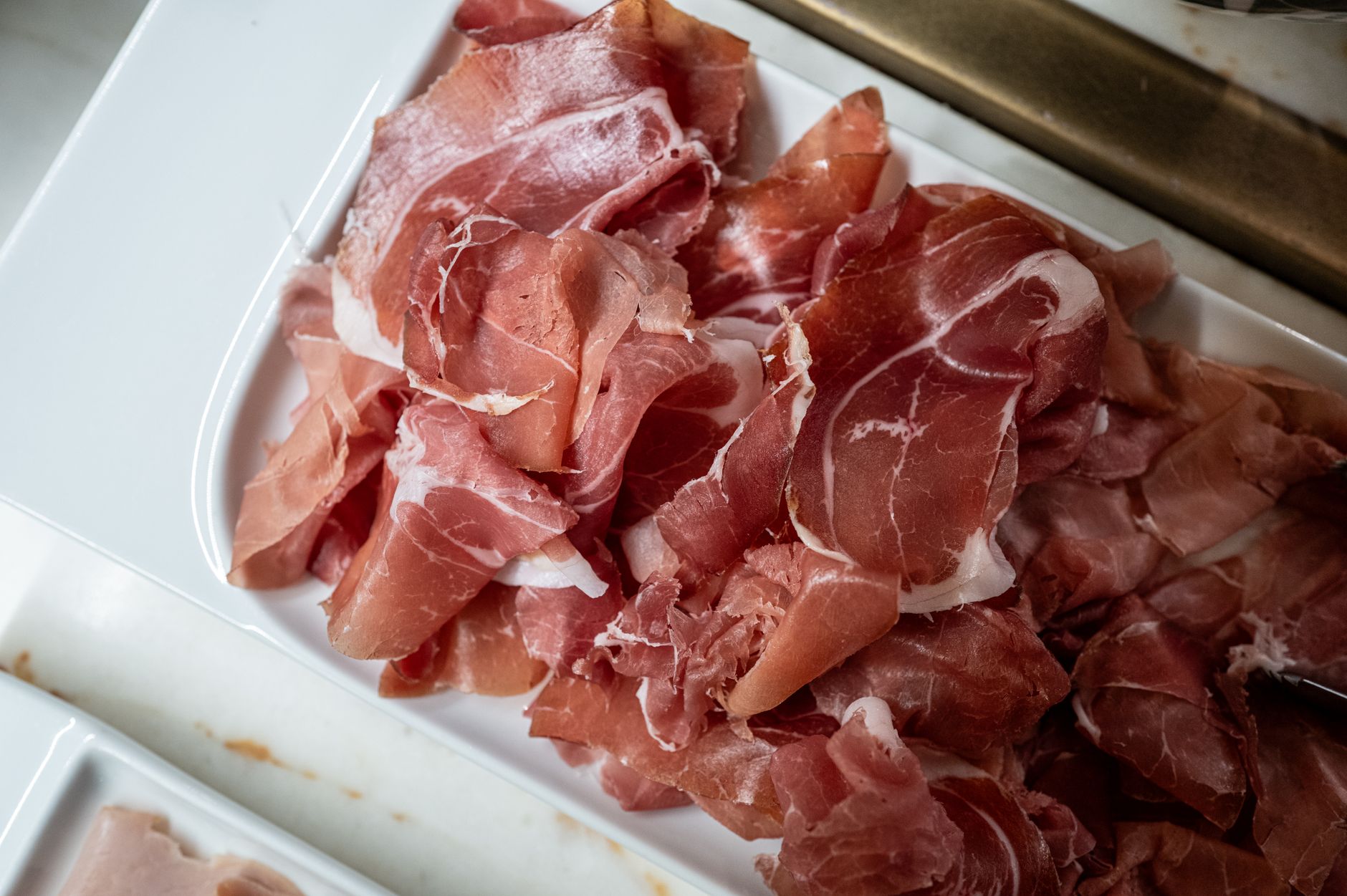
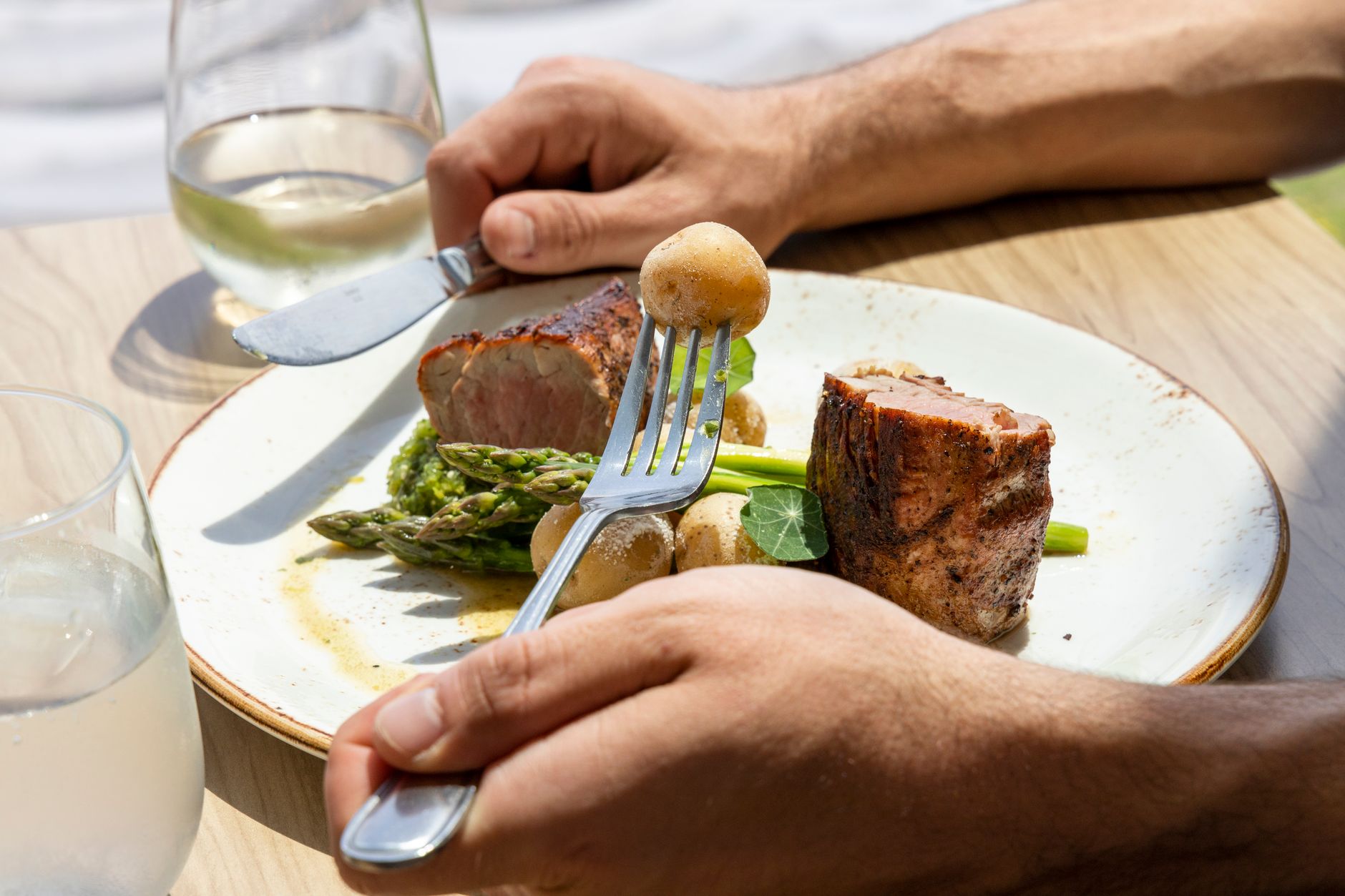
Imagine savoring a tender, juicy pork tenderloin enveloped in crisp prosciutto, paired with a sweet and tangy peach chutney and perfectly sautéed asparagus. This dish dazzles with a beautiful harmony of textures and flavors—the smoky saltiness from the prosciutto, the fruity warmth from the chutney, and the fresh earthiness of asparagus. Prosciutto-Wrapped Pork Tenderloin Peach Chutney And Asparagus offers more than just taste; it’s a feast for your senses, elevating simple ingredients to a memorable dinner experience that you’ll eagerly want to share.
Health Benefits & Nutrition
This recipe balances indulgence and nutrition offering several benefits. Pork tenderloin is an excellent source of lean protein that helps muscle repair while being lower in fat compared to other cuts. Prosciutto adds rich flavor but should be consumed mindfully due to its sodium content. The peach chutney contributes antioxidants and vitamin C from fresh peaches, supporting immune health (USDA Nutrient Database). Asparagus is loaded with fiber, folate, and vitamins A, C, and K, promoting digestion and bone strength.
However, note that prosciutto is high in sodium and not recommended for those managing hypertension or sodium-restricted diets. Also, pregnant individuals should avoid unheated cured meats like prosciutto to prevent listeria risk. Consult your doctor if you have related health concerns or dietary restrictions.
Ingredients & Preparation
Recipe Card
| Prep Time | 20 minutes |
|---|---|
| Cook Time | 40 minutes |
| Total Time | 1 hour |
| Servings | 4 |
| Calories | 382 per serving |
| Diet Tags | Gluten-Free, Low Carb, High Protein |
Full Ingredient List
- Pork Tenderloin: 1 lb pork tenderloin, kosher salt, 4 thin slices prosciutto, olive oil
- Peach Chutney: 2 slices pancetta (1/4-inch thick), diced; 1/2 shallot, minced; kosher salt; 1/4 cup bourbon; 2 tbsp brown sugar; 2 tbsp rice wine vinegar; 1 tbsp whole-grain mustard; 2 peaches, peeled, pitted, and diced (1/2-inch cubes); 1 cinnamon stick; 1 small thyme bundle
- Asparagus: 1 bunch asparagus, trimmed; olive oil (if needed)
Equipment Needed
- Large sauté pan
- Quarter sheet tray
- Toothpicks
- Immersion blender (optional)
- Sharp knife and cutting board
Tips for Choosing Quality Ingredients
- For pork tenderloin, select a cut with a consistent pink color and minimal fat. Freshness is key for tenderness.
- Choose thinly sliced prosciutto with a delicate marbling for crisp texture without overpowering saltiness.
- Pick peaches that are ripe but firm; avoid overly soft peaches to maintain shape in chutney.
- Opt for fresh, bright green asparagus with firm stalks and closed tips for the best texture.
Step-by-Step Instructions
Prepare and Sear the Pork (20 minutes)
Preheat your oven to 400°F (205°C). Pat the pork tenderloin dry and sprinkle it generously with kosher salt. Wrap the tenderloin evenly with four prosciutto slices, securing the edges with toothpicks. Drizzle olive oil into a large sauté pan and heat it over high heat until shimmering. Place the pork in the pan, searing for 2-3 minutes on each side until the prosciutto turns golden and crispy. Transfer the seared pork to a quarter sheet tray for roasting.
Roast the Pork (10 minutes)
Place the pork in the preheated oven. Roast for 8-10 minutes total, turning halfway through to ensure even cooking. The internal temperature should reach 145°F (63°C) for safe, juicy meat. Reserve the sauté pan with pan drippings for the asparagus.
Make the Peach Chutney (25 minutes)
While the pork roasts, heat a clean large, straight-sided sauté pan over medium heat. Add diced pancetta and cook until the fat renders and pieces turn crispy, about 5 minutes. Stir in minced shallots and a pinch of kosher salt. Cook until translucent and fragrant, roughly 6 minutes. Pour in bourbon, brown sugar, rice wine vinegar, and whole-grain mustard. Add diced peaches, cinnamon stick, and thyme bundle, stirring to combine. Bring the mixture to a boil, then reduce heat to a simmer. Let it simmer gently for about 10 minutes, stirring regularly until the liquid thickens to a chutney-like consistency. Remove and discard the cinnamon stick and thyme bundle. Use an immersion blender for a smooth texture if preferred.
Sauté the Asparagus (8 minutes)
Return the reserved sauté pan with the pancetta drippings to medium-high heat. Add a splash of olive oil if necessary. Add trimmed asparagus and sauté, tossing regularly, until tender-crisp and vibrant green, about 6-8 minutes. Season lightly with salt if desired.
Serve and Garnish
Remove toothpicks from the pork and slice the tenderloin on the bias into medallions. Arrange slices on plates alongside asparagus and spoon generous amounts of peach chutney on top or on the side. The contrast of flavors and textures will make every bite a delight.
Variations & Substitutions
- Meat Options: Substitute pork tenderloin with chicken breasts or turkey tenderloin for a lean alternative. Adjust cooking time accordingly.
- Prosciutto Alternatives: Use thinly sliced serrano ham or pancetta if prosciutto is unavailable. Note that pancetta may require less cooking as it is slightly fattier.
- Fruit Choices for Chutney: Swap peaches for nectarines, apricots, or even plums to add slightly different sweet and tangy notes.
- Vegetable Side: Replace asparagus with green beans or roasted Brussels sprouts for variety.
Storage & Shelf Life
Store any leftovers in an airtight container in the refrigerator. The pork tenderloin, peach chutney, and asparagus will remain fresh for up to 3 days. For best quality, consume within this timeframe to avoid dryness or loss of flavor.
If you want to freeze the pork tenderloin and chutney, wrap them separately in freezer-safe containers or heavy-duty foil. Frozen portions can last up to 2 months. Thaw in the refrigerator overnight before reheating gently over low heat to preserve texture.
Signs of spoilage include off smells, slimy textures, or discoloration, especially in meat or chutney. Do not consume if any of these appear.
Pro Tips
- When wrapping the pork, keep prosciutto slices snug but avoid overlapping too thickly to ensure crispiness rather than sogginess.
- Let the pork rest for 5 minutes after roasting before slicing. This allows juices to redistribute for a moist bite.
- The peach chutney’s flavor deepens when simmered gently; avoid high heat to prevent burning or bitterness.
- Use an instant-read thermometer to check doneness precisely—this prevents overcooking.
- Toast the brown sugar lightly before adding liquids to amplify caramel notes in the chutney.
When is the best time to eat Prosciutto Wrapped Pork Tenderloin Peach Chutney And Asparagus?
This dish shines as a special dinner option, perfect for weekend meals or holiday gatherings when you want to impress guests. Its elegant presentation and balanced flavors also make it great for celebratory occasions or date nights. Serve it while warm to enjoy the full aroma and texture of the pork and chutney.
How do I ensure the prosciutto stays crispy after cooking?
Make sure to sear the prosciutto-wrapped pork at a high temperature to render the fat and develop a crispy crust. Avoid covering the pork tightly after searing to prevent steam and sogginess.
Can I prepare the peach chutney ahead of time?
Yes, the peach chutney can be made up to 2 days in advance and refrigerated. Bring to room temperature or warm slightly before serving to revive its flavors.
Is it necessary to use bourbon in the chutney?
Bourbon adds a rich, smoky depth but can be omitted or replaced with apple juice or white grape juice for a non-alcoholic version. Adjust sweetness accordingly since juice is less potent.
What’s the best way to trim asparagus?
Hold the asparagus spear near the base and bend until it snaps naturally. This removes the tough woody end. Alternatively, trim about 1-2 inches off the bottom with a knife.
How can I make this recipe gluten-free?
This recipe is naturally gluten-free if you ensure the rice wine vinegar and mustard do not contain gluten additives. Always check labels to confirm.
What side dishes complement this meal?
Light sides like garlic mashed potatoes, wild rice pilaf, or a fresh mixed green salad balance the rich pork and chutney beautifully.
Can I use frozen peaches for the chutney?
Frozen peaches work well when fresh peaches are not available. Thaw and drain excess moisture before dicing to prevent a watery chutney.
More Recipes You Will Love
If you enjoy the succulent flavors of pork tenderloin with complementary sauces, try our Pork tenderloin with Dijon brown sauce recipe. The rich mustard glaze contrasts beautifully with tender pork.
For a heartier, comforting option, explore our Old fashioned meat pie recipe, which offers savory layers of meat and pastry—perfect for cozy nights.
Conclusion
Prosciutto-Wrapped Pork Tenderloin Peach Chutney And Asparagus makes for an unforgettable meal that combines savory, sweet, and fresh elements in each bite. The crispy prosciutto, tender pork, tangy peach chutney, and vibrant asparagus deliver balanced flavors and satisfying textures. Try this recipe for your next dinner and share your experience in the comments. Your feedback and ratings are always welcome!
FAQs
When is the best time to eat Prosciutto Wrapped Pork Tenderloin Peach Chutney And Asparagus?
This dish is perfect for dinner, especially during spring and summer when fresh peaches and asparagus are in season. It makes a festive meal for special occasions or weekend family dinners.
Can I prepare Prosciutto Wrapped Pork Tenderloin Peach Chutney And Asparagus in advance?
You can prepare the peach chutney and trim the asparagus a day before. However, it’s best to assemble and cook the pork and asparagus fresh to maintain texture and flavor.
What can I serve with Prosciutto Wrapped Pork Tenderloin Peach Chutney And Asparagus?
Serve it alongside a light salad, roasted potatoes, or quinoa for a well-rounded meal. A chilled white wine or sparkling drink also complements the flavors nicely.
Is this recipe suitable for low-carb or gluten-free diets?
Yes, this recipe is naturally gluten-free and low in carbohydrates, making it ideal for those following gluten-free or low-carb eating plans.
How do I ensure the pork tenderloin stays juicy and tender?
To keep the pork tenderloin juicy, sear it quickly over high heat to lock in juices, then roast to the correct internal temperature of 145°F. Avoid overcooking which can dry out the meat.