Why Pistachio Greek Honey Cake?
Imagine biting into a golden, moist cake infused with the warm aroma of honey and zesty orange, complemented by the earthy crunch of pistachios. That’s the magic of Pistachio Greek Honey Cake—a traditional Greek dessert elevated with a nutty twist. This cake offers a sensory journey through the Mediterranean, combining sweet honey syrup with fragrant spices and creamy yogurt. Its texture is tender but slightly crisp on the edges, making it perfect for any celebration or a cozy afternoon treat. With every bite, you get a harmonious balance of flavors that feels both rich and refreshingly light.
Health Benefits & Nutrition
Pistachios and honey aren’t just delicious; they bring notable health benefits to this dessert. Pistachios are rich in healthy fats, fiber, and antioxidants, supporting heart health and reducing inflammation, according to research published by the American Heart Association. Honey offers antibacterial properties and antioxidants that may help boost your immune system. Additionally, using Greek yogurt adds protein and probiotics for gut health. However, keep in mind that honey isn’t safe for infants under one year and individuals with nut allergies should avoid this recipe or substitute accordingly.
Ingredients & Preparation
Recipe Card
| Prep Time | 40 minutes |
|---|---|
| Total Time | 3 hours 30 minutes (including cooling) |
| Servings | 8 to 10 |
| Calories | 427 per serving |
| Diet Tags | Vegetarian |
Full Ingredient List
- Honey Syrup: ½ cup fresh orange juice, ½ cup turbinado sugar, ½ cup Greek honey, ¼ cup fresh lemon juice, pinch of kosher salt
- Cake: ½ cup (1 stick) unsalted butter, melted and cooled, plus 1 tablespoon for greasing
- ½ cup plus 2 tablespoons shelled pistachios (unsalted or lightly salted)
- 1 cup plus 2 tablespoons all-purpose flour
- 2 teaspoons baking powder
- 1 teaspoon baking soda
- ½ teaspoon ground cinnamon
- ½ teaspoon kosher salt
- 3 large eggs, at room temperature
- 1 cup Greek honey
- 2 teaspoons vanilla bean paste
- ¼ teaspoon almond extract
- Zest of 2 oranges
- ½ cup full-fat Greek yogurt
- 1 tablespoon lemon juice
Equipment Needed
- 9-inch springform pan
- Food processor
- Mixing bowls
- Whisk and spatula
- Small saucepan
- Measuring cups and spoons
- Parchment paper
Tips for Choosing Quality Ingredients
- Select high-quality Greek honey—preferably raw and unpasteurized—to enhance the cake’s floral notes.
- Choose fresh pistachios with no added salt or oil for pure flavor and texture.
- Use organic oranges for zest and juice to avoid pesticide residues affecting the taste.
- Fresh eggs at room temperature help achieve a smooth, airy batter.
- Opt for full-fat Greek yogurt to add creamy richness and moisture.
Step-by-Step Instructions
Step 1: Prepare the Honey Syrup (15 minutes)
In a small saucepan, combine ½ cup orange juice, ½ cup turbinado sugar, and ½ cup water. Bring to a boil over medium heat, stirring until sugar dissolves. Remove from heat. Stir in ½ cup Greek honey, ¼ cup lemon juice, and a pinch of kosher salt. Set aside to cool completely.
Step 2: Preheat Oven and Prepare Pan (10 minutes)
Preheat your oven to 350°F (175°C). Line a 9-inch springform pan with parchment paper and grease it thoroughly with 1 tablespoon of unsalted butter, covering both the bottom and sides to prevent sticking.
Step 3: Grind Pistachios (5 minutes)
Place ½ cup shelled pistachios and 2 tablespoons all-purpose flour into a food processor. Pulse until the mixture reaches a fine, flour-like consistency. Be careful not to over-process into a paste.
Step 4: Mix Dry Ingredients (5 minutes)
In a large bowl, whisk together pistachio flour, remaining flour (1 cup), baking powder, baking soda, ground cinnamon, and kosher salt until evenly combined.
Step 5: Combine Wet Ingredients (5 minutes)
In another bowl, whisk together 3 large eggs, melted butter, 1 cup Greek honey, vanilla bean paste, almond extract, and orange zest until smooth. Add Greek yogurt and lemon juice, whisking until fully blended.
Step 6: Incorporate Dry and Wet Mixtures (10 minutes)
Add half of the dry ingredient mixture into the wet ingredients. Gently stir to combine, then add the remaining dry mix. Fold the batter carefully with a spatula until just combined—avoid overmixing to preserve the tender crumb.
Step 7: Bake and Soak (40 minutes + cooling)
Pour the batter evenly into the prepared pan. Bake for 40 minutes at 350°F (175°C), or until a toothpick inserted into the center comes out clean. Remove the cake from the oven and while still warm, slowly pour the cooled honey syrup over the cake, letting it soak in thoroughly. Allow to cool completely before removing from the pan.
Variations & Substitutions
- Almond Flour Swap: Replace pistachio flour with 1 cup almond flour for a different nutty flavor. This creates a milder taste but still maintains the cake’s moistness.
- Maple Honey Blend: Substitute half of the Greek honey with pure maple syrup to add a subtle caramel depth, enhancing the syrup’s complexity.
- Spice Boost: Add ¼ teaspoon ground cardamom or nutmeg to the dry ingredients to introduce an aromatic twist aligned with Greek spice profiles.
- Dairy-Free Option: Use coconut yogurt instead of Greek yogurt and replace butter with coconut oil to make this cake suitable for a dairy-free diet.
Storage & Shelf Life
Store the Pistachio Greek Honey Cake in an airtight container in the refrigerator for up to 4 days. The honey syrup helps keep it moist but refrigeration slows spoilage. For longer storage, wrap the cooled cake tightly in plastic wrap and aluminum foil, then freeze for up to 2 months. Thaw overnight in the fridge before serving. Check for signs of spoilage such as sour smell, mold, or a change in texture before eating.
Pro Tips
- For an even texture, pulse pistachios just enough to avoid turning them into paste.
- Add zest only from unwaxed oranges to avoid bitterness.
- Allow the honey syrup to cool completely before pouring it on the cake to ensure gradual absorption.
- Use a springform pan to easily release the delicate cake without breaking.
- Don’t overmix the batter; it can lead to a dense crumb instead of the ideal tender and moist texture.
When is the best time to eat Pistachio Greek Honey Cake?
Pistachio Greek Honey Cake shines as a dessert after dinner or as a special treat with afternoon tea or coffee. Its bright citrus notes and rich honey make it ideal for spring and autumn celebrations but it’s delightful year-round. Serving it slightly chilled enhances the flavors, and pairing it with fresh berries or whipped Greek yogurt adds freshness and creaminess.
Can I make this cake gluten-free?
You can create a gluten-free version by replacing all-purpose flour with a gluten-free flour blend. Be sure to use a blend that includes xanthan gum or another binder to maintain structure. The pistachio and honey flavors remain deliciously intact with this swap.
How to prevent the cake from drying out?
Adding Greek yogurt ensures moisture retention while the honey syrup keeps the top luscious. Avoid overbaking by checking with a toothpick at 35 minutes. Also, cool the cake completely before storing to trap moisture evenly.
Is there a vegan version of this cake?
A vegan adaptation is possible by replacing eggs with flaxseed eggs (1 tablespoon flaxseed meal + 3 tablespoons water per egg), using dairy-free yogurt, and substituting butter with coconut oil. Use vegan honey alternatives like maple syrup or agave nectar for sweetness.
Can I prepare this cake ahead of time?
Yes, this cake improves in flavor after sitting for a few hours or overnight in the fridge, allowing the honey syrup to soak fully. Prepare it a day ahead for a crowd-pleasing dessert with minimal effort on serving day.
What can I serve alongside this cake?
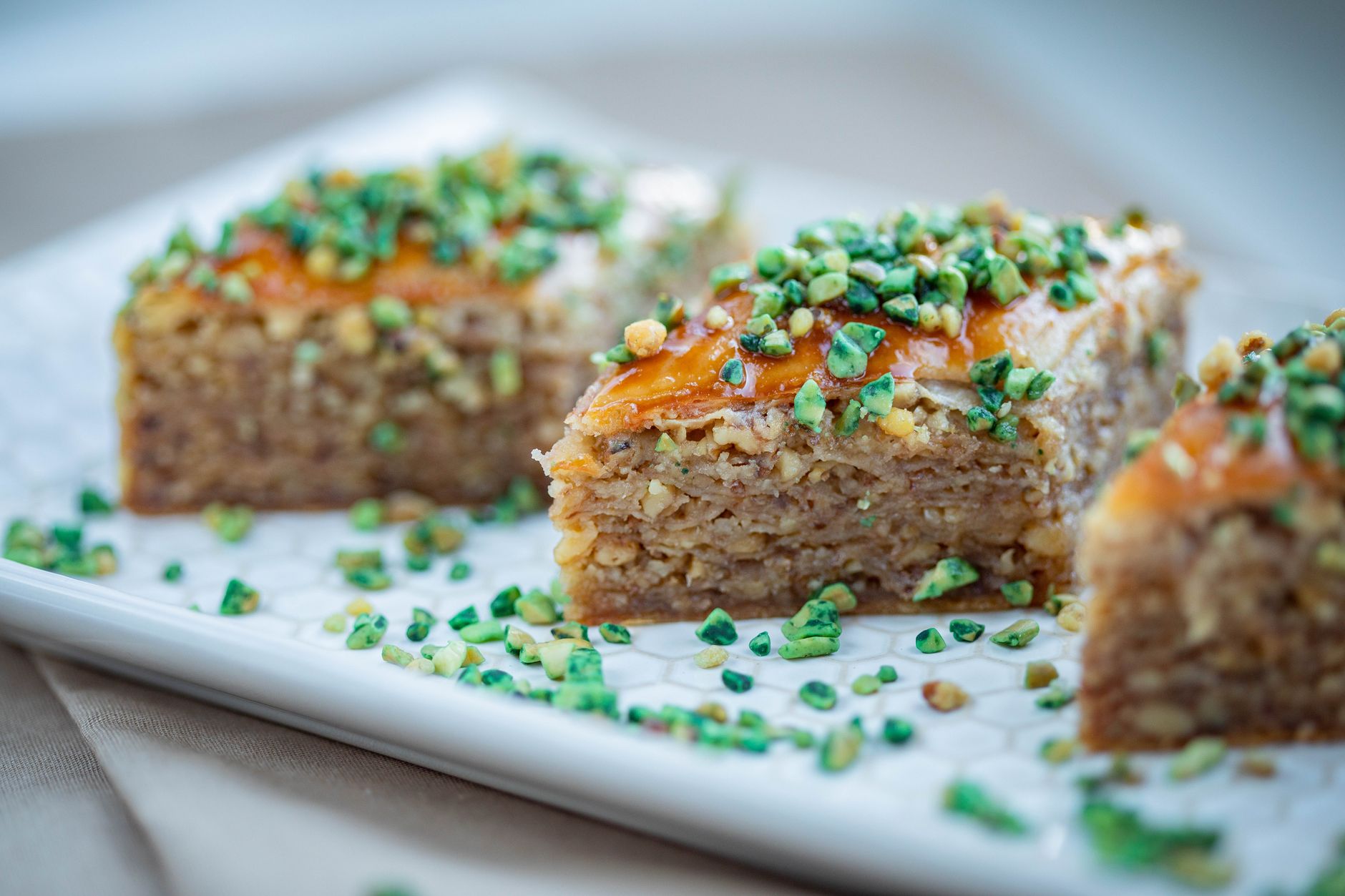
Serve your Pistachio Greek Honey Cake with lightly sweetened whipped cream, whipped Greek yogurt, or a handful of fresh berries to balance the richness. A drizzle of extra honey or a sprinkle of crushed pistachios on top adds visual appeal and texture.
More Recipes You Will Love
If you enjoy the nutty and sweet harmony of this cake, the Strawberry mint and thyme shortcake recipe offers a refreshing contrast of berries and herbs that pairs wonderfully with any dessert table. For those who favor rich sweetness, the Butterscotch blondies bring the comforting warmth of caramel notes with a chewy texture. These recipes complement the Pistachio Greek Honey Cake in flavor and style.
Conclusion
The Pistachio Greek Honey Cake is a delicious celebration of classic Mediterranean flavors—honey, orange, and nuts—that’s surprisingly simple to prepare. Its moist crumb and aromatic syrup leave a lasting impression. Whether for a special occasion or a casual gathering, this cake promises to delight your taste buds and those of your guests. Feel free to share your baking experience or variations in the comments below. Your feedback helps create an even better kitchen community!
FAQs
When is the best time to eat Pistachio Greek Honey Cake?
The best time to enjoy Pistachio Greek Honey Cake is during afternoon tea, festive celebrations, or as a delightful dessert after dinner. Its light and rich flavors also make it perfect for cozy gatherings any time of the year.
Can I substitute pistachios if I have a nut allergy?
If you have a nut allergy, it’s best to avoid this recipe or substitute pistachios with seeds such as pumpkin or sunflower seeds, keeping in mind the flavor and texture will change slightly.
How should I store Pistachio Greek Honey Cake?
Store the cake in an airtight container at room temperature for up to 2 days, or refrigerate for up to 5 days. This will help maintain its moisture and flavor. Allow it to come to room temperature before serving.
Is this cake suitable for vegetarians?
Yes, Pistachio Greek Honey Cake is suitable for vegetarians. It contains no meat or gelatin and uses ingredients like honey, eggs, and dairy, which are acceptable in a vegetarian diet.
Can I make this cake gluten-free?
To make the cake gluten-free, substitute the all-purpose flour with a gluten-free flour blend of equal measure. Ensure the blend includes xanthan gum or another binder for best texture results.