Why This Dish Wins
Imagine a weeknight dinner that looks like it took hours in a Korean bistro, but actually lands on your plate in under 30 minutes. Thats the magic of peanut butter gochujang chicken. The creamy nuttiness of peanut butter balances the fiery kick of gochujang, creating a sauce thats simultaneously comforting and adventurous. Its a winwin for your taste buds and your schedule.
But lets get real for a secondsome people hear peanut butter and instantly think dessert or unhealthy. Thats a myth we need to bust. Peanut butter brings plantbased protein, healthy monounsaturated fats, and a subtle sweetness that tames the heat without adding refined sugar. When paired with gochujanga fermented Korean chili paste rich in umami and probioticsyou get a dish thats nutritionally rounded, not just flavorpacked.
If youve ever Googled gochujang chicken noodles recipe or easy recipes with gochujang, you know the search results can feel overwhelming. This recipe strips the clutter away, focusing on pantry staples, simple steps, and optional tweaks for any dietary preference. Whether youre craving the classic gochujang chicken recipe or want to experiment with honey gochujang chicken, weve got you covered.
Ingredient Checklist
Heres everything youll need, broken down so you can quickly check your pantry before you start.
Pantry Essentials
2tbsp smooth peanut butter
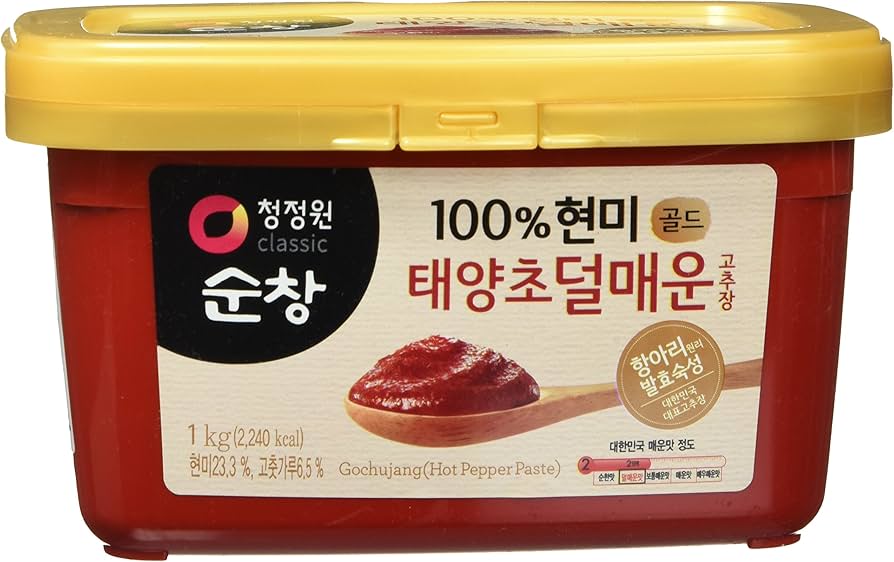
2tbsp gochujang paste (look for a brand that lists fermentation on the label)
2tbsp soy sauce (or tamari for glutenfree)
1tbsp honey (optional, for a sweet glaze)
1tbsp rice vinegar
1tsp sesame oil
cup water (adjust for sauce thickness)
Protein Choices
1lb boneless, skinless chicken thighs (preferred for juiciness) or breasts (leaner)
Optional swaps: firm tofu for a plantbased version, or peeled shrimp for a surfandturf twist
Noodles & Carbs
2 packs instant ramen noodles (the kind without seasoning packets) perfect for peanut gochujang noodles
Want a lowcarb angle? Replace with zucchini noodles or shirataki noodles.
For a heartier bowl, serve over steamed rice think gochujang chicken and rice.
Fresh Aromatics & Toppings
3cloves garlic, minced
1inch fresh ginger, grated
2green onions, sliced
1tsp redpepper flakes (for extra heat)
1tbsp toasted sesame seeds
Lime wedges for a bright finish
Equipment
Large skillet or wok
Small bowl and whisk for the sauce
Measuring spoons, knife, cutting board
Airtight container if youre mealprepping
Cooking Guide
Prep the Chicken
First, pat the chicken dry with paper towelsthis helps it brown nicely. Cut into bitesize cubes, season lightly with salt and pepper, and if you have a few extra minutes, toss the pieces in a splash of soy sauce and a minced garlic clove. The brief marinate adds depth without slowing you down.
Whisk the Sauce
In a small bowl, combine the peanut butter, gochujang, soy sauce, honey (if using), rice vinegar, sesame oil, and water. Warm the mixture in the microwave for about 20 seconds or stir it over low heat on the stove; this makes the peanut butter melt and blend seamlessly. Youll end up with a glossy, slightly thick sauce that coats everything beautifully.
Cook the Noodles
While the chicken is marinating, bring a pot of water to a boil. Drop the ramen noodles in and cook for just 2minutessheer overcooking will make them mushy when they hit the sauce later. Drain, rinse under cold water, and drizzle a little sesame oil to keep them from sticking.
Sear the Chicken
Heat a tablespoon of oil in your skillet over mediumhigh heat. Add the chicken cubes in a single layer; let them sit untouched for 23minutes so they develop a caramelized crust. Flip and cook another 23minutes until the interior is no longer pink. If theres a lot of fond (those tasty brown bits) left in the pan, deglaze with a splash of water or broththis will become part of your sauce.
Combine & Finish
Reduce the heat to medium and pour the whisked sauce into the skillet. Stir to coat the chicken, then add the cooked noodles and aromatics (garlic, ginger, redpepper flakes). Toss everything together for another minute, letting the sauce cling to each strand of noodle and each piece of chicken. Finish with a sprinkle of sesame seeds, sliced green onions, and a squeeze of lime.
Serving Ideas
Place the saucy goodness in a bowl. If youre craving a more traditional Korean vibe, serve over a bed of steamed jasmine ricethis is the beloved gochujang chicken and rice combo. For a noodlecentric dinner, keep it as is, perhaps alongside a quick cucumber kimchi for crunch.
Variations & Pairings
HoneyGlazed Twist
Stir in an extra tablespoon of honey during the sauce step. The result? A subtle caramel note that mirrors honey gochujang chicken found in many Korean BBQ menus.
CoconutMilk Creaminess
Swap half the water for light coconut milk. Not only does this add a silky texture, it introduces a gentle tropical undertone that pairs wonderfully with the heat of gochujang.
VeggieBoosted Bowls
Before adding the sauce, quickly stirfry broccoli florets, sliced bell peppers, and shredded carrots. They add color, crunch, and a dose of fibergreat if youre eyeing the korean chicken noodles spicy vibe but want a balanced plate.
Noodle Swaps
Heres a quick comparison to help you decide which carb base suits your mood:
| Carb Base | Cooking Time | Texture | Calories (per serving) |
|---|---|---|---|
| Ramen noodles | 2min | Chewy, slightly soft | 180 |
| Soba noodles | 4min | Nutty, firm | 210 |
| Steamed rice | 15min | Fluffy, neutral | 200 |
| Zucchini noodles | 1min (raw) | Crunchy, fresh | 50 |
MealPrep Friendly
Store the sauce in a separate airtight jar and keep the chicken and noodles refrigerated in their own containers. When youre ready to eat, just reheat the chicken, toss with the sauce, and stir in fresh noodles. This method preserves texture and prevents the noodles from becoming soggy.
Nutrition & Health Insights
Macro Breakdown (per serving)
Assuming the recipe serves four, each plate delivers roughly:
| Nutrient | Amount |
|---|---|
| Calories | 350kcal |
| Protein | 30g |
| Fat | 12g (mostly unsaturated) |
| Carbohydrates | 35g |
| Sugar | 6g (from honey & peanut butter) |
| Sodium | 480mg |
Those numbers come from the USDA FoodData Central database USDA Nutrient Database, a reliable source for macro calculations.
Why Peanut Butter & Gochujang Are Good Together
Peanut butter supplies plantbased protein, magnesium, and vitaminE, while gochujang brings capsaicina compound linked to modest metabolism boosts and painrelief properties, according to research from the National Institutes of Health NIH. The fermentation process also adds beneficial probiotics, supporting gut health.
Allergy & Dietary Adaptations
If peanuts are a nogo, try almond butter or sunflower seed butter; both maintain that creamy consistency. For a lowersodium profile, choose reducedsodium soy sauce or a splash of tamari. And if youre watching carbs, replace the ramen with spiralized squash or serve the chicken over a mixedleaf salad.
Balancing the Plate
Even though the sauce is rich, you can easily round out the meal with a side of quick kimchi or a green salad dressed with a light sesameoil vinaigrette. This approach mirrors the easy recipes with gochujang philosophy: bold flavor without the heavy feeling.
Expert Tips & Sources
To make this dish truly shine, consider these professional insights:
- Heat control: Start with mediumhigh heat for the chicken sear, then lower to medium when adding the sauce. Overheating can cause the peanut butter to separate.
- Sauce consistency: If the sauce feels too thick, thin it with a tablespoon of warm broth. If its too runny, stir in an extra halfteaspoon of peanut butter.
- Flavor layering: Add a pinch of toasted sesame seeds at the very end; their nutty aroma elevates the dish just like a final brush of olive oil on a salad.
- Credible references: Check the Korean Food Promotion Institutes guidelines on authentic gochujang for details on fermentation standards (a reputable source for gochujang recipes).
Final Thoughts
There you have itpeanut butter gochujang chicken in all its glorious, balanced glory. By marrying the creamy comfort of peanut butter with the bold, fermented punch of gochujang, you get a dish thats both satisfying and exciting. Whether you serve it over noodles, rice, or a fresh veggie base, youre delivering a meal that feels restaurantready without the price tag.
Give it a try tonight, and feel free to experiment with the honey glaze or coconutmilk version. If you end up adding a secret ingredientmaybe a dash of smoked paprika or a handful of fresh cilantroshare your twist with friends (or just keep it as your tasty secret!). Remember, cooking is as much about curiosity as it is about flavor, so have fun, stay adventurous, and enjoy every bite.
FAQs
How long does it take to prepare peanut butter gochujang chicken?
The whole dish comes together in about 30 minutes, including prep, cooking the chicken, and tossing it with the sauce and noodles.
Can I use chicken breasts instead of thighs?
Yes! Chicken breasts work fine for a leaner option; just be careful not to over‑cook them, as they can dry out more quickly than thighs.
What can I substitute if I’m allergic to peanuts?
Swap the peanut butter for almond butter, cashew butter, or sunflower seed butter. These alternatives keep the creamy texture while staying nut‑free.
Is the sauce very spicy, and can I adjust the heat?
The gochujang gives a moderate kick. Reduce the amount of gochujang or add a bit more honey or soy sauce for a milder flavor, or increase red‑pepper flakes for extra heat.
How should I store leftovers?
Keep the sauce in an airtight container separate from the noodles. Store the chicken and noodles in the fridge for up to 3 days, then reheat and combine with the sauce when ready to eat.