Why Oysters with a Classic Mignonette Sauce?
Picture the briny burst of fresh oysters meeting the sharp tang of a classic mignonette sauce—a delightful pairing that excites the palate. This timeless combination enhances the natural sweetness and creamy texture of oysters, offering a balance of acidity and subtle heat from shallots and cracked pepper. Oysters with a classic mignonette sauce create an elegant yet refreshing appetizer perfect for any occasion. Whether you’re hosting a dinner party or indulging in a quiet moment, this dish awakens your senses with every bite.
Health Benefits & Nutrition
Oysters are not only a culinary delight but also packed with nutrition. Rich in zinc, oysters support immune function and wound healing, as confirmed by research published in The Journal of Nutrition. They provide essential omega-3 fatty acids, promoting heart health and reducing inflammation. Additionally, oysters are an excellent source of vitamin B12, vital for brain health and energy metabolism. However, if you are pregnant, have shellfish allergies, or are on blood-thinning medications, consult your healthcare provider before enjoying oysters to avoid any risks.
Ingredients & Preparation
Recipe Card
| Prep Time | Total Time | Servings | Calories | Diet Tags |
|---|---|---|---|---|
| 15 minutes | 25 minutes | 12 oysters | 56 per oyster | Gluten-Free, Paleo, Keto |
Full Ingredient List
- 12 large fresh oysters, shucked
- 1/4 cup red wine vinegar
- 1 shallot, finely minced
- 1/4 teaspoon kosher salt
- Freshly ground black pepper, to taste
Equipment Needed
- Oyster knife for shucking
- Small mixing bowl
- Measuring cups and spoons
- Serving platter
- Fine mincing knife or food processor for shallots
Tips for Choosing Quality Ingredients
Select oysters that are tightly closed—this indicates freshness. Avoid any with cracked or open shells. The vinegar should be bright and fresh to bring the right acidity to the sauce. Look for firm, glossy shallots to add a subtle sweetness that balances the tang of the vinegar perfectly. When possible, buy oysters from a trusted seafood supplier to ensure safety and flavor.
Step-by-Step Instructions
Step 1: Preparing the Mignonette Sauce (10 minutes)
In a small bowl, combine 1/4 cup of red wine vinegar with the finely minced shallot. Add 1/4 teaspoon of kosher salt and freshly ground black pepper to taste. Stir gently to blend all ingredients. Let the mixture sit at room temperature for at least 10 minutes to allow the flavors to meld beautifully.
Step 2: Shucking the Oysters (10 minutes)
Using a sturdy oyster knife, carefully shuck each oyster by twisting the blade into the hinge and popping the shell open. Run the knife along the top shell to detach the muscle, then remove the top shell. Slide the knife underneath the oyster to free it from the bottom shell, preserving its natural juices.
Step 3: Plating the Oysters (3 minutes)
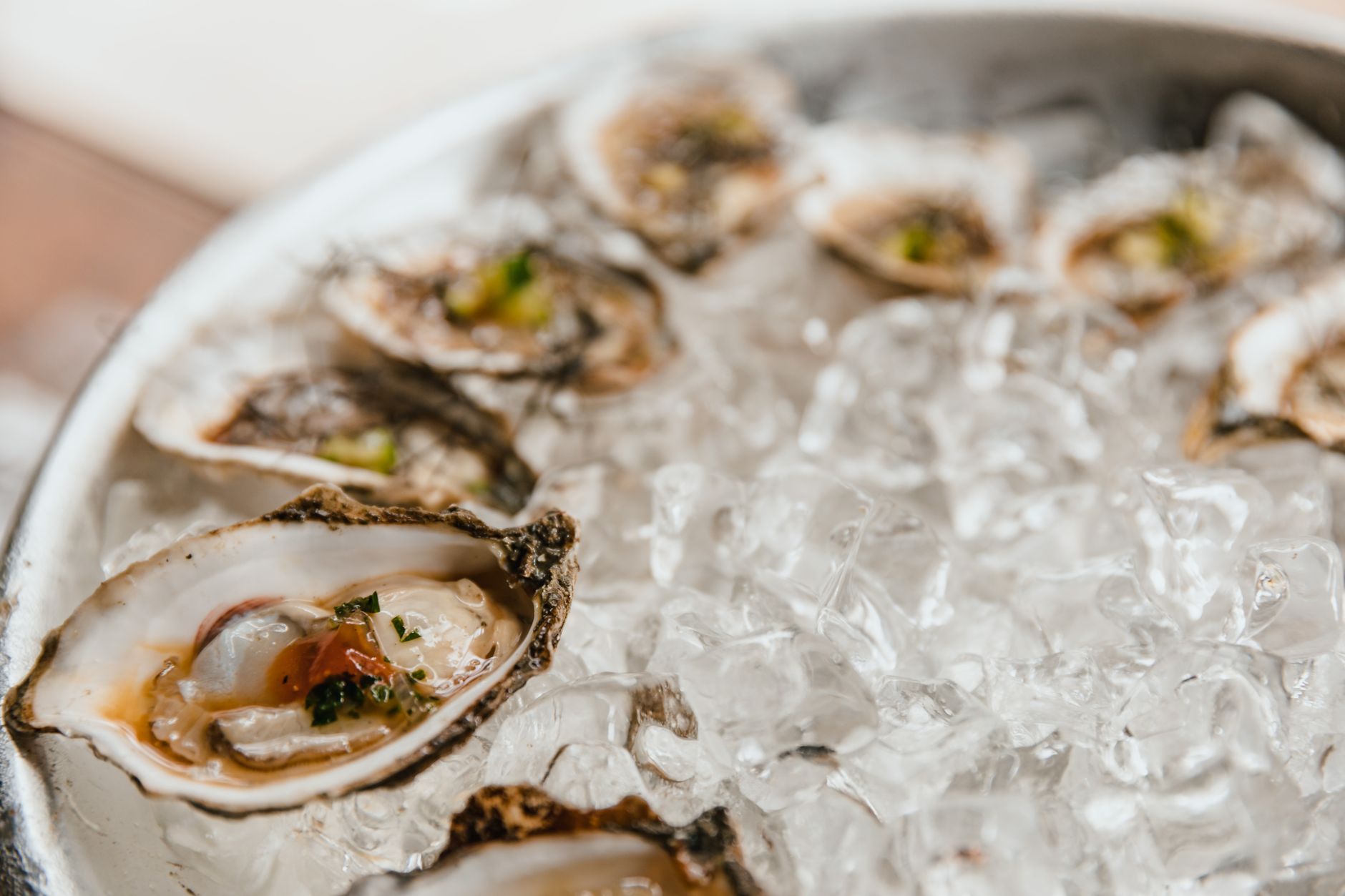
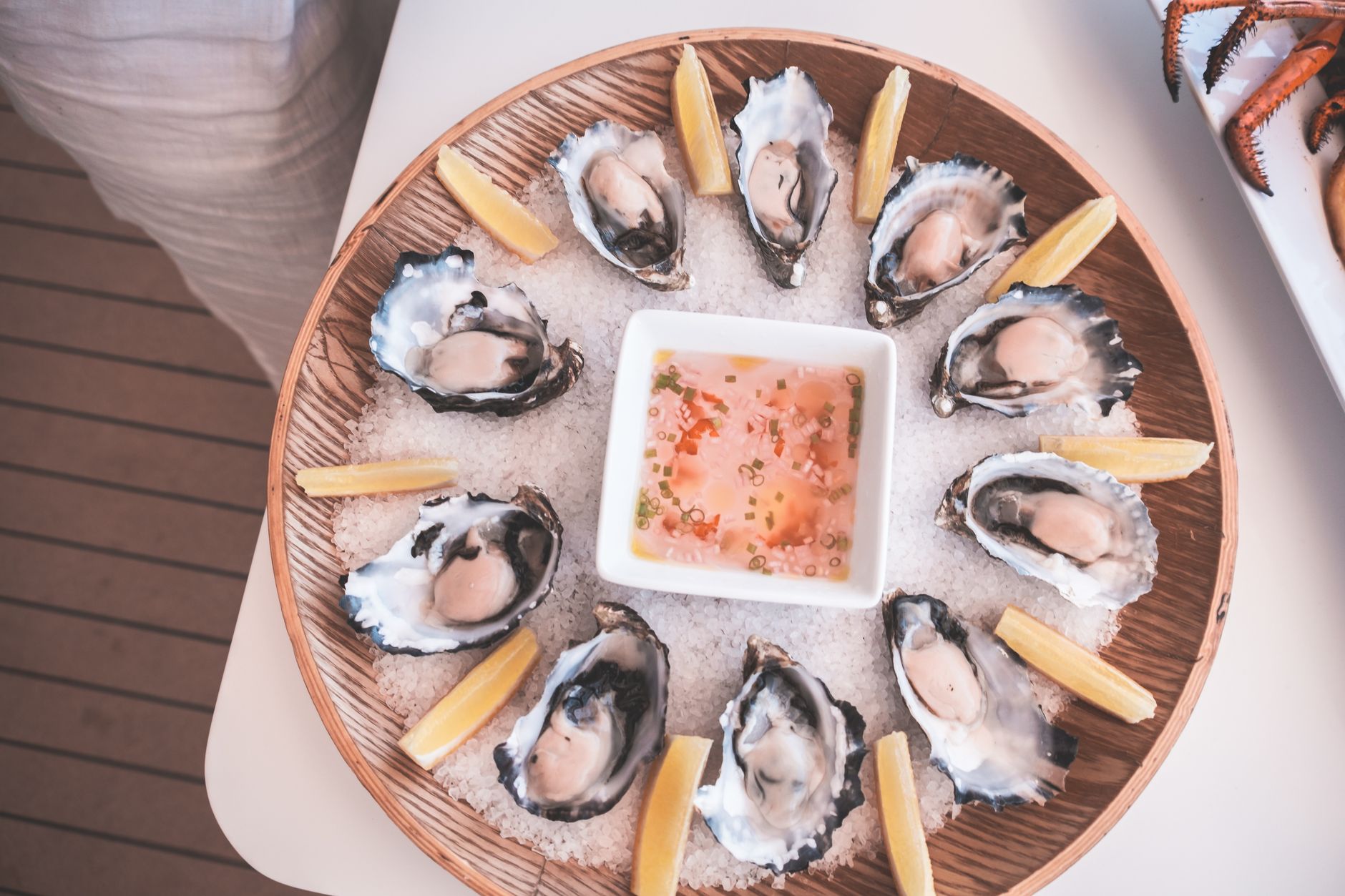
Arrange the shucked oysters on a platter, ideally over crushed ice to keep them chilled and fresh. This presentation enhances the aroma and keeps the oysters at the perfect temperature.
Step 4: Drizzling the Mignonette (2 minutes)
Spoon a small amount of the mignonette sauce onto each oyster, allowing the tangy, sharp flavors to complement the briny meat. Serve immediately to enjoy the crisp, fresh sensations.
Step 5: Enjoying Your Dish
Savor oysters with a classic mignonette sauce by gently tipping the shell and letting the oyster slide into your mouth, followed by a sip of a crisp white wine or sparkling water to cleanse the palate.
Variations & Substitutions
- Citrus Mignonette: Replace red wine vinegar with a mix of lemon and lime juice for a vibrant, zesty lift.
- Shallot Alternatives: Use finely chopped red onion or green onions if shallots aren’t available, though these change the flavor profile slightly.
- Spicy Kick: Add a pinch of crushed red pepper flakes or a few drops of hot sauce to the classic mignonette for subtle heat without overpowering the oysters.
- Herb Infusion: Stir in fresh chopped herbs like tarragon or parsley to the mignonette for an aromatic twist.
Storage & Shelf Life
Fresh oysters should always be kept cold, ideally on crushed ice in the refrigerator, and consumed within 1 to 2 days of purchase to maximize freshness and safety. Store the mignonette sauce separately in an airtight container for up to 3 days in the fridge. Avoid freezing fresh shucked oysters as freezing alters their delicate texture and taste. Signs of spoilage include a strong, unpleasant odor, shells that remain open, or slimy texture—discard immediately if these occur.
Pro Tips
- When shucking, always work slowly and cautiously to avoid shell fragments and injury. Hold the oyster with a thick towel for protection.
- Drain excess oyster liquor before adding the mignonette to prevent dilution of flavors and maintain the perfect balance between briny and acidic.
- Use fine knives or small spoons to drizzle the mignonette precisely, ensuring each oyster gets just the right amount.
- To prevent staining your hands from shallots, soak peeled shallots in cold water for a few minutes before mincing.
When is the best time to eat Oysters With A Classic Mignonette Sauce?
The best time to enjoy oysters with a classic mignonette sauce is during the colder months from September to April, when oysters are at their peak freshness and flavor. The cooler season ensures a sweeter, firmer texture and reduces the risk of bacteria growth common in warmer months.
Can I prepare the mignonette sauce in advance?
Yes, you can prepare the mignonette sauce up to 24 hours in advance. Refrigerate it in a covered container to allow the flavors to mature. Just bring it to room temperature before serving for the best taste experience.
Are raw oysters safe to eat?
Raw oysters are generally safe when sourced from reputable suppliers and kept at the correct temperature. However, they can carry bacteria such as Vibrio vulnificus. People with weakened immune systems or certain health conditions should avoid raw oysters or consult a doctor first.
What wine pairs well with oysters and mignonette?
Crisp, mineral-driven white wines like Muscadet, Chablis, or a dry sparkling wine complement the oyster’s briny notes and the mignonette’s acidity beautifully. These choices refresh the palate and enhance the overall tasting experience.
Can I use other types of vinegar for the mignonette?
While red wine vinegar is traditional, you can substitute with champagne vinegar or sherry vinegar for a different but equally delightful flavor. Avoid overly strong vinegars like balsamic, which overpower the oysters.
How should I store leftover oysters?
Leftover fresh oysters should be stored in their shell on ice in the refrigerator and consumed within 24 hours. Once shucked, they lose quality quickly and are best eaten immediately.
Can I grill oysters instead of serving raw?
Grilling oysters offers a smoky depth but is a different preparation from serving oysters with classic mignonette sauce. You can still top grilled oysters with a spoonful of mignonette for a fusion of flavors.
Are oysters suitable for people with diabetes?
Oysters are low in carbohydrates and rich in protein, making them a diabetic-friendly seafood choice. For more seafood options suitable for diabetics, check out Can diabetics eat fish everyday.

More Recipes You Will Love
If you enjoy the bright, fresh flavors of oysters with mignonette, you’ll appreciate other seafood dishes with vibrant seasoning. The Sauteed octopus with oregano recipe 1914343 offers a wonderful combination of tender octopus and aromatic herbs that pairs perfectly with Mediterranean flavors.
For a delightful seafood appetizer, consider freshly shucked oysters simply served with lemon wedges or a touch of hot sauce. These variations all celebrate the ocean’s bounty with elegant simplicity.
Conclusion
Oysters with a classic mignonette sauce deliver a refreshing, tangy experience that highlights the natural sweetness and briny character of fresh oysters. The simplicity of this recipe allows your taste buds to savor pure, balanced flavors in every bite. Whether for a special occasion or an indulgent treat, this dish is sure to impress. Feel free to share your thoughts, variations, or questions below—your feedback makes the culinary journey even richer.
FAQs
When is the best time to eat Oysters With A Classic Mignonette Sauce?
The best time to eat oysters with a classic mignonette sauce is when oysters are in peak season, typically in cooler months from September to April. Fresh oysters served cold with the tangy mignonette make a refreshing appetizer for special occasions or casual dining.
How should fresh oysters be stored before preparing this dish?
Keep fresh oysters refrigerated at a temperature between 35-40°F. Store them in a breathable container covered with a damp cloth to maintain moisture. Avoid airtight containers or fresh water, as oysters need to stay alive and fresh for the best flavor.
Can I prepare the mignonette sauce in advance?
Yes, the mignonette sauce can be made a few hours ahead of time. Allowing it to sit helps the flavors meld and intensify, making the sauce taste even better when drizzled over the oysters just before serving.
Are there any common allergens in oysters with a classic mignonette sauce?
Oysters are shellfish and a common allergen. The mignonette sauce ingredients like vinegar and shallots are generally safe but check for any additional allergies. People with shellfish allergies or certain health conditions should avoid this dish.
What drinks pair well with oysters and mignonette sauce?
Crisp white wines like Sauvignon Blanc, Champagne, or sparkling water pair exceptionally well. These drinks cleanse the palate and complement the oysters’ briny flavor and the sharp acidity of the mignonette sauce.