Introduction
Ottolenghi roasted vegetables tahini perfectly blends caramelized veggies and luscious tahini sauce. This recipe draws on Middle Eastern roasting style, bringing warm, earthy spices to tender roasted vegetables drizzled with creamy tahini. Its a satisfying choice for anyone craving healthy dinner vegetable recipes that dont skimp on flavor. Whether youre new to roasting or want a fresh twist on a classic, this dish is a flavorful, wholesome dinner option you‘ll likely make again.
Key Highlights
Why Ottolenghi Roasted Vegetables Tahini Works
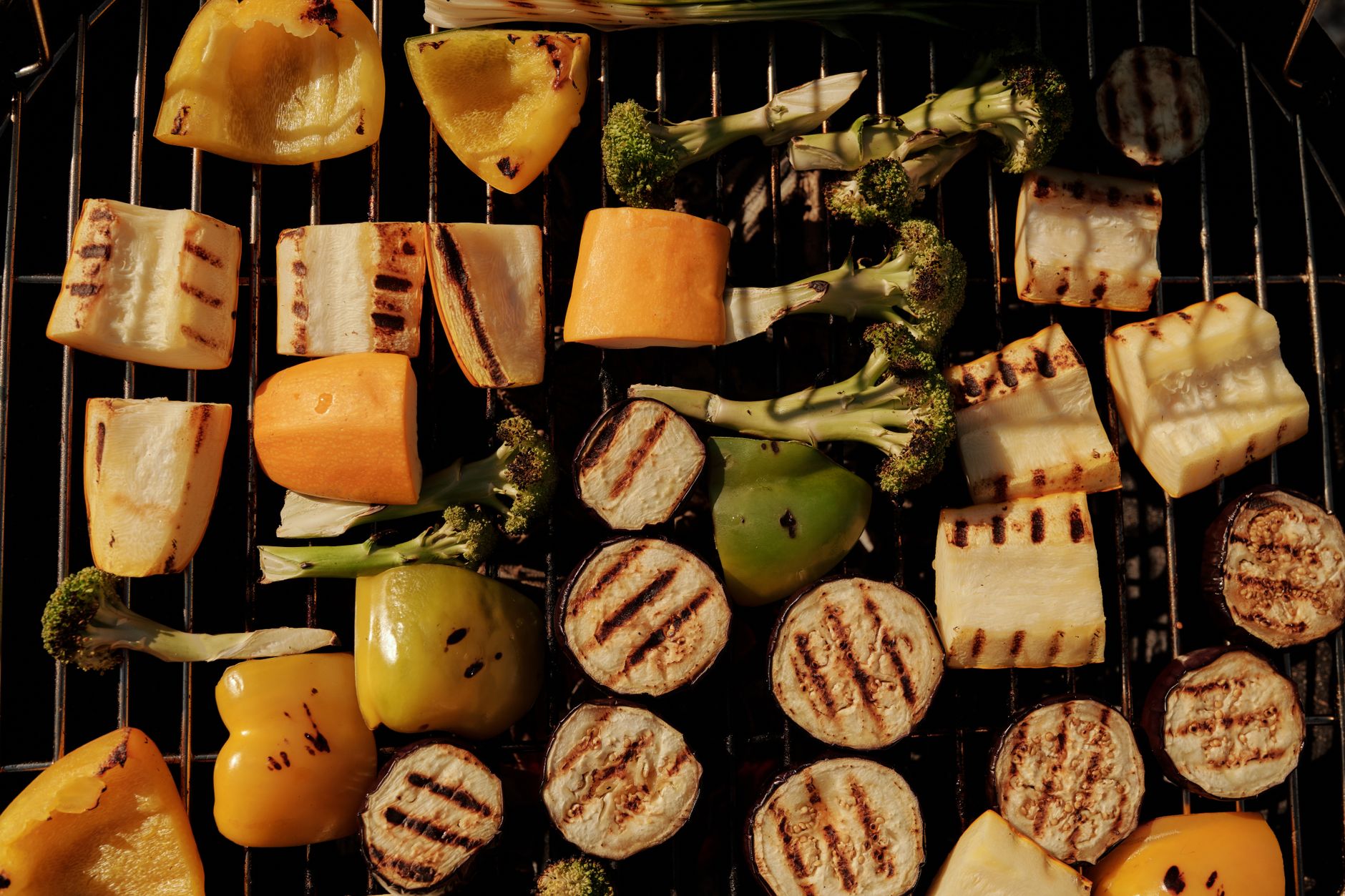
The secret behind this ottolenghi roasted vegetable recipe lies in the roasting vegetables technique. Hot, dry heat caramelizes the edges, creating crispy, golden textures while keeping interiors tender. Tahini sauce for roasted veggies adds a rich, nutty balance with subtle tang from lemon juice. Together, these elements deliver vibrant tastes accompanied by contrasting texturesevery bite melts smoothly and crunches lightly. The result feels soulful and satisfying without heaviness.
Versatile Dinner Essential
You can serve this dish as a hearty vegan main or pair it as an elegant side with grains or grilled proteins. The roasting method works well with various root veggies plus seasonal favorites like cauliflower or bell peppers. When you want to adjust spice or creaminess, adding cayenne or thinning tahini sauce can personalize the dish. This flexibility appeals to many looking for simple, healthy dinners packed with flavor.
Dietary Benefits
By default, this recipe is vegan tahini roasted vegetables goodnessgluten-free, dairy-free, and plant-based. It‘s great for those wanting to increase vegetable intake while enjoying Middle Eastern flair. If you have sesame allergies, consider replacing tahini with almond butter, but be mindful this changes the dishs character. For most, it fits easy, clean-eating plans.
Ingredients & Preparation
| Prep time | Total time | Servings | Calories | Diet tags |
|---|---|---|---|---|
| 15 minutes | 45 minutes | 4 | 280 approx. | Vegan, Gluten-Free, Dairy-Free |
Complete Ingredient List with Substitutions
- 3 cups mixed vegetables (carrots, sweet potatoes, cauliflower) swap with zucchini or bell peppers if desired
- 3 tbsp olive oil avocado oil is a mild-flavored alternative
- 1 tsp ground cumin
- tsp smoked paprika
- Salt and freshly cracked black pepper to taste
- cup tahini (cold-pressed for best flavor)
- 2 tbsp freshly squeezed lemon juice
- 1 garlic clove, minced (optional)
- Water (to thin the tahini sauce)
Essential Equipment
A large baking sheet helps vegetables roast evenly with enough space to avoid steaming. Use a mixing bowl or small whisk for tahini sauce preparation. A blender can smooth sauce to creamy perfection but isnt necessary. Having a kitchen timer and reliable oven thermometer ensures precise roasting.
Choosing Quality Ingredients
Select bright, firm vegetables without blemishes or soft spots for the best roasting results. Organic root veggies enhance natural sweetness and flavor depth. For the tahini, opt for a fresh, cold-pressed variety, which tends to be richer and less bitter than cheaper alternatives. Fresh lemon juice brightens the sauce, so squeezing fresh lemons works best.
Step-by-Step Instructions
Step 1 Prep Vegetables
Start by washing vegetables thoroughly. Peel carrots and sweet potatoes. Chop all vegetables into uniform 1-inch pieces to ensure even roasting. Uniformity avoids some veggies overcooking while others remain underdone.
Step 2 Roast Vegetables
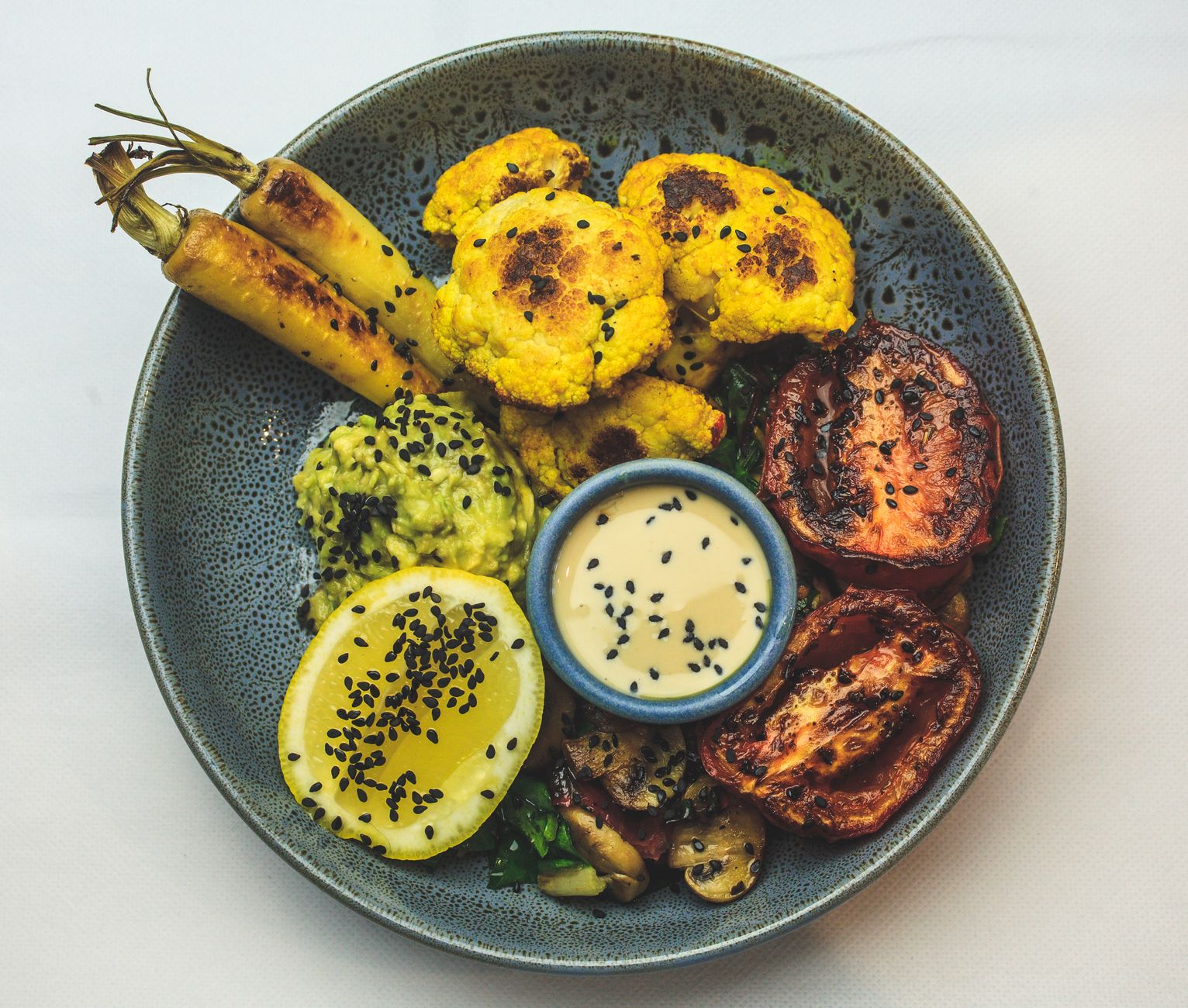
Preheat your oven to 425F (220C). Toss the chopped veggies with olive oil, ground cumin, smoked paprika, salt, and black pepper in a large bowl. Spread them evenly in a single layer on the baking sheet. Roast for 2530 minutes, flipping halfway through to brown all sides evenly. Keep veggies spaced to prevent steaming instead of roasting.
Step 3 Prepare Tahini Sauce
Mix tahini, freshly squeezed lemon juice, minced garlic (if using), and a pinch of salt in a bowl. Whisk gently while adding water a tablespoon at a time until you achieve a creamy but pourable consistency. Too thin dilutes flavors; aim for a smooth dollop that clings to veggies.
Step 4 Serve or Store
Plate the warm roasted vegetables and drizzle with tahini sauce just before serving. Leftovers store best when vegetables and tahini sauce are in separate airtight containers. Cool completely before refrigerating to maintain flavor and texture.
Variations & Substitutions
Popular Dietary Tweaks
Sprinkle toasted pine nuts or fresh pomegranate seeds over the finished dish for a burst of crunch and subtle sweetness. If allergic to sesame, replacing tahini with almond or cashew butter works, though it alters the nutty flavor palette.
Ingredient Swaps and Flavor Effects
Switch cumin for coriander to add citrusy brightness instead of earthy warmth. Replacing raw garlic with minced shallots softens pungency but adds a mild onion flavor. Try adding a pinch of cayenne pepper to increase heat or reduce garlic and lemon juice for a milder, creamier tahini experience.
Adjusting Flavor Intensity
For spicier notes, sprinkle cayenne into the vegetables or tahini sauce. If you prefer a mellow taste, reduce both garlic and lemon juice. Adjust salt carefully; it enhances flavors but can overpower.
Storage & Shelf Life
Refrigerator Storage
Store roasted vegetables and tahini sauce separately in airtight containers. Refrigerate for 45 days to maintain best freshness and avoid sogginess in the veggies.
Freezer Option
Freeze roasted vegetables in sealed freezer bags for up to 3 months. Tahini sauce doesnt freeze well; it tends to separate or become grainy. Prepare fresh tahini sauce when you‘re ready to serve after thawing veggies.
Make-Ahead Tips
Double or triple this recipe as needed. Label containers with date and store in glass containers when possible for better temperature regulation. Thaw frozen vegetables overnight in the fridge before reheating gently.
Pro Tips & Troubleshooting
Preventing Stains While Handling Vegetables
Wear disposable gloves when peeling and chopping vibrantly colored veggies like sweet potatoes or carrots. These can stain your hands and surfaces but gloves easily protect skin and save cleanup time.
Ensuring Perfect Caramelization
Spread vegetables evenly with enough space on the pan. Overcrowding traps steam, which leads to softer, pale veggies instead of crisp, golden edges. Use a hot oven and flip veggies halfway for uniform roasting.
Balancing Tahini Sauce Flavors
If your tahini sauce tastes bitter, its often due to stale tahini or over-thinning with water. Use freshly opened tahini and add lemon juice gradually. A squeeze more lemon juice brightens and cuts bitterness, while salt enhances depth.
Expert Upgrade
Sprinkle a pinch of smoked sea salt on the finished dish right before serving. This small addition amplifies the savory layers and deepens smoky undertones, elevating the dish subtly but effectively.
When is the best time to eat ottolenghi roasted vegetables tahini?
Enjoy ottolenghi roasted vegetables tahini immediately after roasting for the best texture and vibrant flavors. Leftovers are still delicious and can be reheated within 12 days, but roasting fresh creates the ideal crisp contrast with creamy tahini.
Can I make a big batch ahead of time?
Yes, roasting vegetables ahead saves time. Keep veggies and tahini sauce separate in airtight containers and refrigerate for up to 5 days. Assemble just before serving to maintain texture and flavor freshness.
Fresh vegetables or frozen which is better?
Fresh vegetables roast more evenly and caramelize beautifully, creating crispy edges and rich aromas. Frozen vegetables release moisture when roasting, which can lead to softer textures and slower browning.
Is this safe for pregnant women, kids, or people on medication?
This recipe is generally safe for all ages, including pregnant women and children. However, sesame allergies require caution. If you have concerns about specific medications or dietary restrictions, consult your healthcare provider.
How often can I eat this dish?
You can enjoy ottolenghi roasted vegetables tahini several times a week as part of a balanced diet. Varying the vegetables used keeps meals interesting and nutritionally diverse.
Why does my roasted veggie tahini taste bitter?
Bitterness may result from over-roasting or using stale tahini. Avoid charring vegetables and always use fresh tahini. Balancing with extra lemon juice and a pinch of salt helps reduce bitterness.
What pairs well with ottolenghi roasted vegetables tahini?
Serve this dish alongside warm pita bread, fluffy quinoa, or grilled chicken for a full meal. For something fresh, try pairing with a grilled vegetable salad ottolenghi for complementary flavors and textures.

More Recipes You Will Love
Try our flavorful Vegan Lentil Stew for Comfort and Nutrition to complement your roasted vegetables with hearty plant protein.
For a cozy side dish, check out Winter Root Vegetable Casserole, perfect for chilly evenings when you want warm, melted-in flavors.
Expand your skill set with How to cook roast with carrots and potatoes in oven, giving you insights into superb roasting techniques that elevate your dinners.
Conclusion
Ottolenghi roasted vegetables tahini stands out with its bold flavor contrasts and simple, reliable roasting technique. This recipe avoids common roasting mistakes to create perfectly caramelized veggies paired with smooth, tangy tahini. Give it a try for a healthy dinner vegetable recipe that delivers consistently delightful results. Share your favorite twists or rate this recipe below to help others enjoy this Middle Eastern-inspired classic.
FAQs
When is the best time to eat ottolenghi roasted vegetables tahini?
Ottolenghi roasted vegetables tahini is best enjoyed immediately after roasting to experience the crisp edges and vibrant flavors with creamy tahini. Leftovers remain tasty but freshly roasted veggies have the ideal texture and taste.
Can I make a big batch of ottolenghi roasted vegetables tahini ahead of time?
Yes, you can prepare large batches by roasting the vegetables ahead and storing them separately from the tahini sauce in airtight containers. Keep refrigerated and assemble just before serving to maintain freshness and texture.
Should I use fresh or frozen vegetables for this recipe?
Fresh vegetables are recommended as they caramelize better and develop crisp edges. Frozen vegetables release more moisture during roasting, which may cause softer textures and less browning.
Is ottolenghi roasted vegetables tahini suitable for all diets?
This recipe is vegan, gluten-free, and dairy-free, making it suitable for most dietary needs. Those with sesame allergies should substitute tahini with almond or cashew butter, though this will alter the flavor profile.
Why does my tahini sauce or roasted vegetables taste bitter?
Bitterness can come from over-roasting the vegetables or using stale tahini. Avoid charring the veggies and use fresh tahini. Adding extra lemon juice and a pinch of salt can help balance and reduce bitterness.