Quick Start Summary
If youre itching for a velvety slice of cheesecake right now, heres the skinny: combine 32oz of Philadelphiastyle cream cheese with sugar, eggs, a splash of vanilla and a dollop of sour cream, bake at 325F for about an hour, then chill overnight. Want a shortcut? Swap the oven for a gelatinkissed nobake version that sets in the fridge in four hours. Either way, youll end up with a denseyetairy dessert thats perfect for birthdays, potlucks, or just because you deserve something sweet.
Why Its Original
What makes a cheesecake original?
The term original usually points back to the classic NewYork style that was popularized in the early 1900s. The magic lives in the Philadelphia cream cheese base, a touch of sour cream for tang, and a simple grahamcracker crust. This formula has survived because it hits the perfect balance between richness and lightness.
Benefits of the classic method
When you bake the filling, the proteins in the cheese coagulate gently, giving the dessert that iconic, densebutcreamy texture. The heat also deepens the flavor, turning the subtle sweetness of sugar into a caramelkissed backdrop that you just cant get from a nobake version.
Potential pitfalls (and how to dodge them)
Cracks, soggy crust, or a watery center are the usual suspects. The main culprits are overmixing, sudden temperature changes, or forgetting the waterbath. Think of it like a friendship: it needs steady, gentle care, not sudden shocks.
Cheesecake Ingredients List
Core ingredients (the heart of the original cheesecake)
- 32oz (4cups) Philadelphiastyle cream cheese, softened
- 1cup granulated sugar
- 3 large eggs, room temperature
- 1cup sour cream
- 2teaspoons pure vanilla extract
- 1cups grahamcracker crumbs
- cup unsalted butter, melted
- teaspoon salt (optional, balances sweetness)
Ingredient substitutions (if you need to tweak)
Lowfat cream cheese works, but expect a slightly less creamy texture. For a glutenfree crust, swap grahamcracker crumbs for crushed glutenfree cookies. Want a richer bite? Add 2tablespoons heavy cream to the filling.
Tools youll need
A 9inch springform pan, a sturdy mixing bowl, an electric hand mixer (or stand mixer), a kitchen thermometer, and a roasting pan for the waterbath. Trust me, the waterbath is the secret superhero that keeps the top smooth.
Baked Cheesecake Method
Preparing the crust
Mix the grahamcracker crumbs, melted butter, and a pinch of salt until the mixture looks like wet sand. Press it firmly into the bottom (and a thin rim, if you like) of the springform pan. Refrigerate for 10minutes while you whip the filling this helps the crust set and prevents sogginess.
Making the filling
Start by beating the softened cream cheese on medium speed until its smoothno lumps. Slowly add the sugar, then the vanilla, and keep mixing until light and fluffy. One at a time, add the eggs, letting each incorporate fully before the next. Finally, fold in the sour cream; this is where the tangy flavor shines.
Baking technique
Preheat the oven to 325F (160C). Wrap the bottom of the springform pan with foil to prevent leaks, then place the pan inside a larger roasting pan. Fill the roasting pan with hot water until it reaches halfway up the sides of the springform panthats your waterbath.
Bake for 5565minutes. The center should wobble like gelatin, and an internal temperature of about 150F signals doneness. Turn the oven off, crack the door open, and let the cheesecake cool inside for an hour. This gradual cooling reduces cracks.
Cooling and chilling
After the hour, run a thin knife around the edge to release the cake, then refrigerate for at least 8hours (overnight is best). Patience rewards you with a slice that holds its shape, glistens, and melts in your mouth.
NoBake Option
When to choose nobake
Summer heat, limited oven space, or just the desire for a quicker dessert push many bakers toward the nobake route. The texture is lighter, almost mousselike, and the flavor is fresher because theres no caramelization.
Adjusted ingredient ratios
Use the same amount of cream cheese and sugar, but swap the eggs for 1cups heavy whipping cream and 1teaspoons unflavored gelatin (sprinkled over cup cold water, then dissolved). The gelatin gives the set youd otherwise get from baking.
Stepbystep nobake method
Beat the softened cream cheese and sugar until smooth. Fold in the sour cream and vanilla. In a separate bowl, whip the heavy cream until soft peaks form, then gently fold it in. Dissolve the gelatin, let it cool to lukewarm, and stir it into the cheese mixture. Pour into the prepared crust, smooth the top, and chill for 46hours.
Pros & cons
Pros: Faster, no oven heat, lighter mouthfeel. Cons: Less caramel depth, can be a bit softer at room temperature, and gelatin may be offputting to some.
Popular Cheesecake Variations
| Variation | Main Keyword Used | Key Difference | Quick Look |
|---|---|---|---|
| NewYork | new york cheesecake recipe | Extra sour cream, longer bake, higher butterfat | Denser, richer, iconic edge |
| Philadelphia | philadelphia cheesecake recipe | Uses only Philadelphia cream cheese, no sour cream | Smoother, slightly milder tang |
| Best Creamy | best creamy cheesecake recipe ever | Adds heavy cream & cornstarch for silkiness | Ultraluxurious, meltinyourmouth |
| Baked vs. NoBake | baked cheesecake recipe / original cheesecake recipe nobake | Comparison of time, texture, difficulty | Pick based on climate, schedule, preference |
NewYork Cheesecake
This version leans on an extra cup sour cream and a twohour bake at 325F, creating that famous edge around the crust. If you love a buttery crunch, try sprinkling a thin layer of melted butter on the crust before pressing the crumbs.
Philadelphia Cheesecake
A minimalist take that relies solely on the cream cheeses natural tang. Its the goto for those who crave a buttery smoothness without the extra tang from sour cream.
Best Creamy Cheesecake Ever
For the ultimate indulgence, whisk in cup heavy cream and a tablespoon of cornstarch after the eggs. The cornstarch stabilizes the mixture, preventing cracks, while the cream adds that luxurious mouthfeel.
Common Troubleshooting Tips
Why did my cheesecake crack?
Cracks usually appear when the cake cools too fast. Keep the oven door ajar for an hour after baking, then let it sit on the counter before refrigerating. Also, avoid overmixing the batter; too much air can cause tearing as it deflates.
How do I get a perfectly smooth top?
The waterbath is your best friend, but you can also cover the top loosely with foil halfway through baking to shield it from direct heat. Once out of the oven, let it sit undisturbed until its completely cool.
Can I freeze my cheesecake?
Absolutely. Wrap the cooled, sliced cheesecake tightly in plastic wrap, then a layer of foil. It will keep for up to two months. Thaw in the refrigerator overnight before serving to preserve texture.
Whats the ideal serving temperature?
Serve chilled (about 45F) for a firm slice, or let it sit at room temperature for 15minutes if you prefer a softer, meltinyourmouth experience. The flavor shines brighter when its not icecold.
How long does it stay fresh?
According to USDA food safety guidelines, a homemade cheesecake will stay safe in the fridge for 35days. Look for a sour smell or discoloration as warning signs.
Chef Expert Insights
Interview snippet
Renowned pastry chef Laura Miller says, The secret lies in temperature controlroomtemp cheese and eggs, a gentle waterbath, and a slow cooldown. Treat the batter like a delicate relationship: nurture it, dont rush it.
Science behind the texture
When the cheese proteins coagulate during baking, they form a network that traps water and fat, giving cheesecake its signature firmness. Adding sour cream introduces lactic acid, which slightly breaks down those proteins for a softer bite.
Further reading
For a deep dive into cheesecake chemistry, check out Sallys Baking Addiction, which breaks down the role of each ingredient with sciencebacked explanations.
Final Recipe Checklist
Prebake essentials
- All ingredients measured and at room temperature
- Oven preheated to 325F
- Waterbath pan prepared and filled with hot water
- Springform pan lined with foil (bottom only)
Postbake essentials
- Cooling hour in the oven (door cracked)
- Refrigeration for at least 8hours
- Release springform, slice with a hot, wet knife for clean cuts
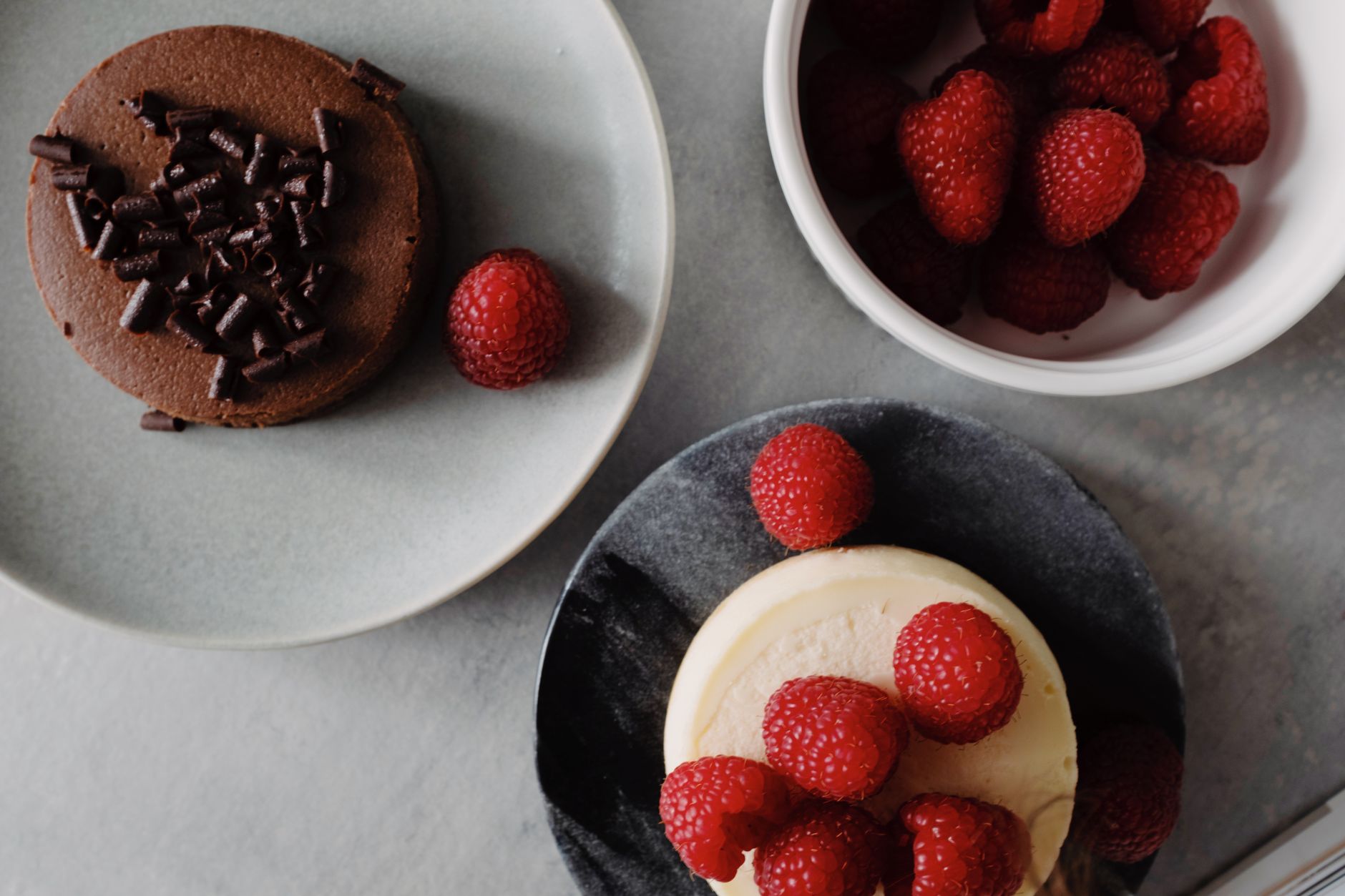
- Optional topping: fresh berries, caramel drizzle, or a dusting of cocoa powder
Conclusion
There you have itthe original cheesecake recipe that works whether youre a seasoned baker or a firsttime sweettooth explorer. From the classic baked version to the breezy nobake alternative, you now hold the keys to a dessert thats both comforting and impressive. Give it a try, tweak the flavors, and most importantly, enjoy the process. After all, baking is as much about the journey as the slice at the end. Happy cheesecaking!
FAQs
Why does my cheesecake develop cracks on the surface?
Cracks usually form when the cake cools too quickly. Keep the oven door slightly ajar for an hour after baking, then let the cheesecake cool at room temperature before refrigerating. Also avoid over‑mixing the batter to reduce excess air.
Can I prepare the cheesecake a day or two in advance?
Yes. Once baked and fully chilled, the cheesecake can be covered and stored in the refrigerator for up to 3 days. For longer storage, wrap tightly and freeze for up to two months.
What’s the main difference between the baked and no‑bake versions?
The baked version develops a caramelized, denser texture thanks to the oven’s heat, while the no‑bake version relies on gelatin for setting, giving a lighter, mousse‑like mouthfeel. Choose based on climate, time, and desired texture.
How long will a homemade cheesecake stay fresh in the fridge?
According to USDA guidelines, a homemade cheesecake remains safe to eat for up to 35 days when kept refrigerated at 40 °F (4 °C) or below. Discard if you notice sour odor or discoloration.
Is it okay to swap the graham‑cracker crust for another type?
Absolutely. You can use crushed Oreo, chocolate wafer, or gluten‑free cookie crumbs mixed with butter. Just press the new crumb mixture firmly into the pan and chill briefly before adding the filling.