Why Mongolian Beef Is a Must-Try Dish
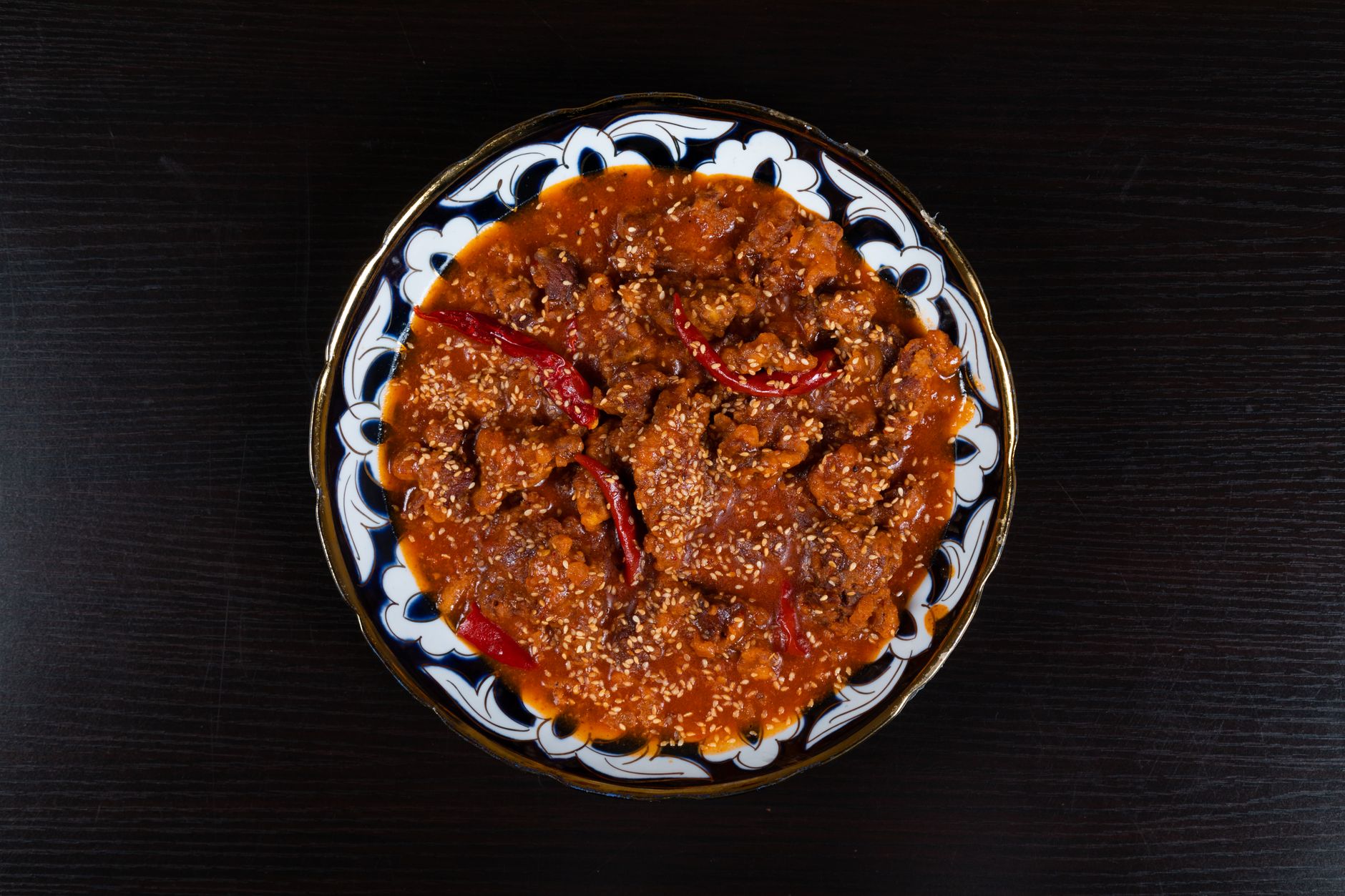
Imagine sizzling strips of tender beef glazed in a rich, slightly sweet sauce that carries a delightful hint of ginger and garlic. Mongolian beef captures that mouthwatering balance and bursts with vibrant flavors in every bite. Originating as a popular American-Chinese creation, this dish showcases perfectly seared beef paired with crisp, colorful vegetables. Mongolian beef brings the comforting aroma and satisfying texture of wok cooking right to your home kitchen. Whether for a midweek dinner or a weekend treat, this recipe will quickly become a staple in your culinary repertoire.
Health Benefits & Nutrition
Although indulgently flavorful, Mongolian beef offers several nutritional benefits when made with lean cuts and fresh vegetables. Here are a few highlights:
- High in Protein: Flank steak provides a robust source of protein, essential for muscle repair and immune function (National Institutes of Health research).
- Rich in Iron: Beef contains heme iron, which is easily absorbed and crucial for oxygen transport and energy metabolism.
- Antioxidant Boost: Ingredients like ginger and garlic add antioxidants that can support heart health and immune defense (American Journal of Clinical Nutrition).
- Low Carb Option: With moderate amounts of natural sugars and controlled starch, this dish can fit into balanced low-carb diets.
Safety Note: Individuals with soy or seafood allergies should be cautious with soy sauce and oyster sauce. Pregnant women should also check ingredient labels for sodium and additives.
Ingredients & Preparation
Recipe Card
| Prep Time | Total Time | Servings | Calories | Diet Tags |
|---|---|---|---|---|
| 20 minutes + 2 hours marinating | 2 hours 25 minutes | 4 to 6 | Approx. 260 kcal per serving | High-protein, Low-carb, Gluten-free option* |
Full Ingredient List
- 1½ pounds flank steak, trimmed
- 2 tablespoons cornstarch
- 2 teaspoons baking soda
- 1 teaspoon kosher salt
- 2 tablespoons water
- 2 tablespoons vegetable oil (plus 3 more for stir-fry)
- 3 tablespoons oyster sauce
- 3 tablespoons hoisin sauce
- 2 tablespoons soy sauce (or tamari for gluten-free)
- ½ tablespoon cornstarch (for sauce)
- ½ teaspoon white vinegar
- 1 teaspoon minced garlic (for sauce)
- 1-inch piece fresh ginger, peeled and thinly sliced (divided)
- 4 cloves garlic, minced (for stir-fry)
- ½ red bell pepper, diced
- ½ green bell pepper, diced
- ½ medium onion, diced
- 3 scallions, whites sliced on bias, greens thinly sliced (separated)
- 4 to 6 dried chiles (optional)
Equipment Needed
- Sharp knife and cutting board
- Large bowl for marinating
- Wok or large sauté pan
- Mixing bowls
- Measuring cups and spoons
- Wooden spoon or silicone spatula
- Strainer or slotted spoon
Tips for Choosing Quality Ingredients
- Pick fresh flank steak with a deep red color and minimal marbling for tenderness.
- Use fresh ginger and garlic for the most vibrant and aromatic sauce.
- Opt for organic bell peppers if possible; they add crunch and bright color.
- Choose naturally brewed soy sauce and high-quality oyster sauce to avoid artificial additives.
Step-by-Step Instructions
Step 1: Prepare and Marinate the Beef (20 minutes prep + 2 hours refrigeration)
Slice the flank steak across the grain into ¾-inch thick planks, then cut those planks into ¾-inch cubes. In a small bowl, whisk together cornstarch, baking soda, kosher salt, and 2 tablespoons water to create your marinade slurry. Add this mixture and 2 tablespoons vegetable oil to the beef cubes. Massage gently to coat all pieces. Cover and refrigerate for at least 2 hours to tenderize.
Step 2: Make the Sauce (5 minutes)
Combine oyster sauce, hoisin sauce, soy sauce, ½ tablespoon cornstarch, white vinegar, minced garlic, and half the sliced ginger in a small bowl. Stir well until smooth and set aside.
Step 3: Stir-Fry the Beef (3 minutes, medium-high heat)
Heat 3 tablespoons vegetable oil in a wok over medium-high heat until shimmering. Add the marinated beef in a single layer. Stir constantly and cook until the beef reaches medium-rare, approximately 3 minutes. Remove beef from the wok and set aside. Drain excess oil if necessary.
Step 4: Sauté Aromatics and Vegetables (2-3 minutes, medium heat)
In the same wok, add remaining ginger, minced garlic, and dried chiles. Stir for 20–30 seconds until fragrant. Toss in diced red and green bell peppers plus onion. Stir-fry for 2–3 minutes until vegetables soften but stay crisp.
Step 5: Combine and Finish (2 minutes, medium-high heat)
Return the beef to the wok along with the prepared sauce. Toss continuously as the sauce thickens and coats the beef and vegetables beautifully, about 2 minutes. Stir in scallion whites and cook an additional 30 seconds. Garnish with scallion greens before serving.

Variations & Substitutions
- Protein Swap: Replace flank steak with thinly sliced sirloin, ribeye, or skirt steak for different textures. Tofu or tempeh are great plant-based alternatives.
- Sauce Adjustments: Swap hoisin sauce with black bean paste for a more earthy depth or add a teaspoon of chili paste for extra heat.
- Vegetable Options: Broccoli florets, snap peas, or baby corn make colorful, crunchy substitutes or additions to bell peppers and onions.
- Low-Sodium Version: Use low-sodium soy sauce and reduce added salt in the marinade to reduce sodium intake.
Storage & Shelf Life
If you have leftovers, store them promptly in an airtight container and refrigerate. Mongolian beef stays fresh for up to 3 days in the fridge. Be sure to reheat gently on the stove or in the microwave until steaming hot.
For longer storage, freeze the cooked beef and vegetables in a sealed container or freezer bag for up to 2 months. Thaw overnight in the refrigerator before reheating. Spoiled Mongolian beef may emit sour odors, show discoloration, or develop slimy texture—discard if any signs appear.
Pro Tips
- Marinate Properly: Allow the beef to marinate at least 2 hours. Baking soda tenderizes by loosening meat fibers for a supple bite.
- Cook Beef Quickly: High heat and fast stirring prevent toughness and preserve juiciness. Avoid overcrowding the pan.
- Use Separate Bowls: Keep sauce ingredients and marinated beef separate to control thickening and flavor balance.
- Drain Excess Oil: After cooking beef, remove extra oil to avoid greasy texture in the finished dish.
- Fresh Ginger and Garlic: These unlock vital aroma and flavor layers. Use fresh rather than powdered for the best result.
When is the best time to eat Mongolian Beef?
Mongolian beef shines as a satisfying dinner or lunch option, especially when you crave bold flavors and hearty protein. It’s perfect for a cozy weeknight meal or impressing friends at a casual gathering. Pair it with steamed rice or noodles to balance the savory sauce and crunchy vegetables. Serve immediately for the best texture and aroma.
Can I prepare Mongolian beef ahead of time?
Yes, you can marinate the beef up to 12 hours in advance to deepen flavor and tenderness. However, cook the beef and vegetables fresh to maintain crispness. You can reheat leftovers but avoid prolonged storage before cooking.
How do I make Mongolian beef gluten-free?
Substitute soy sauce with tamari or a certified gluten-free soy sauce version. Ensure your oyster sauce is gluten-free, or use a gluten-free mushroom sauce as an alternative.
What cut of beef works best for this recipe?
Flank steak is ideal for Mongolian beef because of its lean texture and ability to absorb marinades well. Skirt steak or sirloin are also great choices; just slice thinly against the grain.
Can I add more vegetables to the dish?
Absolutely! Adding broccoli, snap peas, or mushrooms complements the dish‘s flavors and adds nutritional variety. Just adjust cooking times to keep vegetables crisp-tender.
How do I achieve the perfect sauce consistency?
Ensure the sauce includes cornstarch slurry which thickens quickly over medium-high heat. Stir consistently to avoid clumps and remove from heat as soon as the sauce coats the ingredients for a glossy finish.
Is dry chili essential in Mongolian beef?
Dry chiles provide a subtle smoky heat and depth, but they are optional. You can omit or replace with fresh chili flakes if you prefer a milder or different spice profile.
Can I make this recipe keto-friendly?
Yes, this recipe fits keto diets if you reduce or omit hoisin sauce, which contains sugars. Use sugar-free soy and oyster sauces, and avoid additional sweeteners to maintain low carbs.
More Recipes You Will Love
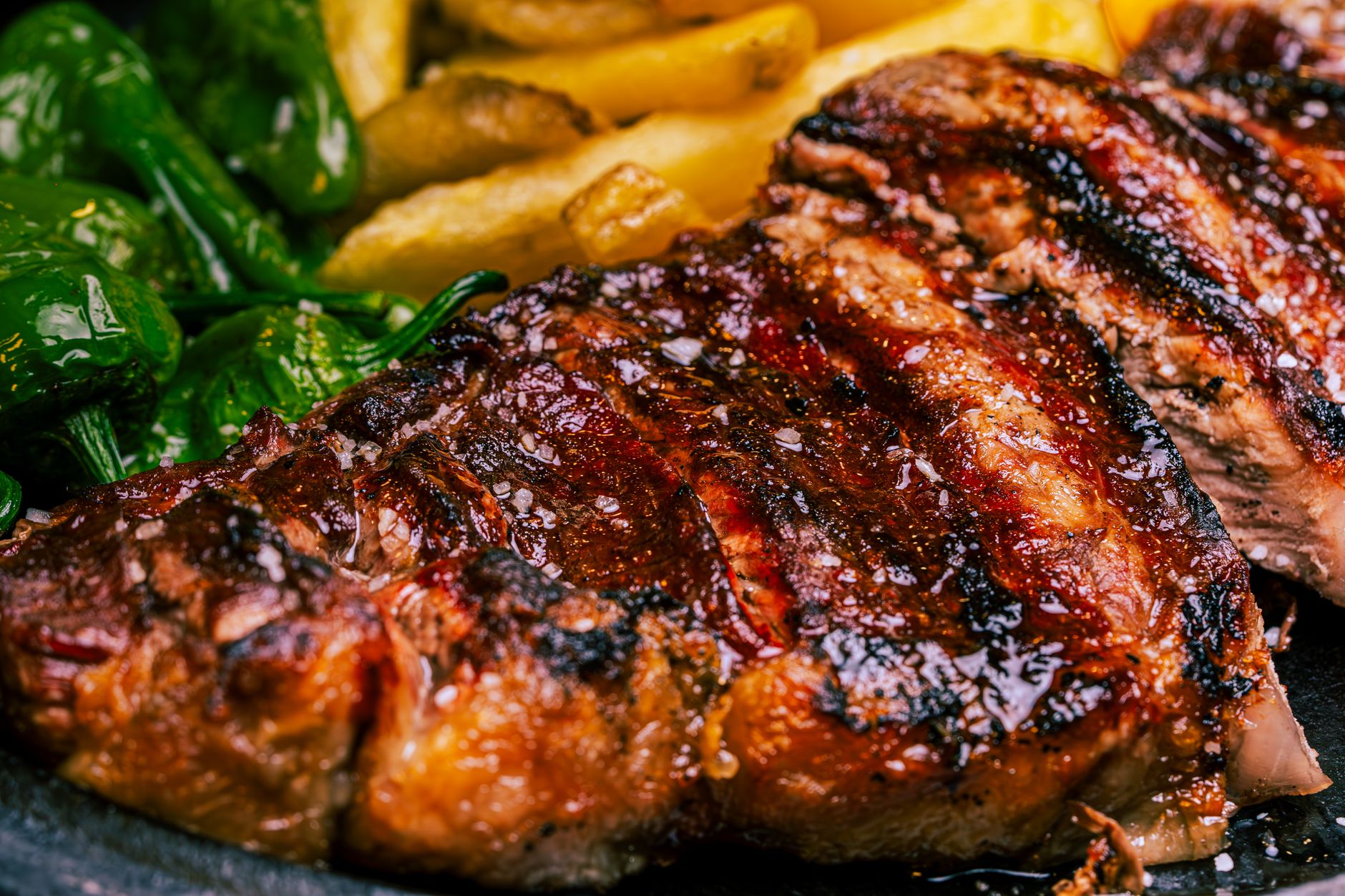
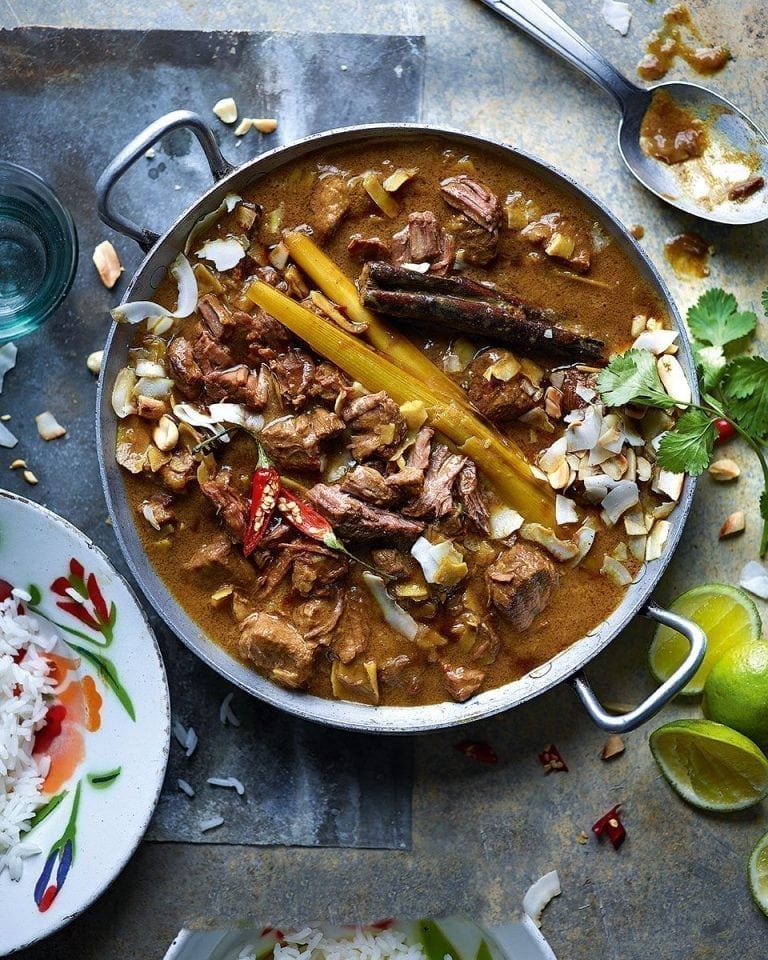
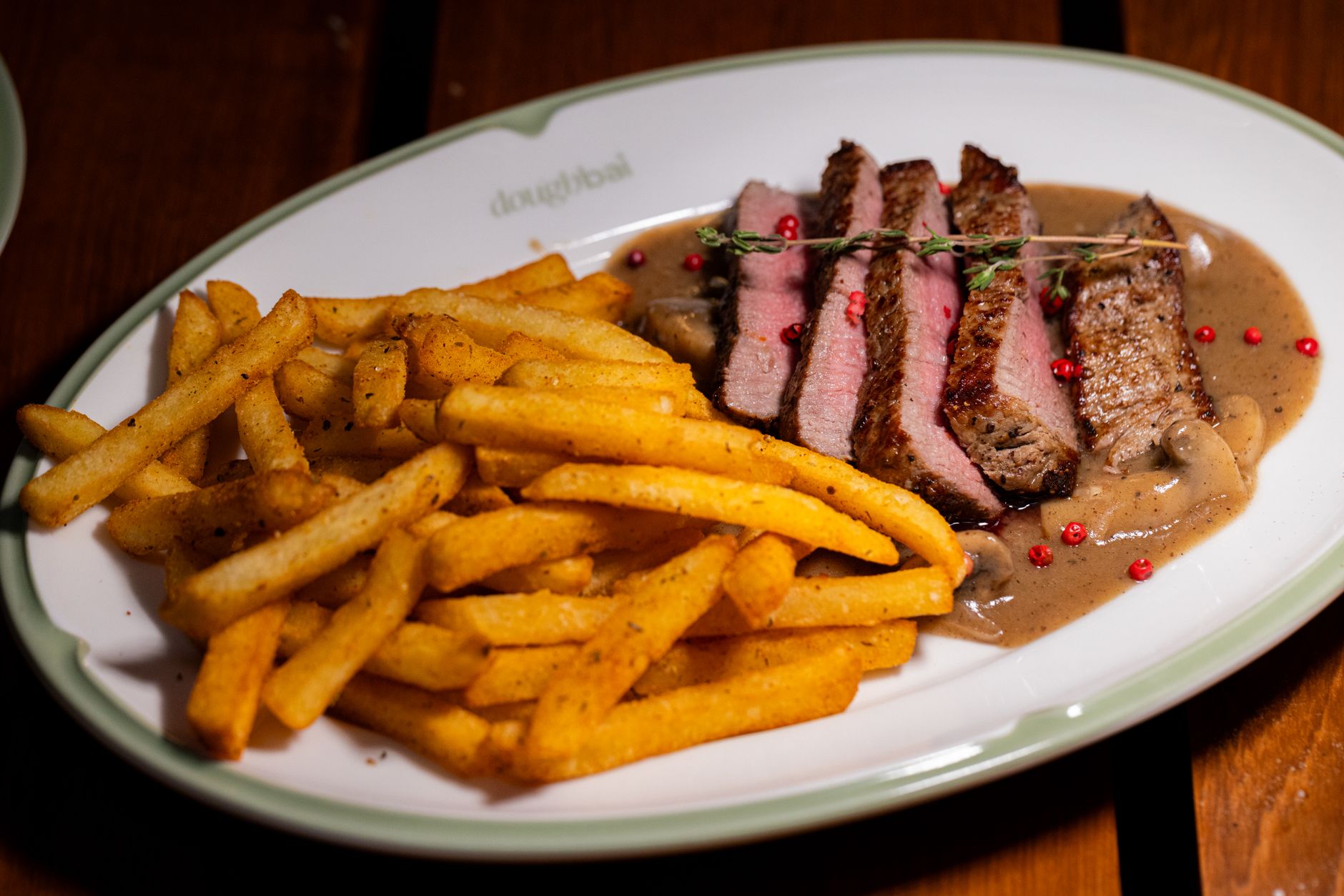
If you enjoy the bold flavors of Mongolian beef, try the Tamarind marinated bavette steak for a tangy, tender beef twist. For a rich and creamy alternative, the Coconut beef curry brings coconut milk and fragrant spices into the spotlight. Both recipes offer vibrant tastes and accessible techniques perfect for any home cook.

Conclusion
Mongolian beef is a delicious, approachable dish that brings café-quality flavors to your table. This recipe provides the perfect balance of tender beef, crisp vegetables, and a savory, slightly sweet sauce that will make your taste buds sing. Try it for your next meal and enjoy the delightful aroma and textures that only a wok can deliver. Don’t forget to share your experience with us in the comments or rate the recipe if it becomes one of your favorites!
FAQs
When is the best time to eat Mongolian Beef?
Mongolian Beef is a versatile dish ideal for dinner, whether on a busy weekday or a relaxing weekend. Its hearty and flavorful profile also makes it a great choice for gatherings and special meals.
Can Mongolian Beef be made gluten-free?
Yes, you can make Mongolian Beef gluten-free by using tamari instead of soy sauce and checking that the oyster sauce used is gluten-free. This adjustment keeps the flavors authentic without gluten.
What cut of beef is best for Mongolian Beef?
Flank steak is the preferred cut due to its tenderness and ability to absorb marinades well. It slices thinly and cooks quickly, making it ideal for wok-cooked dishes like Mongolian Beef.
Is Mongolian Beef a healthy meal option?
When prepared with lean beef and plenty of fresh vegetables, Mongolian Beef is high in protein and rich in iron while offering antioxidants from ginger and garlic. It can fit well into balanced low-carb diets.
Can I add vegetables to Mongolian Beef?
Absolutely. Adding bell peppers, onions, and scallions enhances both flavor and texture, providing a colorful, nutrient-rich dish that complements the savory beef and sauce perfectly.