Why Mixed Greens with Walnut Vinaigrette?
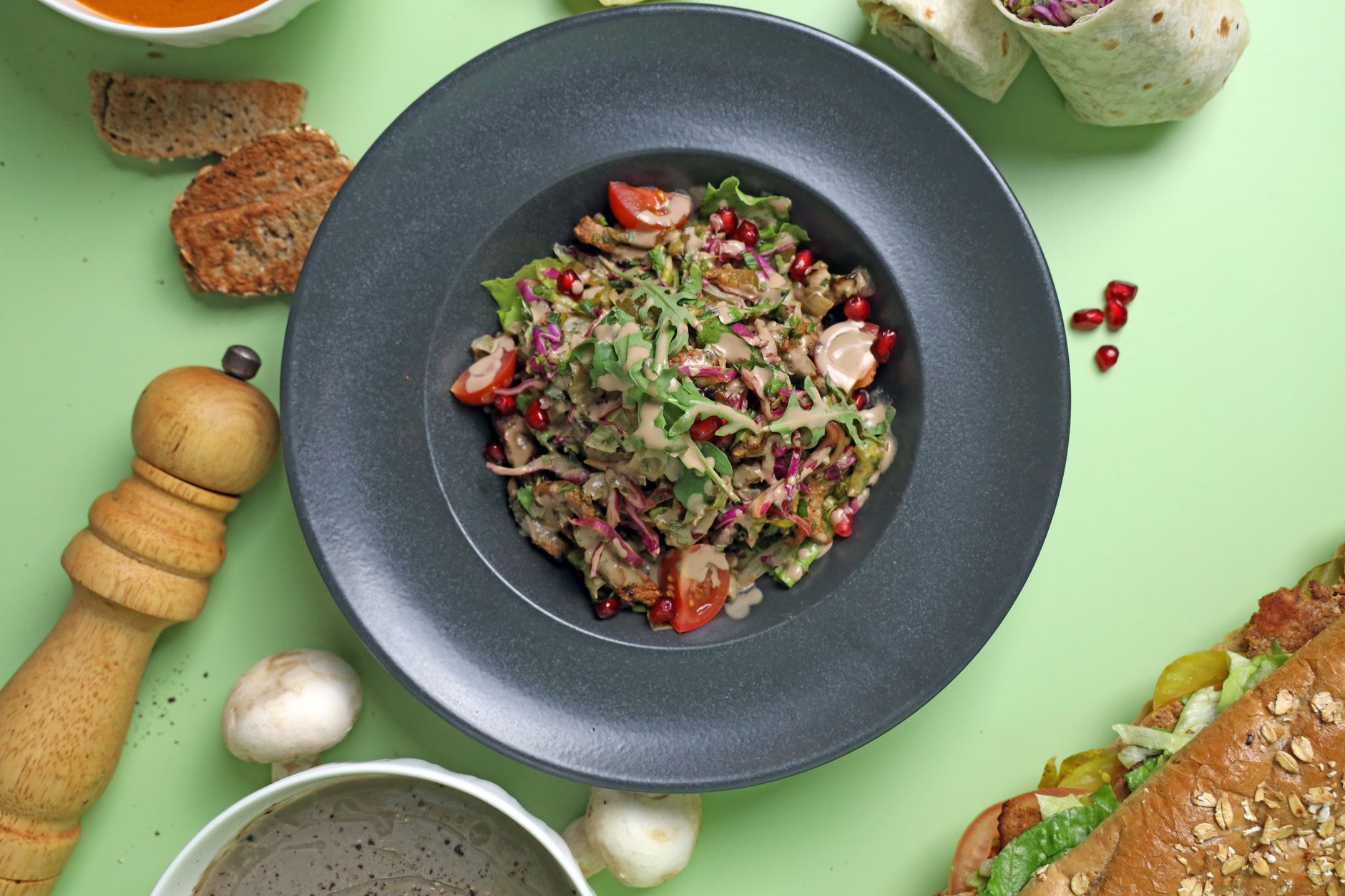
The first bite brings together crisp leaves, toasted walnuts, fresh dill, and a tangy dressing with a warm, nutty aroma.
Mixed Greens with Walnut Vinaigrette is a quick salad made with assorted leafy greens, toasted walnuts, dill, and a simple walnut-oil dressing. The salad takes about 15 minutes to assemble and needs no cooking. It works beautifully beside roasted vegetables, grilled chicken, fish, or a bowl of soup.
I like this salad because every leaf brings something different. Butter lettuce adds softness, arugula brings peppery heat, and radicchio contributes a gentle bitterness. The walnuts provide crunch, while the red wine vinegar keeps the rich oil from tasting heavy.
The dressing is best made in a small bowl rather than shaken in a jar. You can see the oil disappear into the vinegar as you whisk, which makes it easier to stop before the mixture becomes too oily.

Health Benefits & Nutrition
This salad provides a simple way to add several types of vegetables and leafy greens to a meal. The exact nutrition depends on the greens, walnut oil, and amount of dressing used.
- Leafy greens provide fiber: Lettuce, arugula, romaine, endive, and radicchio contribute dietary fiber, which adds bulk and texture to meals.
- Walnuts add plant-based fats: Walnuts and walnut oil contain unsaturated fats. They also make the salad more satisfying than plain dressed greens.
- Colorful leaves offer variety: Dark green, purple, and pale leaves bring different plant compounds and flavors without needing a complicated sauce.
- Dill adds flavor without much sodium: Fresh herbs help the salad taste lively, so you may need less salt overall.
For a lighter serving, use less dressing or reserve some for another salad. Walnuts are tree nuts, and Dijon mustard may contain mustard or other ingredients that matter for people with allergies. Anyone managing a medical condition or following a specific diet should check the ingredient labels and ask a qualified healthcare professional for personal guidance.
Ingredients & Preparation
Recipe Card
| Prep time | 15 minutes |
|---|---|
| Cook time | 0 minutes |
| Total time | 15 minutes |
| Servings | 6 servings |
| Calories | Approximately 120 calories per serving |
| Diet tags | Vegetarian, gluten-free, dairy-free |
Full ingredient list
- 1 teaspoon red wine vinegar
- 1/2 teaspoon Dijon mustard
- 1/4 cup walnut oil
- 1/8 teaspoon fine salt, plus more to taste
- 1/8 teaspoon freshly ground black pepper, plus more to taste
- 1 teaspoon fresh lemon juice, plus more if needed
- 1 teaspoon olive oil, for finishing
- 6 large handfuls mixed greens, about 6 ounces total
- 2 handfuls toasted walnuts, about 1/2 cup, finely chopped
- 1 generous handful fresh dill, barely chopped
Equipment needed
- Salad spinner or clean kitchen towels
- Small bowl
- Small whisk or fork
- Large, shallow salad bowl
- Chef’s knife and cutting board
Tips for choosing quality ingredients
Choose greens that look perky and crisp, without slimy edges or brown spots. A combination of soft and sturdy leaves gives the salad better texture. Butter lettuce, frisée, arugula, radicchio, endive, romaine, and mâche all work well together.
Walnut oil should smell pleasantly nutty, never stale or paint-like. If possible, buy a small bottle and keep it refrigerated after opening. Use walnuts that taste fresh and sweet. A bitter or waxy flavor usually means they are past their best.
Fresh dill should have feathery green fronds and a clean herbal scent. Avoid chopping it too finely. Small, loose pieces distribute the flavor without turning the leaves wet or clumpy.

Step-by-Step Instructions
1. Wash and dry the greens for 5 minutes
Rinse the mixed greens under cold water, then spin them for 30 to 60 seconds. Spread them on a clean towel and let them air-dry for about 5 minutes. The leaves should feel cool and dry, with no visible droplets clinging to the ribs. Wet greens dilute the vinaigrette and make it slide to the bottom of the bowl.
2. Combine the vinegar and mustard for 30 seconds
Place the red wine vinegar and Dijon mustard in a small bowl. Whisk for 30 seconds, until the mustard loosens and the mixture looks smooth. Add the salt, pepper, and lemon juice. The first time I made this, I added the lemon juice at the end without tasting first, and the dressing became sharper than the greens could handle. Start with the measured amount, then adjust later.
3. Whisk in the walnut oil for 60 seconds
Pour the walnut oil into the vinegar mixture in a very thin stream while whisking continuously for 60 seconds. The dressing should look lightly thickened and glossy, not separated into a dark vinegar layer and a clear oil layer. If the mixture tastes rich, add the olive oil only at the end rather than adding more walnut oil.
4. Prepare the salad mixture for 2 minutes
Tear large leaves into bite-size pieces and place them in a wide salad bowl. Add the finely chopped toasted walnuts and barely chopped dill. Keep the bowl shallow so the dressing can reach the leaves evenly without crushing the greens.
5. Dress and toss for 20 seconds
Pour in about two-thirds of the vinaigrette and toss gently for 20 seconds using clean hands or salad servers. Add more dressing only if the leaves still look dry. The finished greens should glisten lightly, not drip. Taste one leaf with a walnut piece; the flavor should be tangy first, nutty second, with a fresh dill finish.
Variations & Substitutions
Use a different nut oil
Replace the 1/4 cup walnut oil with 1/4 cup hazelnut oil for a deeper toasted flavor. Hazelnut oil can taste stronger, so begin with 3 tablespoons and add the final tablespoon only if needed. Extra-virgin olive oil also works at the same 1/4-cup quantity, though the dressing will be less distinctly nutty.
Make it nut-free
For a nut-free version, use 1/4 cup extra-virgin olive oil instead of walnut oil and replace the walnuts with 1/2 cup toasted pumpkin seeds. The pumpkin seeds add crunch without introducing tree nuts. Check the mustard and packaged seeds if you are cooking for someone with allergies.
Add fruit for sweetness
Add 1/2 cup thinly sliced pear or apple just before serving. Reduce the lemon juice to 1/2 teaspoon if the fruit is tart. The crisp fruit works especially well with radicchio, endive, and arugula.
Make it more filling
Add 1 cup of cooked white beans, chickpeas, or lentils. If using beans, drain and rinse them well, then pat them dry. Increase the dressing by 2 tablespoons because the legumes absorb some of the vinaigrette.
Change the herb
Replace the dill with 2 tablespoons of chopped parsley and 1 tablespoon of chopped chives. Parsley gives a cleaner flavor, while chives add a mild onion note. Avoid using the same full handful of woody herbs, such as rosemary, because they can overpower the delicate leaves.
For more vegetable inspiration, browse these Top 10 indian vegetable dishes when you want a warmer, spiced side dish instead of a raw salad.
Storage & Shelf Life
Store undressed greens in the refrigerator for up to 3 days. Line a container with a dry paper towel, add the greens, and place another towel loosely on top. Keep the vinaigrette in a sealed jar or small container for up to 5 days.
Store chopped walnuts separately at room temperature for 2 days or in the refrigerator for up to 2 weeks. Their flavor stays fresher when protected from heat and light. Shake or whisk the dressing again before serving because the oil and vinegar will naturally separate.
This dressed salad is best eaten immediately and does not freeze well. Freezing damages the leaves and turns them limp after thawing. Discard the salad if the greens become slimy, smell sour, develop dark wet patches, or taste unpleasantly fermented.
Pro Tips
Drying matters more than extra dressing. A salad spinner removes water from the leaf surfaces without bruising them. If you use towels, pat rather than rub. The goal is a dry surface that lets the vinaigrette cling.
Use a wide bowl. A narrow, deep bowl forces the greens to compress. A wide bowl gives your hands or tongs room to lift and fold the leaves. This prevents the delicate butter lettuce from becoming crushed.
Chop the walnuts small, but not into crumbs. Pieces around 1/4 inch distribute crunch throughout the salad. Very fine crumbs disappear into the dressing, while large pieces fall to the bottom of the bowl.
Balance bitterness with acid. If your mix contains a lot of radicchio, endive, or frisée, taste the dressing before tossing. Add lemon juice 1/2 teaspoon at a time. Acid brightens bitter leaves, but too much makes the salad harsh.
Dress in stages. Start with two-thirds of the vinaigrette. It is easy to add more, but impossible to remove an oily dressing once the leaves are coated. I found that tossing with my hands gives the most even coverage and lets me feel when the leaves are lightly dressed.
Keep the herbs dry until serving. Wet dill can make the salad look tired quickly. Pat it dry after washing, then chop it just before combining the ingredients.
Questions & Answers
When is the best time to eat Mixed Greens With Walnut Vinaigrette?
The best time to eat this salad is immediately after tossing it with the vinaigrette. The leaves are crispest during the first 10 to 15 minutes. If preparing ahead, refrigerate the dry greens, walnuts, dill, and dressing separately, then combine them just before serving.
Can I make the walnut vinaigrette ahead of time?
Yes, you can make the vinaigrette up to 5 days ahead. Store it in a tightly sealed container in the refrigerator. Walnut oil may become cloudy when chilled, so let the dressing stand at room temperature for about 15 minutes, then whisk it until smooth before using.
What greens work best in this salad?
A mixture of soft, crisp, peppery, and bitter greens works best. Try butter lettuce, romaine, arugula, frisée, radicchio, endive, or mâche. Aim for roughly equal amounts of tender and sturdy leaves so the salad has both delicate texture and structure.
How do I stop the salad from becoming soggy?
Dry the greens thoroughly and dress them immediately before serving. Water left on the leaves thins the vinaigrette and makes the salad wilt quickly. Add only enough dressing to create a light sheen. Keeping walnuts separate until the final toss also protects their crunch.
Can I use regular olive oil instead of walnut oil?
Yes, replace the walnut oil with the same amount of extra-virgin olive oil. The dressing will taste fruitier and less toasted, but the vinegar, mustard, dill, and walnuts will still provide plenty of flavor. A small amount of toasted sesame oil can be added, but use no more than 1/2 teaspoon because it is strong.
Can I serve this salad as a main dish?
Yes, add a protein-rich ingredient to make it more substantial. White beans, chickpeas, lentils, hard-boiled eggs, grilled chicken, or baked tofu all work well. Add about 1 cup of beans or tofu, or 2 sliced eggs, and increase the dressing slightly if the salad feels dry.
Why does my vinaigrette separate?
A vinaigrette may separate when the oil is added too quickly or the ingredients are not whisked together long enough. Add the walnut oil in a thin stream over about 60 seconds while whisking constantly. If it still separates, whisk in 1 teaspoon of water or an additional 1/4 teaspoon of Dijon mustard.
More Recipes You Will Love
If you enjoy crisp vegetables with bold seasoning, try this salad alongside a warm dish from our Indian vegetables recipe collection. The fresh greens provide a cool contrast to roasted spices and hearty sauces.
For a simple vegetable-focused meal, pair this salad with roasted carrots, baked potatoes, grilled mushrooms, or a bowl of lentil soup. The walnut dressing also works with steamed green beans and roasted beets.

Conclusion
Mixed Greens with Walnut Vinaigrette is a fast, flexible salad with crisp leaves, fragrant dill, and satisfying walnut crunch. The key is drying the greens well, whisking the oil in slowly, and adding the dressing just before serving. Use the recipe as written or change the leaves, fruit, herbs, or nuts to suit your meal. If you make it, leave a rating or comment and share which greens you used.
FAQs
When is the best time to eat Mixed Greens With Walnut Vinaigrette?
The best time to eat Mixed Greens With Walnut Vinaigrette is right after dressing, as a side dish at lunch or dinner. Greens wilt quickly once coated, so serve the salad soon after tossing. It pairs well with roasted vegetables, grilled chicken, fish, or soup, and it also works as a light starter before a main course.
Can I make Mixed Greens With Walnut Vinaigrette ahead of time?
Yes, you can prepare the parts ahead, but dress the greens just before serving. Wash and dry the greens, chop the walnuts, and keep them separate. You can whisk the vinaigrette up to a day ahead and refrigerate it in a sealed jar, then whisk it again before using. Walnut oil can turn rancid, so store it cold and smell it before using.
What can I use instead of walnut oil in the vinaigrette?
Olive oil is the easiest substitute for walnut oil, though the salad will taste milder and less nutty. Use the same amount, about 1/4 cup. Toasting the walnuts before chopping helps bring back some of the nutty flavor that walnut oil would otherwise provide.
Why does my walnut vinaigrette separate or taste too oily?
To keep the vinaigrette from separating or tasting oily, whisk the red wine vinegar, Dijon mustard, salt, and pepper first. Then drizzle in the walnut oil slowly while whisking. If the dressing tastes heavy, add a little lemon juice to brighten it. Stop adding oil once the mixture looks smooth and balanced.
Is Mixed Greens With Walnut Vinaigrette safe for people with nut allergies?
No, this salad is not safe for people with tree nut allergies because it contains walnuts and walnut oil. Check labels on Dijon mustard and other packaged ingredients as well. Anyone with a food allergy or medical condition should speak with a qualified healthcare professional before eating it.