Why Lobster Mac and Cheese Bites?
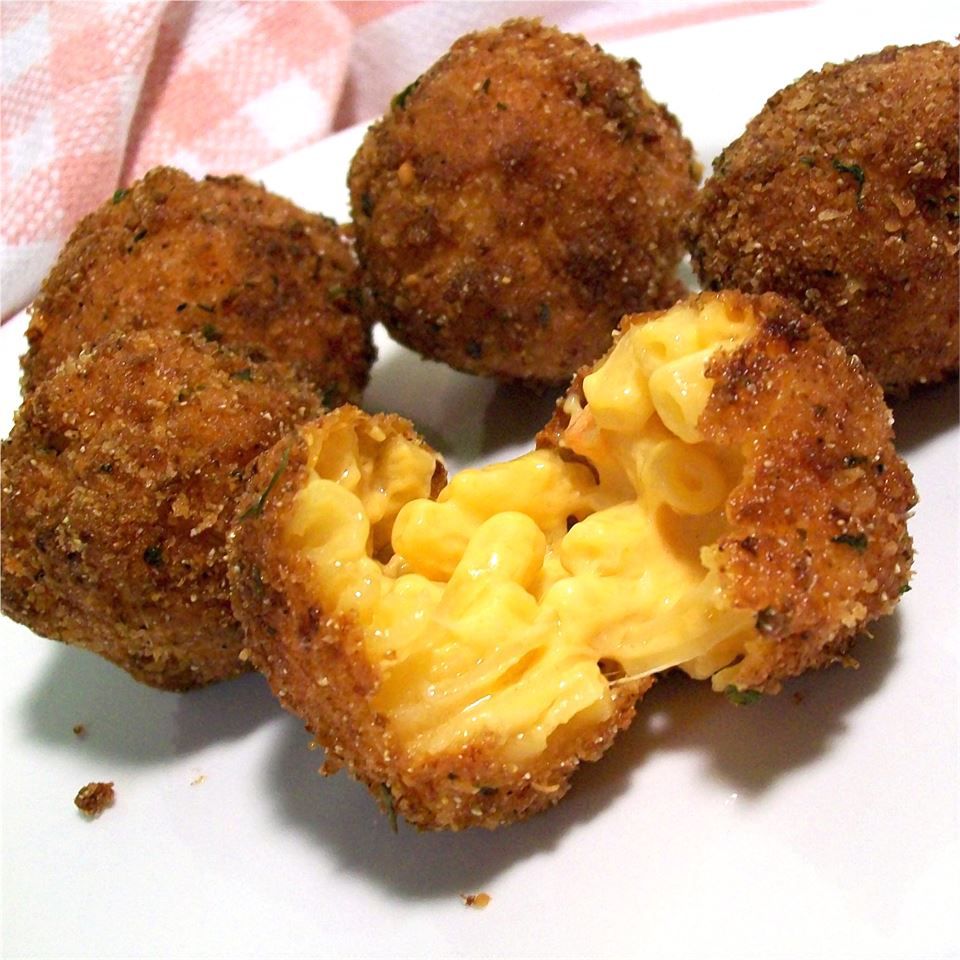
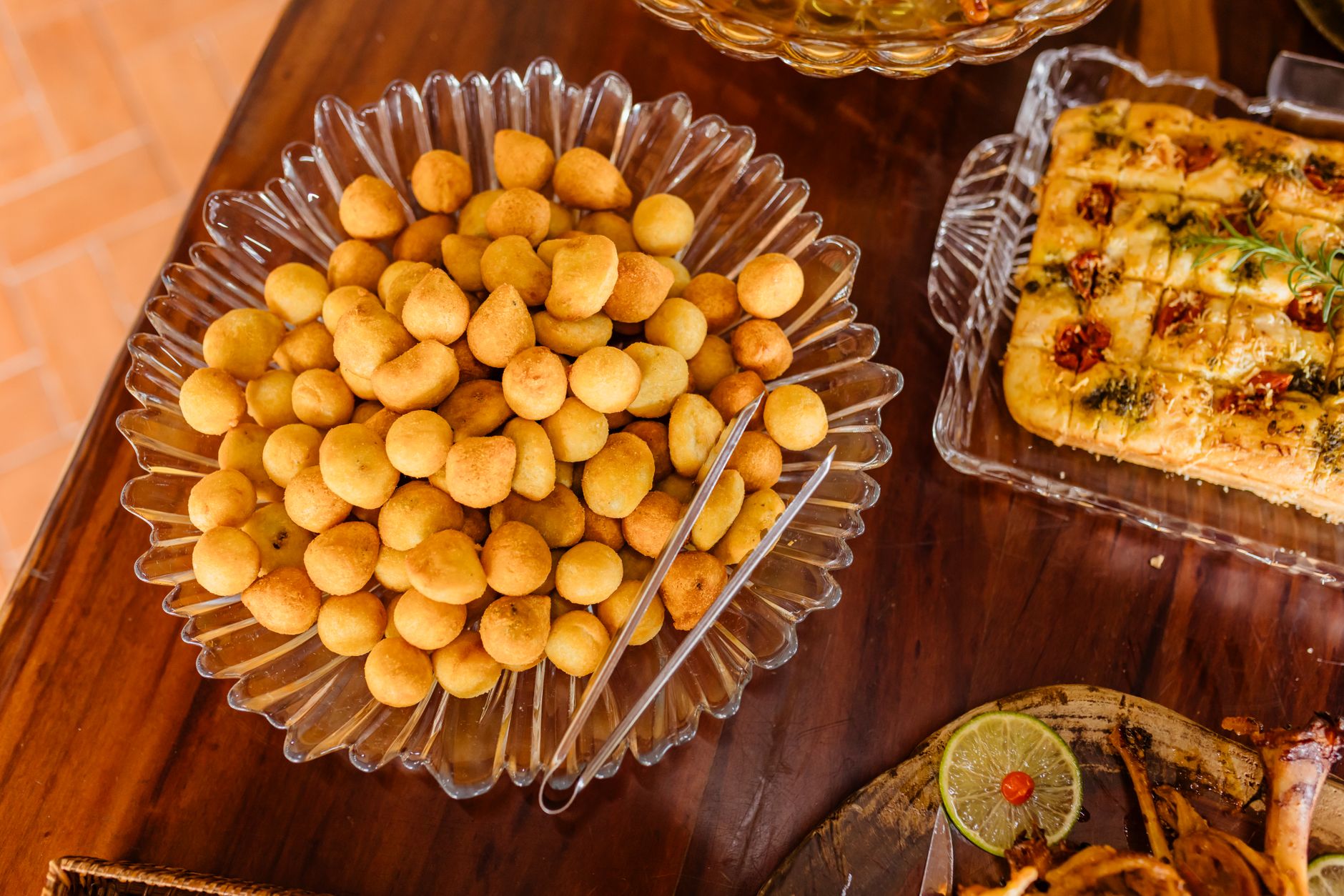
Picture golden, crispy bites that hide creamy, cheesy macaroni mingled with tender chunks of lobster. Lobster Mac and Cheese Bites bring together the rich, buttery flavors of a classic lobster roll with the comfort of mac and cheese. Each bite offers a contrast of textures: a crunchy crust giving way to luscious, cheesy lobster filling. This appetizer dazzles your taste buds with hints of fresh lemon zest and hints of earthy herbs, perfect for impressing guests or treating yourself. If you love the decadence of seafood combined with indulgent cheese, these bites are a must-try dish.
Health Benefits & Nutrition
Lobster is not only delicious but also a powerhouse of nutrition. It delivers high-quality protein that supports muscle repair and immune function. Rich in omega-3 fatty acids, lobster promotes heart health by reducing inflammation and improving cholesterol levels, as supported by research from the American Heart Association. It’s also an excellent source of vitamins B12 and E, which help maintain brain function and protect cells from damage. The cheese provides calcium and vitamin D, essential for bone strength. A quick note: individuals with shellfish allergies or high cholesterol should enjoy this dish in moderation due to its richness.
Ingredients & Preparation
Recipe Card
| Prep Time | 1 hour |
|---|---|
| Total Time | 2 hours 30 minutes (includes chilling) |
| Servings | 48 bites |
| Calories | 184 per bite |
| Diet Tags | Gluten (can be modified), Dairy, Seafood |
Full Ingredient List
- 8 ounces elbow macaroni
- 11 tablespoons unsalted butter, divided
- 1 1/4 cups all-purpose flour, divided
- 2 cups whole milk
- 1/4 cup grated Parmesan cheese
- 2 tablespoons mascarpone cheese
- 1 1/2 pounds cooked lobster meat, roughly chopped
- 1 tablespoon fresh tarragon, chopped
- 6 ounces Muenster cheese, shredded
- 4 ounces Gruyere cheese, shredded
- 4 large eggs
- 10 ounces fresh brioche breadcrumbs (approx. 3 3/4 cups)
- Vegetable oil for frying
- 1/2 cup fresh parsley leaves
- 1/2 cup chopped chives
- Zest of 1 lemon, plus wedges for serving
- Kosher salt and black pepper, to taste
Equipment Needed
- Large pot for boiling pasta
- Medium saucepan for sauce
- Mixing bowls
- Baking sheet (quarter size recommended)
- Paring knife or sharp chef’s knife
- Three shallow dishes for breading station
- Deep-frying thermometer
- Heavy-bottomed pot or deep fryer
Tips for Choosing Quality Ingredients
- Use fresh lobster meat whenever possible, ideally wild-caught, for best texture and flavor.
- Select high-quality cheeses like Gruyere and Muenster for rich, melty creaminess.
- Fresh brioche breadcrumbs deliver a buttery crunch; stale bread works only if ground fine and freshened up.
- Choose whole milk for the creamiest cheese sauce; reduced fat versions may affect richness.
- Fresh herbs like tarragon and chives elevate the taste and add bright herbal notes.
Step-by-Step Instructions
Step 1: Cook the Pasta (10 minutes)
Bring a large pot of salted water to a rolling boil. Add the elbow macaroni and cook until just al dente, about 7 to 8 minutes. Drain the pasta thoroughly and set aside to cool.
Step 2: Make the Cheese Sauce (15 minutes)
Melt 3 tablespoons of butter in a medium saucepan over medium heat. Whisk in 1/4 cup of flour and cook, whisking constantly until the mixture is bubbling and golden, about 1 minute. Slowly pour in the milk along with 2 teaspoons kosher salt. Bring it to a boil, then reduce heat to medium and stir occasionally until thickened, approximately 6 minutes. Remove from heat and whisk in Parmesan and mascarpone cheese until smooth and silky.
Step 3: Combine the Filling (10 minutes)
In a large bowl, mix the cooked macaroni with the cheese sauce. Fold in the chopped lobster meat and tarragon, ensuring even distribution. Add shredded Muenster and Gruyere cheeses, folding gently to combine the mixture thoroughly without breaking the lobster pieces.
Step 4: Freeze, Cut & Bread (70 minutes total)
Spread the mixture evenly on a quarter baking sheet lined with parchment. Freeze for 1 hour until firm but not frozen solid. Prepare a breading station with three dishes: flour mixed with 1 teaspoon salt; beaten eggs with 1 teaspoon salt; and breadcrumbs with 1 teaspoon salt.
Cut the chilled mac and cheese into 1-inch squares. Dredge each piece first in the flour, shake off excess, dip into the egg, then coat with breadcrumbs. Place coated bites on a baking sheet and freeze for 10 minutes.
Step 5: Deep Fry the Bites (5 minutes per batch)
Heat vegetable oil in a heavy pot to 350°F using a deep-frying thermometer. Fry the bites in batches, cooking until golden brown and crispy, about 3 to 5 minutes per batch. Remove with a slotted spoon and drain on paper towels. Garnish with fresh parsley, chopped chives, and lemon zest before serving.

Variations & Substitutions
- Cheese Alternatives: Substitute Gruyere with sharp cheddar for a tangier flavor, or swap Muenster with fontina for extra creaminess.
- Gluten-Free Version: Use gluten-free elbow pasta and breadcrumbs, and replace all-purpose flour with a gluten-free blend for the roux.
- Spicy Kick: Add finely diced jalapeños or a pinch of cayenne pepper to the cheese sauce for a subtle heat that complements the sweetness of lobster.
- Herb Swaps: Replace tarragon with fresh dill or basil to change the herbal profile and add a different aromatic twist.
Storage & Shelf Life
Store leftover lobster mac and cheese bites in an airtight container in the refrigerator for up to 3 days. To reheat, bake at 350°F for about 10 minutes or until warmed through and crispy again. You can freeze the bites after the breading step by placing them on a baking sheet, freezing until solid, then transferring to a freezer-safe container. They keep well for up to 3 months frozen.
Discard any bites that develop off smells, discoloration, or slimy texture to avoid foodborne illness.
Pro Tips
- Chill the mac and cheese mixture thoroughly before cutting and breading. This makes cleaner cuts and prevents the bites from falling apart during frying.
- Use a deep-frying thermometer to maintain oil temperature at 350°F. Too hot oil burns the breadcrumbs; too cool oil causes greasy bites.
- Press breadcrumbs firmly onto each bite for an even, golden crust that holds together well.
- For an aromatic lift, zest lemon over the bites right after frying, as the heat releases essential oils creating a vibrant aroma.
- Keep your drained fried bites on a wire rack rather than paper towels to prevent sogginess from stuck oil.
When is the best time to eat Lobster Mac and Cheese Bites?
These bites shine as an appetizer at dinner parties or holiday gatherings. They’re great warm and fresh right after frying when the contrast between crispy exterior and creamy interior is most enjoyable. They also work well for special occasions where you want to impress without a lot of fuss.
Can I use frozen lobster meat in this recipe?
Yes, frozen cooked lobster meat can be used if fresh isn’t available. Thaw it completely and pat dry before folding into the mac and cheese mixture to avoid excess moisture that could affect texture.
What’s the best oil for frying these bites?
Use a neutral oil with a high smoke point like vegetable, canola, or peanut oil. These oils allow temperatures to stay stable at 350°F without imparting unwanted flavors.
Can I bake these instead of frying?
Baking is possible but will yield a softer crust rather than the signature crispiness from deep frying. For best texture, bake at 400°F for 20 minutes and flip halfway to crisp both sides.
How do I make sure the lobster flavor stands out?
Use generous chunks of fresh lobster and fold in gently. Adding fresh herbs like tarragon and lemon zest enhances the seafood notes without overpowering the cheese.
Is it necessary to freeze the mac and cheese before cutting?
Freezing firms up the mixture, making it easier to cut cleanly into squares that hold together during breading and frying.
Can this recipe be made ahead?
Absolutely. You can prepare and freeze the breaded bites in advance. Deep fry directly from the freezer for convenience and still enjoy a crispy finish.
More Recipes You Will Love
If you enjoy this dish, you’ll love the Herb cheese spread recipe that pairs perfectly with crusty bread for a sophisticated appetizer. For a light and fresh side, try the Asparagus bundles recipe, which offers a delightful balance to rich dishes like lobster mac and cheese bites. Both options elevate your menu with bright herbs and luxurious creaminess.

Conclusion
Lobster Mac and Cheese Bites are the perfect blend of crunchy, creamy, and luxurious flavors that will impress any crowd. This appetizer brings lobster’s delicate sweetness together with the comforting richness of cheese and pasta. With a crisp golden coating and fresh herbal brightness, it’s a dish worth adding to your entertaining repertoire. Feel free to share your experience, adjustments, or favorite pairings in the comments below – your feedback helps build a flavorful community!
FAQs
When is the best time to eat Lobster Mac And Cheese Bites?
Lobster Mac And Cheese Bites are perfect as an appetizer for parties, special occasions, or as a decadent snack anytime you crave a rich, cheesy seafood treat. They’re ideal for gatherings or indulgent home cooking.
Can Lobster Mac And Cheese Bites be made ahead of time?
Yes, you can prepare the bites in advance and store them in the refrigerator before frying. Chilling helps them hold their shape and improves texture. Fry right before serving for the best crispiness.
What dipping sauces pair well with Lobster Mac And Cheese Bites?
Light and tangy sauces like lemon aioli, garlic mayonnaise, or a spicy remoulade complement the richness of the bites perfectly. A simple squeeze of fresh lemon is also a great way to brighten the flavors.
Are Lobster Mac And Cheese Bites suitable for children?
Yes, many kids enjoy these bites due to their creamy cheese and mild lobster flavor. Just ensure lobster allergies are not a concern and consider a milder cheese blend if preferred for younger palates.
How can I adapt Lobster Mac And Cheese Bites for gluten-free diets?
To make gluten-free bites, substitute the breadcrumb coating with gluten-free breadcrumbs or crushed gluten-free crackers. Also, use gluten-free flour or cornstarch in the cheese sauce to maintain texture.