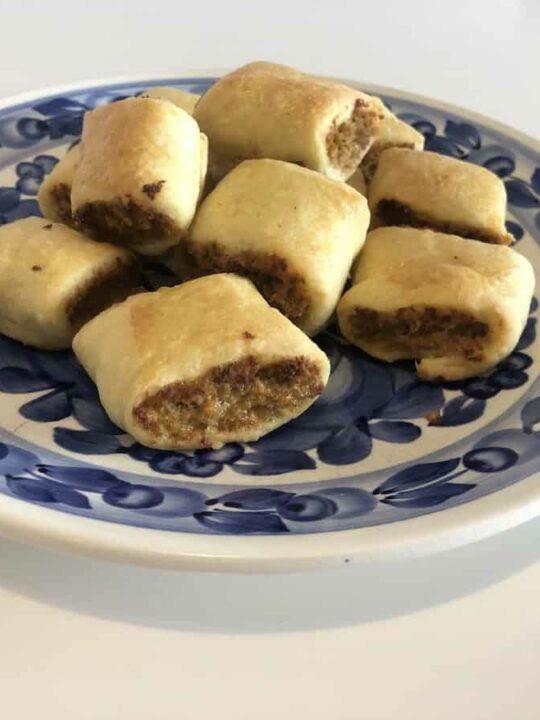
Hey there! If youve ever wondered how to make those golden, flaky Polish pastries that look like little pockets of comfort, youre in the right place. Below youll find a complete paszteciki recipe thats easy enough for a weeknight dinner yet authentic enough to wow any guest. Well walk through the dough, three tasty fillings, pronunciation tips, and even how to store leftovers. Grab a cup of tea, and lets get cooking together.
Why Paszteciki Matter
Paszteciki (pronounced pashteti-ki) are a staple of Polish home cooking, sitting happily alongside pierogi on the dinner table. Theyre beloved because theyre portable, hearty, and can be filled with anything from savory meat to delicate mushrooms. While theyre incredibly rewarding, they do come with a few things to watch out for a dough that refuses to rise or a filling that gets soggy can ruin the experience. Understanding both the perks and the pitfalls helps you enjoy the process without frustration.
Pronunciation Guide
Getting the name right shows a little respect for the culture and helps you feel more confident when you share the dish with friends. Say it slowly: pashtetseeki. You can hear it in this short . Try it out loud a couple of times youll sound like a native in no time.
Ingredient Overview List
Below is a quick look at everything youll need. The quantities are scalable, so feel free to double the recipe for a bigger crowd.
| Component | Metric | US | Notes |
|---|---|---|---|
| Allpurpose flour | 400g | 3cups | For dough |
| Warm water | 300ml | 1cups | 3035C |
| Instant yeast | 7g (1tsp) | 1tsp | Active dry works too |
| Salt | 1tsp | 1tsp | Enhances flavor |
| Egg (for wash) | 1 | 1 | Optional, for shine |
| Ground pork or beef | 300g | lb | For pasztecikizmisem |
| Sauerkraut (drained) | 200g | 7oz | Classic filling |
| Fresh mushrooms | 250g | 9oz | For pasztecikizpieczarkami |
| Butter | 30g | 2Tbsp | Cooking mushrooms |
| Onion, finely chopped | 1large | 1large | Base flavor |
For a lighter version you can swap the regular flour for a glutenfree blend; just add a little extra water to keep the dough soft.
Preparation Steps Guide
Dough Basics
1. In a small bowl, dissolve the yeast in the warm water and let it sit for 5minutes youll see a light foam form, a sign the yeast is happy.
2. In a larger mixing bowl, combine the flour and salt. Make a well in the center, pour in the yeast mixture, and stir until a shaggy dough forms.
3. Turn the dough onto a lightly floured surface and knead for about 8minutes until its smooth and elastic. If it feels too sticky, sprinkle a pinch of flour; if its too dry, add a splash of water.
4. Place the dough in a lightly oiled bowl, cover with a clean kitchen towel, and let it rise in a warm spot for 30minutes, or until doubled in size.
Expert tip: A pastry chef from recommends keeping the rising temperature between 3035C to avoid overproofing, which can lead to a gummy texture.
Filling Options
Well cover three crowdpleasing fillings. Feel free to mix and match or create your own!
- Classic cabbagemushroom: Saut chopped onion in butter until translucent, add shredded sauerkraut and sliced mushrooms, season with salt, pepper, a pinch of sugar, and cook 10minutes. Let it cool before stuffing.
- Pasztecikizmisem: Brown the ground pork or beef with onion, garlic, paprika, and a dash of marjoram. Cook until the meat is fully done, then let the mixture cool.
- Pasztecikizpieczarkami (vegetarian): Cook mushrooms with thyme and a splash of cream for richness. This version is super creamy and works great for a lighter dinner.
Assembling & Cooking
1. Punch down the risen dough and divide it into 12 equal pieces. Roll each piece into a ball, then flatten to a 7cm (2in) circle.
2. Place about 1Tbsp of your chosen filling in the center of each circle. Fold the dough over to form a halfmoon, then press the edges with a fork to seal.
3. Place the sealed pastries on a parchmentlined baking sheet. If you like a golden finish, brush them lightly with beaten egg.
4. You have two cooking options:
| Method | Temperature | Time | Pros |
|---|---|---|---|
| Bake | 200C (390F) | 2025min | Flaky, less oil |
| Fry | 170C (340F) oil | 34min each side | Extra crisp, richer flavor |
For a quick weekday dinner, I usually bake them. If youre craving that restaurantstyle crunch, frying is the way to go just be sure to drain the pastries on paper towels afterwards.
Recipe Variations Explained
Pasztecikizmisem
This meat version is hearty and perfect for colder evenings. Use a mix of pork and beef for depth, and add a tablespoon of tomato paste for a subtle tang. Sprinkle fresh parsley after cooking for a splash of color.
Pasztecikizpieczarkami
If youre leaning vegetarian, the mushroomonly filling shines. A dash of smoked paprika gives it a smoky undertone without meat. Finish with a drizzle of sour cream when serving.
Pasztecikizciastafrancuskiego
Short on time? Swap the homemade dough for storebought puff pastry (ciasto francuskie). Cut the pastry into circles, follow the same stuffing steps, and bake at 220C for 15minutes. The result is incredibly light and buttery.
Common Questions Answered
How long do paszteciki stay fresh?
Stored in an airtight container, they keep well in the fridge for up to three days. To reheat, pop them in a 180C oven for 10minutes theyll regain their crispness. You can also freeze them (unbaked) for up to two months; just bake from frozen, adding a few extra minutes.
Can I make paszteciki glutenfree?
Yes! Use a 100% glutenfree flour blend (preferably one with xanthan gum). The dough may need a touch more water, so add it gradually until the consistency feels right.
Whats the difference between paszteciki and pierogi?
Both are dumplinglike, but paszteciki use a yeasted or puffpastry dough thats baked or fried, giving them a flaky crust. Pierogi have a simple boiled dough, similar to a thick pasta, and are usually served with toppings like butter or fried onions.
How do I pronounce paszteciki correctly?
Remember the breakdown: pashteti-ki. Think of the shte as the sh in shy followed by te as in ted. Practice a few times out loud, and youll nail it.
Serving & Storage
When the pastries are hot out of the oven, a dollop of sour cream or a side of tangy pickles makes a perfect accompaniment. For a more complete meal, serve them with a simple beetcarrot salad dressed in a light vinaigrette. Pair the dish with a crisp Polish rye bread or a glass of light white wine the acidity balances the rich pastry nicely.
Leftovers? Store in a ziplock bag, let them cool to room temperature first, then refrigerate. Reheat in a hot oven rather than a microwave to keep the crust from getting soggy.
Expert Tips & Troubleshooting
| Issue | Cause | Quick Fix |
|---|---|---|
| Dough wont rise | Yeast dead or water too hot | Use fresh yeast; test water at 3035C |
| Filling soggy | Excess liquid in sauerkraut | Drain and squeeze sauerkraut thoroughly |
| Pastries crack while baking | Dough too dry | Add a splash of milk or water before shaping |
| Surface not golden | No egg wash | Brush with beaten egg or milk before baking |
My first batch cracked on the top, and I was devastated. The next try, I added a tablespoon of milk to the dough before shaping, and the crust turned out perfectly smooth. Small adjustments can make a huge difference.
Conclusion
Now you have a fullfeatured paszteciki recipe that covers everything from the perfect dough to three delicious fillings, plus handy tips for troubleshooting and storage. Whether youre planning an easy Polish dinner, looking for a comforting weekend project, or just want to impress friends with something new, these pastries deliver flavor, texture, and a touch of cultural charm.
Give the recipe a try, snap a photo, and share your experience with #MyPaszteciki. If you have questions or want to swap ideas for new fillings, feel free to reach out happy baking!
For a deeper look at the cultural background and pronunciation of paszteciki, see this page on paszteciki pronunciation and history.
FAQs
What is the traditional dough used for paszteciki?
The classic dough is a yeasted flour dough, similar to a simple bread dough, which gives a soft yet slightly flaky texture.
Can I bake paszteciki instead of frying them?
Yes, baking at 200 °C (390 °F) for about 20–25 minutes produces a flaky crust with less oil, perfect for a lighter version.
How do I prevent the filling from becoming soggy?
Be sure to drain and squeeze excess liquid from sauerkraut and sauté mushrooms thoroughly to reduce moisture before stuffing.
What are some good fillings besides meat and cabbage?
Try cheese and herbs, spinach with feta, or a sweet version with fruit preserves for a dessert twist.
How long can I freeze unbaked paszteciki?
Unbaked pastries freeze well for up to two months; bake them straight from the freezer, adding a few extra minutes to the cooking time.