Imagine youve just gotten home after a hectic day, and all you want is a warm bowl of comfort without spending an hour in the kitchen. The secret? A good soup base. In just a few minutes you can turn water, a handful of veggies, and a drizzle of oil into the foundation for noodles, chicken stew, or a hearty veggie soup. Below youll find everything you need to master how to make soup base from the beginner-friendly starter recipe to clever shortcuts for busy nights.
Why Soup Base Matters
A soup base isnt just liquid; its the flavor backbone of any soup, broth, or sauce. Think of it like a good soundtrack it sets the mood, supports the main actors (your noodles, meat, or vegetables), and can turn a bland dish into a memorable experience.
There are a few key reasons why a solid base matters:
- Depth of flavor: Properly cooked aromatics and fats unlock umami that instant powders cant match.
- Versatility: One batch can become ramen broth, chicken soup, or a vegetarian potage with just a few tweaks.
- Control: You decide the salt level, choose organic veggies, and avoid unwanted additives.
But theres also a flip side. Oversalting or cooking the base too long can produce a muddy taste, and mishandling storage can lead to spoilage. Balancing these benefits and risks is the first step toward confident cooking.
Basic Starter Recipe
If youre wondering how to make soup for beginners, this is the place to start. The recipe uses pantry staples and takes about 45 minutes from prep to finish.
Ingredients & Tools
- 2tablespoons olive oil
- 1large onion, diced
- 2celery stalks, sliced
- 2carrots, chopped
- 3garlic cloves, minced
- 1bay leaf
- teaspoon black peppercorns
- 6cups cold water (or lowsodium chicken/vegetable stock for extra richness)
- Salt to taste
- Large pot, wooden spoon, finemesh strainer
StepbyStep Method
- Saut aromatics. Heat the olive oil over medium heat. Add onion, celery, and carrot. Cook, stirring occasionally, until the veggies soften and the onion turns translucent (about 5minutes). This gentle sweating releases natural sugars that add a subtle sweetness.
- Deglaze (optional). Splash a splash of water or a splash of white wine, scraping the browned bits from the pot. Those caramelized bits are flavor gold.
- Add liquid. Pour in the 6cups of cold water (or stock). Toss in the bay leaf, peppercorns, and a pinch of salt.
- Simmer. Bring to a gentle boil, then lower the heat and let it simmer uncovered for 3045minutes. The longer you simmer, the more the veggies infuse the liquid.
- Strain & season. Remove the bay leaf, discard the solids with a strainer, and taste. Add more salt or a splash of acid (lemon juice or a dash of apple cider vinegar) if needed.
Pro Tips
- For a richer flavor, toast the vegetables lightly before adding water it adds a roasted depth similar to a commercial technique for stock building.
- Freeze the base in icecube trays. One cube equals about cup, perfect for quick meals.
- If you prefer a clearer broth, skim any foam that rises during the first 10minutes of simmering.
Tailor Base for Dishes
Once you have your basic broth, customizing it for specific meals is a breeze. Below are four quick adaptations that answer the most common how to make soup base for ___ searches.
How to Make Soup Base for Noodles
Noodle lovers often crave a light yet savory broth. Add 1tablespoon toasted sesame oil, 2tablespoons soy sauce, and a splash of mirin to the basic base. Heat, then pour over cooked noodles, a handful of sliced green onions, and a softboiled egg. The result is a comforting bowl that feels restaurantlevel but takes under 10minutes.
Chicken Soup Base Recipe
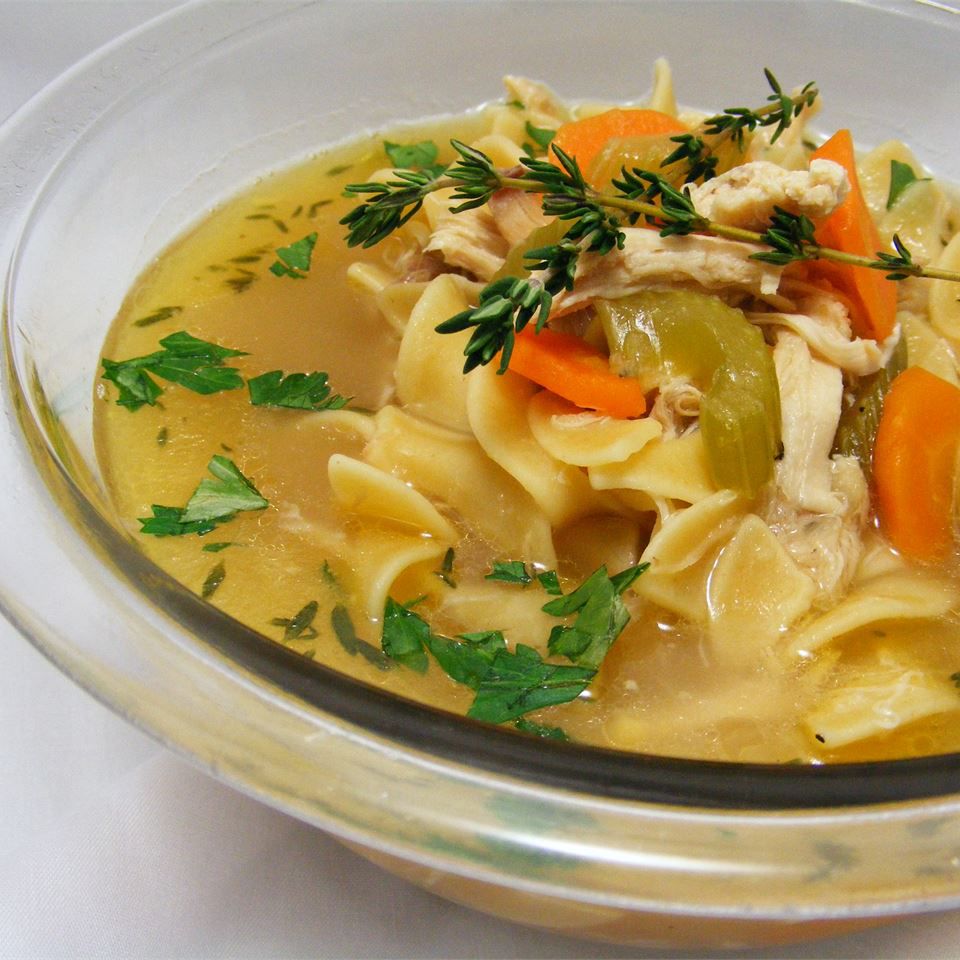
If you have leftover roast chicken carcasses, transform them into a concentrated chicken soup base. Replace the water with 8 cups, toss in the carcass, extra carrots, celery, a few sprigs of thyme, and simmer for 2hours. Strain, season, and freeze in portions. This homemade version often contains half the sodium of storebought packets, yet boasts a fuller mouthfeel.
Vegetarian / Vegan Base
For a plantbased twist, swap the oil for a splash of mushroom broth, add cup dried kombu (seaweed) for umami, and finish with 1tablespoon miso paste. The kombu releases glutamates naturally, giving you the depth youd expect from a meatbased stock without any animal products.
Soup Base Powder & Packets
Sometimes life is hectic, and you reach for a packet of soup base powder. Heres how to use it wisely:
- Follow the package instructionsusually cup powder to 1quart water.
- Boost the flavor by adding fresh aromatics (a slice of ginger or a clove of garlic) while the powder dissolves.
- Compare the nutritional profile: a typical packet contains 900mg sodium per serving, while a homemade base averages 300400mg. If youre watching salt, dilute the powder further or rinse the final soup with a splash of unsalted broth.
Flavor Comparison Table
| Aspect | Homemade Base | Storebought Powder |
|---|---|---|
| Salt (mg per cup) | 300400 | 9001200 |
| Umami Depth | High (natural glutamates) | Moderate (added MSG) |
| Prep Time | 45min | 5min |
| Cost per serving | ~$0.20 | ~$0.35 |
Boost Flavor Balance
Even the best base can benefit from a few finishing touches. Think of these as the seasoning secret weapons that turn good into unforgettable.
Acid & Brightness
A squeeze of fresh lemon juice or a splash of rice vinegar at the end lifts the entire bowl, cutting any heaviness. Even a teaspoon of tamarind paste works wonders for Asianstyle broths.
Umami Boosters
For an extra punch, stir in a teaspoon of soy sauce, fish sauce, or a dollop of miso. If youre daring, a pinch of roasted tomato powder can add a smoky richness without the need for actual roasting.
Herbs & Spices
Bay leaf and peppercorns are great for the simmering stage, but fresh herbs like thyme, parsley, or cilantro should be added at the very end to preserve their bright flavor. For authoritative guidance on safe handling and cooling times, consult food-safety recommendations when you cool and store broththis ensures you follow best practices.
FlavorLayering Checklist
- Start with aromatics (onion, garlic, celery).
- Add fat (oil or butter) for mouthfeel.
- Season lightly during cooking (salt, pepper).
- Introduce umami (soy, miso, fish sauce) near the finish.
- Finish with acid and fresh herbs for balance.
Safe Storage Tips
Nothing is more disappointing than opening a container of broth to find it spoiled. Follow these safety steps to keep your soup base fresh for weeks.
Cooling Quickly
After simmering, transfer the hot liquid into a shallow metal pan and set it in an icewater bath. This brings the temperature down below 40F (4C) within two hours, meeting the for safe cooling.
Refrigeration & Freezing
- Refrigerate in airtight containers for up to 4days.
- Freeze in portionsize bags or icecube trays for up to 3months. Label each package with the date and type (e.g., Chicken Base 20250907).
Reuse and Repurpose
Don\'t toss leftover cubes! Melt them into a quick sauce for sauted veggies, or stir a few into a skillet of rice for a onepot wonder.
Quick Reference Cheat Sheet
Because life moves fast, heres a printable cheat sheet you can bookmark or print. It condenses the essential ratios, flavor boosters, and storage rules into a single page.
Core Ratios
- Fat:Aromatics:Liquid = 1:2:8 (by volume)
- Salt start with tsp per 6cups, adjust at the end.
Flavor Boost Shortcuts
| Boost | Amount | When to Add |
|---|---|---|
| Soy sauce | 1tsp | Final 5min |
| Lemon juice | 1tbsp | After straining |
| Miso paste | tsp | Offheat, dissolve |
| Fresh herbs | 2tbsp | Just before serving |
Storage Matrix
- Refrigerate: 34days, sealed container.
- Freeze: Up to 3months, label with date.
- Thaw: Overnight in fridge or quickdefrost in microwave (use low power).
Conclusion
Mastering how to make soup base gives you a powerful kitchen shortcut that works for noodles, chicken, vegonly dishes, or even the occasional packet of soup base powder. Start with the basic starter recipe, experiment with the flavor boosters, and store your creations safely for future meals. Youll find that a good broth not only saves timeit adds a comforting, homemade touch to every bowl you serve.
Give one of the variations a try tonight, and let the aroma fill your kitchen. If you discover a favorite tweakmaybe a secret herb blend or a quick shortcutshare it with a friend or post about it on social media. For more on safe food-handling practices you can reference trusted guidance like this food safety overview to help with cooling and storage timelines. Happy soupmaking!
FAQs
What basic vegetables are best for a soup base?
Onion, carrot, and celery (the classic mirepoix) provide sweetness, depth, and aroma, making them the foundation for most broth recipes.
Can I make a soup base without added oil?
Yes—sauté the aromatics dry or use a splash of water, then deglaze. The flavor will be lighter, but you may miss some richness that fat adds.
How long can homemade soup base be stored safely?
Refrigerate in airtight containers for up to 4 days. Freeze in portion‑size bags or ice‑cube trays for up to 3 months.
What is the quickest way to boost umami in a broth?
Add a teaspoon of soy sauce, miso paste, fish sauce, or a piece of kombu during the last few minutes of cooking for an instant umami lift.
Is it okay to reuse leftover broth cubes?
Absolutely—melt them into sauces, stir them into rice or grain dishes, or use a few cubes to re‑season a new batch of soup.