Why Hard Boiled Eggs Recipe is a Kitchen Essential
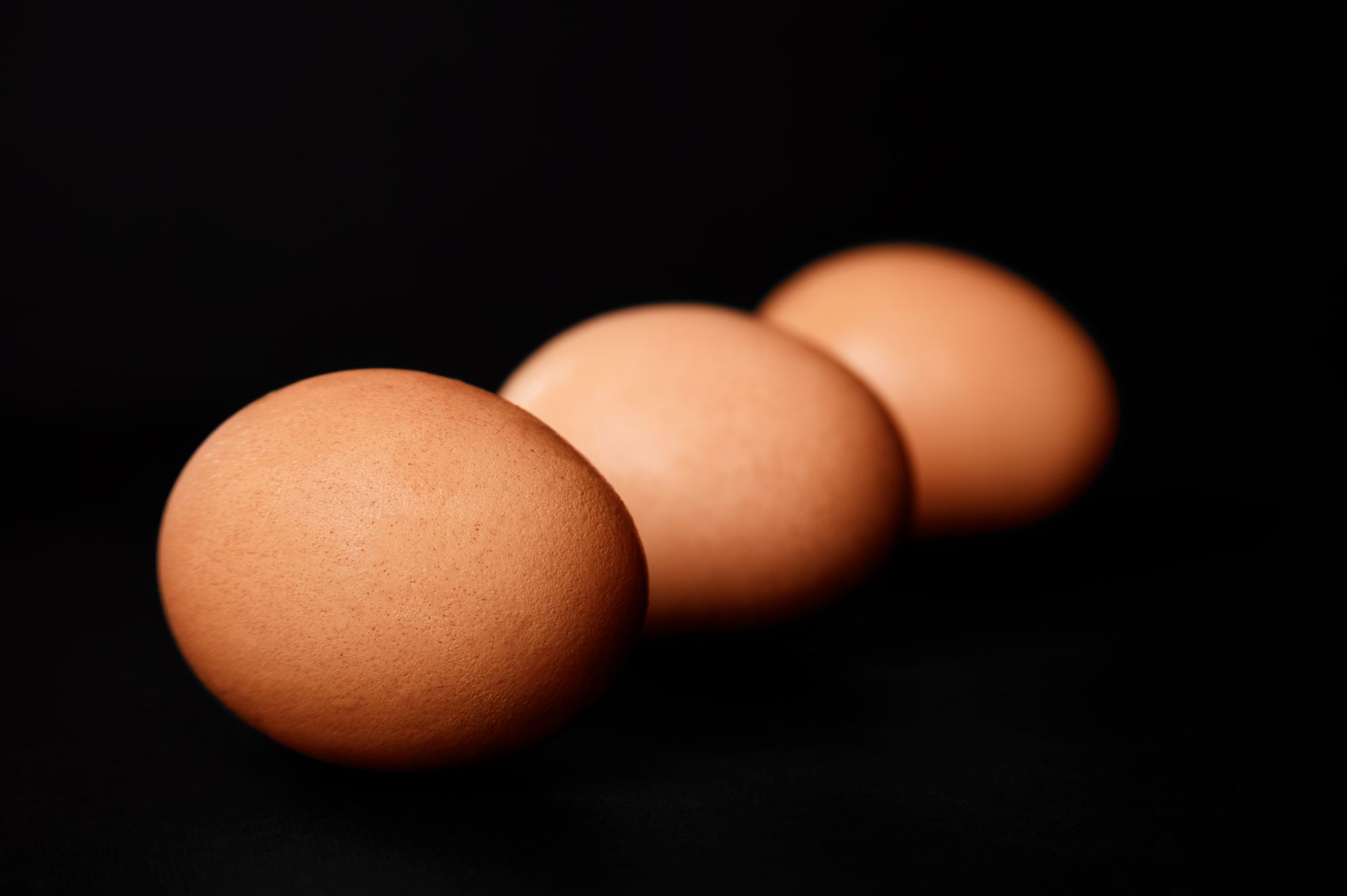
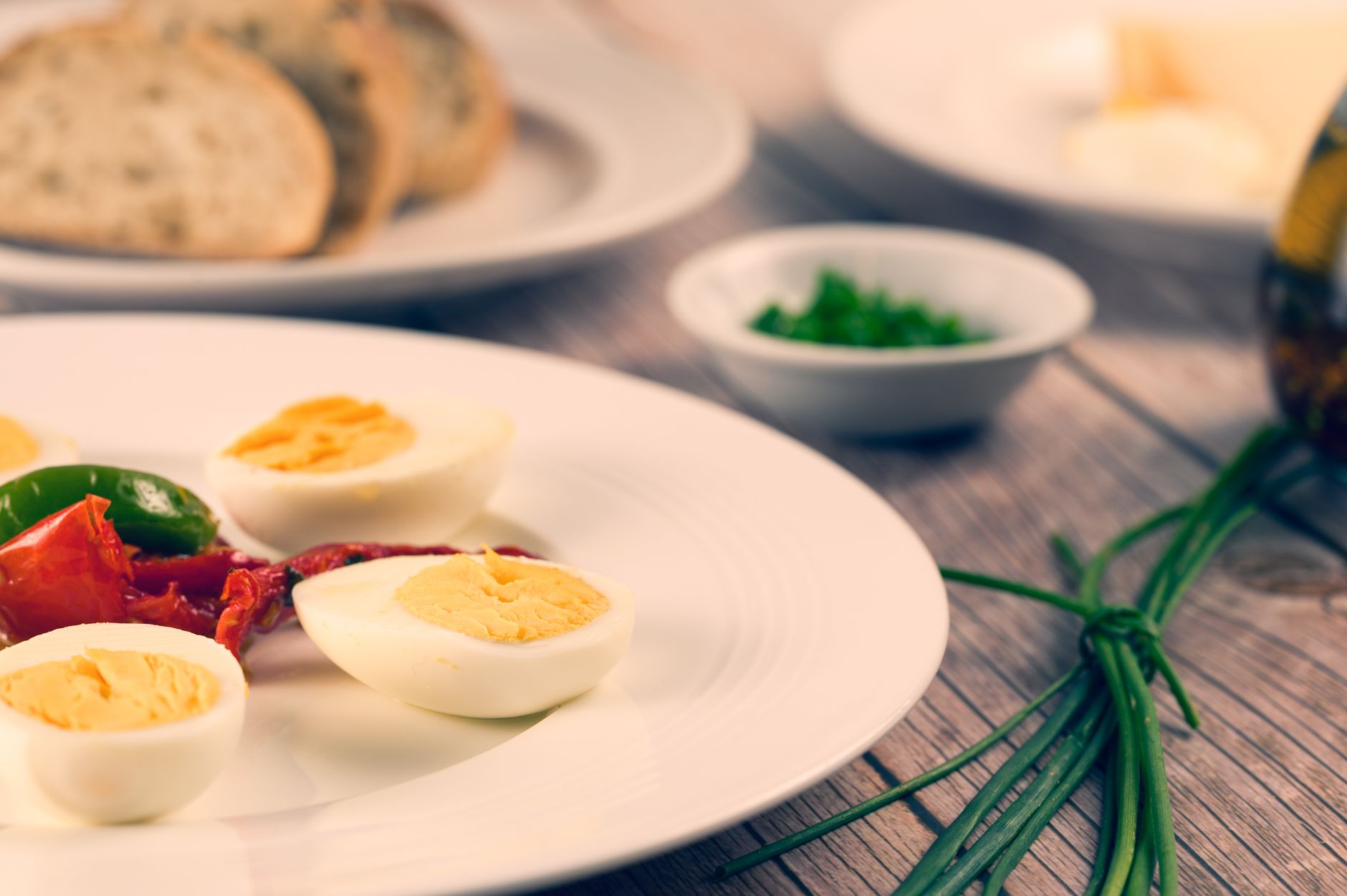
Imagine cracking open a shell to reveal a perfectly cooked golden yolk, smooth and creamy, nestled inside firm white egg whites. Hard boiled eggs add a simple yet satisfying touch to countless meals — from crisp salads to hearty breakfasts. This Hard Boiled Eggs Recipe unlocks a reliable method to achieve that flawless texture every time, whether you’re prepping for snacks, lunches, or a protein-packed addition to your menu. The charm of this classic kitchen staple lies in its simplicity and versatility, making it an indispensable go-to for home cooks and food lovers alike.
Health Benefits & Nutrition
Hard boiled eggs are a powerhouse of nutrients. First, they provide high-quality protein, essential for muscle repair and growth, offering about 6 grams per egg. They’re packed with vitamins like B12 and riboflavin, crucial for energy metabolism and brain health. Additionally, eggs contain lutein and zeaxanthin, antioxidants linked to eye health according to a study from the American Journal of Clinical Nutrition. Despite containing cholesterol, recent research suggests moderate egg consumption has minimal impact on heart disease in healthy individuals. However, those with specific cholesterol issues or egg allergies should consult their healthcare provider before including them frequently in their diet.
Ingredients & Preparation
Recipe Card
| Prep Time | Total Time | Servings | Calories | Diet Tags |
|---|---|---|---|---|
| 5 minutes | 15 minutes | 12 eggs | 61 per egg | Keto, Gluten-Free, Low-Carb, High-Protein |
Ingredients
- 12 large fresh eggs
- Cold water (enough to cover eggs by 1 inch)
- Ice cubes and water (for cooling)
Equipment Needed
- Large saucepan or pot
- Slotted spoon or tongs
- Large bowl for ice water bath
- Timer or clock
Tips for Choosing Quality Ingredients
Pick eggs that are as fresh as possible but not straight from the hen; slightly older eggs peel easier after boiling due to slight changes in pH. Look for eggs with clean, uncracked shells. Organic or free-range eggs offer richer flavors and better nutrition, thanks to varied diets and living conditions. When buying, test by placing eggs in water; fresh eggs sink, while older eggs float and may not be ideal for boiling.
Step-by-Step Instructions
Step 1: Prepare Your Eggs and Water
Place your eggs gently in a single layer at the bottom of your pot. Add enough cold water to cover the eggs by about 1 inch (approximately 2.5 cm).
Step 2: Bring to a Boil
Heat the pot over medium-high heat and bring the water to a rolling boil. This should take roughly 7–9 minutes depending on your stove.
Step 3: Remove from Heat and Cover
Once boiling, cover the pot with a tight-fitting lid, then remove it from heat immediately. Let the eggs rest in the hot water for 9 to 10 minutes to set the yolks perfectly.
Step 4: Cool Eggs Quickly
Drain the hot water and transfer eggs immediately into a prepared ice water bath. Chill them for at least 5 minutes to stop cooking and make peeling easier.
Step 5: Peel and Serve
Tap each egg gently on a hard surface to crack the shell, then peel under running water to wash away tiny shell bits. Your perfectly hard boiled eggs are ready to enjoy.
Variations & Substitutions
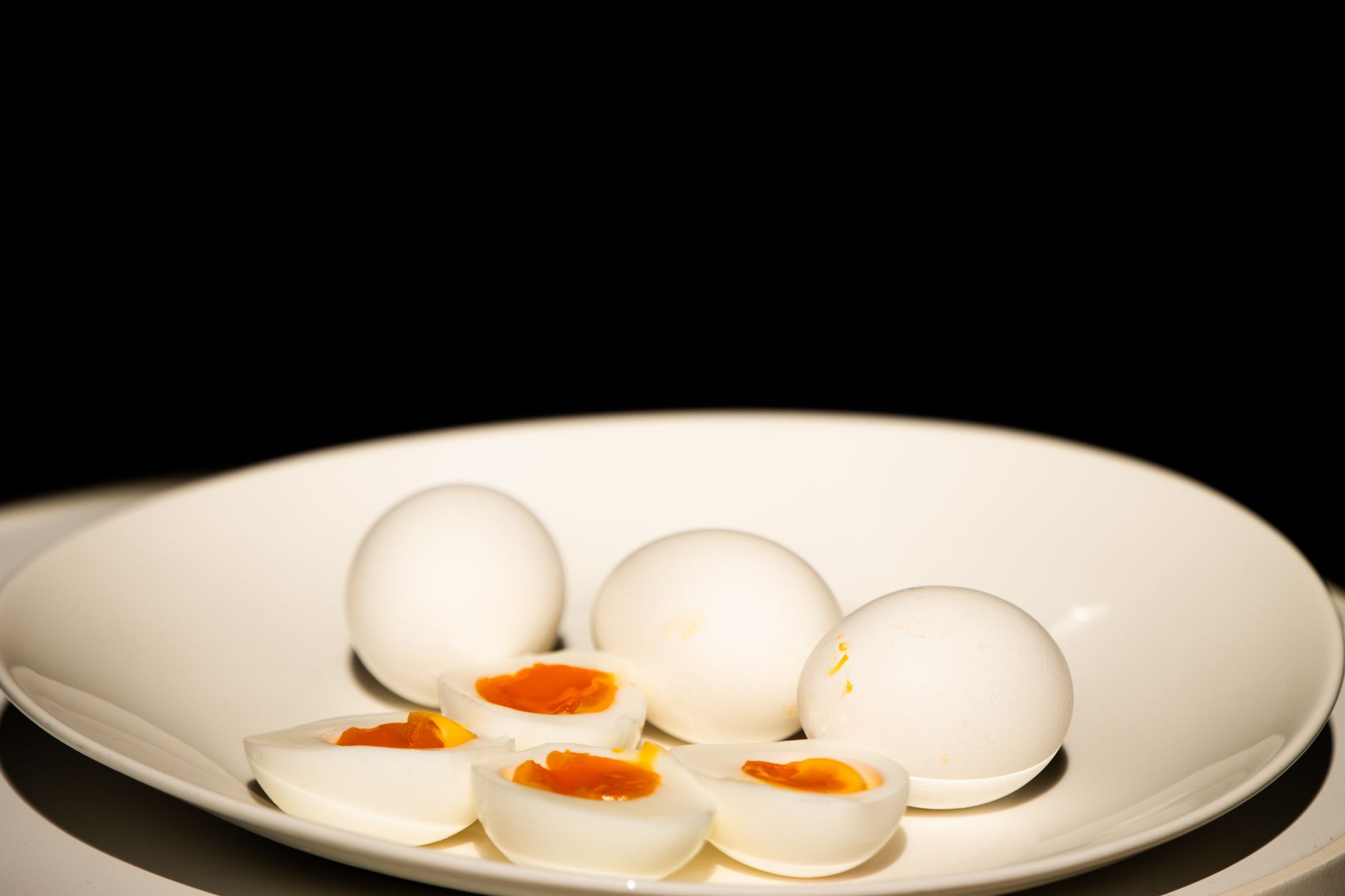
Try cooking time variations to suit your preference. For creamy, slightly runny yolks, aim for 6 minutes of resting in hot water for soft boiled eggs. For a firmer yolk with a creamy center, choose 7–8 minutes. Want to add flavor during cooking? Add a teaspoon of baking soda or vinegar to the water; this can soften shells and make them easier to peel.
If you don’t have ice, cool eggs under cold running water for 5 minutes instead. For egg alternatives, duck eggs can be hard boiled but require slightly longer cooking—for about 12 minutes—to achieve a similar texture.
Storage & Shelf Life
Unpeeled hard boiled eggs store best in the refrigerator, remaining fresh for up to one week. Keep them in a covered container or egg carton to avoid absorbing fridge odors.
Peel eggs should be eaten within 2 days for the best texture and taste. Though freezing hard boiled eggs is generally not recommended because whites turn rubbery upon thawing, whisked cooked yolks can be frozen for baking or cooking later.
Discard any eggs that develop an off smell, slimy texture, or discoloration. Fresh hard boiled eggs will smell neutral and have firm whites and yolks.
Pro Tips
- Bring eggs to room temperature before boiling to prevent cracking caused by thermal shock.
- Use a slotted spoon to lower eggs gently into boiling water to keep shells intact.
- For the cleanest peel, peel eggs under cold running water to loosen small shell pieces.
- Adding a pinch of salt to the boiling water can help minimize whites leaking if a shell cracks.
- To avoid the green ring around yolks, don’t overcook eggs or cool them immediately after cooking.
When is the best time to eat Hard Boiled Eggs Recipe?
Hard boiled eggs are best enjoyed shortly after cooking when their texture is fresh and creamy. They make an excellent snack, light breakfast, or protein-packed addition to salads and sandwiches throughout the day. For optimal taste and safety, consume within one week of refrigeration.
How long can hard boiled eggs be stored safely in the fridge?
Unpeeled hard boiled eggs stay fresh up to 7 days when stored properly in the refrigerator. Always keep them in a covered container and avoid leaving them at room temperature for over two hours to prevent bacterial growth.
Why do some hard boiled eggs get a greenish-gray ring around the yolk?
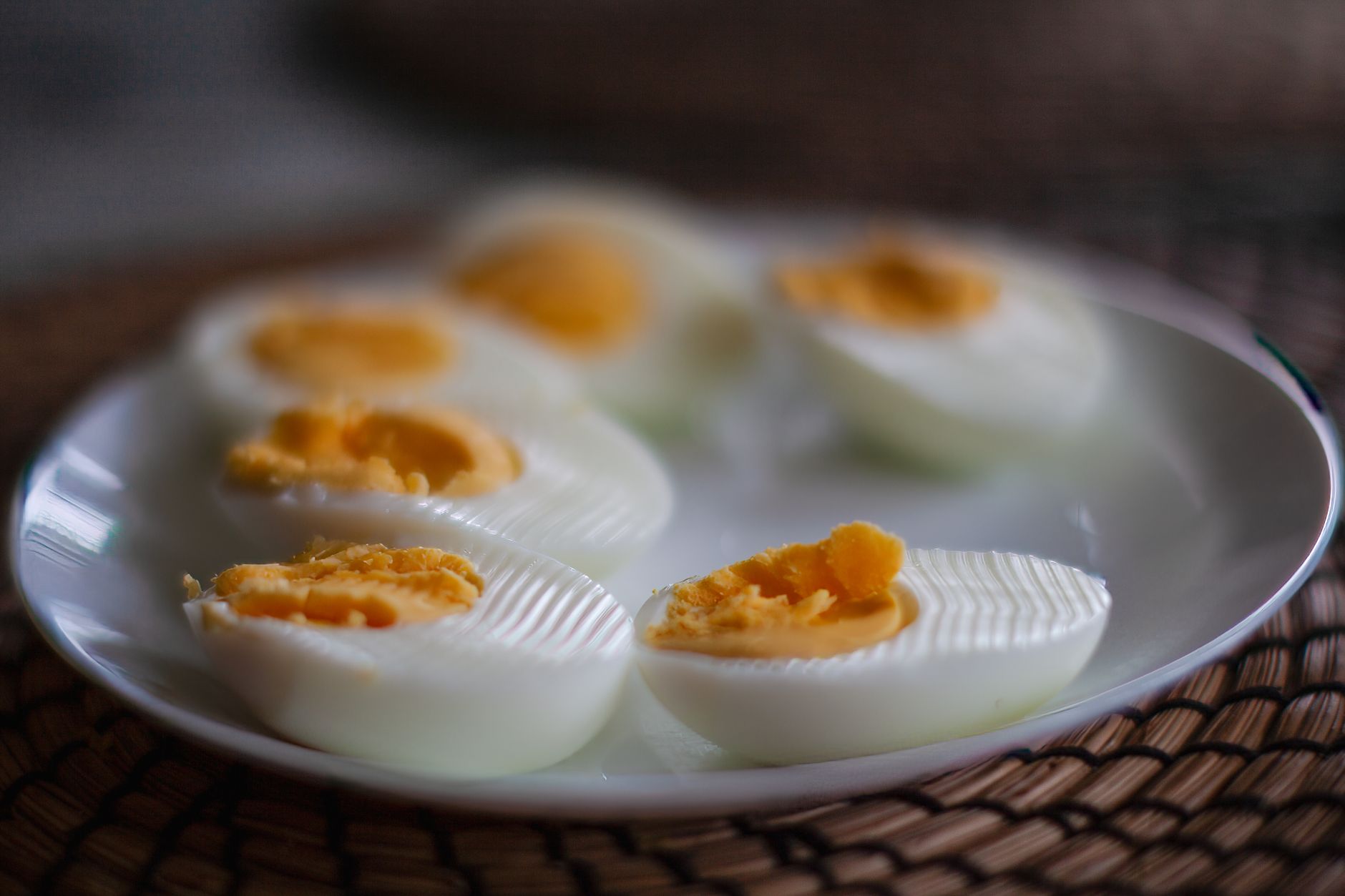
This coloration is due to a chemical reaction between sulfur in the white and iron in the yolk, usually caused by overcooking or slow cooling. To avoid it, time your cooking precisely and cool eggs quickly in ice water after boiling.
Can I use older eggs for hard boiling?
Yes, slightly older eggs peel more easily after boiling because the pH rises over time. Fresh eggs often have shells that stick tightly, making peeling more challenging.
Is it safe to eat hard boiled eggs if the yolks are still a bit soft?
Yes, soft or medium boiled eggs are safe as long as proper cooking times are followed. The key is that the egg whites are fully cooked and you use fresh eggs to minimize any risk.
Can I freeze hard boiled eggs?
Freezing whole hard boiled eggs isn’t recommended; whites turn rubbery and watery upon thawing. However, you can freeze chopped or mashed yolks to use later in recipes like deviled eggs or salads.
What causes eggshell cracks during boiling, and how can I prevent it?
Shells crack when eggs experience a drastic temperature change or crowding in the pot. To prevent this, add eggs slowly into simmering water or bring eggs to room temperature before boiling. Using an adequately sized pot so eggs aren’t overcrowded also helps.
More Recipes You Will Love
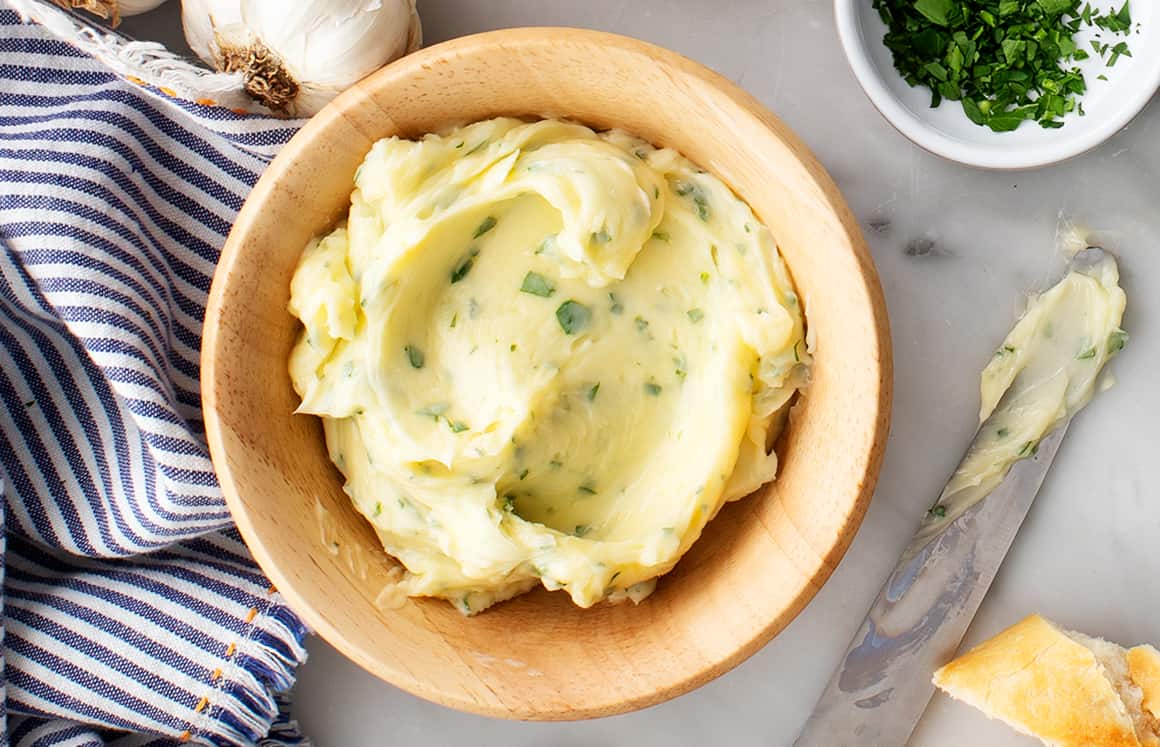
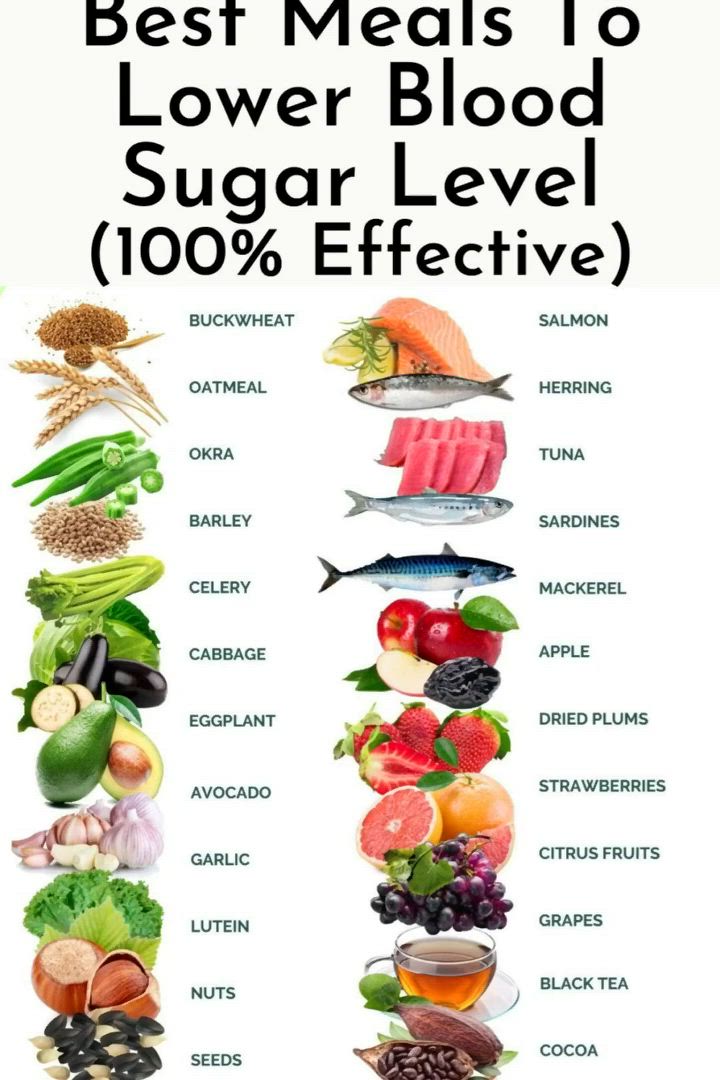
If you adore the simplicity and nutrition of eggs, try our flavorful What herbs go into garlic and herb butter recipe to elevate dishes featuring hard boiled eggs. For those seeking a natural immune boost alongside their protein-packed snack, check out How to boost immune system quickly, which pairs well with a hard boiled egg snack.
Conclusion
Mastering the Hard Boiled Eggs Recipe is easier than you might think, and the results are endlessly rewarding. Knowing how to get tender whites and creamy-yet-firm yolks will transform your kitchen confidence. Whether you enjoy them alone or as part of larger meals, these eggs are a timeless ingredient offering nutrition and flavor. Share your own tips or experiences in the comments below — we’d love to hear how you like to enjoy your perfectly boiled eggs!
FAQs
When is the best time to eat Hard Boiled Eggs Recipe?
Hard boiled eggs are perfect any time of day—ideal for breakfast, as a protein-packed snack, or added to salads and lunches. They provide sustained energy and can be prepared ahead for convenience.
How long should I boil eggs for hard boiled eggs?
After bringing water to a boil, remove the pot from heat and let eggs rest in hot water for 9 to 10 minutes to achieve a fully set, creamy yolk and firm whites.
What is the best way to peel hard boiled eggs easily?
Cool eggs quickly in an ice water bath for at least 5 minutes after boiling. Then gently tap to crack and peel under running water to remove shell bits smoothly.
Can I store hard boiled eggs and for how long?
Yes, store unpeeled hard boiled eggs in the refrigerator for up to one week. Keep them in a covered container to maintain freshness and prevent odors.
Are hard boiled eggs healthy to eat daily?
Hard boiled eggs are nutrient-rich and safe to eat daily for most people. They offer high-quality protein and important vitamins but consult a doctor if you have cholesterol concerns.