Why Grilled Pork Tenderloin
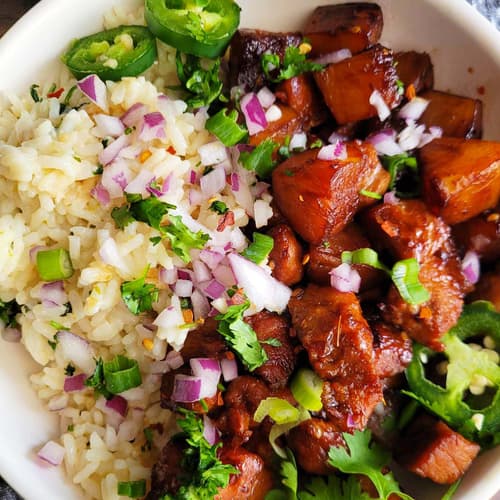
The grill gives this lean cut a smoky crust while the marinade turns glossy and caramelized around the edges. The first bite is savory, lightly spicy, and pleasantly sweet.
Grilled Pork Tenderloin is made by marinating trimmed pork in brown sugar, soy sauce, Dijon mustard, hot sauce, and coriander, then searing it over direct heat before finishing it gently over indirect heat. Cook the pork to 145°F, rest it for 10 minutes, and slice it across the grain for tender, juicy pieces.
This method works especially well for two smaller tenderloins. They cook more evenly than one very thick roast, and the direct-to-indirect grilling technique protects the sugary marinade from burning. Serve the slices with grilled vegetables, potatoes, or a crisp green salad.
Health Benefits & Nutrition
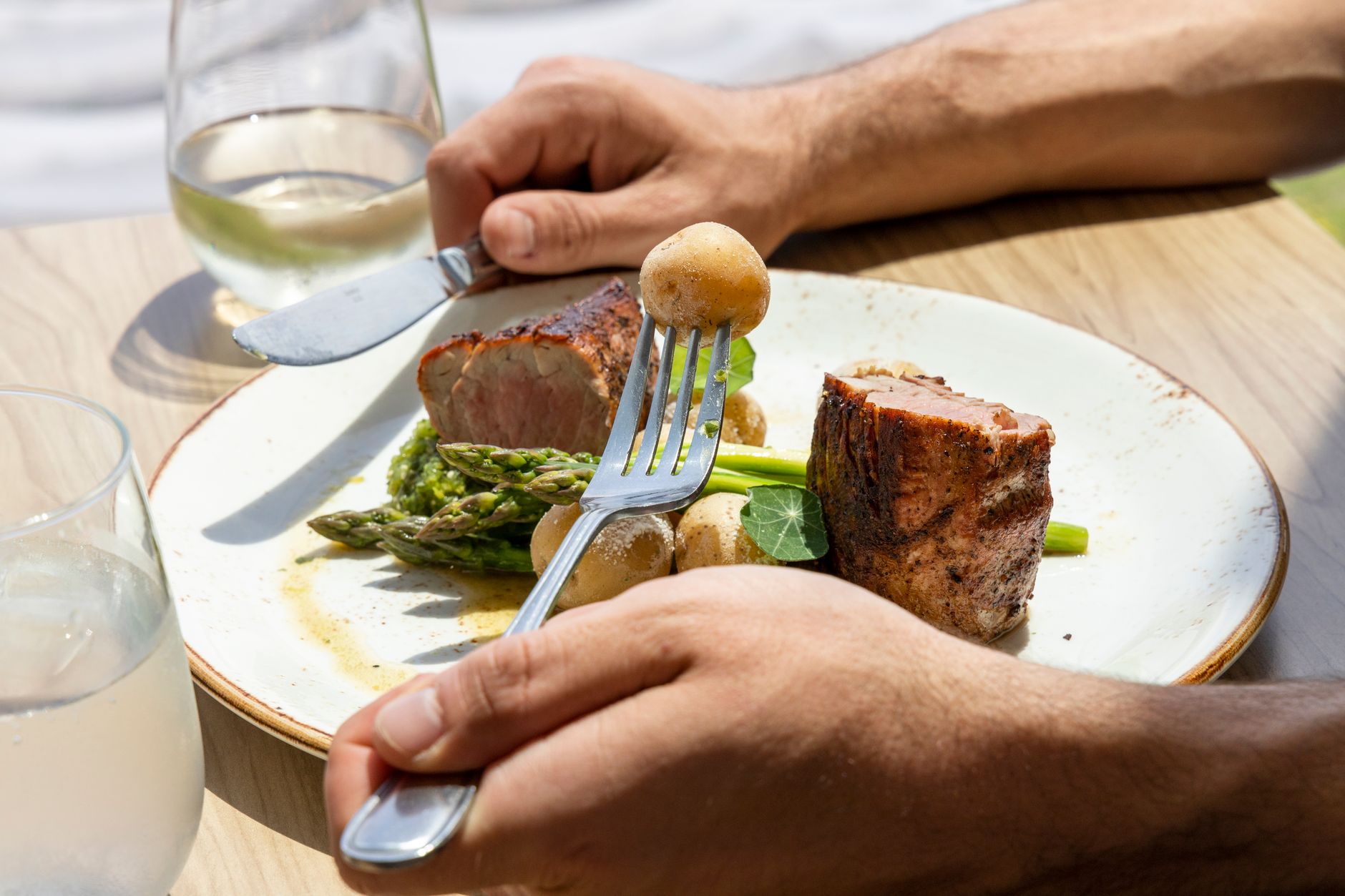
Pork tenderloin is a lean protein source, especially after visible fat and silver skin are trimmed. It also provides nutrients such as thiamin, selenium, zinc, and vitamin B6. These nutrients support normal energy metabolism and immune function as part of a varied diet.
- High in protein: A serving supplies substantial protein, which helps make the meal satisfying.
- Lean cut: Tenderloin generally contains less fat than many pork shoulder or rib cuts.
- Balanced flavor: A modest amount of marinade adds plenty of taste without needing a heavy sauce at the table.
- Flexible side dishes: Pairing it with vegetables, potatoes, or whole grains makes it easy to build a balanced dinner.
The marinade contains soy sauce, so the finished dish can be high in sodium. Use reduced-sodium soy sauce if preferred, and avoid adding extra salt until the pork has been tasted. Anyone with a soy allergy should use a suitable soy-free alternative. For personal dietary needs, including pregnancy-related questions or medical conditions, ask a qualified doctor or dietitian.
Ingredients & Preparation
Recipe Card
| Prep time | 2 hours 55 minutes |
|---|---|
| Cook time | 27 minutes |
| Total time | 3 hours 22 minutes |
| Servings | 4 |
| Calories | Approximately 390 per serving |
| Diet tags | High-protein, dairy-free |
The preparation time includes two hours of marinating, 30 minutes for the pork to lose its chill, 15 minutes of active preparation, and 10 minutes of resting after cooking. The grill time is an estimate; thicker tenderloins may need a few extra minutes.
Full ingredient list
- 1/2 cup packed light brown sugar
- 1/4 cup soy sauce
- 2 tablespoons Dijon mustard
- 1 tablespoon hot sauce
- 1 teaspoon toasted ground coriander
- 1/4 teaspoon kosher salt
- 1/2 teaspoon freshly ground black pepper
- 2 pounds pork tenderloin, usually 2 pieces, trimmed and silver skin removed
Equipment needed
- Medium mixing bowl and whisk
- 1-gallon resealable bag or shallow nonreactive container
- Gas or charcoal grill with a lid
- Instant-read thermometer
- Long-handled tongs
- Cutting board and sharp slicing knife
Tips for choosing quality ingredients
Choose pork tenderloins that are evenly thick, pink, and moist-looking, without dark patches or excessive liquid in the package. Tenderloins often have a narrow end. If one end is much thinner, tuck it under and secure it with kitchen twine so it does not overcook.
Freshly ground coriander has a warmer, more fragrant aroma than old preground spice. Toasting it briefly in a dry skillet makes the earthy citrus note more noticeable. Use a hot sauce you enjoy on its own, since its vinegar and pepper flavors remain present after grilling.
For a less salty marinade, use reduced-sodium soy sauce. Do not reuse raw pork marinade as a finishing sauce unless you boil it thoroughly first; the easier option is to reserve a separate portion before adding the meat.
Step-by-Step Instructions
1. Mix and chill the marinade
Whisk the brown sugar, soy sauce, Dijon mustard, hot sauce, toasted coriander, kosher salt, and black pepper in a bowl for 1 minute, or until the sugar is mostly dissolved. Put the trimmed pork in a 1-gallon resealable bag, pour in the marinade, press out excess air, and seal. Refrigerate for 2 hours and no longer than overnight.
2. Temper the pork for 30 minutes
Remove the sealed bag from the refrigerator 30 minutes before grilling. Take the pork from the marinade and place it on a plate. Let excess marinade drip off, then pat the surface lightly with paper towels. Do not leave raw pork at room temperature longer than this preparation window.
3. Prepare a two-zone grill at 400°F to 450°F
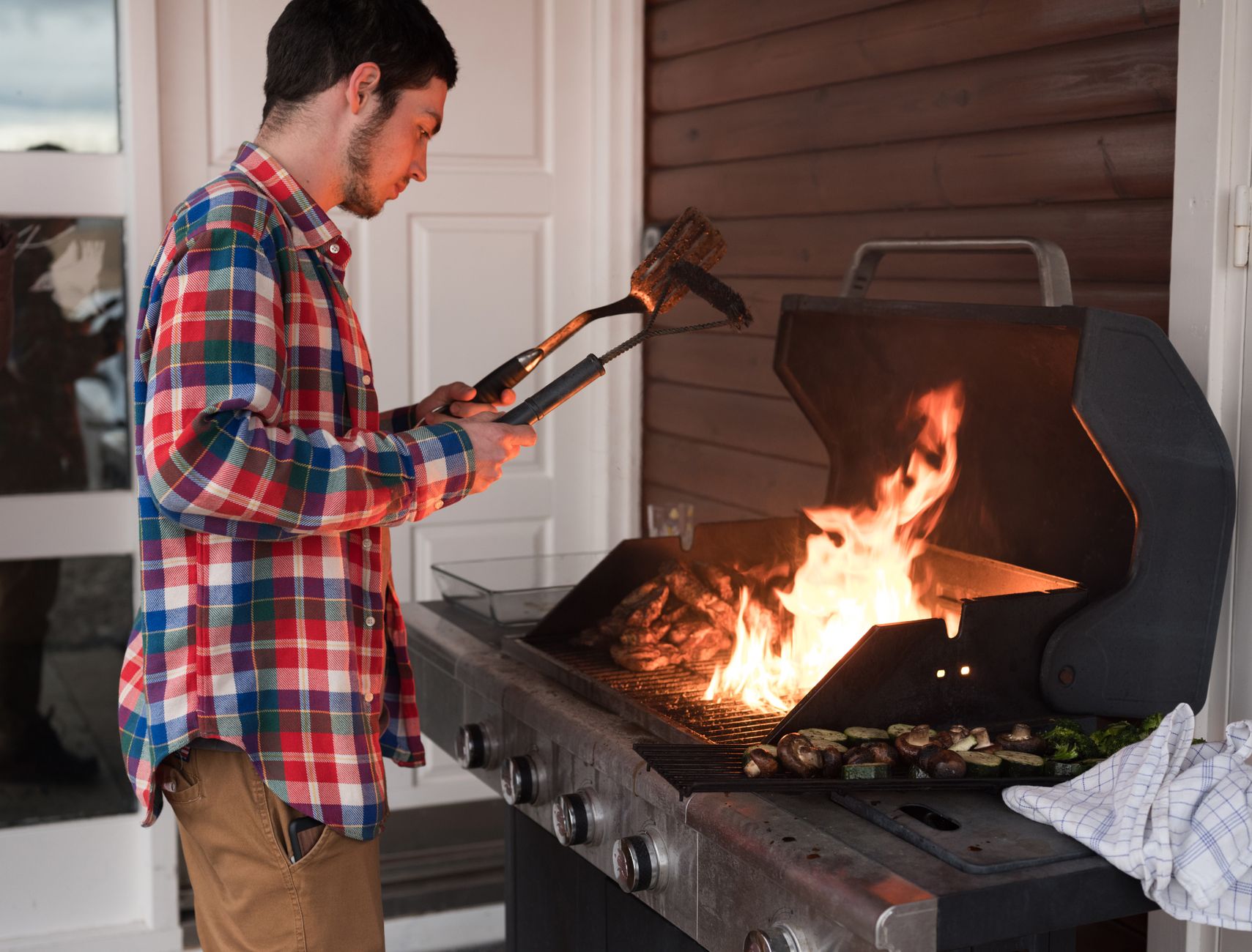
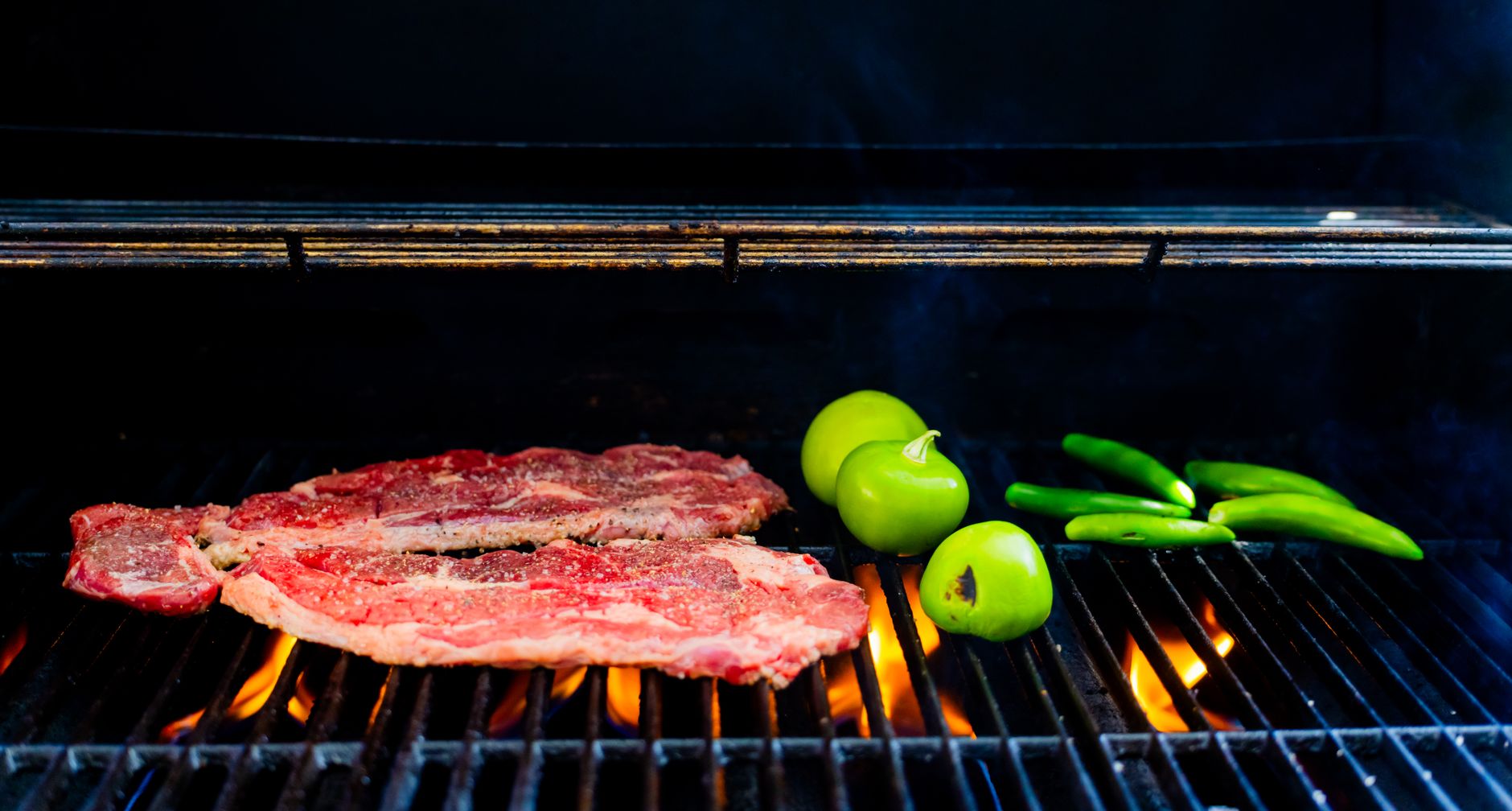
For a charcoal grill, arrange the coals on one side and leave the other side empty. For a gas grill, heat one side to medium-high and leave the other side off. Clean and lightly oil the grates. The indirect side should hold near 400°F with the lid closed.
4. Sear the pork over direct heat for 12 minutes
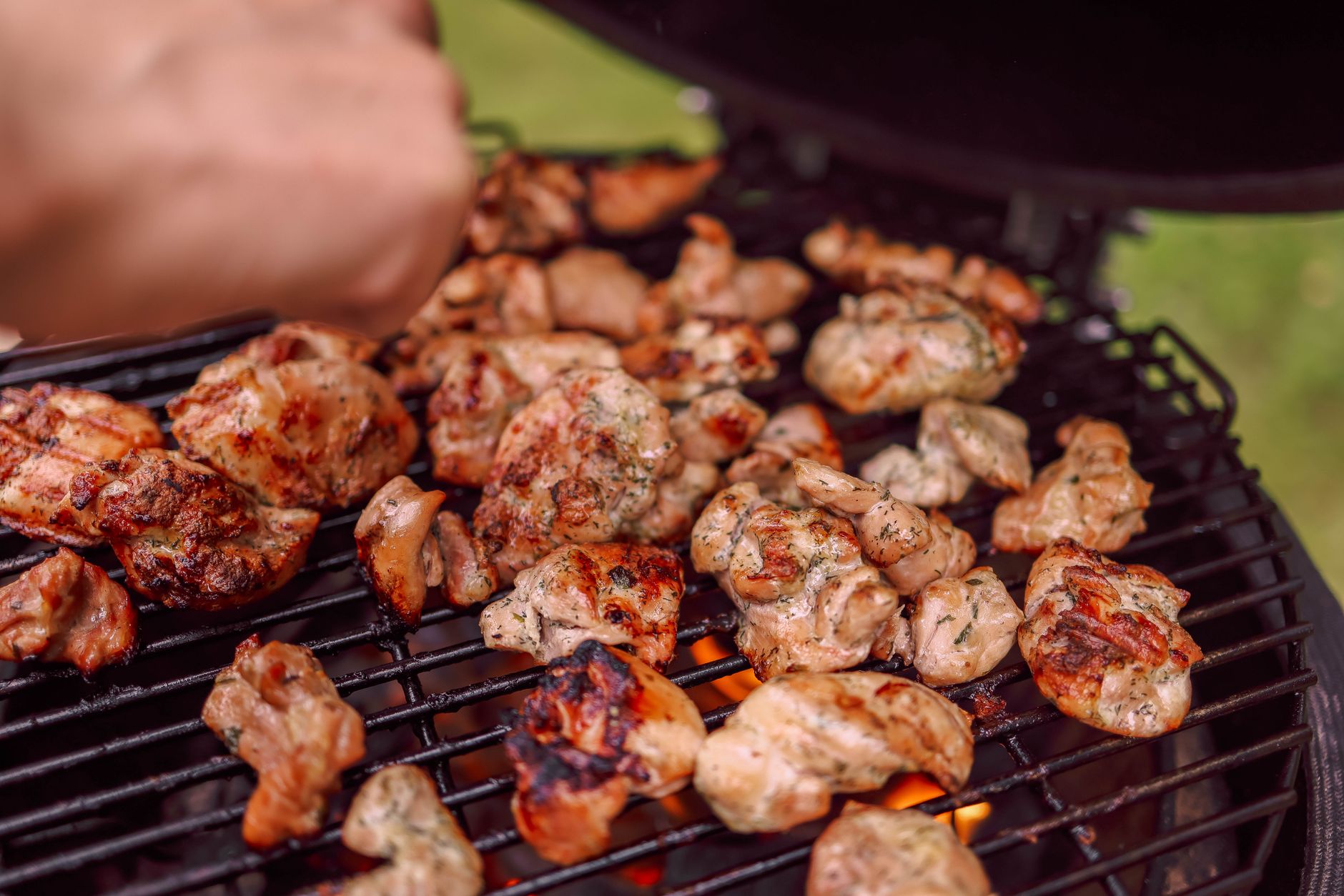
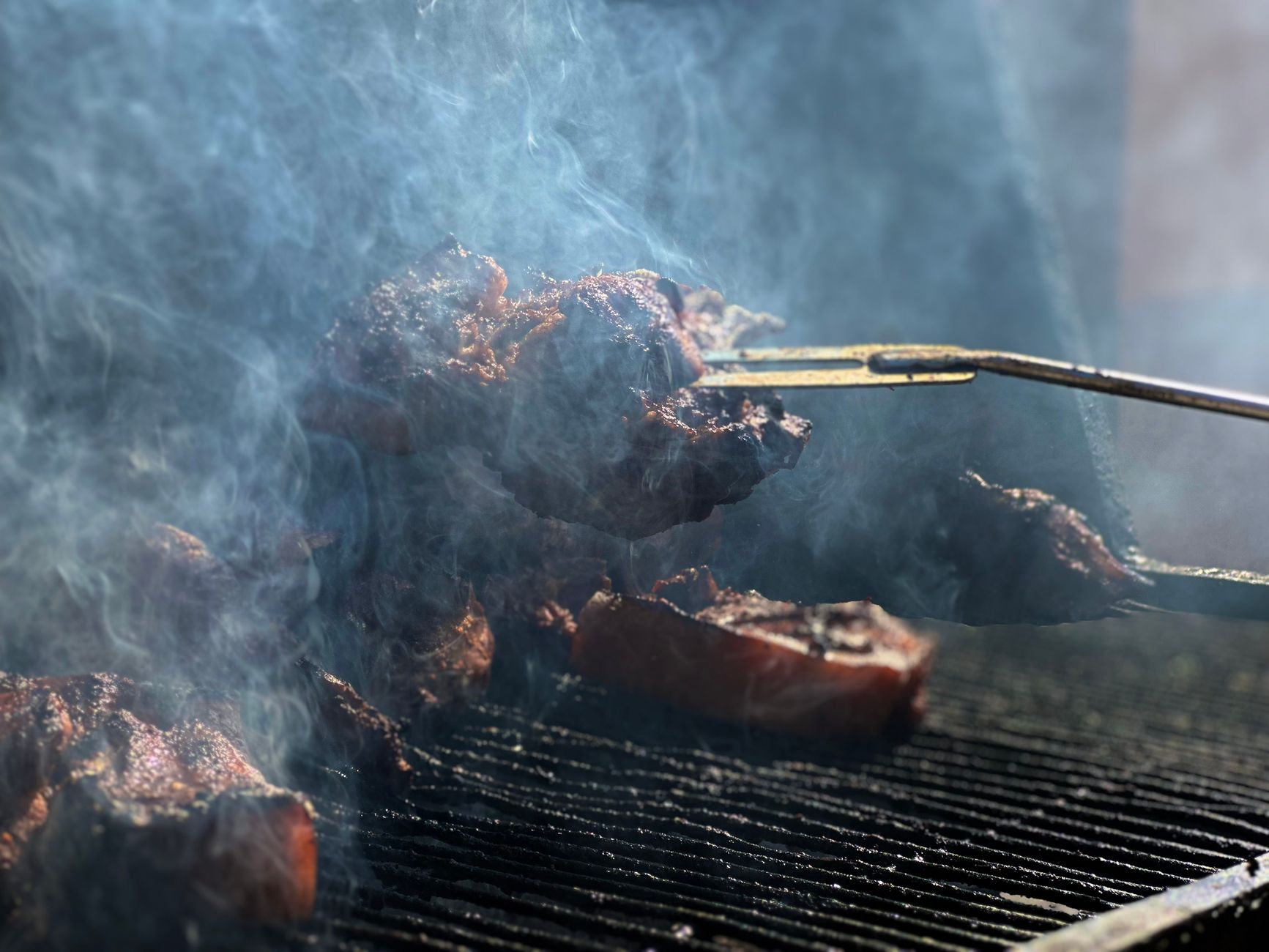
Place the tenderloins over direct heat and grill for 3 minutes on each of four sides, turning with tongs. The surface should develop dark golden-brown grill marks, and you should hear a steady sizzle rather than a flare-up. If the brown sugar begins to blacken, move the pork briefly to the cooler side.
5. Finish indirectly for 15 minutes and rest for 10 minutes
Move the seared pork to indirect heat, close the lid, and cook for 15 minutes, turning once halfway through, until the thickest part reaches 145°F on an instant-read thermometer. Transfer the pork to a cutting board, tent loosely with foil, and rest for 10 minutes before slicing across the grain.
The first time I made this, I left the tenderloins over the hottest coals too long because the crust looked pale at first. The sugar catches quickly, so the cooler side is your friend once the outside is browned. I also found that slicing immediately makes the board noticeably wetter; the short rest keeps more juice inside each slice.
Variations & Substitutions
- Less sweet: Replace half of the brown sugar with 2 tablespoons of maple syrup and reduce the soy sauce to 3 tablespoons. The marinade will be thinner, so pat the pork especially dry before grilling.
- More citrus: Add 1 tablespoon of fresh orange zest and 2 tablespoons of orange juice. Reduce the hot sauce to 2 teaspoons if you prefer a gentler finish.
- Spice-forward: Add 1/2 teaspoon smoked paprika and 1/4 teaspoon cayenne. Keep the hot sauce at 1 tablespoon for layered heat.
- Soy-free option: Substitute 1/4 cup coconut aminos for the soy sauce. Because coconut aminos are usually sweeter, reduce the brown sugar to 1/3 cup.
- Mustard change: Replace Dijon with 2 tablespoons of whole-grain mustard. The coarse seeds add texture, but the marinade will not coat quite as smoothly.
I would not replace the pork tenderloin with pork shoulder using the same timing. Shoulder needs a much longer, slower cook, while this marinade and two-zone method are designed for the lean, narrow tenderloin.
Storage & Shelf Life
Cool leftover pork within two hours, then store it in a shallow airtight container in the refrigerator for up to 3 days. Keep slices with their juices when possible. Reheat gently in a covered skillet with a tablespoon of water, or use short microwave intervals so the lean meat does not dry out.
For freezing, wrap cooled slices tightly in plastic wrap or freezer paper, place them in a freezer bag, remove excess air, and label with the date. Freeze for up to 2 months for the best texture. Thaw overnight in the refrigerator and reheat until hot throughout.
Discard the pork if it develops a sour or unpleasant odor, sticky or slimy surface, unusual discoloration, or visible mold. Do not taste food to decide whether it is safe. Unused raw marinade should be discarded unless it is boiled thoroughly for several minutes.
Pro Tips
Remove silver skin completely. Silver skin is the shiny, tough membrane along part of the tenderloin. Slide a narrow knife under it, angle the blade slightly upward, and pull the membrane taut while trimming. Leaving it in place can cause the meat to curl and chew unevenly.
Use two-zone heat from the start. A sugary marinade can go from caramelized to bitter in seconds. Direct heat is for color; indirect heat is for controlled cooking. Keep the lid closed during the second stage so the grill acts like a small oven.
Check the thickest section. Insert the thermometer from the side into the center of the largest tenderloin. Testing from the end can give a falsely high reading because the probe may sit too close to the surface.
Watch the crust, not just the clock. Grill grates, weather, and tenderloin thickness all change cooking speed. The outside should look mahogany-brown and slightly tacky, never charred black. If the marinade is darkening too fast, move the meat away from the coals.
Slice across the grain. Look for the faint direction of the muscle fibers and cut across them into 1/2-inch slices. This shortens the fibers and makes each piece easier to chew.
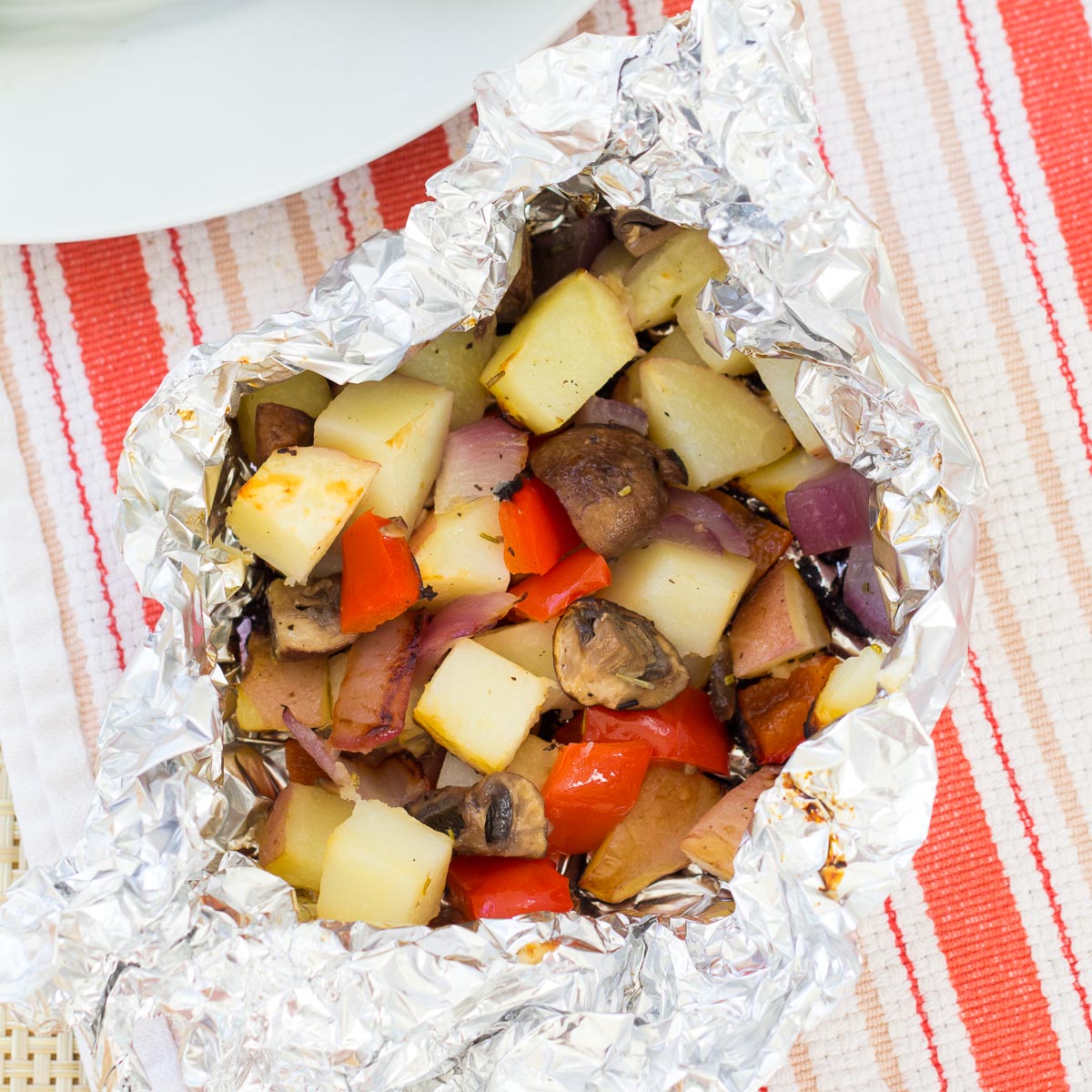
For a complete outdoor dinner, pair the pork with Grilled potatoes. Their crisp edges and creamy centers stand up well to the sweet-savory marinade.
Questions & Answers
When is the best time to eat Grilled Pork Tenderloin?
The best time to eat it is 10 minutes after grilling, once the pork has rested. This allows the juices to settle while the meat remains warm. Serve it immediately after slicing for the juiciest texture. Leftovers are also useful cold or gently reheated in salads, sandwiches, grain bowls, and wraps.
What temperature should pork tenderloin reach?
Pork tenderloin should reach 145°F in the thickest part before resting. Insert an instant-read thermometer from the side into the center of the meat. The temperature may rise slightly during the 10-minute rest. Color alone is not a reliable way to judge doneness, so use temperature rather than appearance.
Can I marinate the pork overnight?
Yes, the pork can marinate overnight, but keep the total marinating time to about 12 hours. The soy sauce seasons the meat, while the sugar and mustard flavor the exterior. Marinating for much longer does not necessarily improve the texture and can make the surface overly salty.
Can I make this recipe without a charcoal grill?
Yes, a gas grill works well. Heat one side to medium-high and leave the other side off, then follow the same direct-searing and indirect-finishing method. You can also sear the tenderloins in a grill-safe skillet and finish them in a 400°F oven until they reach 145°F.
Why did the marinade burn on the grill?
The marinade likely stayed over direct heat too long or the grill was hotter than expected. Brown sugar burns faster than a dry spice rub. Sear only until the pork develops a deep golden crust, then move it to indirect heat. Close the lid and reduce flare-ups by trimming excess marinade before grilling.
Should I rinse the pork after marinating?
No, rinsing is unnecessary and can spread raw juices around the sink. Instead, let the excess marinade drip off and pat the surface lightly with paper towels. A thin coating helps create flavor and color, while a thick wet layer encourages flare-ups and slows browning.
What sides go well with this pork?
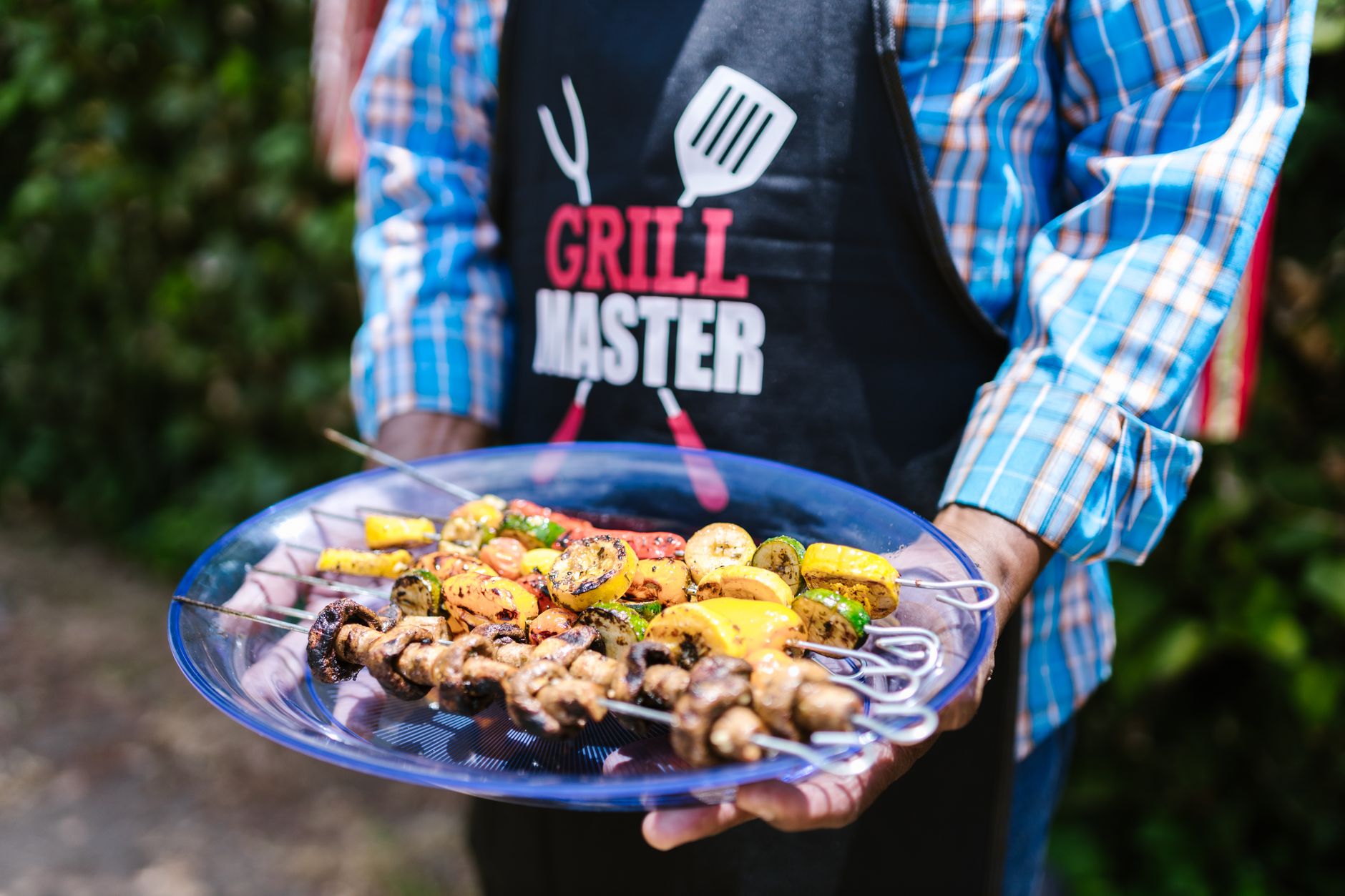
Grilled vegetables, roasted potatoes, corn, slaw, and simple green salads all work well. A bright side helps balance the sweet marinade. This Vegetables on the grill recipe is especially convenient because it uses the same outdoor cooking setup.
More Recipes You Will Love
If you enjoy the sweet, smoky profile here, serve the tenderloin with crisp grilled potatoes and a sharp mustard dipping sauce. The potatoes can cook while the pork rests, making dinner easier to coordinate.
For a lighter plate, add grilled zucchini, peppers, onions, or mushrooms. A squeeze of lemon after cooking adds freshness without covering the coriander and mustard flavors.
You can also turn leftover slices into a quick lunch. Layer them in a sandwich with crunchy cabbage, or serve them over rice with the grilled vegetables and a spoonful of the pan juices.
Conclusion
Grilled Pork Tenderloin is a straightforward way to create a tender, flavorful dinner with a smoky crust and balanced sweet heat. The key is using two-zone heat, watching the sugary marinade closely, and relying on a thermometer rather than timing alone. Rest the meat before slicing, then serve it with vegetables or potatoes. If you make this recipe, leave a rating or share a comment about how your grill performed.
FAQs
When is the best time to eat Grilled Pork Tenderloin?
Grilled Pork Tenderloin is best eaten fresh, right after it rests for 10 minutes, when the glaze is glossy and the slices are at their juiciest. It works well for dinner or a weekend meal, served with grilled vegetables, potatoes, or a green salad. Leftover slices also make good sandwiches or salads the next day.
How long can you store leftover Grilled Pork Tenderloin?
Refrigerate leftover Grilled Pork Tenderloin within two hours of cooking and eat it within three to four days. Store the slices in an airtight container. For longer storage, freeze them for up to two to three months, then thaw in the refrigerator and reheat until steaming hot.
Why is my Grilled Pork Tenderloin dry?
The most common cause of dry Grilled Pork Tenderloin is overcooking. Pull the pork off the grill at 145°F, rest it for 10 minutes, and slice across the grain. Tucking a thin end under and securing it with kitchen twine also helps the pork cook evenly.
Can I leave out the hot sauce in the marinade?
Yes, you can omit the hot sauce or replace it with a pinch of cayenne pepper or smoked paprika. Either swap adds gentle heat or smoky depth without greatly changing the balance of the brown sugar marinade. Start with a small amount and adjust to taste.
Can I make Grilled Pork Tenderloin without a grill?
Yes, you can cook pork tenderloin in the oven or on a stovetop grill pan. Sear the pork in a hot cast-iron skillet, then finish it in a 400°F oven until an instant-read thermometer reads 145°F. Let it rest for 10 minutes before slicing across the grain.