Why Grilled Peaches in Wine?
The sizzle of juicy peaches caramelizing over an open flame releases a rich, golden aroma that’s utterly irresistible. Combining grilled peaches with the subtle notes of red or white wine creates a dessert that balances sweet, tangy, and smoky flavors perfectly. Grilled peaches in wine offer a fresh twist on classic fruit desserts, making them ideal for summer gatherings or a romantic finish to any meal. This grilled peaches in wine recipe brings out the natural sweetness of the fruit while adding a sophisticated depth from the wine’s fruity undertones.
Health Benefits & Nutrition
Peaches are a powerhouse of nutrients. They’re low in calories but loaded with vitamins A and C, which promote healthy skin and immune function. The antioxidants in peaches, such as chlorogenic acid, help fight inflammation and oxidative stress, reducing the risk of chronic diseases like heart disease (Journal of Nutritional Biochemistry, 2021). Wine, in moderation, offers polyphenols such as resveratrol, known for cardiovascular benefits (American Journal of Clinical Nutrition, 2017). However, avoid this recipe if you’re pregnant or have medication interactions with alcohol. Also, be cautious if you’re allergic to stone fruits.
Ingredients & Preparation
Recipe Card
| Prep Time | Cook Time | Total Time | Servings | Calories per Serving | Diet Tags |
|---|---|---|---|---|---|
| 5 minutes | 5 minutes | 10 minutes | 4 | 120 kcal | Vegetarian, Gluten-Free |
Full Ingredient List
- 4 large ripe yellow peaches
- 1 cup red or white wine (choose a dry or semi-dry variety)
- Optional: 1 tbsp honey or brown sugar for glazing
- Optional: pinch of cinnamon or fresh mint leaves for garnish
Equipment Needed
- Outdoor grill or indoor grill pan
- Sharp knife
- Cutting board
- Tongs or spatula
- Serving glasses or bowls
Tips for Choosing Quality Ingredients
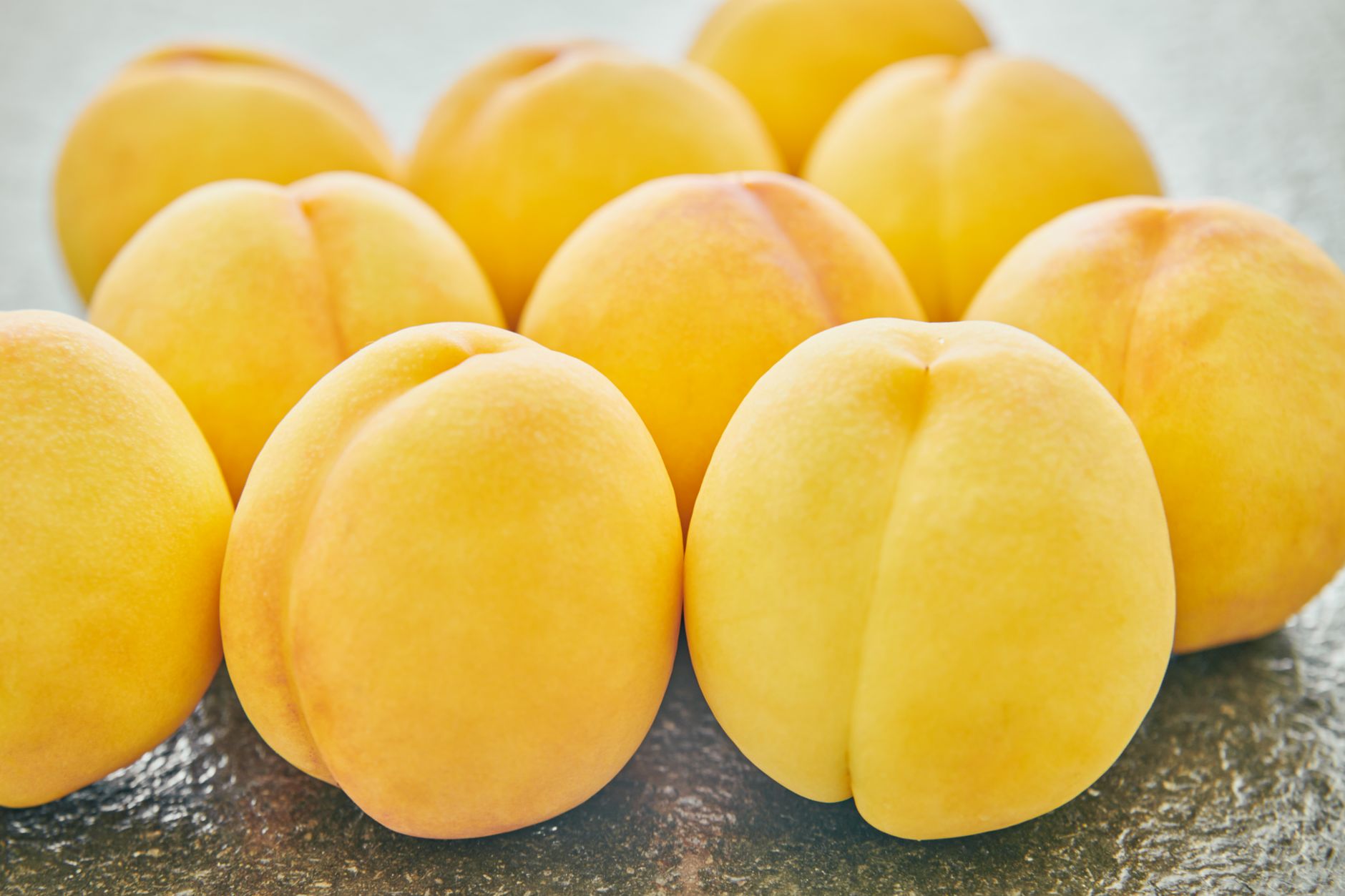
Pick peaches that are fragrant and slightly soft to the touch but not mushy. Yellow peaches work beautifully because their natural sweetness intensifies when grilled. When selecting wine, aim for something balanced and not too sweet—think Pinot Noir for red or Sauvignon Blanc for white. Freshness is key since both fruit and wine flavors shine through in this simple recipe.
Step-by-Step Instructions
1. Prepare the Peaches (5 minutes)
Wash peaches thoroughly. Slice each peach in half lengthwise, then gently remove the pit without damaging the flesh.
2. Preheat the Grill (5 minutes)
Heat your grill or grill pan to medium-high, about 375°F (190°C). Ensure grates are clean and lightly oiled to prevent sticking.
3. Grill the Peaches (4 minutes)
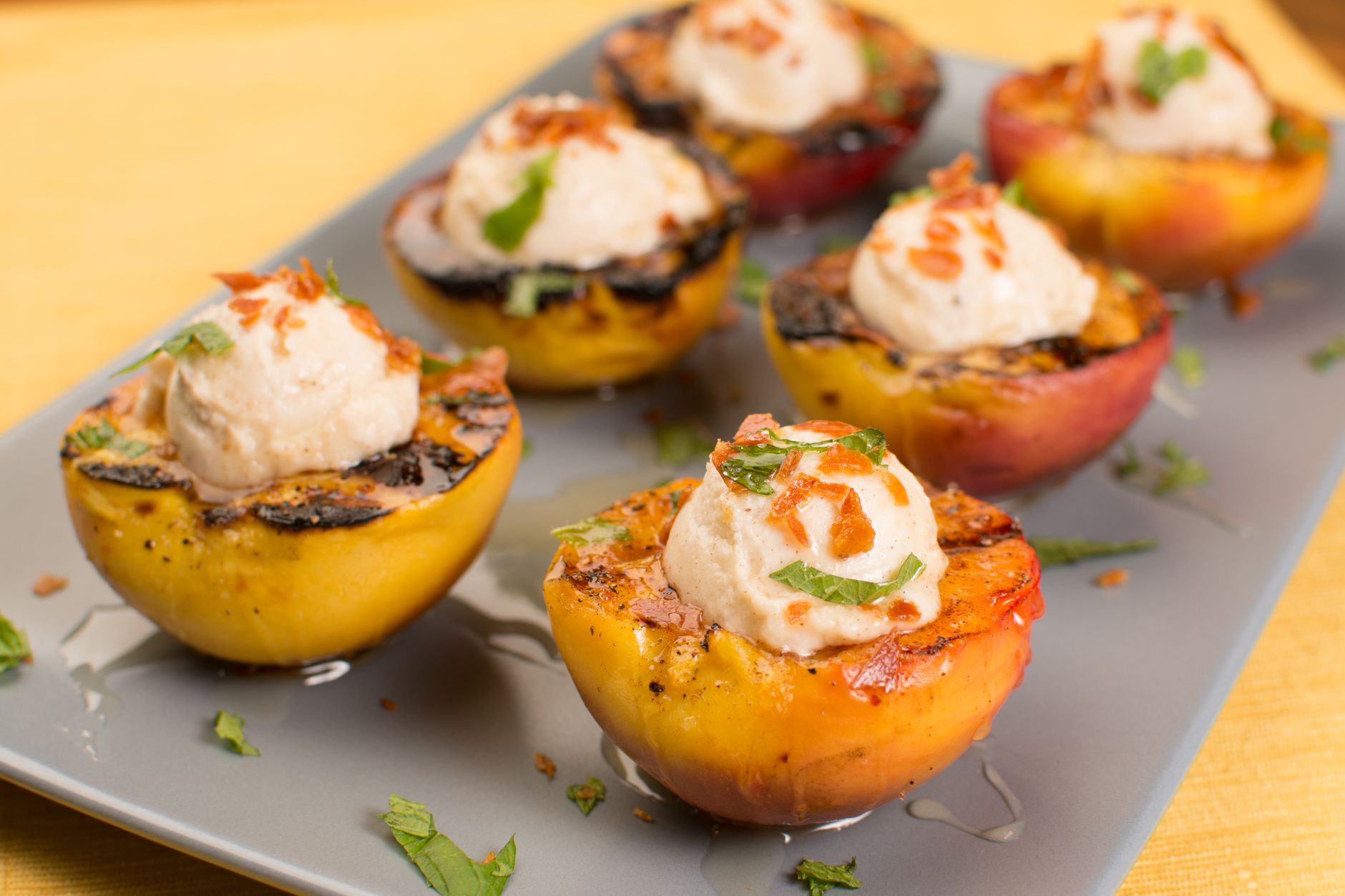
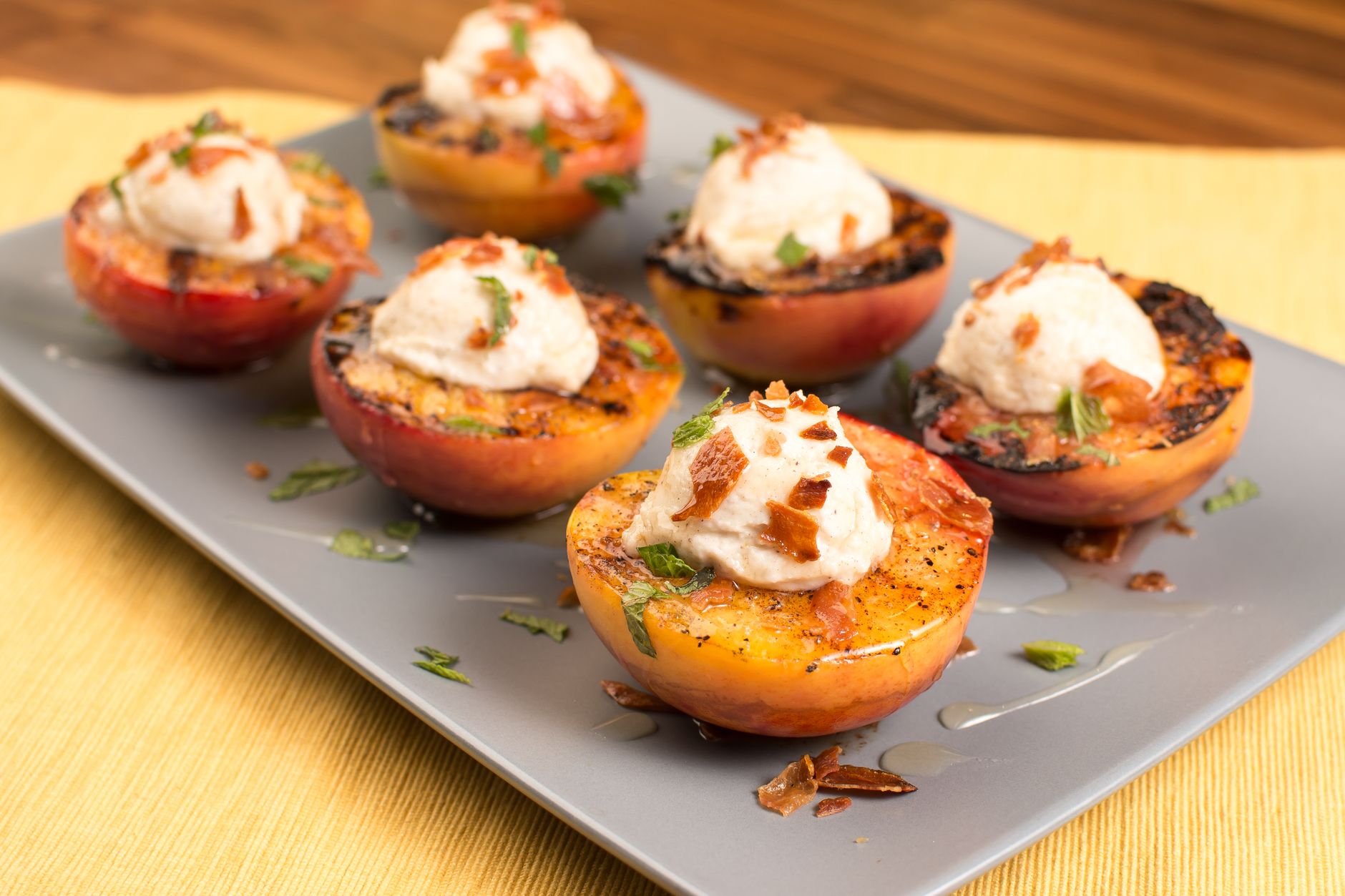
Place peach halves cut-side down on the grill. Let them cook for 3 to 4 minutes without moving until golden grill marks appear and caramelization starts. Flip if needed briefly to soften the skin side.
4. Slice and Serve in Wine
Remove peaches from the grill and let cool slightly. Slice each half into wedges. Pour a glass of chilled red or white wine and gently place the peach wedges inside to soak and release flavor.
5. Optional Garnish
Drizzle peaches with honey or sprinkle cinnamon for extra sweetness and aroma. Fresh mint leaves add a bright herbal note that complements the smoky fruit.
Variations & Substitutions
- Fruit Substitution: Try grilled nectarines or plums for similar sweetness and texture.
- Wine Choice: Swap red or white wine for sparkling wine or even rosé for a fun twist.
- Sweetener Options: Use maple syrup or agave nectar instead of honey for a different nuance of sweetness.
- Dairy Addition: Add a scoop of vanilla ice cream or dollop of mascarpone for a creamy contrast.
Storage & Shelf Life
If you have leftovers, store grilled peaches separately from the wine in an airtight container in the refrigerator. Consume within 2 days for best texture and flavor. Wine-soaked peaches may become mushy over time.
This dessert isn’t ideal for freezing because the fruit softens too much after thawing. If you notice off smells, sliminess, or mold, discard the peaches immediately.
Pro Tips
- Ensure peaches are ripe but firm enough to hold shape on the grill.
- Brush grill grates with oil to prevent sticking and tearing of the fruit skin.
- Grill peaches with cut side down only; flipping too early can tear the flesh.
- Serve peaches warm or room temperature — cold peaches can mute the flavors.
- If staining is a concern, work carefully with red wine, as it can leave marks on surfaces and clothes.
When is the best time to eat Grilled Peaches in Wine Recipe?
Grilled peaches in wine are best enjoyed during late summer and early fall when peaches are at their peak sweetness. They make a perfect light dessert after a barbecue or a refreshing treat on warm evenings.
Can I use canned peaches instead of fresh?
Fresh peaches are ideal for grilling because they hold their shape and caramelize well. Canned peaches are usually too soft and won’t develop the same texture or smoky taste.
Is this dessert suitable for kids?
This recipe includes wine, so it’s best for adults. You can make a kid-friendly version by substituting wine with grape juice or a lightly sweetened iced tea.
Can I prepare this recipe without a grill?
Yes, an indoor grill pan works well. You can even roast peaches in a hot oven or broiler, but the grill adds a unique smoky char that enhances the flavor.
How do I prevent peaches from sticking to the grill?
Make sure your grill grates are clean and lightly oiled before heating. Avoid moving the peaches too soon; wait for natural caramelization to release them.
What type of wine pairs best for soaking peaches?
Dry or semi-dry wines like Pinot Noir or Sauvignon Blanc highlight the peaches’ sweetness without overpowering them. Avoid overly sweet wines, which can make the dessert cloying.
Can I add spices for more flavor?
Yes, sprinkling cinnamon or nutmeg before grilling adds warmth and aroma. Fresh herbs like mint or basil can also brighten the final dish.
How should I serve grilled peaches in wine?
Serve the peaches in glasses or small bowls filled with wine. Add garnishes like mint or a light drizzle of honey for a beautiful presentation and balanced flavor.
More Recipes You Will Love
If you enjoy grilled fruit, try this recipe’s smoky sweetness alongside the delicate flavors of a Finnish blueberry pie ingredients collection. The tart blueberries offer a refreshing contrast to the warm peaches.
For a crunchy accompaniment, the buttery texture of rosemary cornmeal shortbread pairs beautifully with grilled peaches, enhancing the flavor balance with its herbaceous notes.
Conclusion
Grilled peaches in wine are an effortlessly elegant dessert to elevate any meal. The caramelized fruit and subtly infused wine create a harmony of flavors that’s both comforting and refined. This grilled peaches in wine recipe is quick to prepare and brings a burst of summer sweetness to your table. Feel free to share your twists or experiences in the comments below — your feedback helps everyone enjoy this delightful treat even more!
FAQs
When is the best time to eat Grilled Peaches In Wine Recipe?
The best time to enjoy Grilled Peaches In Wine Recipe is during summer when peaches are in season and naturally sweet. It also makes a lovely dessert for warm-weather gatherings or romantic dinners any time when fresh fruit is desired.
Can I use any type of wine for grilled peaches?
You can use either red or white wine, but dry or semi-dry varieties like Pinot Noir or Sauvignon Blanc work best. Avoid overly sweet wines to maintain balance with the natural peach sweetness and smoky grill flavor.
Are there any dietary restrictions to consider with this recipe?
This dessert is vegetarian and gluten-free, but it contains alcohol. Avoid it if you are pregnant or have medication that interacts with alcohol. Also, those allergic to stone fruits should not consume this recipe.
How do I prevent peaches from sticking to the grill?
Make sure your grill grates are clean and lightly oiled before grilling. This helps prevent sticking and keeps the peach halves intact while caramelizing and developing beautiful grill marks.
Can I substitute other fruits for peaches in this recipe?
Yes, grilled nectarines or plums make excellent alternatives. They offer similar sweetness and texture, pairing well with wine and creating a deliciously grilled fruit dessert.