Why Grilled Fish Tacos With Vera Cruz Salsa Recipe
The fish hits the grill with a smoky ancho aroma, while the salsa brings bright tomatoes, briny olives, and a gentle jalapeño heat.
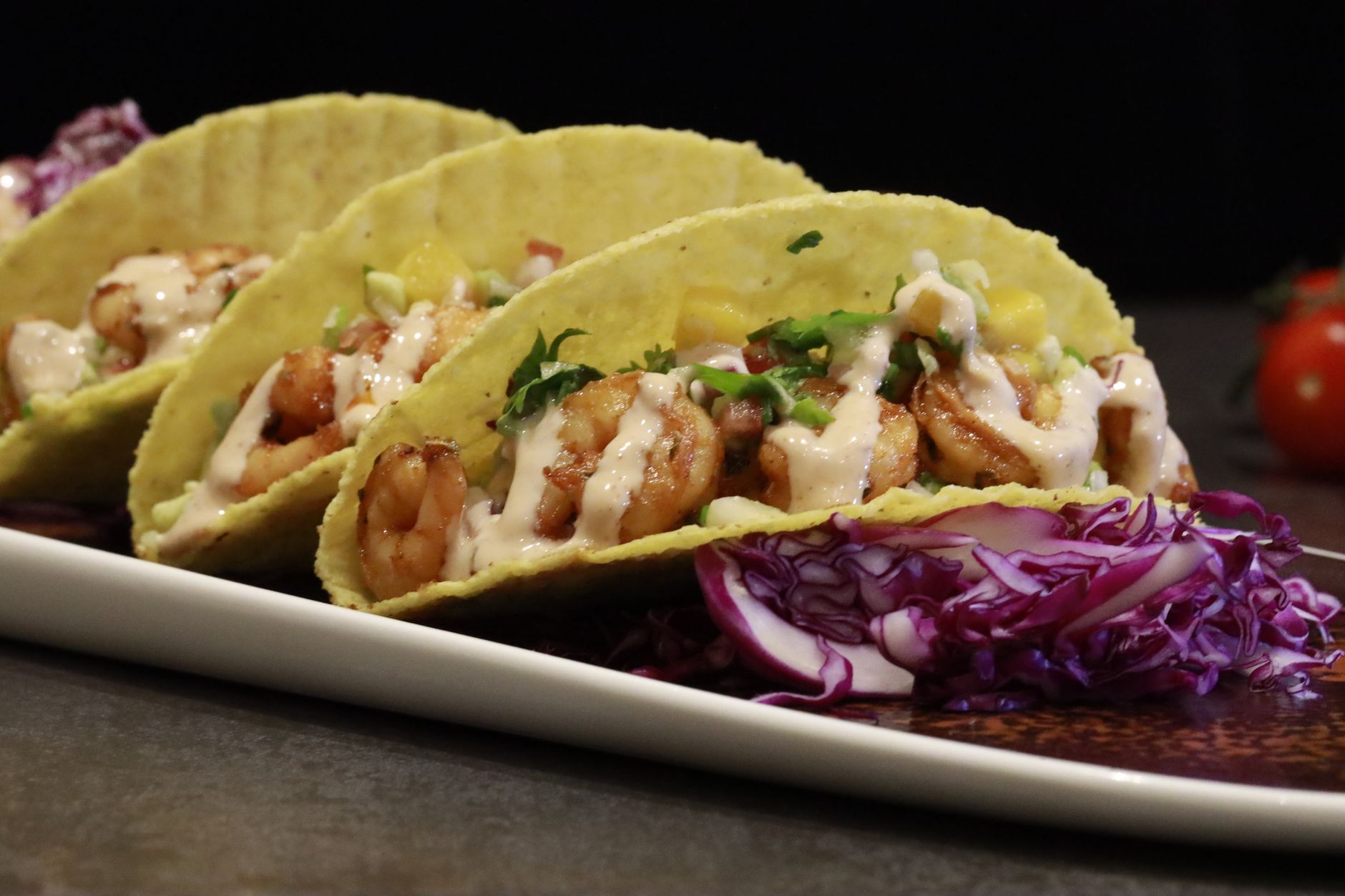
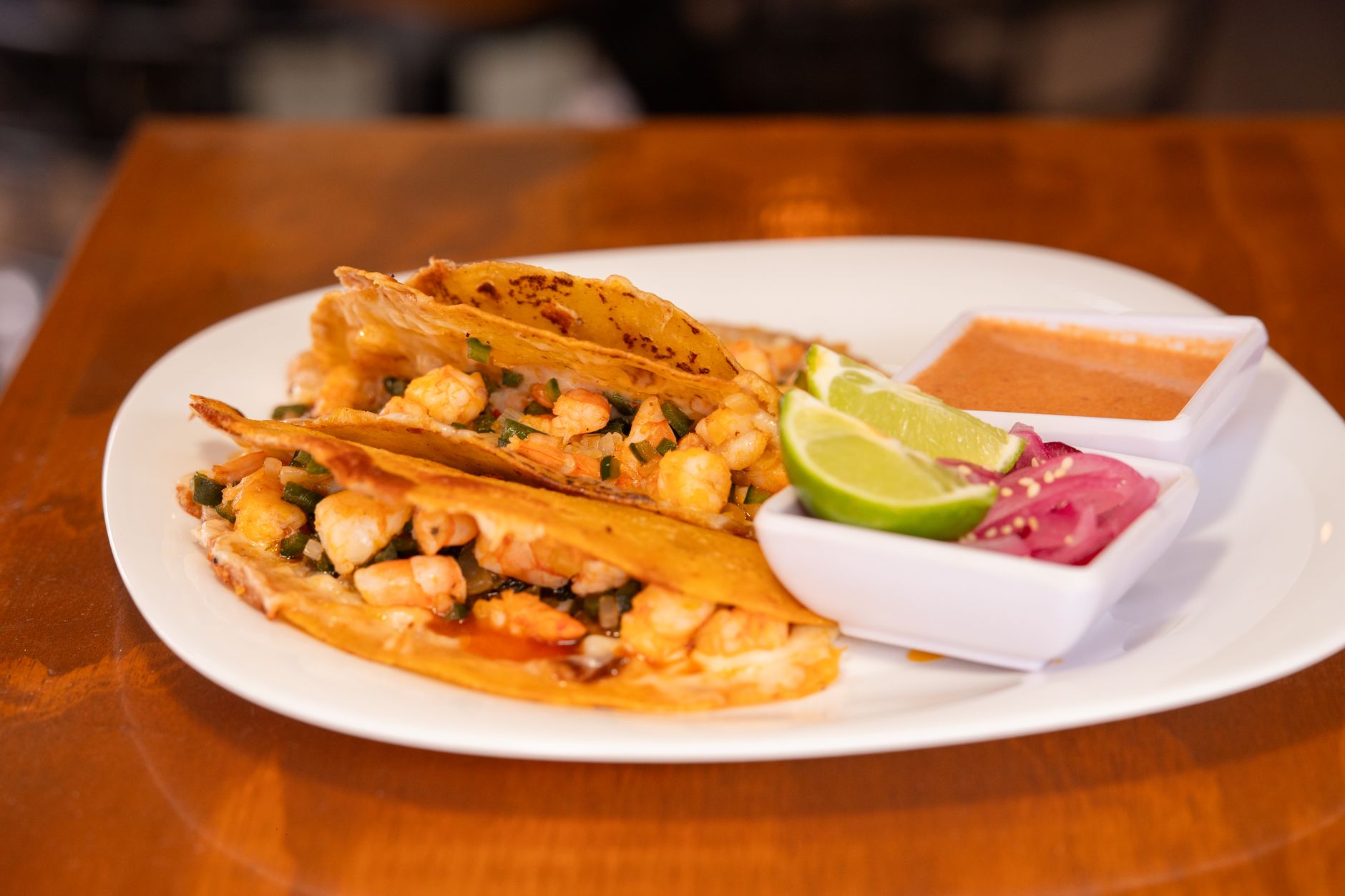
Grilled fish tacos with Vera Cruz salsa combine lightly spiced halibut, warm corn tortillas, crunchy cabbage, and a tangy tomato salsa. The fish cooks quickly over high heat, while olives, capers, lime, and oregano give the salsa its distinctive Veracruz-style character. It is a fresh, satisfying Mexican-inspired meal for four people.
I like this recipe because the toppings can be prepared while the grill heats. The finished tacos feel colorful and generous without requiring a heavy sauce or complicated cooking technique.
Health Benefits & Nutrition
Halibut provides lean protein and is naturally mild, so it works well with bold seasonings. It also supplies nutrients such as vitamin B12 and selenium. The exact nutrition depends on the fish, tortillas, oil, and serving size.
- Lean protein: Fish helps make the tacos filling without relying on a large amount of cheese or creamy dressing.
- Vegetable variety: Tomatoes, cabbage, jalapeños, onion, and cilantro add color, crunch, and a range of naturally occurring vitamins and minerals.
- Useful fats: Olive oil contributes unsaturated fat, while a measured amount keeps the salsa flavorful without making it oily.
- Moderate portions: Serving three tacos with cabbage and salsa gives you a balanced plate with protein, vegetables, and corn tortillas.
This recipe contains fish, so it is not suitable for people with fish allergies. Olives and capers also add considerable salt. If you need to limit sodium, rinse the capers and use fewer olives. Anyone with a medical condition, food allergy, or specific dietary requirement should ask a qualified doctor or dietitian for individual advice.
Each serving contains approximately 520 calories, 39 grams of protein, 46 grams of carbohydrates, and 21 grams of fat. These figures are estimates, not laboratory measurements.
Ingredients & Preparation
Recipe Card
| Prep time | 15 minutes |
|---|---|
| Cook time | 20 minutes |
| Total time | 35 minutes |
| Servings | 4 servings |
| Calories | Approximately 520 per serving |
| Diet tags | Pescatarian, dairy-free |
Full Ingredient List
- 1 1/2 pounds halibut fillet, cut into 4 portions
- 2 tablespoons ancho chile powder
- 1 1/2 teaspoons kosher salt, divided
- 1/2 teaspoon freshly ground black pepper, divided
- 3 tablespoons olive oil, divided
- Juice of 1/2 lime
- 1/2 head Napa or white cabbage, finely shredded
- 1/2 cup loosely chopped fresh cilantro, divided
- 12 white or yellow corn tortillas
- 3 large plum tomatoes, cored and halved
- 2 jalapeños, stems removed
- 1 tablespoon canola oil, for grilling the tomatoes and jalapeños
- 1 small red onion, finely diced
- 1 cup pitted Manzanilla olives, halved
- 1 tablespoon capers, drained
- 1/4 cup extra-virgin Spanish olive oil
- 3 tablespoons red wine vinegar
- 1 teaspoon dried Mexican oregano
- Juice of 1/2 lime, for the salsa
Equipment Needed
- Gas or charcoal grill
- Grill basket or grill-safe tray for the vegetables
- Small and medium mixing bowls
- Long-handled tongs
- Fish spatula
- Instant-read thermometer
- Cutting board and sharp knife
Tips for Choosing Quality Ingredients
Choose halibut portions with firm, moist flesh and a clean, mild smell. Thick pieces are easier to grill than thin ends because they stay juicy while the outside develops color. Fresh or frozen halibut both work; thaw frozen fish completely in the refrigerator and pat it very dry before seasoning.
Look for ripe but firm plum tomatoes. They should give slightly when pressed, not feel soft or watery. Manzanilla olives provide a clean, briny flavor, but avoid olives packed with strong herbs if you want the salsa to taste balanced.
Small to medium jalapeños usually provide manageable heat. For milder salsa, remove the inner ribs and seeds after grilling. Use fresh corn tortillas with a flexible texture. Brittle tortillas tend to split when filled.
For another salsa option with a deeper chile flavor, you can also try this Chile de arbol salsa red salsa recipe2 1969126.
Step-by-Step Instructions
1. Prepare the salsa vegetables — 8 minutes over high heat
Heat the grill to high, about 450°F to 500°F. Toss the tomato halves and jalapeños with the canola oil and 1/4 teaspoon of the salt. Grill them cut-side down for 3 to 4 minutes, then turn and cook for 2 to 3 minutes more. The tomatoes are ready when the edges show dark grill marks and the skins begin to blister. The jalapeños should have blackened patches and smell smoky.
2. Mix and season the Vera Cruz salsa — 5 minutes at room temperature
Cool the grilled vegetables for 3 minutes. Dice the tomatoes and jalapeños, then place them in a bowl with the red onion, olives, capers, extra-virgin olive oil, red wine vinegar, 1/4 cup of the cilantro, Mexican oregano, lime juice, 1/2 teaspoon salt, and 1/4 teaspoon pepper. Stir gently and rest the salsa at room temperature for 5 minutes so the flavors mingle.
3. Season the fish and cabbage — 5 minutes
Pat the halibut dry. Rub it with the ancho chile powder, 1 tablespoon of the olive oil, the remaining 3/4 teaspoon salt, and the remaining 1/4 teaspoon pepper. Toss the shredded cabbage with the lime juice, the remaining 1 tablespoon olive oil, and the remaining 1/4 cup cilantro. Keep the cabbage chilled while the fish cooks.
4. Grill the halibut — 8 to 10 minutes at 400°F to 450°F
Reduce the grill to medium-high, about 400°F to 450°F, and oil the grates. Grill the halibut for 4 to 5 minutes on the first side, then turn it carefully with a fish spatula and cook for another 3 to 5 minutes. The fish is done when it flakes into moist layers and reaches 145°F at the thickest point. The first time I made this, I turned the fish too early and left a layer on the grate; waiting until the edges turned opaque made the second side release cleanly.
5. Warm the tortillas and assemble — 2 minutes over medium heat
Place the tortillas on the grill for 20 to 30 seconds per side, just until warm and flexible. Break the halibut into large pieces. Fill each tortilla with cabbage, fish, and Vera Cruz salsa, then serve immediately while the tortillas are soft and the fish is still juicy.

Variations & Substitutions
- Use another firm white fish: Substitute cod, mahi-mahi, or haddock in a one-to-one amount. Choose portions about 1 inch thick and cook until the center reaches 145°F.
- Make the tacos milder: Replace the two jalapeños with one seeded jalapeño. For very low heat, use half a green bell pepper and add 1/4 teaspoon smoked paprika for a little depth.
- Try shrimp: Replace the halibut with 1 1/2 pounds peeled, deveined shrimp. Toss with the same ancho seasoning and grill for about 2 minutes per side, until opaque and curled.
- Choose flour tortillas: Use 8 small flour tortillas instead of 12 corn tortillas. Warm them for 15 to 20 seconds per side, since flour tortillas soften faster.
- Add a creamy topping: Stir 1/2 cup plain Greek yogurt with 1 tablespoon lime juice and a pinch of salt. Add about 1 tablespoon to each taco, keeping the salsa amount unchanged.
- Make it dairy-free and gluten-free: The listed corn tortillas are naturally dairy-free and are generally gluten-free, but check the package if cross-contact is a concern.
Storage & Shelf Life
Store leftover fish, cabbage, salsa, and tortillas separately in airtight containers. Refrigerate everything within 2 hours of cooking. The cooked fish keeps for up to 3 days in the refrigerator, while the salsa is best within 2 days because the tomatoes gradually release liquid.
The dressed cabbage is crispest on the first day but can be refrigerated for 1 day. Warm tortillas just before serving. Reheat the fish in a covered skillet over low heat for 3 to 5 minutes, or microwave it in short 20-second intervals. Avoid high heat, which dries the halibut.
Freeze the cooked fish without cabbage or salsa for up to 2 months. Wrap individual portions tightly, place them in a freezer bag, and thaw overnight in the refrigerator. Reheat gently until hot throughout. Do not freeze the fresh salsa; the tomatoes and cabbage become soft and watery.
Discard leftovers with a sour or unpleasant smell, slimy fish, unusually sticky surfaces, mold, or bubbling salsa that was not intentionally fermented. When in doubt, throw it out.
Pro Tips
Drying the fish is one of the most useful steps. Surface moisture creates steam and prevents the ancho seasoning from adhering evenly. Pat both sides with paper towels immediately before oiling and seasoning.
Preheat the grill for at least 10 minutes, then clean the grates. A hot, clean surface gives the fish a better crust and reduces sticking. Lightly oil the grates rather than flooding them with oil; excess oil can cause flare-ups.
Keep the tomato pieces fairly chunky when chopping. Very small dice turns the salsa watery quickly. I found that letting the grilled tomatoes cool before cutting also preserves their juices better and makes them easier to handle.
Balance the salsa after it rests. The olives and capers add salt, the vinegar adds sharpness, and the lime adds freshness. If the mixture tastes too intense, add a few more diced tomatoes. If it tastes flat, add lime juice in 1/2-teaspoon increments.
Warm tortillas in small batches and stack them in a clean towel. This traps enough steam to keep them pliable without making them wet. Fill each tortilla just before eating so the salsa does not soak through the corn.
Questions & Answers
When is the best time to eat Grilled Fish Tacos With Vera Cruz Salsa Recipe?
The best time to eat these tacos is immediately after grilling, while the fish is moist and the tortillas are warm. Serve the salsa at room temperature so its tomato, olive, and lime flavors remain clear. For an easy dinner, prepare the salsa and cabbage first, then grill the fish just before serving.
Can I make the Vera Cruz salsa ahead of time?
Yes, you can make the salsa up to 2 days ahead and refrigerate it in a covered container. Let it sit at room temperature for about 15 minutes before serving. Stir gently and taste again, since the olives and capers become more prominent as the salsa rests.
How do I stop halibut from sticking to the grill?
To stop halibut from sticking, dry the fish, oil it lightly, preheat and clean the grates, and wait before turning it. The fish usually releases when the underside is opaque and lightly marked. If it resists, give it another 30 seconds rather than forcing the spatula underneath.
What can I use instead of halibut?
Cod, mahi-mahi, haddock, and firm pollock are suitable substitutes for halibut. Use the same weight and choose pieces of similar thickness. Cooking time may vary slightly, so check the thickest part with an instant-read thermometer and cook until it reaches 145°F.
How spicy are these fish tacos?
These fish tacos have mild to moderate heat, depending on the jalapeños. The ancho chile powder is earthy and smoky rather than sharply hot. For less heat, remove the jalapeño ribs and seeds, or replace one jalapeño with half a bell pepper.
Can I cook the fish without an outdoor grill?
Yes, cook the fish in a lightly oiled grill pan or heavy skillet over medium-high heat for about 4 to 5 minutes per side. Ventilate the kitchen because the ancho seasoning may smoke. The fish is ready when it flakes easily and reaches 145°F in the center.
How many tacos does this recipe make?
This recipe makes 12 small tacos, or three tacos per person for four servings. If you use larger tortillas, make eight generously filled tacos instead. Keep extra salsa and cabbage on the table so everyone can adjust the amount to taste.
More Recipes You Will Love
If you enjoy smoky seafood with bright toppings, keep this recipe in your weeknight rotation. The grilled halibut also works well over rice, inside lettuce cups, or alongside black beans when you want to change the presentation.
For a stronger chile flavor, try the Chile de arbol salsa red salsa recipe with grilled chicken, roasted vegetables, or tortilla chips. Its sharper heat makes a lively contrast with mild fish.
You can also revisit this Grilled fish tacos with vera cruz salsa recipe 2099182 when planning a taco night. Add sliced avocado, lime wedges, and a simple corn salad for a colorful spread.
Conclusion
Grilled Fish Tacos With Vera Cruz Salsa Recipe brings together smoky halibut, crisp cabbage, warm corn tortillas, and a bright salsa packed with tomatoes, olives, capers, and lime. Keep the grill hot, turn the fish only once, and assemble the tacos just before serving. The recipe is flexible enough for cod, shrimp, or milder peppers. If you make it, leave a rating or comment and share how you adapted the toppings.
FAQs
When is the best time to eat Grilled Fish Tacos With Vera Cruz Salsa Recipe?
Serve Grilled Fish Tacos With Vera Cruz Salsa Recipe right after the fish comes off the grill, while the tortillas are warm and the cabbage is crisp. This timing works well for lunch or a casual dinner with friends. The salsa can be prepared earlier in the day, but it tastes brightest when it rests for only 15 to 20 minutes before serving.
Can I substitute another fish for halibut in Grilled Fish Tacos With Vera Cruz Salsa Recipe?
Yes, firm white fish such as cod, mahi-mahi, or snapper works well in Grilled Fish Tacos With Vera Cruz Salsa Recipe. These fish hold together on the grill and take the ancho seasoning well. Thinner or delicate fillets may break apart, so cook them in a grill basket or on a well-oiled grill-safe tray and flip them carefully with a fish spatula.
How should I store leftover Vera Cruz salsa?
Store leftover Vera Cruz salsa in an airtight container in the refrigerator and use it within two to three days. Keep the salsa separate from the grilled fish and tortillas so the tortillas do not get soggy. Stir before serving, since the olive oil may separate slightly when chilled.
Why does grilled fish stick or dry out when making fish tacos?
Fish usually sticks or dries out when the grill is not hot and clean enough, or when it is cooked too long. Preheat the grill, clean and oil the grates, pat the halibut dry, and season it just before grilling. Cook over high heat, flip once when the fish releases easily, and check doneness with a thermometer, aiming for 145°F (63°C) as the USDA recommends for fish.
Can I make the Vera Cruz salsa ahead of time for fish tacos?
Yes, you can make the Vera Cruz salsa a few hours ahead, but keep it chilled until serving. Tomatoes and jalapeños soften as they sit, so the texture is best when it is made the same day. Shred the cabbage and warm the tortillas just before assembling the tacos so they stay crisp and soft.