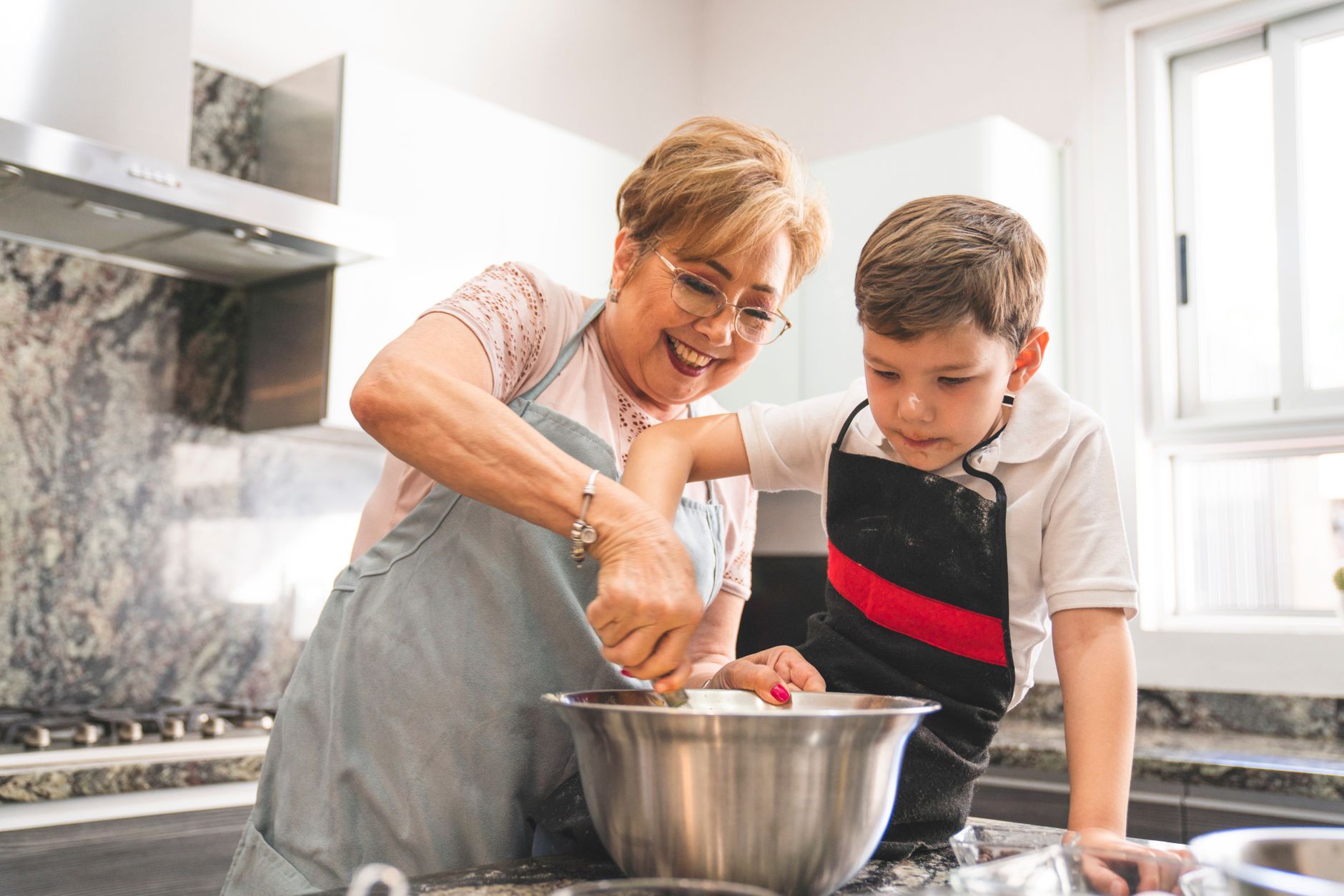
Few treats spark warmer memories than grandmas homemade ice cream recipe. That first creamy, melt-in-your-mouth scoop brings back the sweet aroma of old-fashioned kitchens and summer afternoons. This recipe blends simple ingredients into a rich custard base, delivering the kind of velvety texture store-bought just cant match. Whether you have a hand crank ice cream maker or want to try making homemade vanilla ice cream without machine help, this guide captures timeless flavors and techniques youll treasure.
Recipe Overview
| Prep time | Total time | Servings | Calories | Diet tags |
|---|---|---|---|---|
| 20 minutes | 4 hours 20 minutes (includes chilling) | 6 | 250 kcal per serving | Gluten-free, Vegetarian |
Why It Works
What Makes This Recipe Truly Old-Fashioned and Unique?
Grandmas homemade ice cream recipe shines because it combines a classic custard base with simple, fresh ingredients. The use of raw eggs, gently heated to create a silky custard, creates a depth and smoothness that instant mixes or no-egg alternatives often miss. Its a slice of nostalgia crafted over careful stagesfrom tempering egg yolks to patiently churning the mixture into golden, creamy perfection.
How Do Raw Eggs Contribute to Texture and Flavor?
Egg yolks are the unsung heroes in old fashioned homemade ice cream recipe with raw eggs. They act as natural emulsifiers, binding fat and water to produce a luscious, velvety mouthfeel while helping prevent ice crystals from forming. This custard base brings a rich, golden color and subtle egg aroma that gently rounds out the sweet vanilla notes.
Why Hand-Cranking Matters
Hand-cranking isnt just a charming nod to the pastit allows you total control over the freezing process. This slower, manual churning evenly incorporates tiny air bubbles that deliver lightness and fluffy creaminess. Its also a tactile experience that connects you with grandmas kitchen ritual, making the reward at the end even sweeter.
Ingredients Breakdown
| Ingredient | Quantity | Notes |
|---|---|---|
| Whole milk | 2 cups (480 ml) | Use fresh, full-fat milk |
| Heavy cream | 2 cups (480 ml) | For richness and smooth texture |
| Granulated sugar | 3/4 cup (150 g) | Adjust to taste |
| Egg yolks | 6 large | Room temperature; for custard base |
| Pure vanilla extract | 1 tablespoon | Use real vanilla for best flavor |
| Salt | Pinch | Enhances sweetness subtly |
Sourcing and Quality Tips for Dairy and Vanilla
Fresh dairy makes all the difference. Choose local or organic cream and milk when possiblethey offer freshest flavor and richer fat. For vanilla, pure extract or a scraped vanilla bean will elevate the aroma and aroma. Avoid artificial vanilla as it dulls the clean custard taste.
Substitutions to Consider
- Egg substitute: For an eggless version, try adding 1 tablespoon of cornstarch dissolved in milk to thickenbut texture will be less custardy.
- Sweeteners: Swap granulated sugar with honey or maple syrup in small amounts, but expect softer freeze times.
- Dairy-free: Coconut cream is a popular alternative, but may add coconut flavor and change mouthfeel.
Remember, if you choose to omit eggs, you wont have the same creamy custard effect that comes naturally with a raw egg base.
Preparing the Ice Cream
Preparing the Custard Base
Start by warming the milk, cream, and half the sugar in a heavy saucepan over medium heat. Heat until steaming with small bubbles around the edges (about 170F or 77C). Meanwhile, whisk the egg yolks with the remaining sugar until pale and thick.
Slowly pour about 1 cup of the hot milk mixture into the yolks while whisking constantly to temper the eggsthis prevents scrambling. Return the yolk-milk mixture to the saucepan, stirring gently. Cook over low heat, stirring continuously, until the custard thickens enough to coat the back of a spoon (around 175F or 80C). Avoid boiling.

Chilling and Mixing
Strain the custard through a fine-mesh sieve into a clean bowl to remove any lumps or cooked egg bits. Stir in the vanilla extract and a pinch of salt. Cover with plastic wrap pressed onto the surface to prevent a skin from forming. Refrigerate for at least 4 hours, preferably overnight. Cold base freezes better and churns smoother.
Using a Hand Crank Ice Cream Maker
Pour the chilled custard into your hand crank ice cream maker. Place the canister in the freezer bucket, packing ice and salt around it as per the makers instructions. Begin cranking at a steady paceabout one complete turn every 34 seconds. Continue for 30 to 40 minutes until the mixture thickens and resembles soft serve.
Making Ice Cream Without a Machine
If you dont have a churner, pour the custard into a shallow metal pan and place it in the freezer. Every 30 minutes, vigorously stir or whisk the edges and frozen parts to break up ice crystals. Repeat for 3 to 4 hours until creamy. This methods slower texture wont be as smooth, but is still delicious.
Common Pitfalls
- Dont overheat eggs: Above 180F, eggs scramble. Constant stirring and thermometer use help avoid this.
- Not chilling well: Warm base creates large ice crystals and iciness.
- Overpacking salt and ice: Use salt sparingly; too much can freeze the base too hard.
- Uneven cranking speed causes inconsistent texturekeep a smooth pace.
Variations and Substitutions
Egg-Free Hand Crank Ice Cream
Replace egg yolks with 2 tablespoons cornstarch dissolved in cold milk added to your warmed dairy. Cook until thick enough to coat the spoon. This yields a custard-like creaminess without eggs but may freeze slightly harder.
Vegan or Dairy-Free Adaptations
Using coconut milk and coconut cream creates a luscious, dairy-free base. Add 1 tablespoon tapioca starch to help improve texture. Vanilla flavor pairs beautifully with coconuts natural sweetness.
Low-Carb and Sugar-Free Versions
Swap sugar with erythritol or monk fruit sweetener, monitoring sweetness carefully. Because sugar affects freezing point, these recipes often freeze firmer; consider softening by letting ice cream sit 5 minutes before scooping.
For a detailed guide on eggs role in old-fashioned ice cream, check out this old fashioned homemade ice cream recipe with raw eggs for extra tips and tricks.
Serving Suggestions
Classic Pairings
Spoon grandmas vanilla ice cream over warm apple pie or berry cobbler for that perfect summer harmony. The creamy cold and hot fruity balance make every bite unforgettable.
Homemade Sauces and Toppings
- Drizzle homemade caramel or chocolate sauce.
- Add crushed toasted nuts or granola for crunch.
- Fresh berries or sliced bananas add bright, juicy contrast.
- A sprinkle of cinnamon or freshly grated nutmeg enhances warmth.
Creative Serving Ideas
Try serving scoops inside waffle cones lined with chocolate, or paired with tangy sorbets for a contrast. Ice cream sandwiches with soft cookies make nostalgic handheld treats perfect for celebrations or casual snacks.

Storage and Make-Ahead Tips
- Store ice cream in airtight, freezer-safe containers to prevent freezer burn.
- Keep at constant 0F (-18C) or colder for best texture; avoid frequent temperature changes.
- Use within 2 weeks for peak flavor and creaminess.
- To re-soften, transfer ice cream from freezer to refrigerator for 15 minutes before scooping. Avoid microwaving, which can melt unevenly.
- Label containers with date made to track freshness.
Troubleshooting and Pro Tips
What If the Ice Cream Is Icy or Grainy?
Icy texture usually means large ice crystals formedoften due to insufficient churning or warm custard going into the freezer. Always chill your base overnight, and stir frequently if freezing without a machine. Adding a tablespoon of alcohol (like vodka) can help inhibit crystal hardening but use sparingly.
Why Might It Be Too Soft or Too Hard?
Too soft ice cream means not enough fat or sugar to lower freezing point. Conversely, too hard may mean too much sugar or insufficient air incorporation. Balance cream to milk ratio around 50/50 and measure sugar accurately. Slow, steady churning incorporates the right amount of air.
Handling Raw Eggs Safely
Using pasteurized eggs or heating the custard base to 170175F ensures safer consumption while preserving creamy texture. Avoid raw eggs unheated, especially for kids or vulnerable adults.
Tips for Smooth Churning
Maintain steady cranking speed for consistent air incorporation. Regularly pack salt and crushed ice around freezing canister to keep temperature steady. Warm hands can make cranking tiresomeconsider wearing gloves or taking short breaks.
Enhancing Vanilla Flavor
For deeper aroma, split and scrape a vanilla bean into the milk mixture before heating; strain before chilling. This boosts earthy, floral notes beyond extract alone.
When is the Best Time to Eat Grandma‘s Homemade Ice Cream Recipe?
The best time is right after churning when the ice cream is soft and scoopable, offering its creamiest texture. Alternatively, let it harden overnight for firmer slices. Serve it on a warm day or as a soothing dessert after meals to fully enjoy its nostalgic richness.
Can I Make This Ice Cream Without Eggs, and How Will It Change?
Yes, you can omit eggs by thickening your base with cornstarch or a simpler custard substitute. However, expect a lighter texture lacking the full creaminess and custard flavor eggs provide. Ice crystals may form more easily as well.
What‘s the Difference Between Hand Crank and Electric Ice Cream Makers?
Hand crank models require manual effort to slowly churn and aerate the ice cream, fostering connection to the process and often yielding denser ice cream. Electric machines automate churning, saving time and energy, usually creating lighter texture with less muscle needed.
How Long Does Homemade Ice Cream Last in the Freezer?
Homemade ice cream stays best for about 2 weeks when stored properly in airtight containers at constant freezer temperatures (0F or below). Beyond that, flavor and texture diminish due to freezer burn and ice crystal growth.
Can I Double the Recipe, and Does It Affect Freezing Time?
Doubling the recipe works fine but expect longer freezing and churning timesup to 60 minutes or more. Make sure your ice cream maker can accommodate the larger batch, and always chill the mixture well before freezing.
Is It Safe to Eat Raw Eggs in This Old-Fashioned Ice Cream?
Traditional recipes used raw eggs cautiously, but today, its safer to use pasteurized eggs or heat the custard to at least 170F to eliminate pathogens. This method keeps the classic texture without health risks.
More Recipes You‘ll Enjoy
Try a spicy twist on creamy comfort with Gochujang pasta coconut milk for a savory-sweet dinner night. If you love bold condiments, the Ssamjang sauce for samgyupsal is a must-try for your BBQ gatherings.

Conclusion
Making grandma‘s homemade ice cream recipe reconnects you to simple pleasures and flavors that never go out of style. Its creamy texture and cozy notes make it perfect for any occasion. Try it out in your kitchen, share your experience, or explore variations for your perfect scoop.
FAQs
When is the best time to eat grandma's homemade ice cream recipe?
The best time to enjoy grandma's homemade ice cream recipe is right after churning when it's soft and creamy. Alternatively, let it freeze overnight for a firmer texture. It's perfect on a warm day or as a comforting dessert after meals to savor its nostalgic richness.
Can I make grandma's homemade ice cream recipe without eggs, and how will it change?
Yes, you can omit eggs by thickening the base with cornstarch or similar substitutes. However, expect a lighter texture without the custardy creaminess that eggs provide, and the ice cream may freeze slightly harder with more ice crystals.
What is the advantage of using a hand crank ice cream maker?
Hand cranking allows you to control the churning speed, incorporating air slowly for a dense, creamy texture. It also offers a nostalgic, tactile experience connecting you with traditional ice cream making rituals.
How should I store homemade ice cream to maintain its quality?
Store ice cream in airtight, freezer-safe containers at 0°F (-18°C) or colder. Avoid frequent temperature changes and consume within two weeks for best flavor and texture. To soften, move it to the refrigerator for 15 minutes before scooping.
How can I ensure the custard base is safe when using raw eggs?
Use pasteurized eggs or cook the custard base gently to 170–175°F (77–80°C) to eliminate pathogens. This method preserves the traditional creamy texture while ensuring food safety.