Looking for the perfect gochujang sauce ingredients? Youll need a few key components gochujang paste, rice vinegar, sesame oil, and a sweetener and a dash of your favorite aromatics. Adjust the ratios, add a little garlic or ginger, and youve got a versatile sauce that can spice up anything from dumplings to pasta.
Dont worry if youve never mixed a Korean condiment before. This guide walks you through the basics, the health angles, a quickmix recipe, and several tasty ways to use the sauce in everyday meals. Grab a bowl, and lets dive in together.
Core Ingredients
What is gochujang paste?
Gochujang paste is the heart of the sauce. Its a fermented blend of glutinous rice, soybeans, salt, and Korean red chili powder (gochugaru). The fermentation gives it that deep umami, a hint of sweetness, and a subtle tang. When you shop, look for reputable brands like Sempio or Chung Jung One they have consistent flavor and quality.
Rice vinegar bright acidity
Rice vinegar adds a gentle sparkle that balances the pastes richness. Its milder than apple cider vinegar, letting the chili notes shine without overwhelming the palate. If you run out, a splash of white wine vinegar works as a substitute, but keep the amount low to avoid sharpness.
Sesame oil nutty depth
Just a drizzle of toasted sesame oil gives the sauce a warm, nutty backbone. Light sesame oil is fine for cooking, but toasted oil adds that signature aroma. Remember, a little goes a long way too much can make the sauce taste bitter.
Sweeteners balance the heat
Traditional recipes use a touch of sugar, but you can swap in maple syrup, honey, or even a lowcalorie alternative like erythritol. The sweetener rounds out the spice and ties the flavors together. Experiment: maple syrup lends a caramel note, while honey adds floral brightness.
Optional boosters
- Garlic (fresh minced or powder) for pungent warmth.
- Ginger fresh grated adds a zingy freshness.
- Green onion thinly sliced for color and mild sharpness.
- Soy sauce or tamari a splash deepens the umami and can lower the salt dose from the paste.
- Gochugaru extra chili flakes if you like it extra fiery.
Benefits & Risks
Health perks of fermented gochujang
The fermentation process creates probiotics that support gut health, while the capsaicin in chili peppers can boost metabolism and reduce inflammation. A recent study found that regularly consuming fermented foods like gochujang may improve digestive balance.
Potential allergens & sodium
Gochujang contains soy and wheat, so people with allergies should look for glutenfree versions. The paste is also salty; if youre watching sodium, dilute the finished sauce with a little water or lowsodium soy sauce, and taste before adding extra salt.
Sugar & calorie watch
Traditional gochujang can be sweet, which raises the glycemic load. Switching to a natural sweetener like maple syrup reduces refined sugar, but portion control still matters. For diabeticfriendly versions, try using a zerocalorie sweetener and balance with extra vinegar for tang.
Sesame oil oxidation
Sesame oil can oxidize if stored near heat or light. Keep your bottle in a dark pantry and use it within a few months. The oils healthful fats are worth protecting!
When to replace ingredients
Want a vegan version? Skip honey and use maple syrup or agave. Need a glutenfree sauce? Choose tamari instead of soy sauce and verify that the gochujang paste is labeled glutenfree. These swaps keep the flavor intact while catering to dietary needs.
Basic Recipe
5Ingredient gochujang sauce (30second prep)
| Ingredient | Amount |
|---|---|
| Gochujang paste | cup |
| Rice vinegar | 2 tbsp |
| Sesame oil | 1 tbsp |
| Maple syrup (or honey) | 1 tbsp |
| Garlic powder | tsp |
Whisk everything together in a small bowl until smooth. Taste and adjust a splash more vinegar if it feels too sweet, or a pinch of sugar if its too tangy. Thats it! Store the sauce in a clean jar, sealed, in the fridge for up to two weeks.
Customizable flavor boosts
- GarlicGinger: Add 1 minced garlic clove and tsp freshly grated ginger for an aromatic punch.
- SoyRich: Stir in 1 tbsp lowsodium soy sauce for deeper umami.
- SweetHeat: Mix in 1 tsp honey and tsp extra gochugaru for a honeyglazed kick.
Storing & shelf life
Keep the sauce refrigerated in an airtight container. It stays vibrant for about 14 days. If you want it longer, freeze in icecube trays; each cube is perfect for a single meal.
Troubleshooting common issues
Too thick? Add a teaspoon of water or extra rice vinegar, whisking gently.
Too salty? Dilute with a little more sweetener and vinegar the balance will shift back.
Everyday Uses
Gochujang dipping sauce
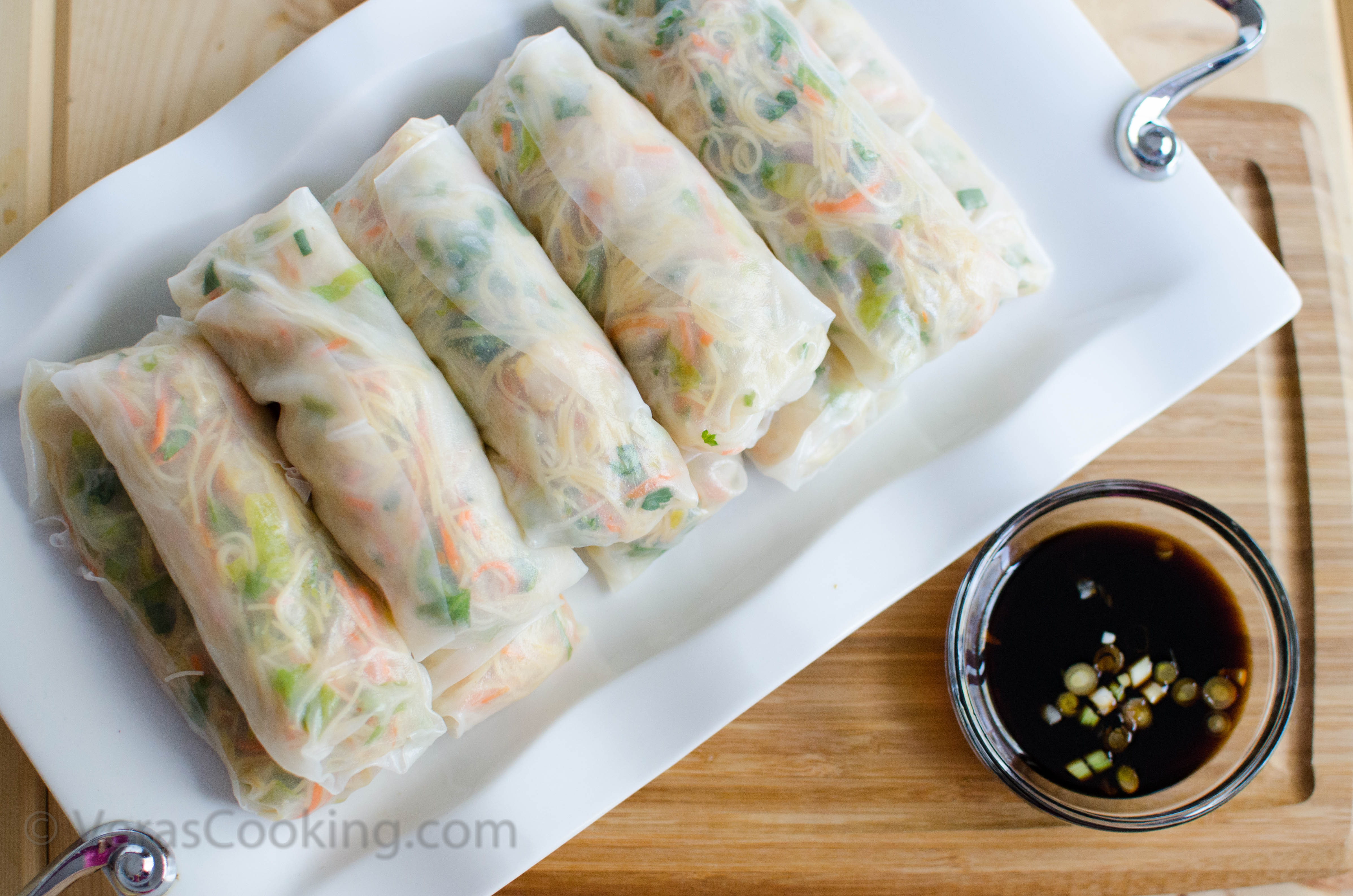
Thin the basic sauce with an extra tablespoon of rice vinegar and a splash of water. Serve with steamed dumplings, raw veggies, or crispy Korean pancakes. The result is a tangysweet dip that makes every bite pop.
Gochujang stirfry sauce
Mix your base sauce with cup chicken broth and 1 tsp cornstarch. Heat in a wok, toss in sliced chicken, beef, tofu, or your favorite veggies, and finish with a drizzle of sesame seeds. The sauce clings to the ingredients, creating a glossy, fingerlicking glaze.
Gochujang pasta sauce (fusion twist)
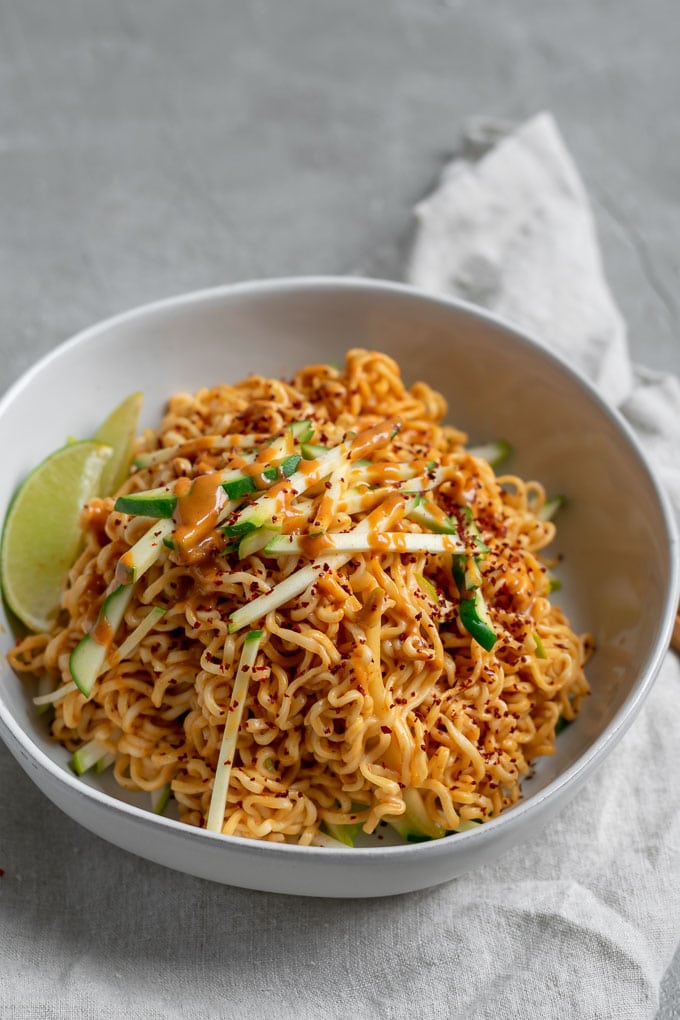
Swap the tomato base for a gochujang blend: whisk together 3 tbsp gochujang sauce, cup coconut milk, and a pinch of sugar. Toss with cooked spaghetti, top with chopped scallions, and you have a creamy, spicy pasta that surprises and satisfies.
Best gochujang sauce for bibimbap & Korean BBQ
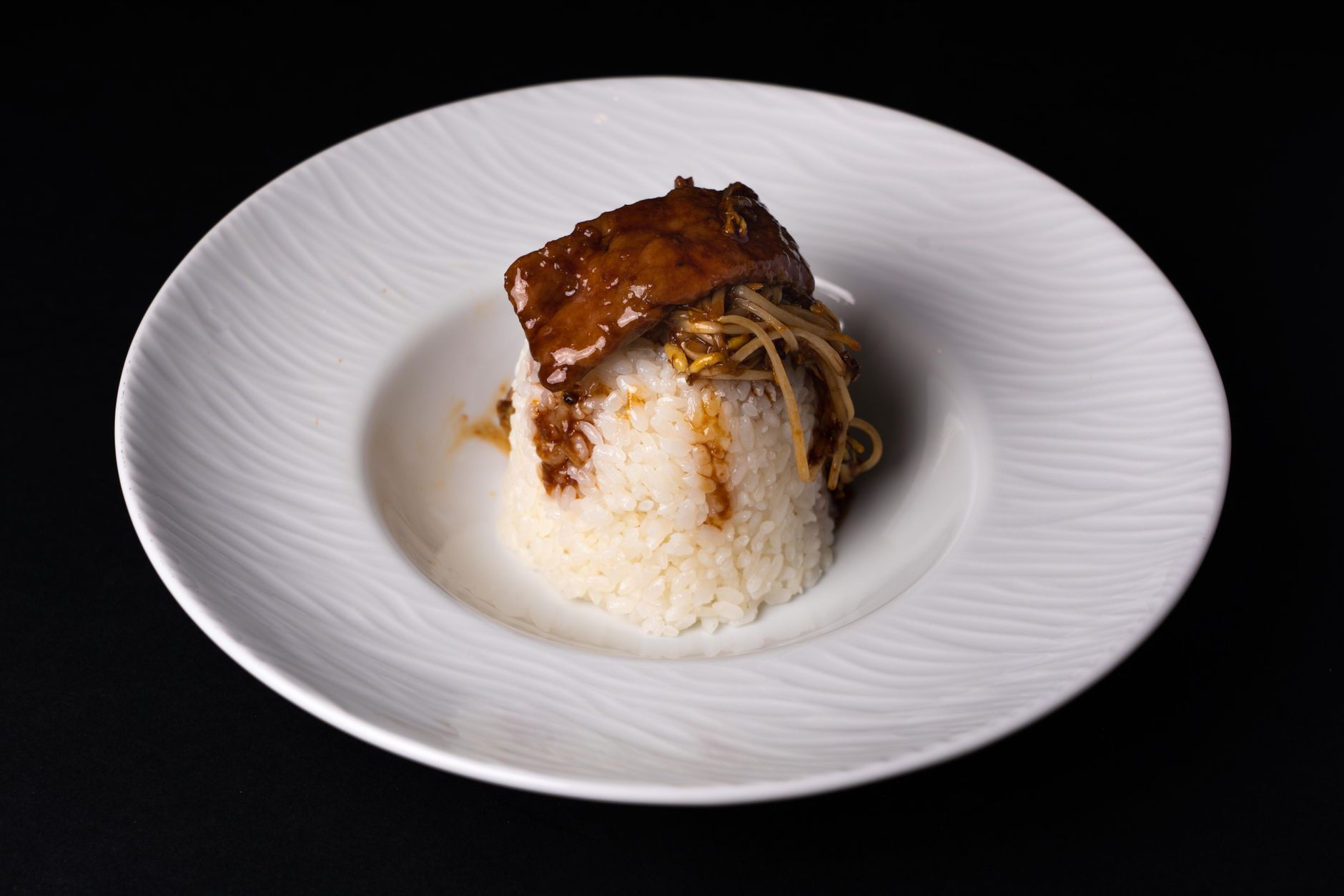
For bibimbap, keep the sauce a bit thinner so it spreads easily over rice and vegetables. For BBQ, a thicker version (less vinegar) clings to grilled meat, delivering that signature sticky sweetness.
Easy gochujang chicken recipe
Marinate 4 chicken thighs in cup gochujang sauce, 1 tbsp soy sauce, and 1 tsp minced garlic for 30 minutes. Bake at 200C (400F) for 2530 minutes, basting halfway. The result? Crispy, caramelglazed chicken thats ready in under an hour.
Tips & Tricks
Balancing flavor for your palate
If youre new to Korean heat, start with a half portion of the paste and add more gradually. Remember, you can always increase the spice, but you cant take it away once its in.
Creating the best gochujang sauce for you
Play with the sweetener: maple syrup for depth, honey for brightness, or a sugarfree alternative for lowcalorie meals. Adjust the vinegar: a splash more for a clean finish, less for a richer mouthfeel.
Storing smartly
Always use a clean spoon when scooping sauce out of the jar contamination shortens shelf life. If you notice any offsmell or mold, discard immediately; the sauces high salt content usually keeps it safe, but better safe than sorry.
Pairing ideas
Try the sauce on roasted sweet potatoes, grilled corn on the cob, or even as a glaze for salmon. Its sweetspicy profile works wonders on both vegetarian and meat dishes.
Quick reference table
| Ingredient | Role | Best Substitute |
|---|---|---|
| Gochujang paste | Base umami & heat | Homemade chilisoy blend |
| Rice vinegar | Acidity | White wine vinegar |
| Sesame oil | Nutty depth | Peanut oil (less aromatic) |
| Maple syrup | Sweetness | Honey or agave |
| Garlic | Aromatic | Garlic powder |
Conclusion
Now you know the essential gochujang sauce ingredients, why they matter, and how to customize the blend for health, flavor, and diet. Whether youre dipping dumplings, stirfrying veggies, or daring to swirl it into pasta, this sauce is a onestop flavor booster thats surprisingly easy to master. Give the basic 5ingredient recipe a try, tweak it with your favorite boosters, and share the results with friends theyll thank you for the delicious twist. Happy cooking!
FAQs
What are the core ingredients for a basic gochujang sauce?
The essential components are gochujang paste, rice vinegar, toasted sesame oil, a sweetener (like maple syrup or honey), and optional aromatics such as garlic or ginger.
Can I make a low‑sodium version of gochujang sauce?
Yes—use a reduced‑sodium soy sauce or tamari, add more vinegar or water to dilute the paste, and taste before adding extra salt.
Is there a vegan alternative for the sweetener in gochujang sauce?
Replace honey with maple syrup, agave nectar, or a zero‑calorie sweetener such as erythritol to keep the sauce fully vegan.
How long does homemade gochujang sauce keep in the refrigerator?
Stored in an airtight jar, it remains fresh for about 14 days. For longer storage, freeze it in ice‑cube trays and use as needed.
What are some quick ways to use gochujang sauce in everyday meals?
Use it as a dipping sauce for dumplings, a stir‑fry glaze, a pasta sauce base, or a glaze for grilled meats, roasted vegetables, and even salmon.