Why Frost by Numbers: How to Make Frosting Colors Matters
Imagine biting into a cupcake topped with vibrant, creamy frosting in every hue of the rainbow. Frost by numbers offers a simple way to master those stunning frosting colors. Using precise color blending techniques, you can create shades that look just like the sweetest fruits or a dreamy sunset. This method turns ordinary frosting into edible art, perfect for impressing guests or brightening any celebration. Whether you’re a beginner or a seasoned baker, learning how to control frosting colors enhances your decorating skills and adds a personal touch your desserts will love.
Health Benefits & Nutrition
While frosting is primarily a treat, using natural or controlled amounts of food coloring can affect both nutrition and safety. Here are some key points:
- Allergy-friendly options: Many synthetic food colorings can cause allergies or sensitivities, especially in children. Choosing natural colorings like beet juice or spirulina powder reduces this risk (source: National Institute of Allergy and Infectious Diseases).
- Portion control and calories: Frosting typically contains sugar and fat, so keeping decorative colors concentrated in small areas helps moderate intake.
- Artificial dyes and behavior impacts: Some studies link artificial dyes to hyperactivity in sensitive children, so using natural colors offers a safer alternative (American Academy of Pediatrics).
- Pregnancy caution: Certain food dyes are generally safe, but consulting healthcare providers is wise when drastically increasing colored treats during pregnancy.
Overall, balancing the joy of colorful frosting with these nutritional considerations leads to safer and smarter baking choices.
Ingredients & Preparation
Recipe Card
| Prep Time | 15 minutes |
|---|---|
| Total Time | 15 minutes |
| Servings | Approximately 24 cupcakes |
| Calories | 90 per tablespoon |
| Diet Tags | Vegetarian, Gluten-free option possible* |
Full Ingredient List
- 1 cup pure white vanilla frosting (homemade or store-bought, no vanilla extract added)
- Food coloring drops in red (r), yellow (y), blue (b), and green (g) – gel or liquid
- Optional natural colorings: beet powder, turmeric, spirulina, blueberry juice
Equipment Needed
- Mixing bowls (small and medium)
- Measuring spoons
- Spoon or spatula for mixing
- Disposable gloves (optional to avoid staining hands)
- Small squeeze bottles or pipettes for precise coloring
Tips for Choosing Quality Ingredients
- Pick frosting with a white base for true color results; avoid frostings tinted yellow or off-white.
- Select gel food coloring as it delivers more vibrant shades with fewer drops, reducing liquid volume in frosting.
- For natural alternatives, choose powders or juices without added sugars or preservatives for clarity and safety.
Step-by-Step Instructions
Step 1: Prepare the Base Frosting
Measure 1 cup of pure white frosting into a clean bowl. Ensure it‘s at room temperature for smooth mixing. Do not add vanilla or other extracts to keep the frosting color pure.
Step 2: Mix Primary Colors
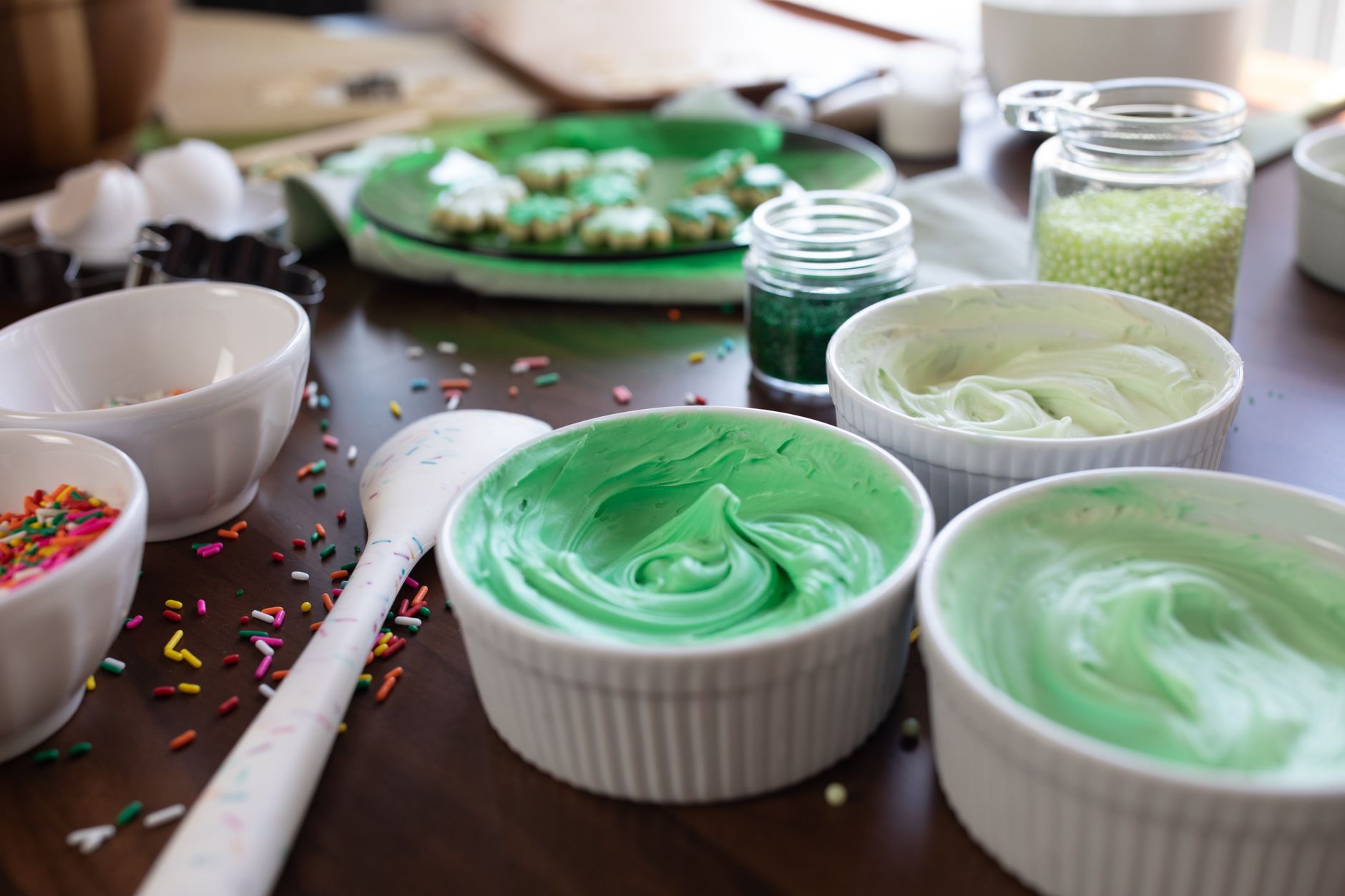
Use the "frost by numbers" method — start by adding drops of red (r), yellow (y), blue (b), or green (g) to the frosting according to your desired shade. For example, 10 drops red and 5 drops yellow create a warm coral.
Step 3: Blend Thoroughly
Using a spatula, fold the coloring evenly into the frosting for exactly 45 seconds, ensuring no streaks remain. The color develops fully after a few minutes.
Step 4: Adjust Intensity
Add additional drops one at a time, mixing for 15 seconds between each, until the frosting reaches the perfect shade. Remember, 100 drops equal roughly one teaspoon—use sparingly.
Step 5: Store or Use Frosting Immediately
If not using immediately, cover the frosting tightly and refrigerate. Let it return to room temperature before piping.
Step 6: Apply to Cupcakes
Pipe frosting with steady pressure to showcase vibrant and creamy colors vividly.

Variations & Substitutions
- Natural Colors: Replace synthetic food coloring with beet juice for red, turmeric for yellow, spirulina for green, and blueberry juice for blue. These yield vibrant hues with added nutrition.
- Dairy-Free Frosting: Use coconut milk or vegan butter cream frosting as a base while following the same coloring ratios.
- Flavor-Infused Colors: Add a few drops of citrus or berry extracts to coloring mixtures for subtle flavor enhancements without affecting frosting texture.
- Omitting Food Coloring: Use crushed freeze-dried fruits for natural speckles of color for an organic effect.
Storage & Shelf Life
Store your colored frosting in an airtight container in the refrigerator for up to 5 days. Before use, let it warm to room temperature and gently stir for best consistency.
For longer storage, freeze frosting for up to three months. Thaw overnight in the fridge before bringing it to room temperature and briefly whipping to restore smoothness.
Watch for signs of spoilage like sour smell, discoloration, or separation. Discard immediately if any of these develop.
Pro Tips
- Always start with a white frosting base for accurate color results since any yellow tint will mute your shades.
- Use gel food coloring to avoid added liquid, which can loosen frosting and affect pipeability.
- When mixing colors, add food coloring drop by drop to prevent overshooting your desired shade.
- Wear disposable gloves to prevent staining your hands, especially when working with darker colors like blue or purple.
- Let your colored frosting rest for 10 minutes after mixing to allow pigments to fully develop.
- To achieve pastel colors, mix a small amount of coloring into a larger batch of frosting or dilute with an uncolored portion.
When is the best time to eat Frost By Numbers How To Make Frosting Colors?
The best time to enjoy your beautifully colored frosting is shortly after decorating, while it’s fresh and creamy. This ensures the best texture and flavor balance. Letting the frosting rest at room temperature for 20 minutes can improve softness and tasting experience without compromising color vibrancy.
Can I use natural food coloring to make frosting colors?
Yes, natural food colorings made from vegetable powders or fruit juices work well. However, colors might be less vibrant and fade faster. Experimenting with quantities and combinations helps achieve your preferred shade.
How many drops of food coloring should I add per cup of frosting?
A good starting point is between 10 and 100 drops depending on the intensity desired, remembering that 100 drops equal about one teaspoon. Add coloring gradually and blend well before adding more.
Will adding food coloring affect the taste of my frosting?
Gel food colorings typically have little to no taste. However, natural colors like beet or turmeric may add slight earthy or spicy notes. Choose your coloring based on flavor preferences.
Can I mix different frosting colors without them bleeding into each other?
To maintain distinct colors, pipe frosting in cooler temperatures and avoid overmixing. Using frosting with a sturdy consistency also helps keep colors from bleeding.
Is it necessary to use white frosting as a base for coloring?
White frosting provides a blank canvas, so colors appear true and vibrant. Starting with an off-white or tinted base will dull or alter your final frosting shade.
What is the best equipment to mix frosting and colors effectively?
A spatula or spoon works fine for small batches. For larger amounts, use a stand mixer on low speed to distribute color evenly without incorporating excess air.
Can I freeze already colored frosting?
Yes, colored frosting freezes well for up to three months. Thaw it slowly in the refrigerator and whip gently before use to restore texture and color consistency.
More Recipes You Will Love
If you‘re excited about frosting colors, you‘ll enjoy exploring more baking delights like the wonderfully spiced Gigantic cardamom roll 13579855. Its golden swirl of spices pairs beautifully with cream cheese frosting, creating a comforting treat.
For a seasonal twist, try the tangy and soft Cranberry orange scones recipe 1917131. These provide a perfect balance of crispy exterior and tender crumb to enjoy alongside your colorful frostings.

Conclusion
Mastering Frost by Numbers How To Make Frosting Colors opens a world of creativity in your baking. You get to transform simple frosting into a palette of gorgeous, customized shades with just a few drops. This skill not only elevates your cupcakes visually but adds a joyful sensory experience to every bite. Feel free to experiment, share your results, and let your frosting become the star of your next celebration.
FAQs
When is the best time to use Frost By Numbers How To Make Frosting Colors?
The best time to use Frost By Numbers How To Make Frosting Colors is when you want to decorate cupcakes, cakes, or other desserts with precise and vibrant colors. It's especially helpful before hosting celebrations or events where stunning, edible art enhances the presentation.
Can I use natural food colorings instead of artificial dyes in Frost By Numbers?
Yes, natural colorings such as beet powder, spirulina, turmeric, and blueberry juice are excellent alternatives. They offer safer options for sensitive individuals and add unique hues without artificial chemicals, though the colors may be less intense than gels.
How do I ensure my frosting colors are consistent with Frost By Numbers?
For consistency, measure your color drops carefully and mix each batch for the same amount of time, typically around 45 seconds. Using squeeze bottles or pipettes helps control color amounts precisely to achieve uniform shades every time.
Will adding food coloring change the frosting's texture with this method?
Using gel-based food coloring minimally affects texture since it adds very little liquid. However, avoid using too many drops of liquid dye to prevent thinning the frosting. Natural juices may slightly alter texture depending on quantity used.
Are there any health concerns when making colorful frosting?
Yes, some synthetic dyes may cause allergies or hyperactivity in sensitive children, so using natural colors is safer. Also, moderate frosting consumption due to sugar and fat content is recommended. Pregnant individuals should consult health advice when increasing food dye intake.