At first, I thought swapping a spoonful of butter for olive oil was just a trendy cooking hack. Turns out, that tiny change can actually soften the rise of bloodsugar after a meal and even give your insulin a little boost. In the next few minutes Ill walk you through the science, the best type of oil, how much to use, and what to watch out forno fluff, just what matters for your health.
How Olive Oil Works
The science behind the sugarcontrol effect
Olive oil, especially extravirgin (EVOO), is packed with monounsaturated fatty acids (MUFA) and polyphenols like hydroxytyrosol and oleuropein. MUFAs make cell membranes more fluid, which helps insulin bind more efficiently. Meanwhile, the antioxidants protect the pancreass betacells from oxidative stress, the very thing that wears them out over time.
What the clinical trials show
Several recent studies have looked at EVOO and bloodglucose. A 2024 metaanalysis of eight cohort studies found that people who ate 1020g of extravirgin olive oil daily had a 16% lower risk of developing type2 diabetes compared with those who didnt. Another randomized crossover trial showed that adding EVOO to a highglycemic breakfast blunted the 30minute glucose peak by about 18%.
Does olive oil spike insulin?
One common myth is that fats automatically cause insulin spikes. In reality, the opposite often happens. Studies measuring insulin response after an EVOOrich meal report either a neutral effect or a slight reduction in postprandial insulin levels. So youre not overloading your pancreas; youre actually giving it a smoother ride.
Best Olive Oil Choice
Extravirgin vs. refined vs. light
Not all olive oils are created equal. Extravirgin olive oil is the first coldpress of the fruit, keeping the polyphenols intact. Refined oil is heattreated, losing most of those antioxidants while retaining the same fat composition. Light olive oil is often a blend with other vegetable oils, diluting the health benefits.
Comparison table
| Type | Polyphenolmg/100g | Smoke point | Best use |
|---|---|---|---|
| Extravirgin | 200400 | 190210C | Dressings, lowheat saut |
| Refined | 50 | 220230C | Highheat cooking |
| Light blend | Varies | 240C | Occasional use only |
Expert tip
According to a registered dietitian cited by the Mayo Clinic, extravirgin olive oil provides the most consistent glycemic benefit because of its high polyphenol content.
Daily Olive Oil Dose
Evidencebased dosage
Research points to a sweet spot: 10g (about 2 teaspoons) a day for modest glucose control, and up to 20g (roughly 1 tablespoons) for stronger preventive effects. Going beyond 30g (2 tablespoons) adds calories without extra benefits, so keep an eye on the total energy intake.
Sample meal plan
Heres a simple way to hit ~15g without feeling like youre dieting:
- Breakfast: drizzle 1tsp EVOO over avocado toast.
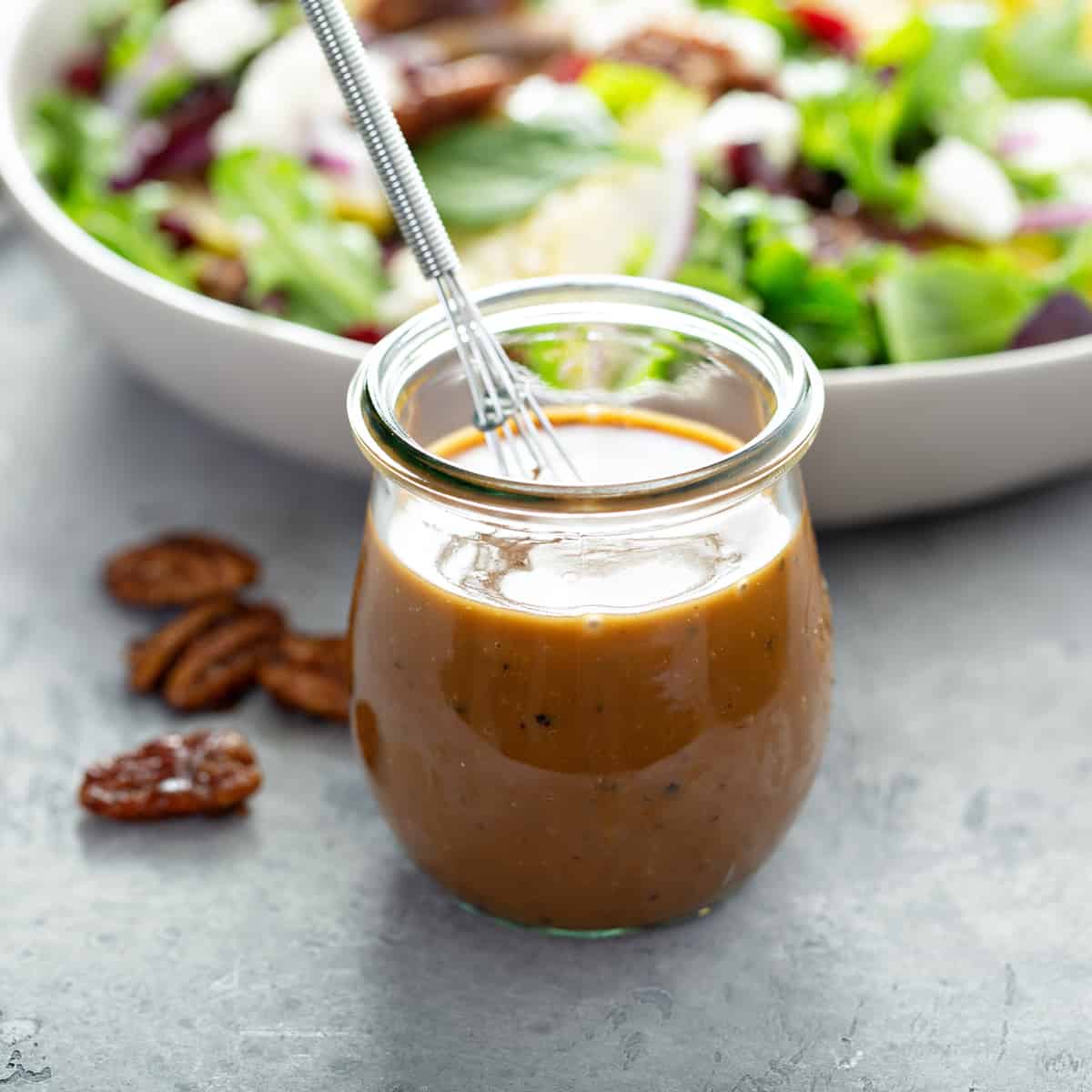
- Lunch: whisk 1Tbsp into a lemonherb vinaigrette for a salad.
- Dinner: toss Tbsp into sauted broccoli or zucchini.
This spreads the oil throughout the day, giving a steady dose of MUFAs and antioxidants.
Calorie check
Remember, olive oil is about 120kcal per tablespoon. If youre watching weighta crucial factor in diabetes managementtrack those calories just like you would with carbs.
Olive Oil & Medications
Synergy with Metformin
Metformin is the goto firstline drug for type2 diabetes. A 2023 pharmacology paper found that participants who added 15g of EVOO to their diet experienced an additional 0.3% reduction in HbA1c compared with Metformin alone. No harmful interactions were reported, but it never hurts to run the idea past your physician.
When to be cautious
If youre on blood thinners, a very high intake of olive oil could mildly affect clotting timeagain, a conversation with your doctor is wise. For most people, the typical 1020g range is perfectly safe.
Practical tip from an endocrinologist
Adding a tablespoon of extravirgin olive oil to meals is one of the safest dietary tweaks for patients with type2 diabetes, says Dr. Lina Ortiz, an endocrinologist at a community health center. It complements medication without adding risk.
Benefits and Risks
Can olive oil raise blood sugar?
The short answer: no. Controlled studies show that olive oil either maintains or lowers fasting glucose levels when used in moderation. Its the carbs, not the healthy fats, that primarily drive spikes.
Will it spike insulin?
Contrary to the fatspike myth, EVOO may actually smooth the insulin response after a meal, helping the body avoid the rollercoaster effect that can wear out betacells over time.
Potential downsides
- Caloric density: Overconsumption can lead to weight gain, which is a risk factor for worsening diabetes.
- Lowquality oils: Some cheap bottles are diluted with cheaper seed oils, reducing the polyphenol content. Look for acidfree seals and dark glass bottles.
Mythbusting box
Is extravirgin olive oil good for diabetes? Yesits MUFAs and antioxidants improve insulin sensitivity.
Does olive oil spike insulin? Nostudies show a neutral or slightly lowering effect.
Olive oil and diabetes Mayo Clinic? The Mayo Clinic lists EVOO as a hearthealthy fat that fits well in a diabetesfriendly diet.
Real Stories & Case Studies
Patient story
Mike, 55, was diagnosed with type2 diabetes three years ago. He started adding 15g of extravirgin olive oil to his meals each day. After three months, his HbA1c dropped from 7.8% to 7.3% without changing any other medication. He credits the oil for making his postlunch sugar dip less scary.
Clinician perspective
Julie, a certified diabetes educator, now recommends a oliveoil splash at every meal when she designs meal plans. Its an easy, tasty tweak that patients actually stick with, she notes.
Outcome comparison
| Metric | Before EVOO | After 3months (15g/day) |
|---|---|---|
| Fasting glucose (mg/dL) | 138 | 128 |
| Postmeal peak (2h) | 210 | 180 |
| HbA1c (%) | 7.8 | 7.3 |
QuickStart Checklist
- Choose extravirgin olive oil with a dark bottle and acidfree label.
- Start with 1tsp at breakfast; work up to 1Tbsp total daily.
- Pair the oil with highfiber foods (salads, veggies, whole grains).
- Monitor your bloodglucose before and after meals for the first two weeks.
- Discuss your dosage with your diabetes care team, especially if youre on insulin or strict calorie goals.
Conclusion
Olive oilparticularly highquality extravirginoffers a sciencebacked, lowrisk way to improve bloodsugar control for people with type2 diabetes. The evidence shows that 1020g a day can boost insulin sensitivity, smooth postmeal glucose spikes, and even lower the longterm risk of developing the disease, all without causing insulin spikes or harmful sideeffects when used responsibly. Pair it with a balanced, fiberrich diet, keep portion sizes in check, and talk to your healthcare provider about integrating EVOO into your medication plan. Start small, stay consistent, and let this ancient oil become a modern ally in your diabetesmanagement toolkit.
FAQs
Can olive oil improve insulin sensitivity for type 2 diabetes?
Yes. The monounsaturated fats and polyphenols in extra‑virgin olive oil help cell membranes stay fluid, allowing insulin to bind more efficiently and improve sensitivity.
How much olive oil should I consume daily?
Research suggests 10 g (about 2 tsp) to 20 g (1 Tbsp) of extra‑virgin olive oil per day. Staying under 30 g avoids extra calories without added benefit.
Is extra‑virgin olive oil better than refined or light olive oil?
Extra‑virgin retains the highest polyphenol content and antioxidants, which are key for blood‑sugar control. Refined loses most of these compounds, and light blends often contain other vegetable oils.
Will olive oil interact with common diabetes medications?
Current studies show no harmful interaction with metformin or insulin. However, if you take blood thinners, discuss any large increase in oil intake with your doctor.
Can olive oil cause weight gain that worsens diabetes?
Olive oil is calorie‑dense (~120 kcal per tablespoon). Use the recommended portion and count its calories within your overall daily limit to avoid unwanted weight gain.