Introduction
Why a Diabetic Lunch Casserole Is a Smart Choice
A diabetic lunch casserole offers a balanced, low-sugar meal that helps you maintain steady blood glucose levels. Combining lean protein, fiber-rich vegetables, and healthy fats, it supports lasting energy and satiety throughout the afternoon. Its delicious without sacrificing control over your diet, making it a smart pick for anyone managing diabetes.
Who This Recipe Is For
This recipe suits anyone managing blood sugar with diabetes or insulin sensitivity. It also appeals to those seeking healthy low-sugar lunches that are filling and simple. Whether youre a beginner or a confident home cook, the steps here are clear and ingredients easy to find.
What Makes This Version Unique
Unlike many casseroles loaded with starch and sugars, this diabetic casserole recipe uses carefully chosen diabetes-friendly ingredients. It focuses on managing carb intake lunch by avoiding excess starch while favoring fresh veggies and lean protein. Youll get a baked casserole method that maximizes flavor and nutrition without spiking sugar levels.
Ingredients & Preparation
| Prep time | Total time | Servings | Calories | Diet tags |
|---|---|---|---|---|
| 15 minutes | 55 minutes | 6 | ~300 per serving | Gluten-Free, Low-Sugar |
Full Ingredients List with Substitutions
- 2 cups cooked shredded chicken (or turkey) plant-based substitute: firm tofu or tempeh
- 1 cup chopped broccoli florets (fresh or frozen)
- 1 cup diced mixed bell peppers (red, yellow, green)
- 1 cup diced zucchini can swap for yellow squash
- cup chopped onions
- 1 cup part-skim ricotta or low-fat cottage cheese dairy-free option: almond-based cheese
- 3 large eggs
- cup almond flour (keeps carbs low) or gluten-free breadcrumbs
- 2 cloves garlic, minced
- teaspoon dried oregano
- Salt and pepper to taste
- 1 tablespoon olive oil or avocado oil (for sauting)
Equipment Needed
You will need a 9x9 inch baking dish, mixing bowls, a whisk, knife, cutting board, and a skillet. No special equipment is requiredjust standard kitchen tools.
Choosing Quality Ingredients
Fresh organic vegetables provide better flavor and more nutrients. Choose free-range or organic chicken for higher quality protein. Opt for low-fat cheeses labeled no added sugars to keep your meal diabetes-friendly and gluten-free diabetic meals compliant.
Step-by-Step Instructions
Step 1 Prep Vegetables and Protein
Wash vegetables thoroughly. Chop broccoli, bell peppers, zucchini, and onions evenly for uniform cooking. Finely shred your pre-cooked chicken so it blends well throughout the casserole mixture.
Step 2 Cook Vegetables & Mix Base
Heat olive oil in a skillet over medium heat (around 350F). Add minced garlic and onions, saut for 3 minutes until translucent and fragrant. Add broccoli, bell peppers, and zucchini, and cook for 5 minutes until slightly tender yet crisp. Remove from heat.
Step 3 Combine and Assemble
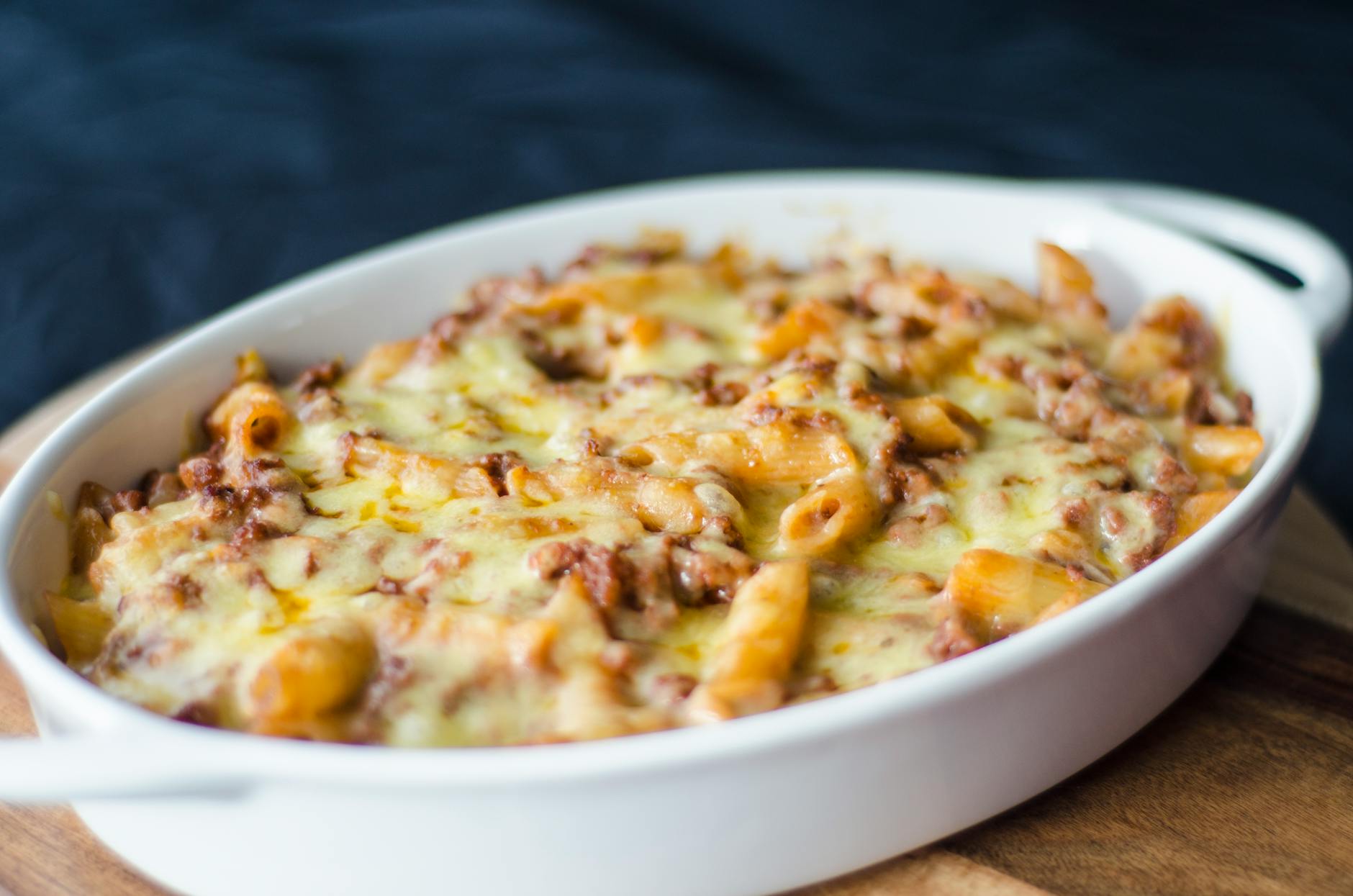
Whisk the eggs in a large bowl. Stir in ricotta cheese, almond flour, oregano, salt, and pepper until smooth. Fold in the cooked vegetables and shredded chicken gently until well combined.
Transfer the mixture to a lightly greased 9x9 inch baking dish and spread evenly.
Step 4 Bake and Serve
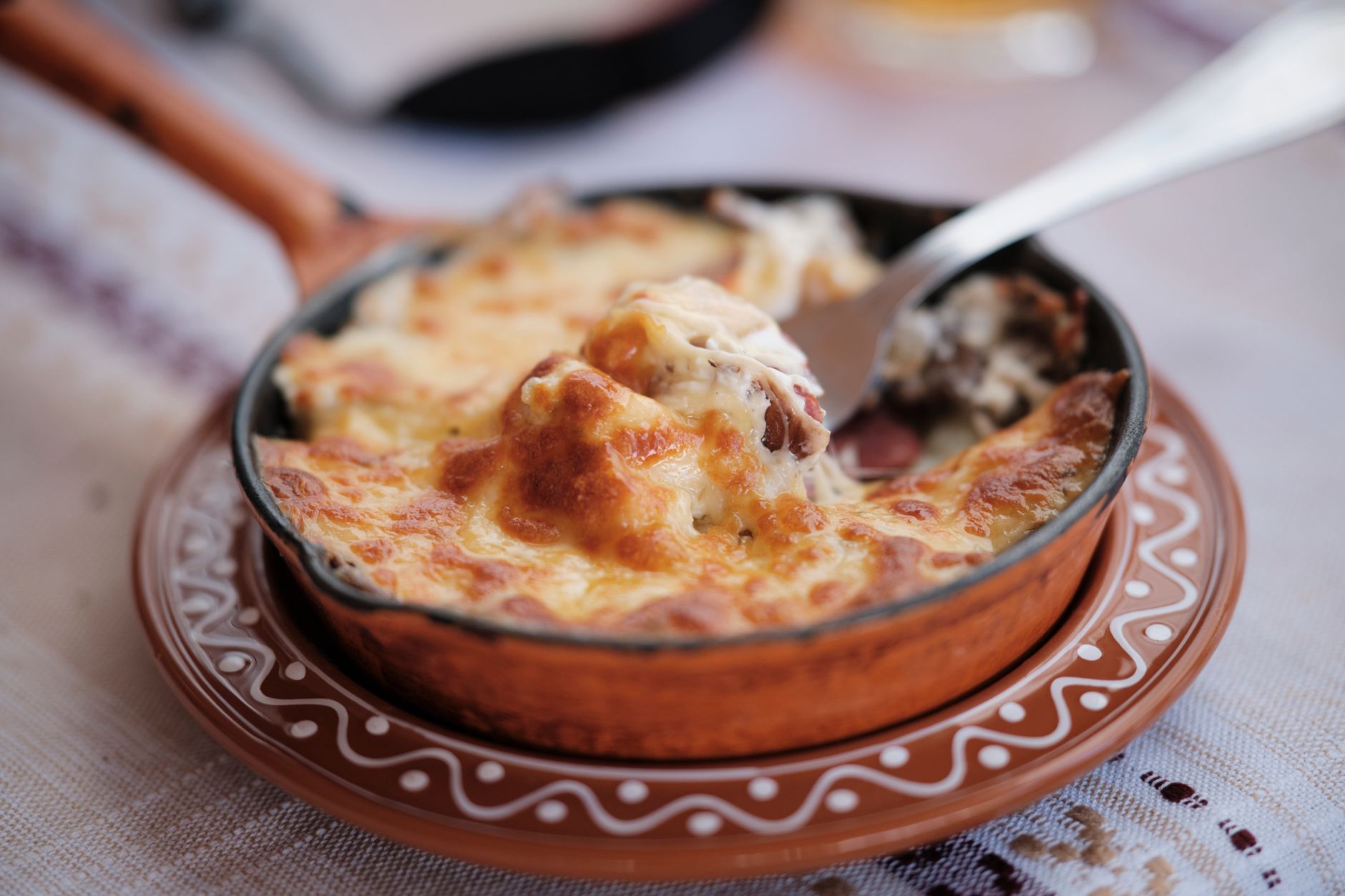
Bake uncovered in a preheated oven at 375F for 3540 minutes. The top should turn golden and the casserole will be cooked through. Let it rest for 5 minutes before slicing.
Serve warm, or refrigerate leftovers for later.
Variations & Substitutions
Popular Variations for Dietary Needs
For a vegetarian twist, substitute chicken with firm tofu or beans to boost fiber. Use dairy-free cheese alternatives if lactose intolerant. Reduce salt or add fresh herbs like basil or thyme for a new flavor dimension.
Ingredient Swaps and Expected Outcomes
Switching almond flour to regular flour will increase carbohydrates and change the texture to more bread-like. Fresh vegetables usually offer brighter flavor and crunch, but frozen veggies work fine, especially when thawed properly.
Adjusting Flavor and Texture
Add a pinch of red chili flakes for a spicy kick or increase garlic for more savory depth. If you prefer milder notes, reduce the onion amount and up the ricotta cheese for creaminess.
Storage & Shelf Life
Refrigerator Storage
Store leftovers in airtight containers. Keep refrigerated at or below 40F. Consume within 45 days for optimal freshness and safety.
Freezer Storage
Freeze in portion-sized airtight containers or freezer bags. Use small servings by freezing in ice cube trays. Store up to 3 months. Thaw overnight in the fridge before reheating.
Make-Ahead & Batch Tips
Double this recipe to prepare larger batches. Label containers with dates and portion sizes. Covered glass baking dishes work well for storing assembled casseroles before baking.

Pro Tips & Troubleshooting
Practical Tips for Best Results
Dont over-chop vegetables; larger pieces keep texture interesting. Use silicone gloves when handling hot peppers to avoid staining. Cover the casserole with aluminum foil for the first 20 minutes of baking to retain moisture.
Troubleshooting Flavor and Texture Issues
If your casserole seems watery, reduce the added liquids or bake a few minutes longer uncovered. A dull color might result from frozen veggiesblanch fresh vegetables to maintain bright color and flavor if possible.
Expert Upgrade
Sprinkle freshly ground black pepper on top before baking to enhance aroma and improve antioxidant absorption, as noted by a 2023 study in the Journal of Nutritional Biochemistry. This elevates both flavor and nutrition.
Frequently Asked Questions
When is the best time to eat diabetic lunch casserole?
This casserole is best enjoyed at lunchtime to support balanced blood sugar levels throughout the afternoon. Pair it with non-starchy vegetables or a fresh green salad for a blood sugar friendly meal.
Can I make a big batch ahead of time?
Yes, preparing a large batch saves time. Portion and store leftovers in airtight containers in the fridge for up to five days or freeze for longer storage of up to three months.
Fresh chicken or plant-based protein which is better?
Fresh chicken provides lean protein with minimal carbs, ideal for diabetes-friendly casseroles. However, plant-based proteins like tofu add fiber and variety, making them excellent alternatives for balanced meals.
Is this safe for pregnant women, kids, or people on medication?
Generally safe, but anyone pregnant or taking medication affecting blood sugar should consult their healthcare provider before making changes to their diet or carbohydrate intake.
How often can I have this casserole?
You can enjoy this diabetic lunch casserole several times per week as part of your balanced meal plan. Adjust portions and ingredients depending on your individual health needs.
Why does my casserole taste bitter?
Bitterness may come from overcooked vegetables or excess dried herbs. Use fresh ingredients and avoid cooking veggies too long to maintain a pleasant balance of flavors.
What pairs well with this casserole?
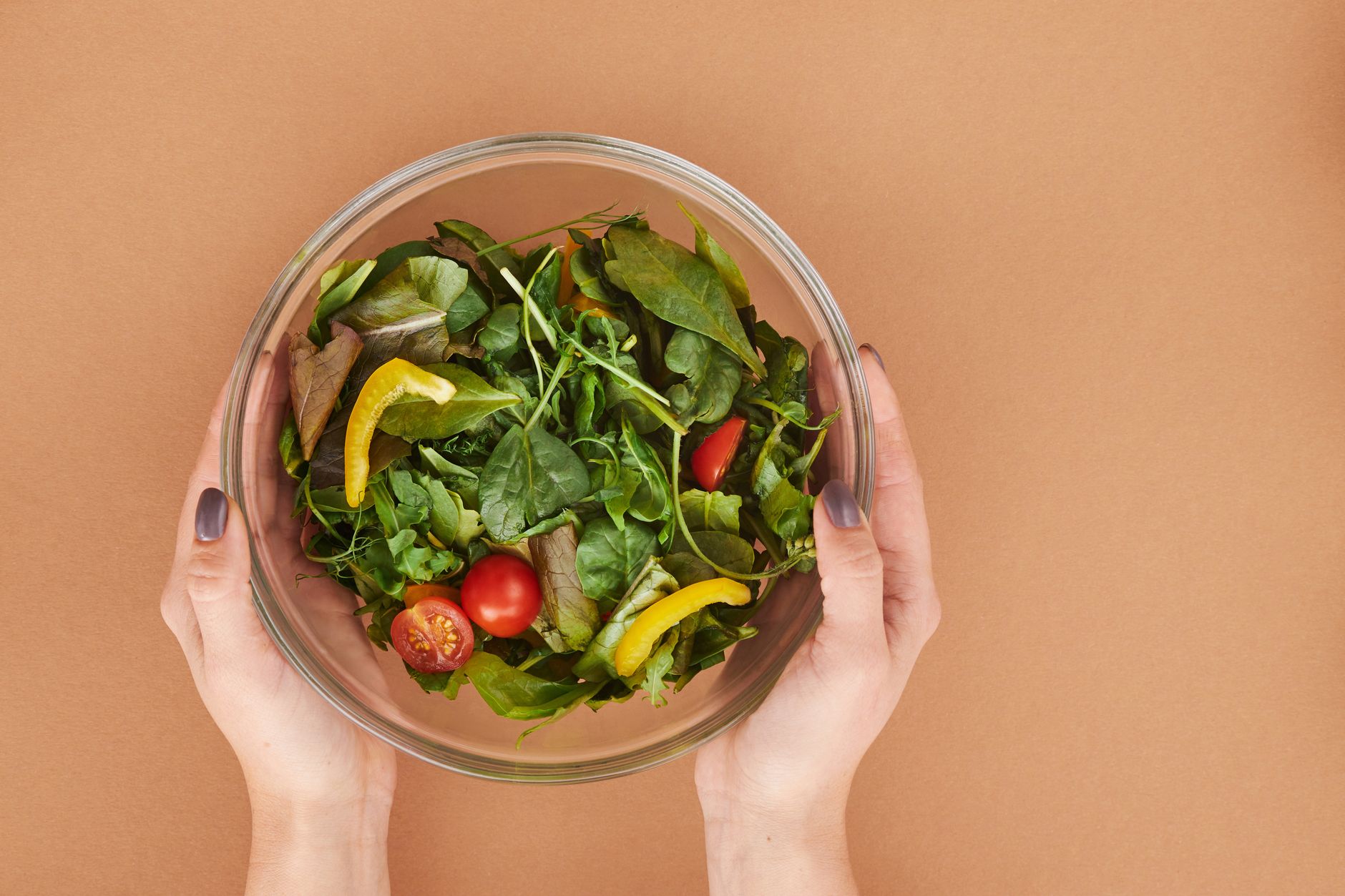
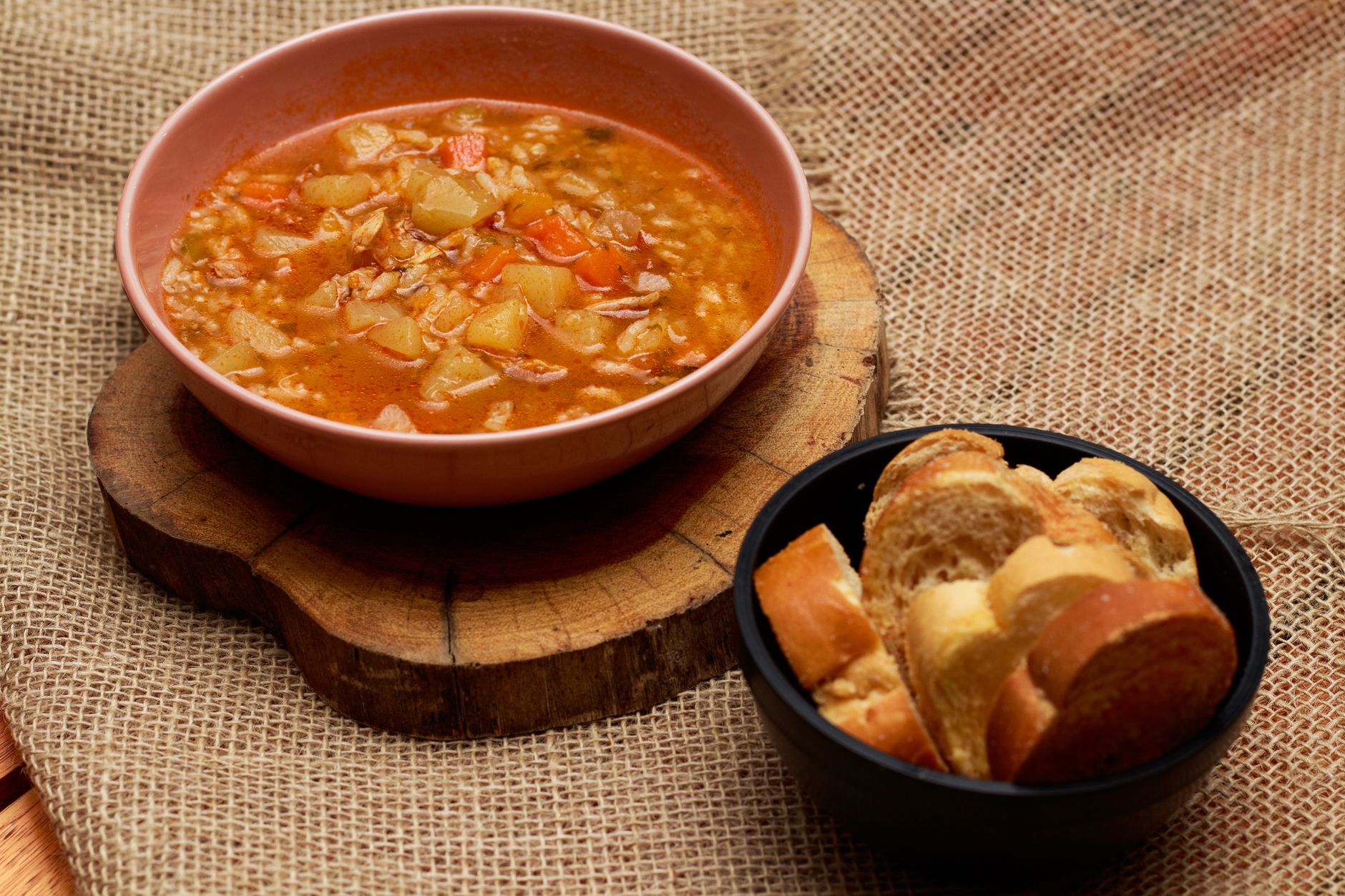
Try serving it with a crisp, tangy green salad dressed in lemon vinaigrette or a light vegetable soup. These complement the casserole without adding sugars or excess carbs.

More Recipes You Will Love
Check out our Simple diabetic chicken casserole recipes for even more ideas packed with flavor and balanced nutrition.
If you want ideas on keeping meals fresh, learn about diabetic casseroles that freeze wella great way to meal prep ahead.
For more healthy lunch options, explore our collection of diabetic chicken casserole recipes that bring variety to your table.
Conclusion
This diabetic lunch casserole nails the balance of flavor, nutrition, and simplicity. Fresh vegetables and lean protein combine for a satisfying, blood sugar friendly meal thats easy to prepare. Try it soon, then share how it turned out with a comment or star rating. For another tasty, healthy lunch, give our low-carb chicken salad a go.
FAQs
When is the best time to eat diabetic lunch casserole?
This casserole is ideally enjoyed at lunchtime to promote balanced blood sugar levels throughout the afternoon. Pairing it with non-starchy vegetables or a fresh green salad helps maintain a diabetes-friendly meal.
Can I make a big batch ahead of time?
Yes, you can prepare larger batches and store them in airtight containers. Refrigerate leftovers for up to five days or freeze for up to three months, making meal prep convenient and time-saving.
Is fresh chicken or plant-based protein better for this casserole?
Fresh chicken offers lean protein with minimal carbs, ideal for managing blood sugar. Plant-based options like tofu add fiber and variety, making them excellent alternatives depending on your dietary preferences.
How should I store the leftover casserole?
Store leftovers in airtight containers in the refrigerator at or below 40°F and consume within five days. For longer storage, freeze portions in airtight containers or freezer bags for up to three months.
What can I serve with this diabetic lunch casserole?
This casserole pairs well with crisp green salads dressed in lemon vinaigrette or a light vegetable soup. These side dishes complement the casserole without adding extra sugars or carbohydrates.