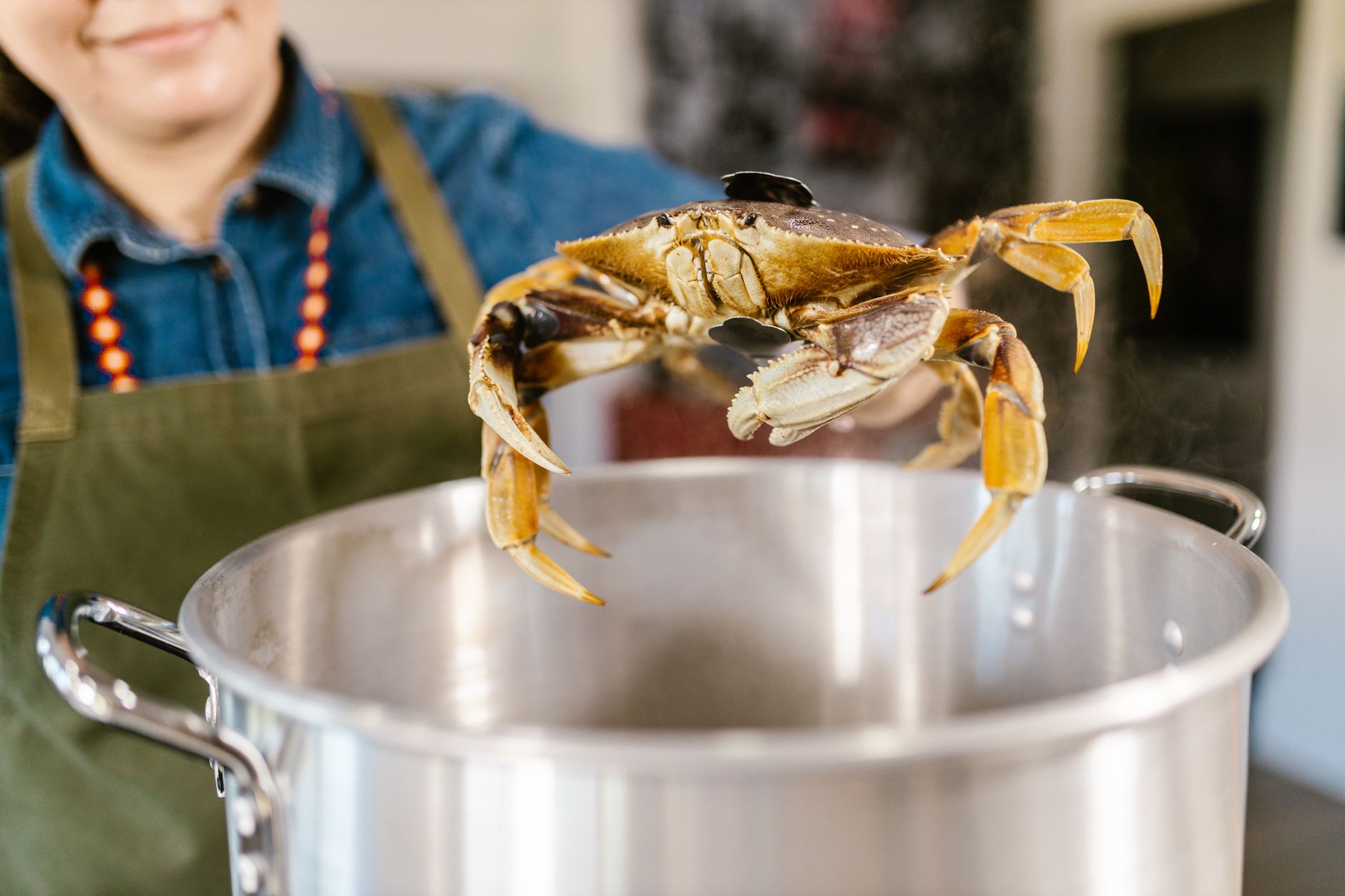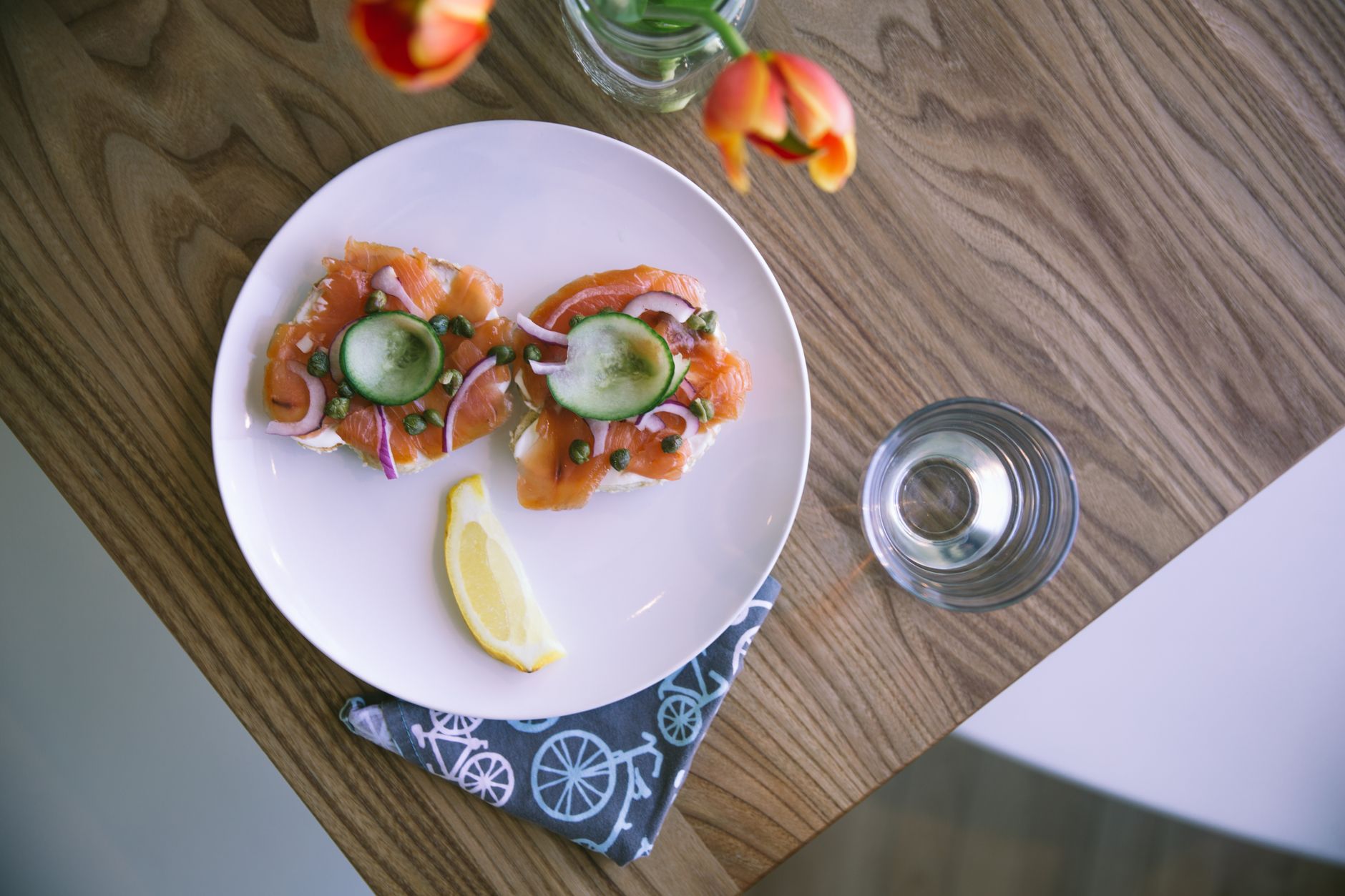
Why Crab And Ricotta Cannelloni Recipe?
The first forkful brings together tender pasta, sweet crab, creamy ricotta, and a golden layer of bubbling béchamel. This Crab And Ricotta Cannelloni Recipe turns simple seafood into a comforting baked pasta dish that feels special enough for guests.
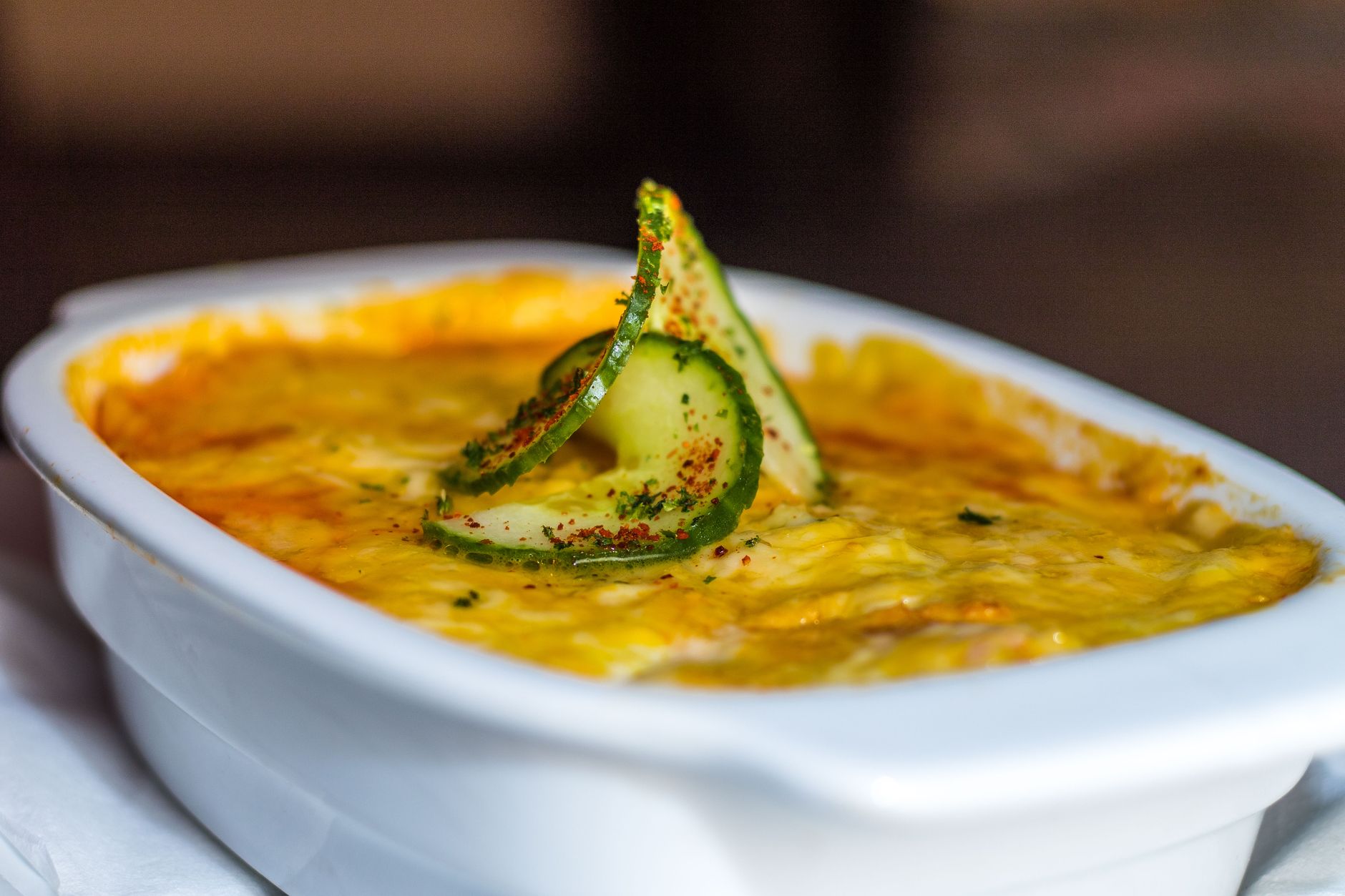
Crab and ricotta cannelloni is made by filling cooked pasta tubes with a mixture of lump crabmeat, whole-milk ricotta, Parmesan, egg yolk, and fresh basil. The filled tubes are covered with homemade béchamel sauce, topped with more Parmesan, and baked at 350°F until hot, creamy, and lightly golden.
I like this recipe because the filling can be prepared while the pasta water heats. The crab stays recognizable instead of becoming a paste, while the white sauce keeps every bite moist. A simple green salad or roasted asparagus is all you need alongside it.

Health Benefits & Nutrition
This is a rich comfort-food recipe, so it is best enjoyed as part of a varied meal. The ingredients also bring useful nutrients without making exaggerated health promises.
- Crab provides protein: Lump crabmeat helps make the filling satisfying and contributes protein in a naturally lean seafood form.
- Calcium comes from dairy: Ricotta, Parmesan, and milk provide calcium, along with protein and other nutrients.
- Basil adds fresh flavor: Fresh basil brings an herbal aroma, so the dish tastes bright without needing a large amount of salt.
- Portion-friendly serving: Six cannelloni portions make it easier to pair a smaller serving with vegetables or salad.
The approximate nutrition is 590 calories per serving, with about 38 grams of protein, 43 grams of carbohydrates, and 28 grams of fat. Actual values vary with the brand of crab, the amount of sauce absorbed, and the size of the pasta tubes.
This recipe contains shellfish, dairy, egg, and wheat. Anyone with an allergy should avoid the relevant ingredient or use a professionally suitable alternative. For pregnancy, medical conditions, or individual dietary advice, use fully cooked crab and consult a doctor or dietitian.
Ingredients & Preparation
Recipe Card
| Prep time | 30 minutes |
|---|---|
| Cook time | 45 minutes |
| Total time | 1 hour 15 minutes |
| Servings | 6 |
| Calories | Approximately 590 per serving |
| Diet tags | Pescatarian; contains gluten, dairy, egg, and shellfish |
Full Ingredient List
- 1 box (8 ounces) cannelloni or manicotti pasta, about 12 shells
- 1 cup whole-milk ricotta cheese
- 3/4 cup grated Parmesan cheese, divided
- 1 large egg yolk
- 1/2 cup chopped fresh basil leaves
- 1 pound lump crabmeat, picked over for shells
- 1/4 teaspoon fine salt
- 1/4 teaspoon freshly ground white pepper
- 5 tablespoons unsalted butter
- 1/2 cup all-purpose flour
- 4 cups whole milk, warmed
- 1/2 teaspoon fine salt
- 1/4 teaspoon freshly ground white pepper
- 1 pinch freshly grated nutmeg
Equipment Needed
- Large pot for boiling the pasta
- Colander
- Large mixing bowl
- Medium saucepan
- Whisk
- 9-by-13-inch baking dish
- Large spoon or piping bag for filling the pasta
- Instant-read thermometer, optional
Tips for Choosing Quality Ingredients
Choose lump crabmeat with a clean, sweet smell and firm pieces. Fresh crab is excellent, but good-quality pasteurized crab works well too. Drain it thoroughly, then gently check for shell fragments with your fingertips. Excess liquid can loosen the filling and make the pasta watery.
Whole-milk ricotta gives the smoothest texture. If the ricotta looks very wet, spoon it into a fine-mesh strainer for 10 to 15 minutes before mixing. Use freshly grated Parmesan rather than pre-shredded cheese, which melts more evenly into the sauce and filling.
Fresh basil is worth using here. Dried basil has a stronger, dusty flavor and does not provide the same fresh contrast to the sweet crab. Warm the milk for the béchamel until it feels hot but does not simmer; warm milk blends into the roux more quickly.

Step-by-Step Instructions
1. Prepare the pasta and oven
Bring a large pot of generously salted water to a full boil over high heat. Add the cannelloni or manicotti and cook for 8 to 10 minutes, stirring gently every few minutes, until the tubes are tender but still firm in the center.
Drain the pasta carefully. Arrange the tubes in a single layer on a lightly oiled baking sheet or clean plate so they do not stick together. Heat the oven to 350°F and lightly butter a 9-by-13-inch baking dish.
2. Mix the crab and ricotta filling
In a large bowl, combine the ricotta, 3/4 cup Parmesan, egg yolk, chopped basil, crabmeat, 1/4 teaspoon salt, and 1/4 teaspoon white pepper. Fold with a rubber spatula for about 30 seconds, just until combined.
Keep the crab pieces visible. The first time I made this, I stirred too vigorously and broke the crab into tiny strands. The filling still tasted good, but gentle folding gives the finished cannelloni a much better texture.
3. Cook the béchamel sauce
Melt the butter in a medium saucepan over medium heat for about 2 minutes. Whisk in the flour and cook for 2 minutes, whisking constantly, until the mixture is smooth and lightly foamy but not brown.
Gradually pour in the warm milk while whisking. Continue cooking over medium heat for 8 to 10 minutes, until the sauce coats the back of a spoon. Do not let it boil. Stir in 1/2 teaspoon salt, 1/4 teaspoon white pepper, and the nutmeg, then remove the pan from the heat.
The sauce is ready when the whisk leaves a clear line across the bottom of the pan for a moment. If it becomes too thick while you fill the pasta, whisk in 1 to 2 tablespoons of warm milk.
4. Fill and assemble the pasta
Use a small spoon or piping bag to fill each pasta tube with the crab mixture. Aim for about 1/3 cup of filling per large tube, without packing it so tightly that the pasta splits.
Spread a thin layer of béchamel over the bottom of the baking dish. Place the filled tubes in a single layer, then pour the remaining sauce evenly over them. Sprinkle with the remaining 1/4 cup Parmesan.
5. Bake until bubbling and golden
Bake uncovered at 350°F for 15 to 20 minutes. The edges should be visibly bubbling, the sauce should smell buttery and nutty, and the Parmesan should have a pale golden surface. If you want a deeper top, broil for 1 to 2 minutes at the end, watching closely.
Rest the dish for 5 minutes before serving. This short pause helps the sauce settle, so the pasta holds its shape when lifted from the dish.
Variations & Substitutions
- Use manicotti: Replace the cannelloni with 12 manicotti shells weighing about 8 ounces. Cook them according to the package directions, then fill them in the same way.
- Add spinach: Fold 1 cup of finely chopped, well-squeezed cooked spinach into the crab mixture. Reduce the basil to 1/4 cup if you prefer a milder herbal flavor.
- Try shrimp: Replace half of the crab with 8 ounces of finely chopped, fully cooked shrimp. Chop the shrimp into pieces no larger than 1/2 inch so the filling stays easy to pipe.
- Make it lemony: Add 1 teaspoon of finely grated lemon zest to the filling. Avoid adding much lemon juice, which can make the ricotta mixture loose.
- Use a lighter dairy option: Part-skim ricotta can replace whole-milk ricotta in a 1:1 ratio. The filling will be slightly less creamy, so drain the ricotta first.
- Gluten-free adaptation: Use certified gluten-free cannelloni or manicotti and replace the all-purpose flour with a cup-for-cup gluten-free flour blend. Check every package for cross-contact information.
I tested this with imitation crab, but it did not work as well. It released more moisture and had a sweeter, less delicate flavor. If real crab is unavailable, use a well-drained combination of cooked shrimp and white fish instead.
Storage & Shelf Life
Store cooled leftovers in a covered container in the refrigerator for up to 3 days. Refrigerate the dish within 2 hours of cooking. Reheat individual portions covered in the microwave, or cover the baking dish with foil and warm at 325°F until hot throughout.
For freezing, assemble the cannelloni in a freezer-safe baking dish without baking. Cool the béchamel completely first, cover the dish tightly with plastic wrap and foil, and freeze for up to 2 months. Thaw overnight in the refrigerator, remove the plastic wrap, and bake covered at 350°F until hot. Remove the foil for the final 10 minutes.
Discard leftovers that smell sour or strongly fishy, develop a slimy texture, show mold, or have been left at room temperature for more than 2 hours. Do not taste food to decide whether it is safe.
Pro Tips
Keep the crab dry. Spread drained crab on a plate lined with paper towels for a few minutes. This removes surface moisture without crushing the delicate lumps.
Season in layers. The pasta water seasons the shells, the filling gets a small amount of salt, and the béchamel receives its own seasoning. This tastes more balanced than adding all the salt to one component.
Do not brown the roux. White béchamel depends on a pale butter-flour mixture. Two minutes over medium heat is enough to remove the raw flour taste while preserving the sauce’s light color.
Fill without tearing. If the pasta tubes feel fragile, let them cool for 5 minutes before filling. A piping bag with the tip snipped wide makes the process cleaner and puts less pressure on the pasta.
Prevent a dry top. Cover every exposed tube with béchamel. Any bare pasta edge tends to become chewy during baking, especially when the dish sits uncovered.
Balance richness with freshness. Serve the cannelloni with lemon-dressed greens, steamed broccoli, or a crisp fennel salad. The acidity and crunch make the creamy sauce feel lighter.
Questions & Answers
When is the best time to eat Crab And Ricotta Cannelloni Recipe?
The best time to eat this dish is immediately after its 5-minute resting period. The sauce is still hot, the crab filling is tender, and the pasta slices cleanly. It works especially well as a weekend dinner or a make-ahead meal for guests because the assembled dish can be refrigerated before baking.
Can I make the filling ahead of time?
Yes, the filling can be made up to 1 day ahead and refrigerated in a covered container. Keep the crab mixture cold, and stir it gently once before filling the pasta. If liquid gathers at the bottom, drain it rather than mixing it back into the filling.
Can I prepare the béchamel in advance?
Yes, béchamel can be prepared up to 3 days ahead and refrigerated. Press parchment or plastic wrap directly against the surface to limit skin formation. Reheat it gently over low heat, whisking in a splash of milk until smooth before assembling the dish.
Why did my filling become watery?
Watery filling usually comes from wet ricotta, poorly drained crab, or too much lemon juice. Drain the ricotta briefly, pat the crab dry, and add lemon zest instead of juice. Also avoid overmixing, which can break the crab and release more moisture.
Can I use fresh pasta sheets instead of tubes?
Yes, use fresh pasta sheets cut into rectangles about 4 by 6 inches. Boil them briefly if needed, add approximately 1/3 cup filling to each sheet, roll tightly, and arrange seam-side down. Keep the béchamel quantity the same, adding enough to cover the rolls completely.
How do I know the cannelloni is fully heated?
The cannelloni is ready when the sauce bubbles around the edges and the center is hot. An instant-read thermometer should register at least 165°F in the middle for a thoroughly reheated, assembled dish. A lightly golden Parmesan surface is another useful visual cue.
What should I serve with crab cannelloni?
Serve it with a crisp green salad, roasted asparagus, sautéed spinach, or steamed broccolini. Choose sides with freshness and mild acidity rather than another creamy dish. A small portion of crusty bread can also help catch the béchamel, though the pasta is already filling.
More Recipes You Will Love
If you enjoy seafood with bright, fresh flavors, try our Swordfish with citrus pesto recipe 1916925. Its citrus and herb profile offers a lighter contrast to this creamy baked pasta.
For a more celebratory seafood spread, the Spiny tail lobster alligator pear salad crispy rock shrimp daiquiri shot recipe brings several seafood textures together with a fresh salad element.
You can also pair this cannelloni with a simple tomato and cucumber salad. The cool vegetables provide color and crunch without competing with the delicate crab filling.
Conclusion
This Crab And Ricotta Cannelloni Recipe is creamy, delicate, and practical enough for a relaxed weekend dinner. Drain the seafood well, fold the filling gently, and keep the béchamel smooth for the best texture. The short rest after baking makes serving easier and keeps the sauce from running across the plate. If you make it, leave a rating or comment and share what side dish you served with it.
FAQs
When is the best time to eat Crab And Ricotta Cannelloni Recipe?
The best time to eat Crab And Ricotta Cannelloni Recipe is soon after baking, while the béchamel is hot and the filling is creamy. It suits dinner parties, special occasions, or a weeknight meal with a green salad. The pasta softens as it sits, so serving it promptly keeps the texture best.
Can I make crab and ricotta cannelloni ahead of time?
Yes, you can assemble crab and ricotta cannelloni up to one day ahead. Cover the dish and refrigerate it before baking. Bake it straight from the refrigerator, allowing extra time, until the center is hot and the top is lightly golden.
Can I use imitation crab instead of lump crabmeat?
Yes, imitation crab can be used, but it creates a firmer, sweeter filling than real lump crabmeat. Shred it finely and pat it dry before mixing. Check the label first, because many imitation crab products contain fish and may contain shellfish.
How do I keep cannelloni from drying out?
Spoon enough béchamel over the filled tubes so they are fully covered before baking. Covering the dish with foil for the first part of baking also traps moisture. Remove the foil near the end so the Parmesan can brown lightly on top.
How long do leftover crab and ricotta cannelloni last in the fridge?
Cooled leftovers keep in an airtight container in the refrigerator for up to three to four days. Reheat them until steaming hot throughout. Adding a spoonful of milk or extra sauce before reheating can help restore moisture.