Why Cornbread Sticks Recipe?
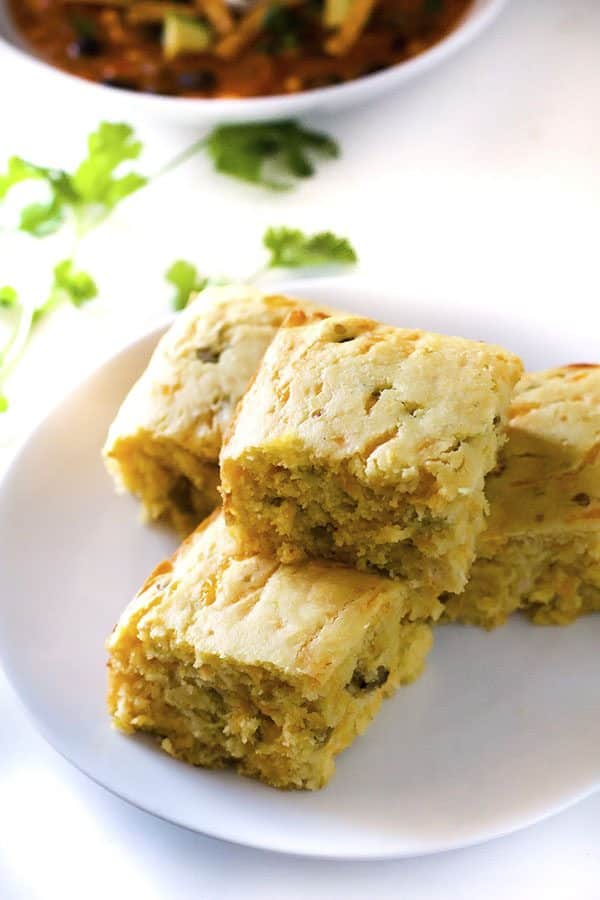
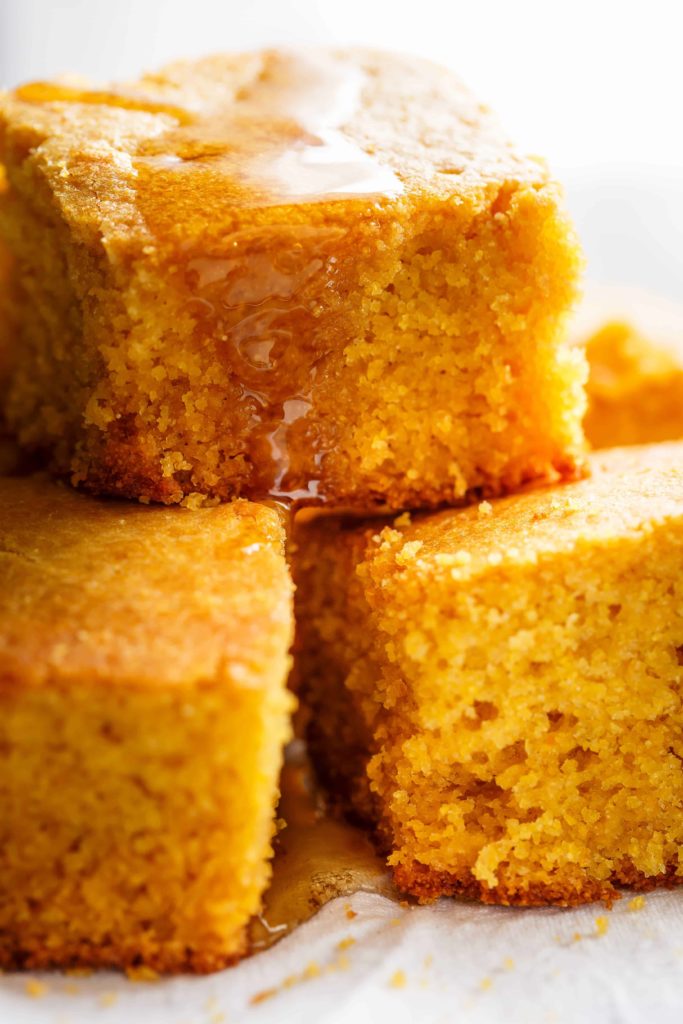
The first thing you notice is the buttery aroma from the hot cast-iron mold. Then comes the light crackle as each golden stick releases from the pan. These savory cornmeal sticks are crisp around the edges, tender in the center, and dotted with sharp cheddar, scallions, garlic, and mild jalapeño.
This Cornbread Sticks Recipe makes fourteen small, savory cornbread sticks with cornmeal, buttermilk, cheddar cheese, and sautéed vegetables. The batter comes together in about 20 minutes, then bakes in a preheated cast-iron cornstick mold until lightly golden. Serve them warm with chili, soup, barbecue, or a holiday meal.
I tested this recipe with both freshly grated and packaged cheese. Freshly grated cheddar melts more evenly, while pre-shredded cheese can leave slightly firmer pockets. I also learned not to rush the pan-heating step; a properly hot mold gives the sticks their browned edges and helps prevent sticking.

Health Benefits & Nutrition
These cornbread sticks are a comforting side dish rather than a low-calorie food, but the ingredients provide several useful qualities:
- Some protein: Egg, buttermilk, and cheddar add protein that helps make the sticks more satisfying than plain cornmeal alone.
- Calcium from dairy: Buttermilk and cheese contribute calcium, although the exact amount depends on the brands you use.
- Energy from carbohydrates: Cornmeal and flour provide carbohydrates that pair well with protein-rich mains, beans, soups, and stews.
- Flavor from vegetables: Jalapeño, scallions, and garlic add savory flavor without relying entirely on extra salt or butter.
One stick contains approximately 130 to 140 calories, depending on the cheddar and butter used. It provides roughly 4 grams of protein, 9 grams of fat, and 9 grams of carbohydrates. These are kitchen estimates, not laboratory measurements.
This recipe contains dairy, egg, gluten, and milk proteins. Anyone with a food allergy should check every ingredient label and use suitable substitutions. For personal dietary needs, pregnancy concerns, or medical conditions requiring nutrition changes, ask a qualified doctor or dietitian.
Ingredients & Preparation
Recipe Card
| Prep time | 20 minutes |
|---|---|
| Cook time | 30 minutes |
| Total time | 50 minutes |
| Servings | 14 cornbread sticks |
| Calories | Approximately 135 per stick |
| Diet tags | American, vegetarian |
Full Ingredient List
- 6 tablespoons unsalted butter, divided
- 1 small red jalapeño pepper, seeded and finely chopped
- 2 scallions, thinly sliced
- 1 garlic clove, minced
- 1/2 teaspoon fine salt, plus more to taste
- 1/2 cup yellow cornmeal
- 1/2 cup all-purpose flour
- 1 teaspoon granulated sugar
- 1/2 teaspoon baking soda
- 1 cup buttermilk, shaken before measuring
- 1 large egg
- 1 cup freshly grated sharp cheddar cheese
Equipment Needed
- Two 7-stick cast-iron cornstick molds
- Medium sauté pan
- Large mixing bowl
- Small bowl
- Whisk and flexible spatula
- Pastry brush
- Cooling rack
Tips for Choosing Quality Ingredients
Use fine or medium yellow cornmeal for a tender crumb. Very coarse meal creates a more rustic texture and can make the narrow sticks feel gritty. Stone-ground cornmeal works well if you enjoy a stronger corn flavor, but avoid meal that smells stale or dusty.
Choose fresh buttermilk with a clean, lightly tangy aroma. Shake it before pouring because the solids settle in the carton. Full-fat buttermilk gives the softest texture, though low-fat buttermilk also works.
A sharp cheddar brings more flavor than mild cheddar, so you can use less cheese without losing its presence. Grate it from a block for the smoothest melting. The jalapeño adds a gentle pepper flavor after the seeds are removed; leave in a few seeds if you prefer more heat.
Step-by-Step Instructions
1. Heat the molds and sauté the vegetables
Set the oven to 425°F and place two 7-stick cast-iron cornstick molds inside. Let them heat for at least 15 minutes. Meanwhile, melt 4 tablespoons of butter in a medium sauté pan over medium-high heat. Add the chopped jalapeño, sliced scallions, and minced garlic. Cook for 2 to 3 minutes, stirring often, until the vegetables soften and smell fragrant. Season with a small pinch of salt, then remove the pan from the heat and cool the mixture for about 5 minutes.
2. Mix the dry ingredients
While the vegetables cool, whisk the cornmeal, flour, sugar, baking soda, and 1/2 teaspoon salt in a large bowl. Break up any small flour or baking soda lumps. A thorough dry mixture prevents a concentrated pocket of baking soda in one cornbread stick.
3. Make the batter
Whisk the buttermilk and egg together in a small bowl for about 20 seconds, just until blended. Make a well in the center of the dry ingredients and pour in the buttermilk mixture. Stir with a spatula for 15 to 20 seconds. Add the sautéed vegetables and any butter remaining in the pan, then fold in the cheddar. Stop mixing as soon as no dry streaks remain; the batter should be thick and spoonable.
4. Fill the hot molds
Carefully remove the molds from the oven. Melt the remaining 2 tablespoons of butter if needed, then brush it generously into every cornstick channel, including the raised edges. Divide the batter evenly among the fourteen molds, filling each channel nearly to the top without packing the mixture down. The batter should sizzle faintly when it touches the hot, buttered iron.
5. Bake and release
Return the molds to the 425°F oven and bake for 10 to 12 minutes. The tops should look lightly golden, the edges should be browned, and the centers should spring back when pressed gently. A toothpick inserted into the thickest part should come out with a few moist crumbs but no wet batter. Cool the molds on a rack for 3 minutes, then loosen each stick with a thin knife and transfer them to the rack.

Variations & Substitutions
- Extra-spicy sticks: Replace the small red jalapeño with one serrano pepper, or keep some jalapeño seeds. Use the same total amount of chopped pepper, about 2 tablespoons, so the batter balance stays the same.
- Smoky cheddar version: Replace half of the sharp cheddar with smoked cheddar. Use 1/2 cup smoked cheddar and 1/2 cup sharp cheddar for a noticeable but not overpowering smoky flavor.
- Herb and scallion sticks: Skip the jalapeño and add 2 tablespoons of chopped fresh chives or parsley. Keep the garlic and scallions as written for a savory, milder side.
- Buttermilk substitute: Combine 3/4 cup plain yogurt with 1/4 cup water to replace 1 cup buttermilk. Stir until pourable. Regular milk mixed with 1 tablespoon lemon juice can work in a pinch, but the sticks may be slightly less tender.
- Gluten-free adaptation: Replace the 1/2 cup all-purpose flour with 1/2 cup cup-for-cup gluten-free baking flour that contains a binder. Check that the cornmeal and baking soda are certified gluten-free if cross-contact matters.
- Cast-iron skillet option: If you do not have cornstick molds, bake the batter in a buttered 8-inch cast-iron skillet at 425°F for approximately 18 to 22 minutes. The result will be wedges rather than individual sticks.
I tried using only milk in place of buttermilk, and the texture was noticeably flatter and less tender. The yogurt-water substitute performed better because it supplies the acidity and body that this batter needs.
Storage & Shelf Life
Store cooled cornbread sticks in an airtight container at room temperature for up to 2 days. Keep them away from steam, since trapped moisture softens the browned edges. Rewarm them in a 325°F oven for 5 to 7 minutes to restore some crispness.
For longer storage, refrigerate the sticks in a sealed container for up to 5 days. Place parchment between layers if you stack them. Reheat on a baking sheet at 350°F for 6 to 8 minutes, or warm individual pieces briefly in the microwave if a crisp edge is not essential.
To freeze them, cool completely and wrap each stick in parchment or plastic wrap. Place the wrapped sticks in a freezer bag and freeze for up to 2 months. Reheat from frozen at 350°F for 12 to 15 minutes, or thaw overnight in the refrigerator first.
Discard any sticks with visible mold, a sour or rancid smell, unusual stickiness, or a flavor that seems spoiled. Do not taste food to decide whether visible mold is safe.

Pro Tips
Preheat the iron thoroughly. Cold molds encourage sticking and produce pale sides. The pans should be hot enough that butter melts immediately and shimmers across the channels.
Brush every ridge. Cornstick molds have narrow corners where batter can cling. Use a pastry brush to coat the bottom, sides, and raised center of each channel. Do not rely on a quick drizzle of butter.
Cool the vegetables before adding the egg mixture. Very hot butter and vegetables can partially cook the egg when combined. Five minutes of cooling is usually enough, especially if you spread the vegetables across the sauté pan.
Do not overmix the batter. Stir only until the flour disappears. Repeated mixing develops gluten and makes the centers heavier. The batter should remain thick, with small visible flecks of vegetable and cheese.
Use a scoop for even portions. A small cookie scoop or tablespoon measure helps fill every channel evenly. Overfilled molds can spread over the raised edges and make the sticks difficult to release.
Watch the first batch closely. Cast-iron molds vary in thickness and heat retention. Begin checking at 10 minutes. If the edges are already deep brown but the center is soft, reduce the oven to 400°F for the next batch.
Let the sticks set before lifting. I once tried to remove them immediately and broke several thin ends. A three-minute rest lets the crumb firm while the residual heat keeps the centers tender.
Questions & Answers
When is the best time to eat Cornbread Sticks Recipe?
The best time to eat these cornbread sticks is warm, within a few minutes of baking. Their edges are crispest and the cheddar is soft while they are fresh from the mold. They are especially good alongside chili, bean soup, roasted meats, barbecue, or a holiday dinner.
Can I make these cornbread sticks without a cast-iron mold?
Yes, you can bake the batter in an 8-inch cast-iron skillet or a small square baking pan. Butter the pan well and bake at 425°F until golden and springy, usually 18 to 22 minutes. Cut the finished cornbread into wedges or small rectangles after it cools for several minutes.
Why did my cornbread sticks stick to the pan?
Sticking usually happens because the mold was not hot enough, the channels were not fully buttered, or the sticks were removed too soon. Heat the empty molds for at least 15 minutes, brush every surface with melted butter, and wait 3 minutes after baking before loosening the edges.
Can I prepare the batter ahead of time?
It is best to bake the batter soon after mixing because the baking soda begins reacting with the buttermilk immediately. You can sauté and cool the vegetables, grate the cheese, and combine the dry ingredients several hours ahead. Mix in the wet ingredients just before filling the hot molds.
How can I make the sticks less spicy?
For milder cornbread sticks, remove all jalapeño seeds and inner ribs before chopping, or replace the pepper with 2 tablespoons of finely diced red bell pepper. Red bell pepper adds color and a gentle sweetness without the heat. Keep the scallions and garlic for savory flavor.
Can I use yellow cornmeal instead of white cornmeal?
Yes, yellow cornmeal works well and gives the sticks a deeper golden color and a more pronounced corn flavor. Use the same 1/2 cup quantity. White cornmeal can be substituted in equal measure, but the finished sticks will look paler and may taste slightly milder.
How do I keep leftover cornbread sticks from drying out?
Keep leftovers in an airtight container and do not refrigerate them uncovered. Refrigeration can dry baked goods, so wrap the sticks or seal them tightly before chilling. Reheat them briefly in a 325°F or 350°F oven rather than using high heat, which can make the centers tough.
More Recipes You Will Love
Serve these savory sticks with a hearty bowl of soup or a comforting main dish. Our Country wild rice with sausage has earthy flavors that pair naturally with the sweet cornmeal and sharp cheddar.
For more meal planning inspiration, browse the Cheesecake factory menu pdf with prices. It can help you compare restaurant-style sides and choose a dish to serve with homemade cornbread.
You can also serve these sticks with vegetarian chili, tomato soup, braised greens, pulled pork, or grilled chicken. Their small size makes them easy to pass around the table.
Conclusion
This Cornbread Sticks Recipe turns a simple cornmeal batter into a flavorful side with crisp edges, tender centers, melted cheddar, and a gentle peppery bite. The most important details are heating the cast-iron molds well, buttering every channel, and letting the baked sticks rest briefly before removing them. Serve them warm for the best texture. If you make a batch, leave a rating or share how you served them.
FAQs
When is the best time to eat Cornbread Sticks Recipe?
Cornbread Sticks Recipe is best eaten warm, soon after baking, when the edges are still crisp and the cheddar is soft. They pair well with chili, soup, barbecue, or a holiday meal. Serve them straight from the cooling rack for the best texture and flavor.
Can I make cornbread sticks without a cast-iron cornstick mold?
Yes, you can bake cornbread sticks without a cast-iron cornstick mold, but the shape and browning will change. A well-greased mini muffin tin or baking sheet can work as a substitute. Check the sticks early, since smaller or thinner shapes can finish faster than the 30-minute cook time in the recipe.
How should I store leftover cornbread sticks?
Store leftover cornbread sticks in an airtight container at room temperature for a short period, or refrigerate them for longer storage. To restore crispness, reheat them in a warm oven until heated through. Let the sticks cool completely before sealing the container so trapped steam does not soften the edges.
Why are my cornbread sticks dry or crumbly?
Dry or crumbly cornbread sticks usually come from overbaking, very coarse cornmeal, or an overmixed batter. Use fine or medium yellow cornmeal, bake until just lightly golden, and stir the batter only until combined. Shaking the buttermilk before measuring also helps keep the crumb moist.
Can I use pre-shredded cheese in cornbread sticks?
Yes, pre-shredded cheddar works, but freshly grated sharp cheddar melts more evenly. Pre-shredded cheese can leave slightly firmer pockets in the finished sticks. Either option still delivers the savory cheese flavor the recipe is built around.