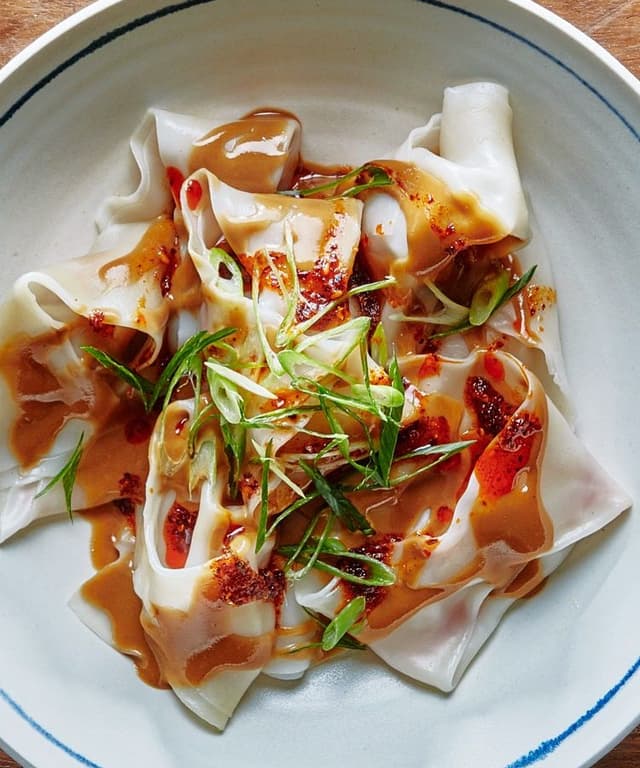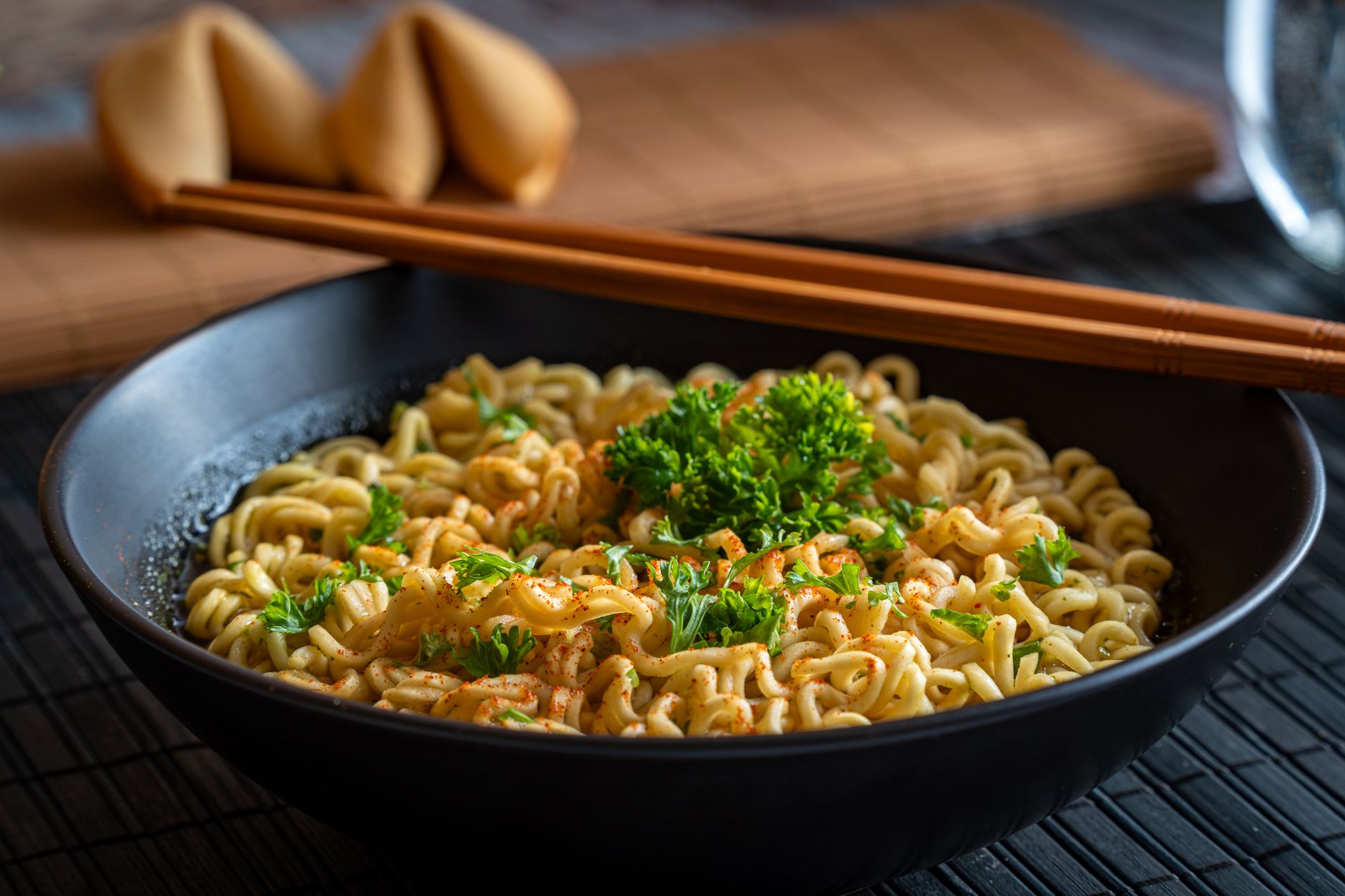
Why Chinese Black Rice Vinegar and Ginger?
Imagine a dipping sauce that instantly brightens your palate with a balance of tangy, earthy, and spicy notes. Chinese black rice vinegar and ginger create that magic duo, offering a flavor profile both fragrant and robust. This pairing is a traditional staple in many Asian kitchens, cherished for its ability to elevate simple dishes like dumplings, steamed fish, or stir-fries. You’ll enjoy the sharp aroma of freshly julienned ginger mingling with the mellow, slightly sweet acidity of black rice vinegar. Whether served as a dipping sauce or drizzled over vegetables, this combination adds a delightful punch to any meal.
Health Benefits & Nutrition
This combination isn’t just about flavor—it brings impressive health benefits too. Ginger is rich in gingerol, a compound known for its anti-inflammatory and antioxidant effects (Harvard Health). It can ease digestive discomfort and reduce nausea, making it a kitchen staple with medicinal value. Black rice vinegar contains acetic acid which may help regulate blood sugar levels and improve metabolism (Journal of Functional Foods, 2018). Plus, the vinegar offers a modest dose of amino acids, aiding digestion. While generally safe, those with acid reflux or on blood-thinning medications should consume ginger and vinegar cautiously and consult a healthcare provider if needed.
Ingredients & Preparation
Recipe Card
| Prep Time | 5 minutes |
|---|---|
| Total Time | 1 hour 5 minutes |
| Servings | 3 tablespoons (3 servings) |
| Calories per Serving | 6 kcal |
| Diet Tags | Vegan, Gluten-Free, Keto-Friendly |
Ingredients
- 1 piece fresh ginger (about 1/2-inch thick), peeled
- 2 to 3 tablespoons Chinese black rice vinegar (or balsamic vinegar as a substitute)
Equipment Needed
- Sharp knife or mandoline for julienning ginger
- Small mixing bowl or dipping dish
- Measuring spoons
- Seal-able glass container or small jar (optional for infusion)
Tips for Choosing Quality Ingredients
When selecting ginger, look for firm roots with smooth skin and a fresh, spicy aroma—not shriveled or moldy. For vinegar, opt for authentic Chinese black rice vinegar for depth and subtle sweetness. Avoid generic vinegar brands that lack the nuanced flavor and aroma. If unavailable, a high-quality balsamic vinegar works but changes the profile slightly. Always pick clear, well-sealed bottles with no sediment for freshness.
Step-by-Step Instructions
Step 1: Peel and Julienne Ginger (5 minutes)
Use a vegetable peeler to remove the skin of the ginger gently. Then cut into thin, even julienne strips approximately 2 inches long for optimal flavor release.
Step 2: Measure the Vinegar (1 minute)
Pour 2 to 3 tablespoons of Chinese black rice vinegar into a small bowl or jar. The amount depends on how intense you want the vinegar taste.
Step 3: Combine Ginger and Vinegar (1 minute)
Add the julienned ginger directly into the vinegar. Stir gently to ensure even distribution of flavors.
Step 4: Infuse the Flavors (1 hour)
Allow the mixture to sit at room temperature for at least 1 hour. This resting time lets the sharp freshness of the ginger infuse deeply into the rich, dark vinegar, developing a complex, harmonious flavor.
Step 5: Serve or Store
Once infused, the ginger and vinegar mixture is ready to use as a dipping sauce or condiment. You can refrigerate leftovers in a sealed container for later use.
Variations & Substitutions
- Garlic Addition: Add finely minced garlic to the vinegar and ginger mix for a pungent twist. Use 1 clove for subtle impact.
- Honey Ginger Vinegar: Mix in a teaspoon of honey or maple syrup for a touch of sweetness that balances vinegar’s acidity.
- Spicy Kick: Include thinly sliced fresh chili or a dash of chili flakes to introduce heat. Adjust according to your spice tolerance.
- Substituting Vinegar: If Chinese black rice vinegar is unavailable, balsamic vinegar is the closest alternative, but avoid white vinegar as it lacks similar depth.
- Pickled Ginger Style: Add a pinch of salt and sugar, and extend infusion to 24 hours in the fridge to mimic pickled ginger flavors.
Storage & Shelf Life
Store your ginger and vinegar blend covered in the refrigerator to maintain freshness. It stays good for up to 2 weeks when refrigerated properly. For longer storage, you can freeze the mixture in an airtight container for up to 3 months; the texture of ginger may soften upon thawing but flavor remains intact.
Watch for signs of spoilage such as an off-smell, cloudiness, or mold growth. If any are present, discard immediately.
Pro Tips
- Use a fine julienne technique so the ginger infuses quickly and evenly without overpowering the vinegar’s smooth acidity.
- Allow the mixture to rest at room temperature for at least an hour before refrigerating. This boosts flavor amalgamation greatly.
- Wipe your cutting tools immediately after slicing ginger. The oils can stain plastic and linger strongly on hands if not washed off promptly.
- Choose a shallow wide container rather than a narrow jar during infusion to maximize surface area contact, enhancing flavor extraction.
- For a milder version, rinse the julienned ginger briefly under cold water before mixing with vinegar. This reduces pungency while keeping aroma.
When is the best time to eat or use Chinese Black Rice Vinegar and Ginger?
This flavorful combo shines alongside meals but can be enjoyed anytime as a palate enhancer. It’s especially rewarding with dumplings, grilled seafood, or as a dipping sauce during family dinners. You can also brush it over roasted vegetables for a tangy glaze. Ideally, prepare it an hour ahead to unlock its full taste potential.
Can I substitute balsamic vinegar for Chinese black rice vinegar?
Yes, balsamic vinegar is the closest substitute when black rice vinegar is unavailable. It shares a similar sweet acidity but has a thicker, richer profile. Avoid white or apple cider vinegar as they lack the complex umami of black vinegar.
How long should I marinate the ginger in vinegar?
At least one hour is recommended to allow the flavors to meld fully. You can extend this to overnight in the refrigerator for deeper, more intense infusion.
Is Chinese black rice vinegar and ginger safe during pregnancy?
Generally, consuming small amounts as a condiment is safe. However, due to the acidity and concentrated ginger components, it’s wise to consult your healthcare provider if you have any concerns or experience sensitivity.
Can this mixture help with digestion?
Yes, both ginger and vinegar have traditionally supported digestion. Ginger is known to alleviate nausea, and vinegar may improve gut health by promoting beneficial bacteria, according to studies published by the Journal of Gastroenterology.
How should leftover ginger vinegar be stored?
Keep it refrigerated in a glass container with a tight lid. Use it within two weeks for best quality. Freezing is optional but may slightly alter ginger texture.
Can I make a larger batch and store it?
Definitely. Increase ingredient quantities proportionally and store in airtight containers. Stir before serving, as settling may occur but flavor remains intact.
Does the color of the vinegar affect the dish?
Yes. Chinese black rice vinegar offers a darker, deeper color and mild sweetness, adding both flavor and visual appeal. Using lighter vinegar changes the taste and appearance, resulting in a sharper, less complex sauce.

More Recipes You Will Love
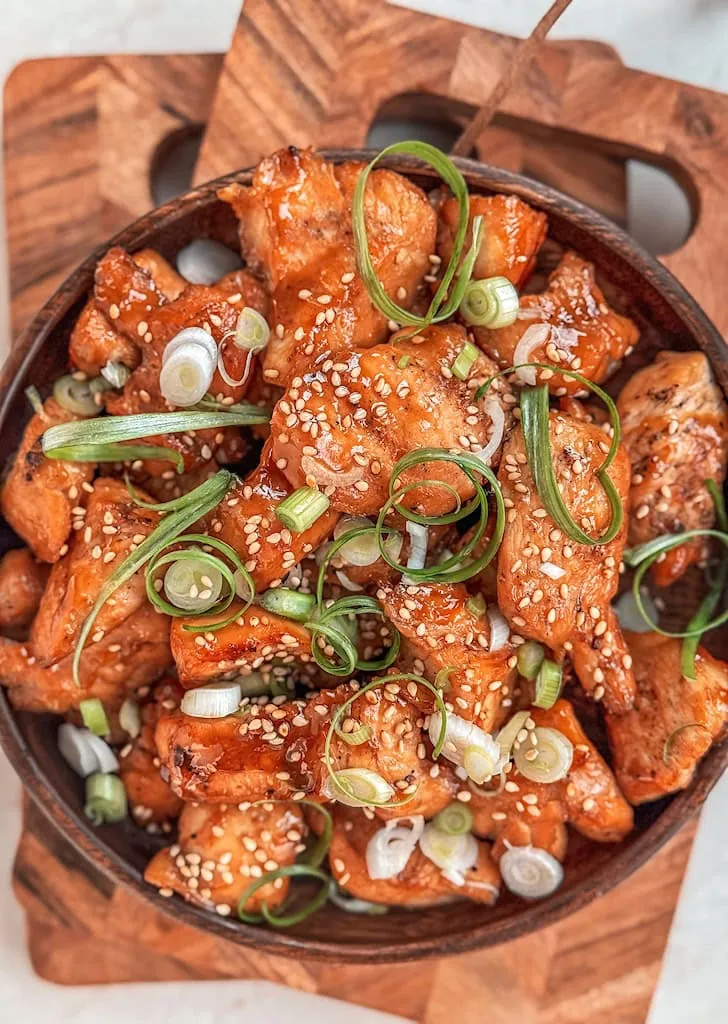
If you enjoy the zesty punch of Chinese black rice vinegar and ginger, you’ll definitely want to try the Sesame Ginger Chicken Cheesecake Factory. It highlights similar flavors in a satisfying main dish. Additionally, explore our detailed Chinese black rice vinegar and ginger 2129309 recipes for variations and creative uses that will keep your taste buds dancing.
Conclusion
Chinese black rice vinegar and ginger combine in perfect harmony to add bright, earthy, and spicy notes to your meals. This simple yet versatile condiment offers both flavor and health benefits, making it a kitchen essential. By following the easy steps here, you can create your own homemade infusion that brings authentic Asian taste to your table. Feel free to comment below with your favorite ways to use this delicious mixture or share your tips! Your culinary adventure awaits.
FAQs
When is the best time to use Chinese Black Rice Vinegar And Ginger?
The best time to use Chinese Black Rice Vinegar And Ginger is when serving dumplings, steamed fish, or fresh vegetables. It can also be added as a finishing drizzle on stir-fries to enhance flavor immediately before eating.
Can Chinese Black Rice Vinegar And Ginger help with digestion?
Yes, both ingredients support digestion. Ginger contains compounds that soothe the digestive tract, while black rice vinegar’s acetic acid can promote better metabolism and gut health when consumed in moderation.
How long should I infuse ginger in the black rice vinegar?
For optimal flavor, allow the ginger to infuse in the black rice vinegar for at least one hour at room temperature. This time allows the sharpness of the ginger to blend well with the mellow acidity of the vinegar.
Is this sauce suitable for special diets?
Absolutely, this sauce is vegan, gluten-free, and keto-friendly. It contains minimal calories and no animal products, making it suitable for various dietary preferences and restrictions.
Can I substitute other types of vinegar for black rice vinegar?
If black rice vinegar is unavailable, you can substitute balsamic vinegar for a similar sweetness and depth, although the flavor profile will differ slightly. Avoid generic vinegars to maintain quality and taste.