Why Chimichurri Skirt Steak with Grilled Shishito Peppers Works
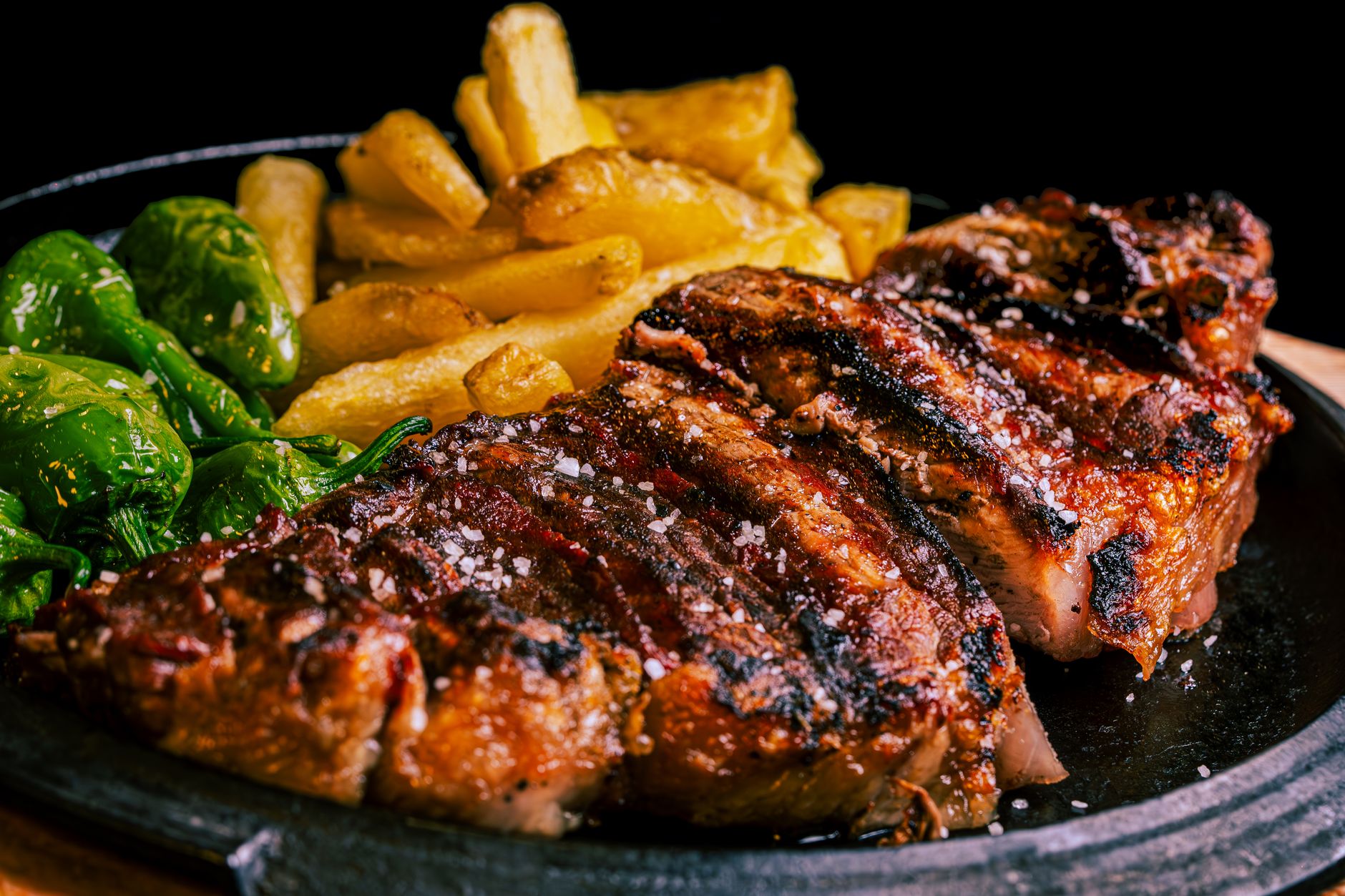
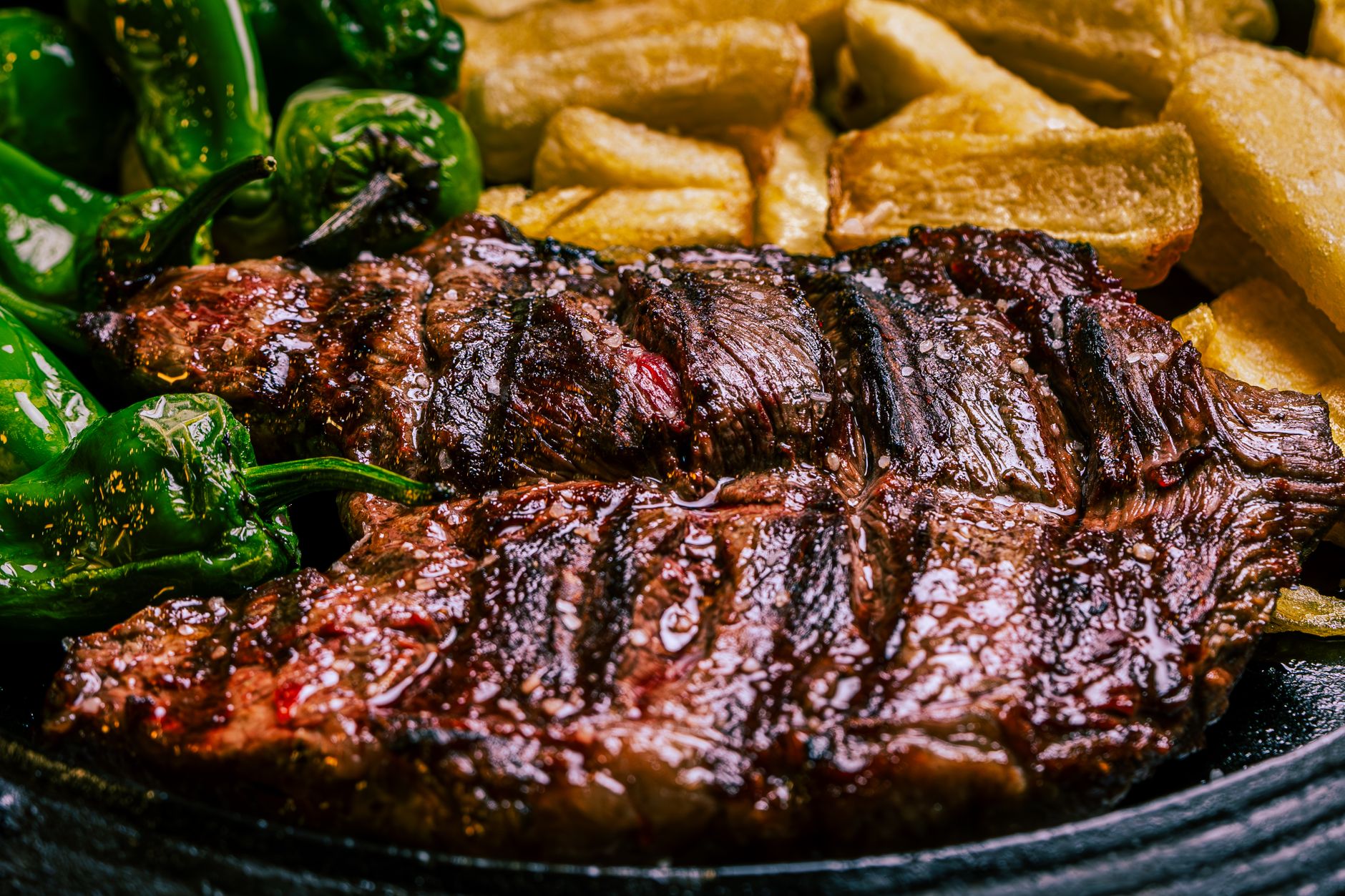
The steak hits the hot grill with a sharp herbal aroma, while the shishito peppers blister and pop beside it. Chimichurri Skirt Steak with Grilled Shishito Peppers is a fast, flavorful meal built around marinated beef, fresh herbs, and smoky green peppers.
This recipe combines skirt steak marinated in garlicky cilantro chimichurri with blistered shishito peppers finished with lime. The marinade seasons the beef and doubles as a bright serving sauce, so the finished plate tastes fresh rather than heavy. Grill the steak over medium-high heat, rest it briefly, and slice it across the grain for tender pieces.
Skirt steak cooks quickly, but its thin shape means some sections may finish before others. I remove the thinner pieces as soon as they reach medium-rare rather than waiting for the thickest section. That small adjustment keeps the steak juicy and prevents the edges from becoming chewy.

Health Benefits & Nutrition
This meal offers a satisfying mix of protein, vegetables, herbs, and fat from olive oil. Nutrition will vary with the exact steak thickness, trimming, and amount of sauce served, so the figures below are approximate rather than laboratory-verified.
- Protein for a filling meal: Skirt steak provides substantial protein, which helps make a moderate portion feel satisfying alongside the peppers.
- Fresh herbs and peppers: Cilantro, scallions, garlic, lime, and shishito peppers add flavor and small amounts of vitamins, minerals, and plant compounds without relying on a sugary sauce.
- Lower in carbohydrates: The recipe contains only a small amount of carbohydrate from the peppers, scallions, garlic, and vinegar. Serve it with rice, potatoes, or bread if you prefer a higher-carbohydrate plate.
- Olive oil adds unsaturated fat: The oil contributes richness and helps carry the flavors of the herbs. It also adds calories, so the total depends partly on how generously you spoon on the reserved chimichurri.
For an approximate serving, plan on about 620 calories, 42 grams of protein, 8 grams of carbohydrates, and 45 grams of fat. People with beef, cilantro, or pepper allergies should avoid the relevant ingredient and choose a suitable substitute. If you need personalized advice for a medical condition, medication, pregnancy, or a specific eating plan, consult a qualified doctor or dietitian.
Ingredients & Preparation
Recipe Card
| Prep time | 2 hours 10 minutes, including marinating |
|---|---|
| Cook time | 20 minutes |
| Total time | 2 hours 30 minutes |
| Servings | 4 |
| Calories | Approximately 620 per serving |
| Diet tags | Gluten-free, low-carbohydrate |
Full ingredient list
- 1/3 cup sherry vinegar
- 3 scallions, roughly chopped
- 2 garlic cloves
- 1 small bunch cilantro, stems included and roughly chopped, about 1 1/4 cups
- 1/3 cup plus 1 tablespoon olive oil, divided, plus more for brushing
- 1 teaspoon kosher salt for the chimichurri
- Freshly ground black pepper, plus more for seasoning the steak
- 1 3/4 pounds skirt steak, cut into 4 pieces
- 12 ounces shishito peppers
- 1/2 teaspoon ground Aleppo pepper or mild chili powder
- 1/2 teaspoon kosher salt for the peppers
- Juice of 1/2 lime
Equipment needed
- Blender or small food processor
- Large resealable bag or shallow nonreactive dish
- Grill or heavy grill pan
- Instant-read thermometer
- Tongs
- Small bowl and cutting board
Tips for choosing quality ingredients
Look for skirt steak with an even thickness and visible but not excessive marbling. Outside skirt is often more tender, but inside skirt works well when sliced thinly across the grain. Ask the butcher to remove any tough surface membrane if it is still attached.
Choose cilantro with perky leaves and firm stems. The stems contain plenty of flavor and blend easily, so there is no need to discard them. Shishito peppers should be glossy, firm, and mostly bright green, with no soft or wrinkled spots.
Sherry vinegar gives the sauce a rounded tang. Red wine vinegar is an acceptable substitute, but avoid sweetened vinegar because it can make the marinade taste unbalanced. Use a neutral-tasting extra-virgin olive oil so it supports rather than overwhelms the herbs.
Step-by-Step Instructions
1. Blend and reserve the chimichurri
Add the sherry vinegar, scallions, garlic, cilantro, 1/3 cup olive oil, 1 teaspoon kosher salt, and a generous grinding of black pepper to a blender. Blend on high for 45 seconds, pausing once to scrape the sides, until the herbs are finely broken down and the sauce looks loose and green. Measure out 1/3 cup into a clean bowl and refrigerate it for serving.
2. Marinate the skirt steak
Place the steak in a large resealable bag or shallow dish and pour in the remaining chimichurri. Seal or cover, turn the steak to coat, and refrigerate for 2 hours, or up to 8 hours. I found that the two-hour mark gives plenty of flavor without making the surface overly soft from the vinegar.
3. Heat the grill and cook the steak
Preheat a grill or grill pan over medium-high heat for 5 minutes, aiming for about 425°F to 450°F. Brush the grates lightly with oil. Remove the steak from the marinade, wipe away most of the excess, and season both sides with salt and black pepper. Grill for 4 to 5 minutes per side, turning once, until the thickest pieces reach 125°F for medium-rare. Transfer thinner pieces sooner if needed.
4. Rest and slice the beef
Transfer the cooked steak to a cutting board and rest it for 5 minutes. The surface should be deeply browned, and the juices should settle instead of running immediately onto the board. Slice each piece thinly across the grain. Cutting with the grain makes this particular cut noticeably chewier.
5. Grill and finish the shishito peppers
Reduce the grill or grill pan to medium, around 350°F to 400°F. Toss the peppers with 1 tablespoon olive oil, the Aleppo pepper or chili powder, and 1/2 teaspoon kosher salt. Grill for about 6 minutes, turning every 60 to 90 seconds, until the skins are blistered and the peppers have softened. A few dark spots and a faint popping sound are good signs. Toss with the lime juice and serve with the sliced steak and reserved sauce.
Variations & Substitutions
- Parsley chimichurri: Replace half of the cilantro with an equal volume of flat-leaf parsley. For a milder, more traditional herb flavor, use 3/4 cup cilantro and 3/4 cup parsley.
- Different cut of beef: Substitute 1 3/4 pounds of flank steak. Marinate it for 2 to 4 hours, then grill until it reaches your preferred internal temperature. Rest for 8 minutes because flank steak is thicker than most skirt steak.
- Less heat: Leave out the Aleppo pepper and use 1/4 teaspoon sweet paprika instead. Shishito peppers are generally mild, but an occasional pepper can still be hot.
- More heat: Add 1/4 teaspoon crushed red pepper flakes to the blender. This adds heat without changing the liquid balance of the chimichurri.
- No cilantro: Use 1 1/2 cups flat-leaf parsley and add 1 tablespoon finely chopped fresh oregano. The flavor will be more savory and less citrusy.
- Indoor cooking: Use a cast-iron grill pan or large skillet over medium-high heat. Cook the steak in batches if necessary, leaving space between pieces so they sear instead of steam.
Storage & Shelf Life
Refrigerate leftover cooked steak and grilled peppers in separate airtight containers within 2 hours of cooking. The steak keeps for up to 3 days, while the peppers are best within 3 days. Store the reserved chimichurri separately and use it within 3 days for the freshest flavor.
To freeze the steak, cool it completely, wrap individual portions tightly, and place them in a freezer bag with as much air removed as possible. Freeze for up to 2 months. Thaw overnight in the refrigerator, then warm gently in a covered skillet with a splash of water or broth. Freezing the peppers is possible, but their texture will become softer.
Do not use leftovers if they smell sour or unpleasant, feel slimy, show mold, or have developed an unusual color. Discard chimichurri that has fermented, bubbled unexpectedly, or smells off. Reheat beef until hot throughout, but avoid prolonged heating because skirt steak dries quickly.
Pro Tips
Reserve sauce before the raw beef goes in. This prevents cross-contamination and gives you a clean, fresh portion for the table. Never serve marinade that has touched raw steak unless you boil it thoroughly first; reserving it at the beginning is easier and tastes brighter.
Do not leave a thick coating of marinade on the steak. Excess sauce can drip and cause flare-ups, and the wet surface delays browning. Wipe away the loose marinade while leaving the herbs clinging lightly to the meat.
Use temperature and texture together. An instant-read thermometer is the most reliable guide, but the steak should also feel springy when pressed. Because skirt steak varies in thickness, check each piece rather than relying on one reading.
Slice across the visible muscle fibers. Before grilling, look for the direction of the long lines in the meat. After resting, turn the steak 90 degrees and cut thinly across those lines. This shortens the muscle fibers and makes each bite easier to chew.
Keep the peppers moving. Shishitos scorch quickly in a dry pan. Turning them often gives you scattered golden-brown blisters while keeping the skins from burning before the centers soften. I once left them untouched for too long, and the blackened skin overwhelmed the lime and chili seasoning.
Balance the sauce at the end. Taste the reserved chimichurri after the steak has been cooked. If it seems sharp, stir in a teaspoon of olive oil. If it tastes flat, add a small pinch of salt or a few drops of vinegar rather than pouring in more of both.
Questions & Answers
When is the best time to eat Chimichurri Skirt Steak With Grilled Shishito Peppers?
The best time to eat this dish is immediately after the steak rests and the peppers are still warm. The beef is juiciest then, and the chimichurri stays vivid and fresh. Leftovers are still useful for lunch within three days, but slice and reheat them gently to protect the texture.
Can I marinate skirt steak overnight?
Yes, you can marinate skirt steak for up to 8 hours. The vinegar adds flavor quickly, so an overnight soak is not necessary for a good result. Longer marinating can soften the outer surface too much, especially when the steak is thin.
What temperature should skirt steak reach?
For medium-rare skirt steak, remove it from the grill at about 125°F. The temperature may rise slightly while the meat rests. For food-safety preferences, cook beef to a higher internal temperature and understand that the steak may be less tender and juicy.
Why is my skirt steak tough?
Skirt steak is usually tough when it is overcooked, sliced with the grain, or cut too thickly. Use an instant-read thermometer, rest the meat for 5 minutes, and slice thinly across the muscle fibers. Removing the steak when thinner sections are ready also helps.
Are shishito peppers spicy?
Shishito peppers are usually mild, but an occasional one can have noticeable heat. Grilling softens their grassy flavor and creates sweet, smoky blistered spots. If you want less heat, replace them with sliced mini sweet peppers or small mild bell peppers.
Can I make the chimichurri without a blender?
Yes, you can make it by hand. Finely chop the scallions, garlic, and cilantro, then whisk them with the vinegar, olive oil, salt, and pepper. The hand-chopped sauce will have more texture than the blended version, but it works well as both a marinade and topping.
What can I serve with this steak?
Serve it with warm crusty bread, rice, roasted potatoes, corn, or a simple tomato salad. The fresh sauce also pairs nicely with grilled vegetables. For another beef-centered dinner, try Grilled flank steak with mozzarella and basil 7233662.
More Recipes You Will Love
If you enjoy tender grilled beef with a fresh sauce, Grilled flank steak with mozzarella and basil 7233662 is another excellent option. It has the same relaxed, grill-friendly spirit with creamy mozzarella and fragrant basil.
For a more elaborate steak dinner, try Steak oscar with stone crab and breezy bearnaise sauce 12342744. The crab and bearnaise create a richer plate, while the chimichurri recipe here stays bright, quick, and herb-forward.
Conclusion
Chimichurri Skirt Steak with Grilled Shishito Peppers brings together smoky beef, tangy herbs, and lightly charred peppers in one uncomplicated meal. Marinate the steak for two hours, watch the thinner pieces closely, and slice across the grain after resting. The reserved chimichurri keeps every bite lively. If you make it, consider leaving a rating or sharing how you adjusted the heat and pepper seasoning.
FAQs
When is the best time to eat Chimichurri Skirt Steak With Grilled Shishito Peppers?
The best time to eat it is right after grilling, once the steak has rested briefly and the peppers are still blistered. Chimichurri tastes brightest when fresh, so serve it soon after mixing. It works well as a weeknight dinner or a relaxed summer meal.
Can I use flank steak instead of skirt steak?
Yes, flank steak is a good substitute for skirt steak in this recipe. Its similar thickness and beefy flavor work well with the chimichurri marinade. Grill it over medium-high heat, cook to medium-rare, and slice thinly across the grain. Flank steak is usually a little leaner, so it may cook slightly differently and benefit from careful timing.
How long can leftover chimichurri skirt steak be stored?
Leftover chimichurri skirt steak should be refrigerated in an airtight container within two hours of cooking and eaten within three to four days. Store the shishito peppers separately if possible, since they soften quickly. Reheat gently in a skillet or serve the steak cold over salad.
Why is my skirt steak tough?
Skirt steak usually turns tough from overcooking or from being sliced with the grain. Cook it over medium-high heat, remove thinner pieces once they reach medium-rare, and let it rest briefly. Then slice across the grain into thin pieces so each bite is more tender.
Are shishito peppers spicy?
Most shishito peppers are mild, but some can be noticeably spicy, so it is hard to predict heat from one pepper. Grilling them until blistered mellows the flavor a little. Taste a pepper before serving the batch, and remove any that are unexpectedly hot if you are serving children or heat-sensitive guests.