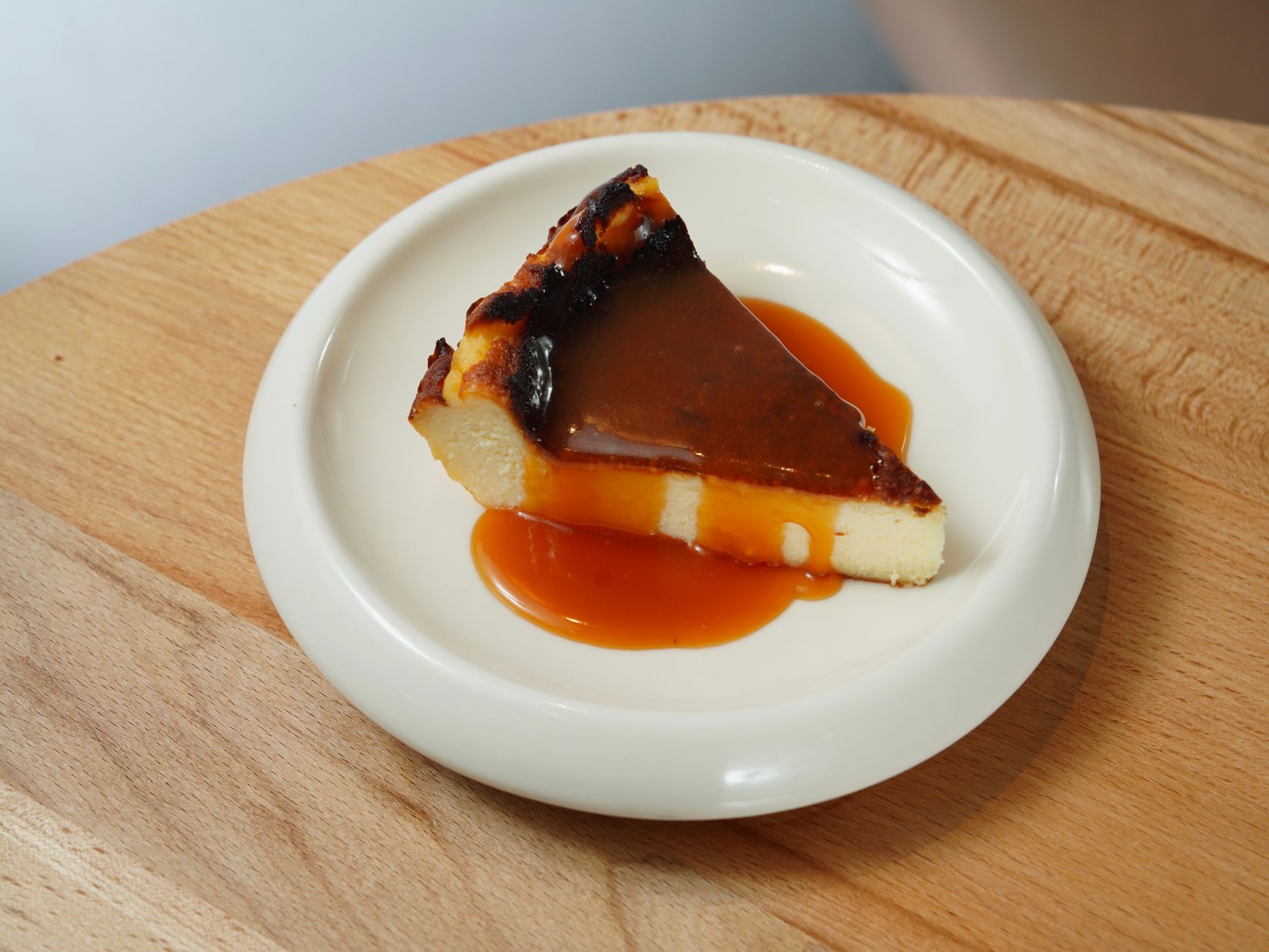
Why Caramel Sauce Recipe2 Works So Well
A spoonful of warm caramel brings a toasted sugar aroma, glossy texture, and deep buttery sweetness to almost any dessert. The sauce looks fancy, but the method uses only four ingredients and one saucepan.
Caramel Sauce Recipe2 is made by dissolving sugar in water, cooking it until amber brown, then carefully adding warm heavy cream and vanilla. The finished sauce becomes smooth and pourable after cooling, making it ideal for ice cream, apple desserts, cakes, pancakes, and cheesecakes.
I have made this sauce many times, and the final minute of browning is the part that deserves your full attention. The color can change from pale gold to burnt within seconds. Remove it from the heat when it reaches a warm chestnut shade, not a dark brown one.
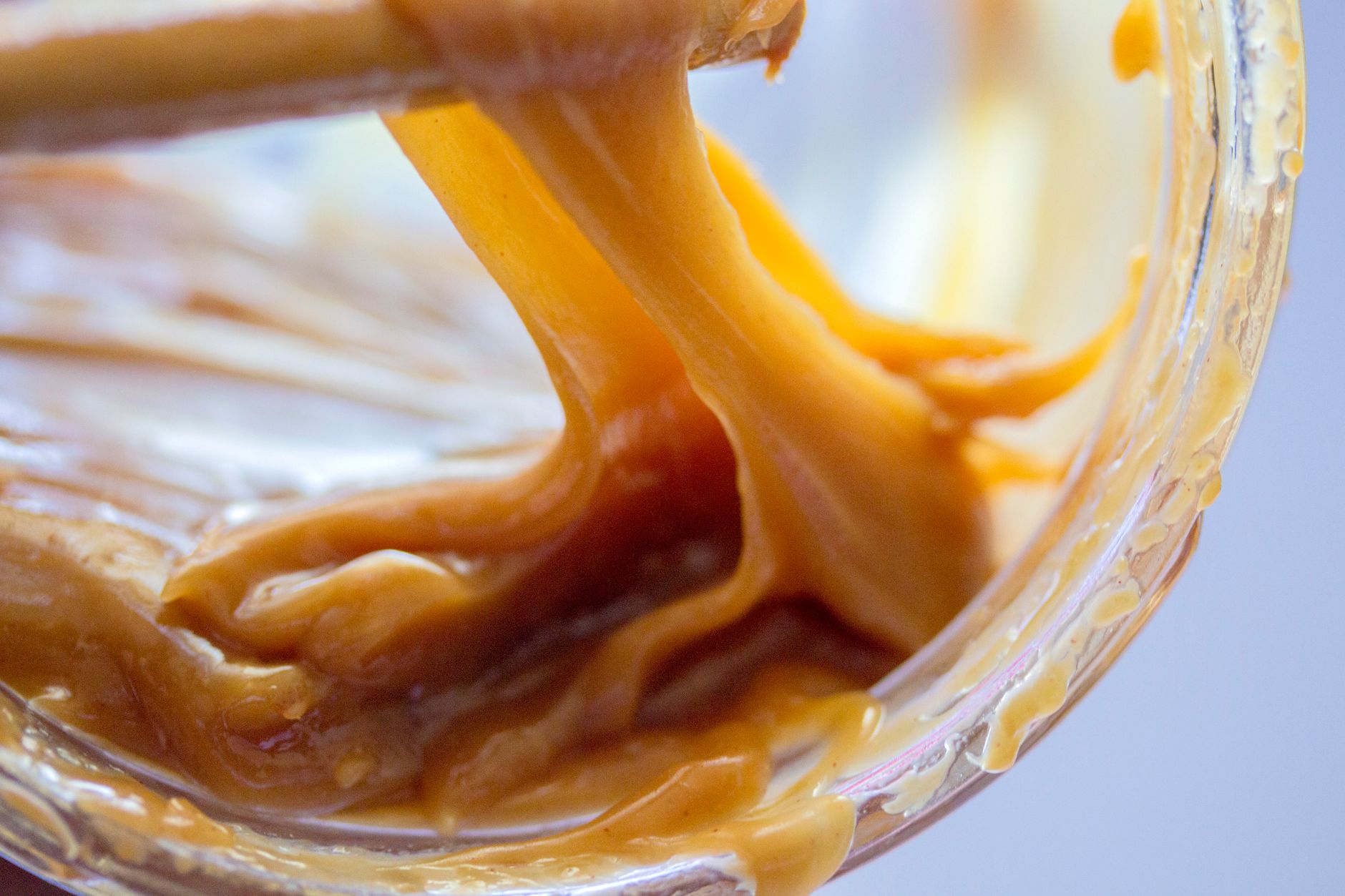
This recipe makes a rich, classic caramel rather than a thin syrup. It thickens noticeably as it cools, so do not judge the final texture while it is still bubbling in the pan.
Health Benefits & Nutrition
This is a dessert sauce, so it is best enjoyed in modest portions. Its main purpose is flavor and texture rather than nutrition. The approximate nutrition below assumes the sauce is divided into five equal servings.
- Quick source of energy: Sugar and carbohydrates provide readily available energy, although the sauce is also high in added sugar.
- Some fat and protein: Heavy cream contributes fat and a small amount of protein, which gives the sauce its rich mouthfeel.
- Calcium from cream: Dairy cream supplies a small amount of calcium, but a serving of sauce is not a major source.
- Portion-friendly flavor: A spoonful can add strong caramel flavor to plain fruit, yogurt, oatmeal, or ice cream without needing a large amount.
People with milk allergies or dairy intolerance should use a suitable dairy-free alternative and check its ingredients carefully. Hot caramel can cause serious burns, so keep children and pets away from the stove and handle the cream addition slowly. For personal dietary advice, speak with a doctor or registered dietitian.
Ingredients & Preparation
Recipe Card
| Prep time | 4 hours 5 minutes |
|---|---|
| Cook time | 13 minutes |
| Total time | 4 hours 18 minutes |
| Servings | 5 |
| Calories | Approximately 435 per serving |
| Diet tags | Vegetarian; gluten-free; contains dairy |
Full Ingredient List
- 1 1/2 cups granulated sugar
- 1/3 cup water
- 1 1/4 cups heavy cream
- 1/2 teaspoon pure vanilla extract
Equipment Needed
- Medium, heavy-bottomed saucepan
- Wooden spoon or heatproof spatula
- Candy thermometer, optional but helpful
- Measuring cups and measuring spoons
- Heatproof bowl or glass jar for storage
- Oven mitts or a thick kitchen towel
Tips for Choosing Quality Ingredients
Use ordinary granulated sugar rather than powdered sugar or coarse sugar. Granulated sugar melts predictably and gives you a clean caramel flavor. Water is added only to help the sugar dissolve, so filtered or tap water both work.
Choose heavy cream with at least 35 percent milk fat if possible. Lower-fat cream can produce a thinner sauce and may not emulsify as smoothly. Keep the cream at room temperature before cooking, or warm it gently so the temperature difference is less dramatic when it meets the caramel.
Pure vanilla extract gives the sauce a rounded aroma. Add it after the cream, not before the sugar caramelizes, because prolonged high heat can dull its fragrance.
Step-by-Step Instructions
1. Dissolve the sugar and water over low heat
Place 1 1/2 cups sugar and 1/3 cup water in a medium heavy-bottomed saucepan. Set the pan over low heat for 5 to 10 minutes, without stirring, until the sugar has dissolved and the liquid looks clear. If sugar crystals cling to the sides, brush them down with a wet pastry brush or cover the pan briefly with a lid.
2. Caramelize the syrup to 350°F
Increase the heat to medium and boil the syrup uncovered for 5 to 7 minutes, gently swirling the pan occasionally. Cook to about 350°F on a candy thermometer, or until the syrup turns a warm chestnut brown and smells toasted. Watch continuously during this stage; the color changes very quickly at the end.
3. Add the cream and vanilla off the heat
Turn off the heat and stand back. Slowly pour in 1 1/4 cups heavy cream, followed by 1/2 teaspoon vanilla extract. The mixture will bubble forcefully, rise in the pan, and the caramel may briefly harden into sticky pieces. This reaction is normal, but keep your hands and face away from the steam.
4. Smooth the sauce over low heat
Return the saucepan to low heat and stir constantly for about 2 minutes, until the hardened caramel dissolves and the sauce becomes glossy. The finished liquid should coat a spoon lightly and flow in a smooth ribbon. Do not boil it aggressively, or the cream may scorch around the edges.
5. Cool the caramel for 4 hours
Pour the sauce into a heatproof container and cool it at room temperature for at least 4 hours. It will thicken as it sits. The first time I made this, I judged it too soon and added extra cream because it looked thin; after cooling, it was already the right consistency and became too loose when reheated.
Variations & Substitutions
- Salted caramel: Add 1/2 teaspoon fine sea salt with the vanilla. For a more pronounced salty finish, increase to 3/4 teaspoon, tasting only after the sauce has cooled.
- Dairy-free caramel: Replace the heavy cream with 1 1/4 cups full-fat canned coconut milk. Shake the can first and expect a gentle coconut flavor. The sauce may be slightly softer when chilled.
- Brown sugar caramel: Replace 1/2 cup of the granulated sugar with packed light brown sugar. The sauce will taste more molasses-like and may darken faster, so watch the pan closely.
- Espresso caramel: Stir 1 teaspoon instant espresso powder into the cream before adding it to the caramel. This adds bitterness and works especially well with chocolate desserts.
- Spiced caramel: Add 1/4 teaspoon ground cinnamon and a pinch of nutmeg with the vanilla. Avoid adding ground spices directly to the dry sugar, where they can scorch.
- Thinner dessert drizzle: Stir 1 tablespoon warm heavy cream into the finished sauce. Add another tablespoon only if needed, because too much cream can make the sauce watery.
I tried using milk instead of heavy cream, and the result was noticeably thinner and less velvety. It can work for a light drizzle, but heavy cream gives the most dependable texture and fuller flavor.
Storage & Shelf Life
Store cooled caramel sauce in a clean, airtight jar in the refrigerator for up to 14 days. Label the jar with the date so you can track its freshness. The sauce will become firm and spoonable when cold.
To rewarm it, microwave the sauce in 15-second intervals, stirring between each interval. You can also place the jar in a saucepan of warm water. Avoid overheating, which can cause the butterfat in the cream to separate or make the sauce dangerously hot.
For longer storage, freeze the sauce in a freezer-safe container for up to 3 months. Leave some space at the top for expansion. Thaw it overnight in the refrigerator, then warm it gently and stir until smooth.
Discard the sauce if it develops mold, an unpleasant sour smell, unusual bubbling, a curdled appearance that does not smooth when gently warmed, or a taste that seems off. Do not taste food that shows clear signs of spoilage.
Pro Tips for Smooth Caramel
Use a light-colored or stainless-steel saucepan if you have one. It makes the changing sugar color easier to see than a dark nonstick pan. This small detail helps prevent over-browning.
Do not stir the sugar and water while the syrup is dissolving. Stirring can splash syrup onto the sides of the pan, where it may crystallize. Once the sugar has dissolved, gentle pan swirling is enough.
Warm the heavy cream slightly before adding it. It does not need to be hot; about 100°F to 120°F is sufficient. A mild temperature difference reduces the intensity of the bubbling, though the mixture will still foam vigorously.
Use a saucepan larger than you think you need. The cream expands quickly when it hits the caramel. A pan with high sides gives the sauce room to rise without spilling over.
Do not scrape burnt sugar from the bottom into the sauce. If only a small amount of caramel sticks to the pan, continue with the smooth portion. Burnt bits add a harsh, bitter flavor that cannot be hidden by extra vanilla or cream.
For a thicker sauce, allow it to cool fully before adjusting anything. If it is still too thin after cooling, warm it gently and simmer for another 1 to 2 minutes. If it is too thick, stir in warm cream one tablespoon at a time.
Questions & Answers
When is the best time to use Caramel Sauce Recipe2?
The best time to use Caramel Sauce Recipe2 is after it has cooled for at least 4 hours. Cooling allows the sauce to thicken and develop its final texture. Use it cold for a firm spread, at room temperature for drizzling, or gently warmed over ice cream, pancakes, fruit, cake, and cheesecake.
Why did my caramel sauce turn grainy?
Grainy caramel usually results from sugar crystals forming during cooking. Avoid stirring while the sugar dissolves, keep crystals from clinging to the pan sides, and use clean equipment. If the finished sauce is slightly grainy, warm it over low heat with constant stirring; some crystallization may dissolve.
Can I make caramel sauce without a candy thermometer?
Yes, you can make it without a candy thermometer by watching the color and aroma. Cook the syrup until it reaches a warm chestnut brown and smells toasted, then remove it from the heat immediately. A thermometer makes the process easier, but visual cues are reliable with close attention.
Why did the caramel harden when I added cream?
The caramel hardens because the cooler cream rapidly lowers the sugar mixture’s temperature. Keep the pan off the heat, add the cream slowly, and return the mixture to low heat afterward. Stir for about 2 minutes, and the solid pieces should melt back into a smooth sauce.
How can I make the sauce thicker?
Make the sauce thicker by simmering it gently for 1 to 2 additional minutes after the cream has been added. It will also thicken considerably as it cools. Avoid reducing it too far, because overcooked caramel can become chewy, bitter, or difficult to pour.
Can I use caramel sauce on savory foods?
Yes, a small amount can work in savory dishes that include roasted fruit, pork, squash, or salty cheese. Add salt or a little vinegar to balance the sweetness. Use it sparingly, since this recipe is designed as a dessert sauce and contains a high proportion of sugar.
What should I do if my caramel sauce is too thick?
Thin an overly thick sauce with warm heavy cream, adding 1 tablespoon at a time while stirring over low heat. You can also warm it briefly before serving, since chilled caramel becomes much firmer. Add liquid gradually so the sauce does not become runny.
More Recipes You Will Love
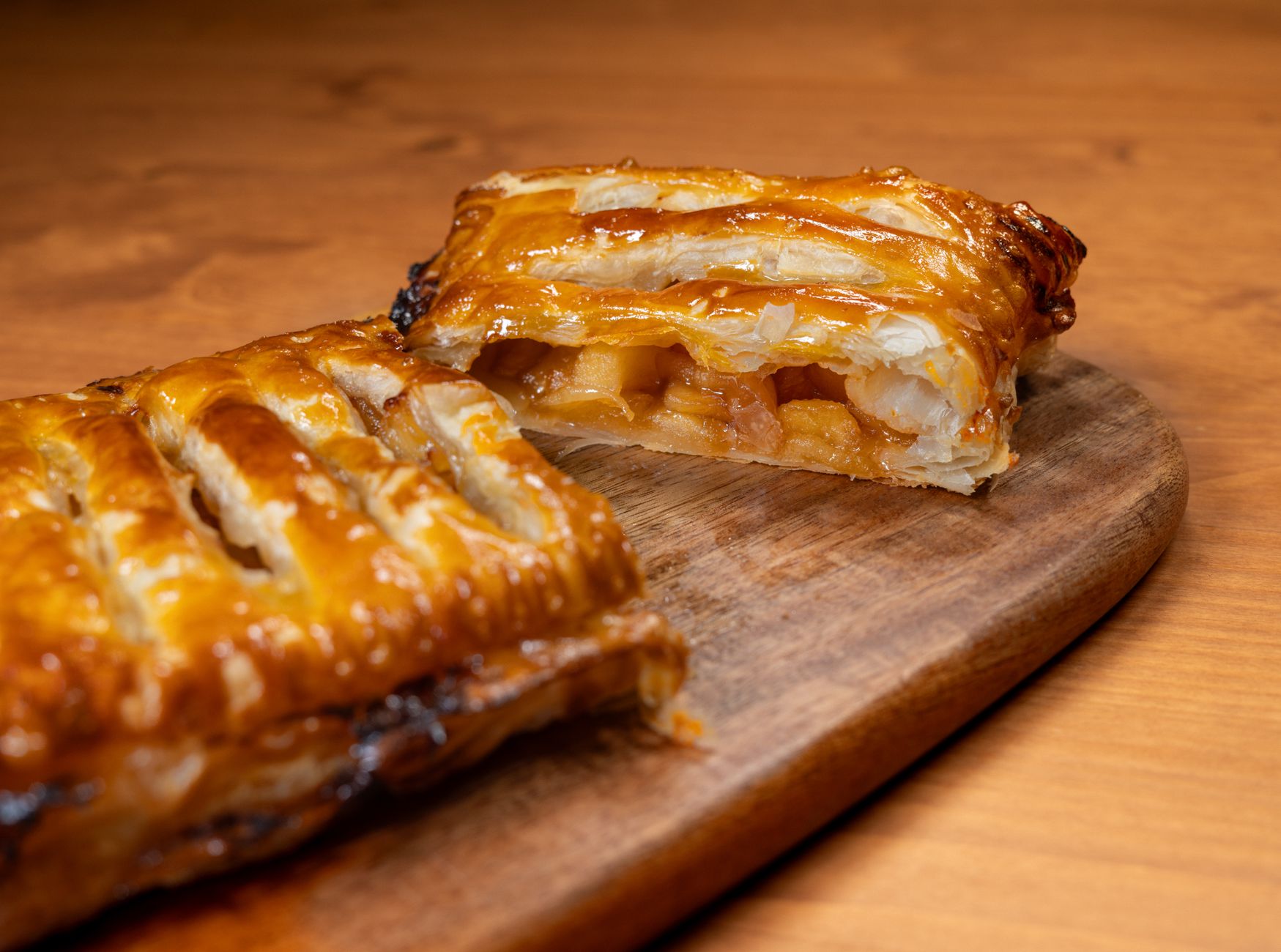
Use this caramel over baked apples, vanilla ice cream, waffles, bread pudding, or a simple pound cake. It is also delicious layered into trifles with whipped cream and toasted nuts.
For another comforting homemade drink, try this Ginger pear tea recipe 1948388. Its warm pear flavor pairs nicely with caramel desserts, especially during cooler months.
You can also make a dessert platter with sliced apples, brownies, shortbread, and a small bowl of warm caramel for dipping. Keep the sauce slightly warm so it stays fluid without becoming hot.

Conclusion
Caramel Sauce Recipe2 gives you a rich, glossy topping with a short ingredient list and dependable stovetop method. The key is watching the sugar closely, adding the cream carefully, and allowing the sauce enough time to cool and thicken. Serve it over ice cream, fruit, pancakes, or cake, and store leftovers in the refrigerator for future desserts. If you make it, leave a rating or comment and share how you served your caramel.
FAQs
When is the best time to use Caramel Sauce Recipe2?
The best time to use Caramel Sauce Recipe2 is after it has cooled slightly and thickened, then spooned over ice cream, apple desserts, cakes, pancakes, or cheesecake. Warm sauce pours easily for a glossy finish, while cooled sauce holds its shape better on plated desserts. It works best as a finishing touch rather than a base.
How should you store leftover caramel sauce?
Store leftover caramel sauce in a sealed heatproof jar in the refrigerator, where it usually keeps for about one week. Let it cool to room temperature before sealing to reduce condensation. Reheat it gently over low heat, adding a teaspoon of cream or water if it has become too stiff.
How do you fix caramel sauce that is too thick?
Caramel sauce that is too thick can be loosened by warming it gently and whisking in heavy cream one tablespoon at a time. Add a small amount of water if you want a thinner pour. Keep in mind that the sauce will continue to thicken as it cools, so judge the texture only after it has rested.
Can you make caramel sauce with a dairy-free cream substitute?
Yes, you can use a dairy-free cream alternative, but expect a thinner and less rich result. Choose a full-fat, unsweetened option with a neutral flavor, and check the label for additives. Results vary by brand, so test a small batch first. People with milk allergies should confirm that the product is safe for them.
Why did my caramel sauce turn bitter?
Caramel turns bitter when the sugar cooks too long and goes past a warm chestnut shade into dark brown. Remove the pan from the heat sooner next time and watch the color closely, since it can change within seconds. Once sugar has burned, the flavor cannot be fully recovered, so it is best to start over.