Why Caper and Tomato Butter Sauce Is a Must-Try
The allure of a well-crafted sauce lies in how it elevates a simple dish to something extraordinary. Caper and tomato butter sauce bursts with a harmonious balance of tangy capers, sweet tomatoes, and silky butter. This French-inspired sauce offers a vibrant twist that‘s perfect for drizzling over seafood, chicken, or vegetables. The creamy texture combined with piquant notes brings warmth and depth to your plate, making every bite a delightful experience. This sauce is more than just a condiment—it’s a flavor enhancer that awakens your palate.
Health Benefits & Nutrition
Caper and tomato butter sauce combines ingredients with surprising health perks:
- Capers: These tiny flower buds are low in calories but rich in antioxidants like quercetin, which may help reduce inflammation (Journal of Agricultural and Food Chemistry, 2016).
- Tomatoes: A natural source of lycopene, they support heart health and may protect against certain cancers when consumed regularly (American Journal of Clinical Nutrition, 2018).
- Butter: Besides providing a creamy texture, butter contains vitamin A and butyrate, a short-chain fatty acid associated with gut health (Nutrients, 2019).
However, since butter is high in saturated fat and cholesterol, moderation is key. Individuals with heart conditions or high cholesterol should be mindful of portion sizes. Also, capers are salted, which can contribute sodium—important for people monitoring their salt intake.
Ingredients & Preparation
Recipe Card
| Prep Time | Total Time | Servings | Calories (per serving) | Diet Tags |
|---|---|---|---|---|
| 10 minutes | 20 minutes | 4 | 420 | Gluten-Free, Low-Carb |
Full Ingredient List
- ¼ cup minced shallots
- 1 cup dry white wine
- Salt, to taste
- Cayenne pepper, to taste
- ¼ cup heavy cream
- 1½ sticks (12 tablespoons) cold unsalted butter, cut into pieces
- ¼ teaspoon hot sauce
- ½ teaspoon Worcestershire sauce
- 2 tablespoons chopped shallots (for finishing)
- ¼ cup capers, drained
- ½ cup small diced fresh tomatoes
Equipment Needed
- Medium saucepan
- Whisk
- Fine-mesh sieve
- Measuring cups and spoons
- Mixing bowl
Tips for Choosing Quality Ingredients
- Shallots: Select firm, dry shallots without soft spots to ensure a delicate, sweet flavor.
- White wine: Use a dry variety like Sauvignon Blanc or Pinot Grigio—avoid cooking wines with added salt.
- Butter: Opt for high-quality unsalted European-style butter for a richer, creamier texture.
- Capers: Choose capers packed in brine rather than salt-packed for milder saltiness; rinse before use.
- Tomatoes: Fresh, ripe tomatoes provide bright color and sweetness—Roma or cherry tomatoes work well.
Step-by-Step Instructions
Step 1: Sauté Shallots and Reduce Wine (8 minutes)
In a medium saucepan over medium heat, combine ¼ cup minced shallots and 1 cup white wine. Add a pinch of salt and cayenne pepper. Bring to a boil, then reduce the heat to medium-low. Let the mixture simmer gently until reduced by half, approximately 8 minutes.
Step 2: Incorporate Cream and Continue Cooking (2 minutes)
Stir in ¼ cup heavy cream, maintaining a gentle simmer for 2 minutes. This step softens the acidity and prepares the base for the butter.
Step 3: Whisk in Butter Off the Heat (5 minutes)
Remove the pan from heat. Gradually whisk in cold butter pieces a few at a time until fully incorporated and the sauce is smooth and glossy—a process taking about 5 minutes. This technique creates a luscious, velvety texture.
Step 4: Season and Strain (5 minutes)
Add ¼ teaspoon hot sauce and ½ teaspoon Worcestershire sauce. Adjust salt and cayenne to taste. Then strain the sauce through a fine-mesh sieve into a clean saucepan to remove shallot solids, ensuring a silky finish.
Step 5: Add Fresh Ingredients and Warm (2 minutes)
Stir in 2 tablespoons chopped shallots, ¼ cup capers, and ½ cup diced tomatoes. Warm gently over low heat for 2 minutes to meld flavors without cooking the fresh additions.

Variations & Substitutions
- White Wine Substitute: Replace with dry vermouth or light chicken broth to omit alcohol; adjust seasoning to taste.
- Capers: Use green olives chopped finely for a milder briny flavor if capers aren’t available.
- Tomatoes: Sun-dried tomatoes packed in oil can add an earthy sweetness and deeper color.
- Dairy-Free Option: Substitute butter and cream with plant-based alternatives like coconut cream and vegan butter, though texture may vary.
- Spice Adjustment: Omit hot sauce and cayenne for a milder sauce or add fresh minced chili for extra heat.
Storage & Shelf Life
Store your caper and tomato butter sauce in an airtight container in the refrigerator. It will keep well for up to 3 days. When reheating, do so gently over low heat to prevent the butter from separating.
If you want to keep it longer, freeze the sauce in small portions using freezer-safe containers or ice cube trays for up to 1 month. Thaw overnight in the fridge before reheating.
Discard the sauce if you see signs of spoilage such as sour smell, discoloration, or mold.
Pro Tips for a Perfect Sauce
- Use cold butter when whisking into the reduced wine and cream. This prevents the sauce from breaking and keeps it smooth.
- Straining the sauce is key for achieving that refined, glossy texture that clings beautifully to your dish.
- Adding fresh capers and tomatoes after straining preserves their vibrant flavor and subtle crunch.
- Keep the sauce warm but avoid boiling after adding the butter to maintain creaminess and flavor balance.
- If you notice the sauce is too thick upon cooling, whisk in a splash of warm stock or water to loosen it.
When is the best time to eat Caper and Tomato Butter Sauce?
Enjoy this sauce fresh and warm, ideally right after preparation. It shines as a finishing touch over pan-seared fish, grilled chicken, or roasted vegetables. Using it soon after making helps preserve the silky texture and the bright flavors of capers and tomatoes.
Can I make caper and tomato butter sauce ahead of time?
Yes, you can prepare the sauce up to two days in advance and store it refrigerated. Reheat gently over low heat, stirring constantly to restore its creamy texture without breaking.
Is this sauce suitable for allergies?
The sauce contains dairy (butter and cream) and sulfites in wine, which might affect those with lactose intolerance or sulfite sensitivity. Capers are less commonly allergenic but always check individual tolerances.
What dishes pair best with this sauce?
This sauce pairs wonderfully with seafood like trout or sole, pan-roasted poultry, and roasted or steamed vegetables. It adds a vibrant, buttery finish that complements mild proteins perfectly.
How can I reduce the sauce‘s calorie content?
Reduce the amount of butter and cream or substitute with lighter options like Greek yogurt or plant-based creams, keeping in mind this affects texture and flavor.
What‘s the difference between caper butter sauce and this caper and tomato butter sauce?
The addition of fresh diced tomatoes introduces a sweet, juicy note and texture to the traditional caper butter sauce, adding complexity and a brighter color.
Can I omit the wine in this recipe?
Yes, replace wine with low-sodium chicken broth or water with a splash of lemon juice to maintain acidity and reduce alcohol content.
Why does my sauce sometimes separate?
Separation usually happens if the butter is added too quickly or the sauce is overheated. Adding cold butter gradually off heat and gentle warming afterward prevents this.
More Recipes You Will Love
If you adore rich, flavorful sauces, you might enjoy trying the Pan roasted ostrich with crispy sweetbreads salsify puree potato puree recipe 2103133. It pairs beautifully with intricate sauces that highlight delicate proteins.
For a delightful appetizer, consider the Camembert with cranberry jam and spiced nuts 13556927, a sumptuous combination where sweet meets savory.
Conclusion
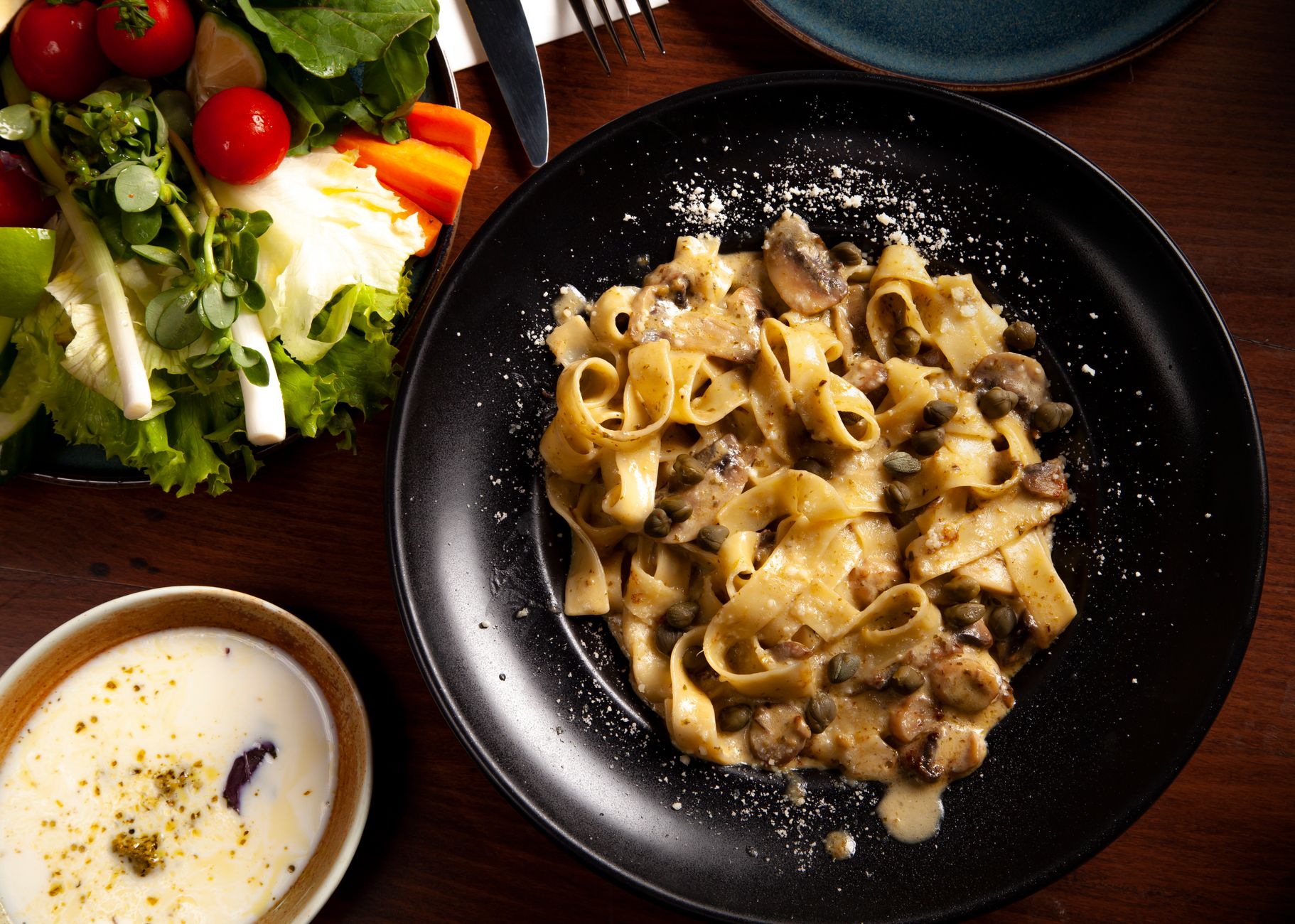
The caper and tomato butter sauce brings together bright, tangy flavors and creamy richness in one irresistible French classic. It’s simple to prepare and adds a sophisticated touch to a wide range of dishes. Give this sauce a try, and don’t hesitate to share how you served it or tweak it to your taste. Your feedback and ratings help make recipes like this one even better for the community!
FAQs
When is the best time to eat Caper And Tomato Butter Sauce?
Caper and tomato butter sauce is best served fresh and warm, ideally just after preparation. It complements seafood, chicken, and vegetables perfectly, making it great for lunch or dinner occasions when you want to elevate your dish.
Can Caper And Tomato Butter Sauce be stored for later use?
Yes, you can store the sauce in an airtight container in the refrigerator for up to 3 days. Reheat gently on low heat while whisking to maintain its creamy texture before serving.
What dishes pair well with Caper And Tomato Butter Sauce?
This sauce pairs exceptionally well with grilled fish, roasted chicken, steamed vegetables, or even pasta. Its balance of tangy capers and sweet tomatoes enhances the flavor of mild proteins and fresh produce.
Is Caper And Tomato Butter Sauce suitable for special diets?
The sauce is gluten-free and can fit into low-carb diets. However, it contains butter, so those watching saturated fat intake should enjoy it in moderation or consider substituting with a butter alternative.
How can I reduce the saltiness in Caper And Tomato Butter Sauce?
To reduce saltiness, rinse the capers well before adding them to the sauce. Also, avoid adding extra salt until the end of cooking so you can adjust seasoning gradually and avoid over-salting.