Why Cajun Cornmeal Crusted Chicken Is Worth Making at Home
The first thing you hear is a light, sandy crackle as the cornmeal coating touches hot oil. That sound tells you dinner is close. Cajun Cornmeal Crusted Chicken is a boneless chicken breast coated in seasoned flour and yellow cornmeal, shallow-fried in a cast iron skillet, then finished in a 350 degree F oven. The chicken gets dipped in buttermilk laced with hot sauce first, which helps the coating stick. The full recipe takes about 40 minutes and serves four.
I have made this dish many times, and it has become one of my reliable weeknight meals. The crust is golden and crunchy, the inside stays juicy, and the spice builds slowly rather than hitting all at once. It also works well for guests because the chicken holds up for a few minutes on the plate. The steps are simple, but a few small details make the difference between a good crust and a great one.
Health Benefits and Nutrition
Chicken breast is a lean source of protein, and protein is an important part of most people‘s daily eating. Each serving of this recipe provides a substantial amount, roughly 49 grams by our estimate. Chicken also naturally contains B vitamins such as niacin and vitamin B6, which help your body use the energy from food.
Buttermilk adds a little protein and calcium to the coating, and it gives the crust its gentle tang. Yellow cornmeal contributes a pleasant earthy corn flavor and a small amount of fiber. Our estimate is about 3 grams of fiber per serving, so this is not a major fiber source, but it adds some texture and body to the meal.
There are trade-offs to keep in mind. Shallow frying adds fat, and our estimate is around 770 calories and 30 grams of fat per serving. The Cajun spice mix and added salt also push sodium up, to roughly 870 milligrams per serving. If you are watching your sodium intake, reduce the added salt and check the sodium on your spice blend. Nutrition figures here are approximate and will vary with your ingredients, portion size, and how much oil the chicken absorbs.
Please cook the chicken until the thickest part reaches 165 degrees F. This is the USDA-recommended safe minimum internal temperature for poultry, and it matters even more for pregnant people, older adults, and anyone with a weakened immune system. This recipe contains wheat, gluten, and dairy. If you have an allergy or intolerance to any of these, or if you manage a medical condition that affects your diet, talk with your doctor or a registered dietitian before making changes.
Ingredients and Preparation
Recipe Card
| Prep time | 15 minutes |
| Cook time | 25 minutes |
| Total time | 40 minutes |
| Servings | 4 |
| Calories (approx.) | About 770 per serving (estimate) |
| Diet tags | High protein, contains wheat, contains dairy, nut-free |
Ingredients
- 1 1/2 cups all-purpose flour, divided
- 1 cup yellow cornmeal
- 2 tablespoons Cajun spice mix
- 1/2 teaspoon kosher salt, plus more to taste
- 1 1/2 cups buttermilk
- 1/2 to 1 teaspoon hot sauce
- 4 boneless skinless chicken breasts, about 6 ounces each
- 1/3 to 1/2 cup neutral oil, such as canola, for shallow frying
- Mustard mayonnaise or sliced tomatoes, to serve
Equipment Needed
- 12-inch cast iron skillet
- Three shallow dishes for the dredging station
- Medium bowl and whisk
- Meat mallet or heavy rolling pin
- Wire rack set over a rimmed baking sheet
- Instant-read thermometer
- Paper towels and a sheet of waxed paper
Tips for Choosing Quality Ingredients
Choose chicken breasts that are similar in size so they cook at the same pace. I buy the uniform pack when I can, because a thick breast next to a thin one means one piece is dry before the other is done. Look for fine, bright yellow cornmeal, not coarse grits. Buttermilk should be fresh and smell clean and mildly sour. For the Cajun spice mix, check the label for salt content, since blends vary a lot and this affects how much kosher salt you should add.
Step-by-Step Instructions
Step 1: Preheat and Set Up Your Stations
Heat the oven to 350 degrees F and set a wire rack over a rimmed baking sheet. Line up three shallow dishes on the counter, one for the flour, one for the buttermilk, and one for the cornmeal coating. Keep a stack of paper towels and a sheet of waxed paper nearby. Working in this order keeps your hands and the chicken moving smoothly.
Step 2: Mix the Coating and Season the Buttermilk
In a medium bowl, whisk 1/2 cup of the flour with the cornmeal, Cajun spice mix, and 1/2 teaspoon kosher salt for about 30 seconds, until no streaks remain. Pour this mixture into its dish. Stir the hot sauce into the buttermilk, starting with 1/2 teaspoon, then taste and add more if you want extra heat.
Step 3: Pound the Chicken to an Even Thickness
Place each breast between two sheets of plastic wrap. Pound with a meat mallet or the flat side of a heavy pan until the breast is about 3/4 inch thick, working from the center outward. Pat the chicken dry with paper towels and season both sides with salt. Even thickness is what keeps the thin edges from burning while the center catches up.
Step 4: Dredge Each Breast Evenly
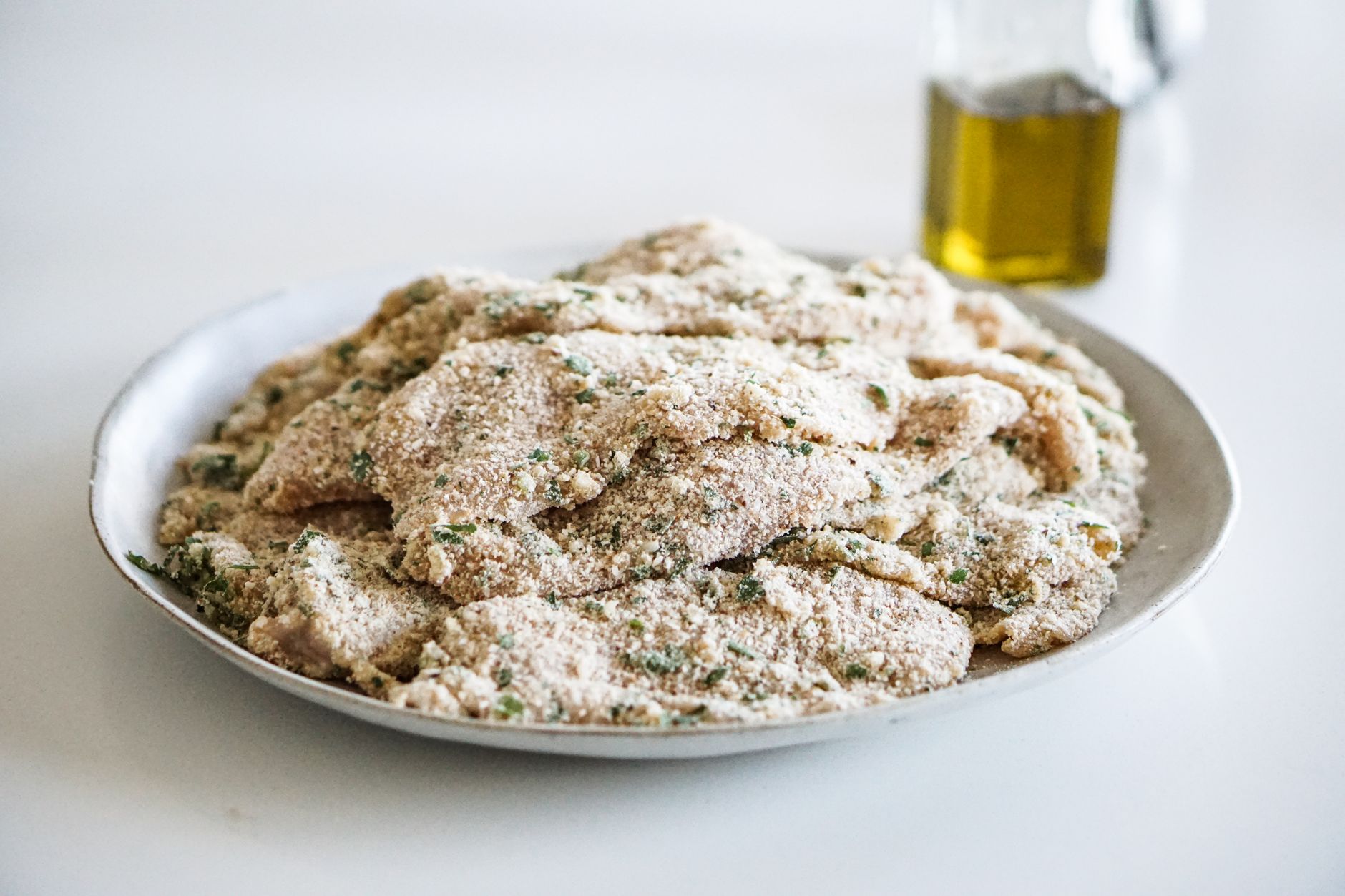
Dust each breast in the remaining 1 cup of flour, then shake off the excess. Dip it into the buttermilk and lift it out, letting the extra liquid drip back into the bowl. Press it firmly into the cornmeal mixture on both sides so the coating is thick and even. Set the breasts on the waxed paper and let them rest for 5 minutes so the coating can set.
I learned to use one hand for the dry dishes and the other for the wet one. When both hands get sticky, the coating clumps and you end up with bare patches. The rest also matters. Chicken that goes straight into the oil often loses its crust.
Step 5: Shallow Fry Until Deep Golden
Pour about 1/2 inch of oil into the 12-inch skillet and set it over medium heat. To test it, drop in a pinch of cornmeal. When it sizzles right away, the oil is ready. Lay 2 breasts smooth-side down and fry 3 to 4 minutes, until the edges are deep golden. Flip and cook 3 to 4 minutes more, then drain on paper towels. Repeat with the remaining breasts, adding oil only if needed.
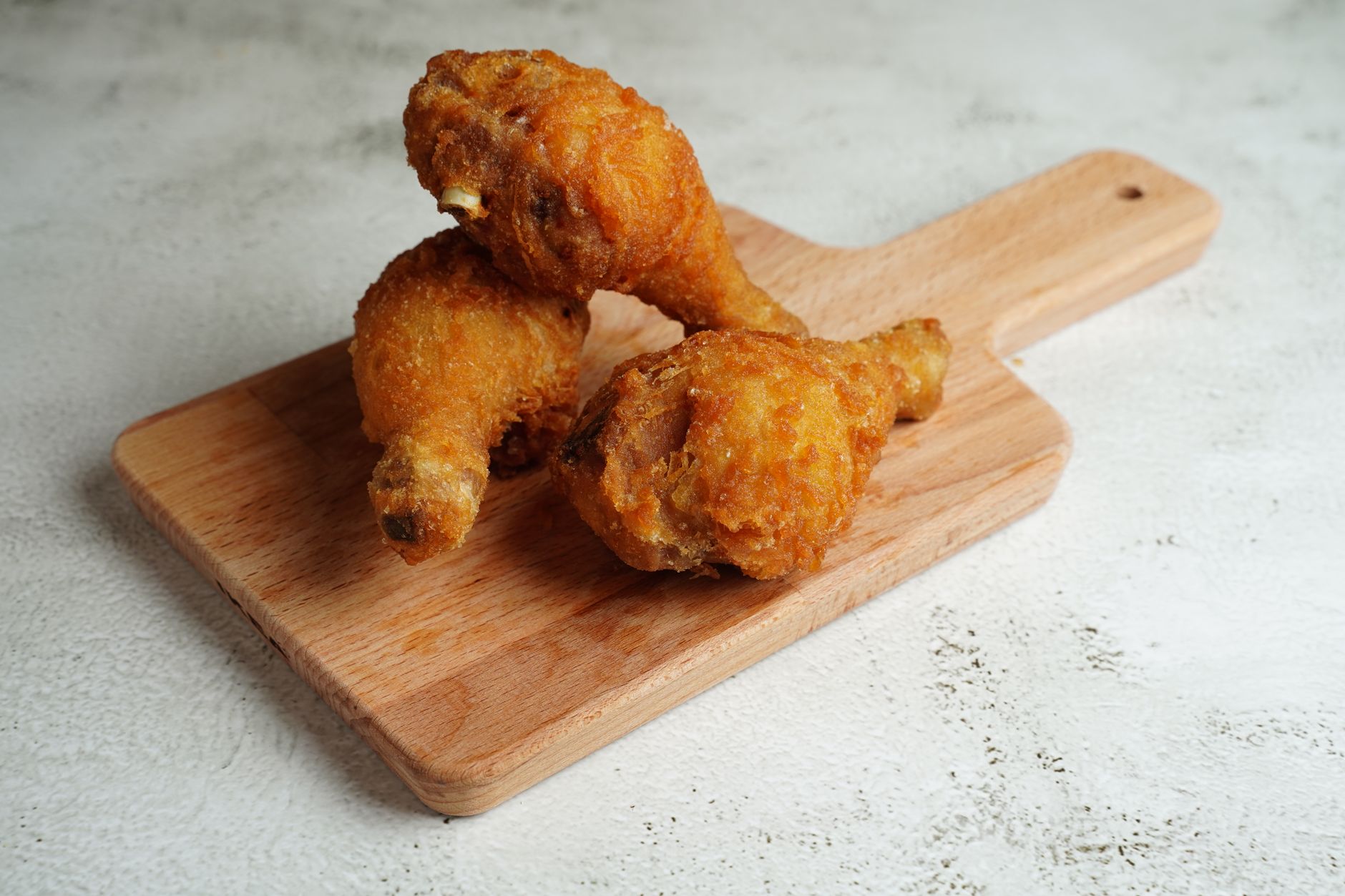
The first time I made this, I let the oil get too hot. The outside browned in under two minutes, but the centre was still cold. Now I keep the heat at medium and wait for the steady sizzle. If the crust darkens faster than you expect, lower the heat a notch rather than pulling the chicken early.
Step 6: Finish in the Oven and Serve
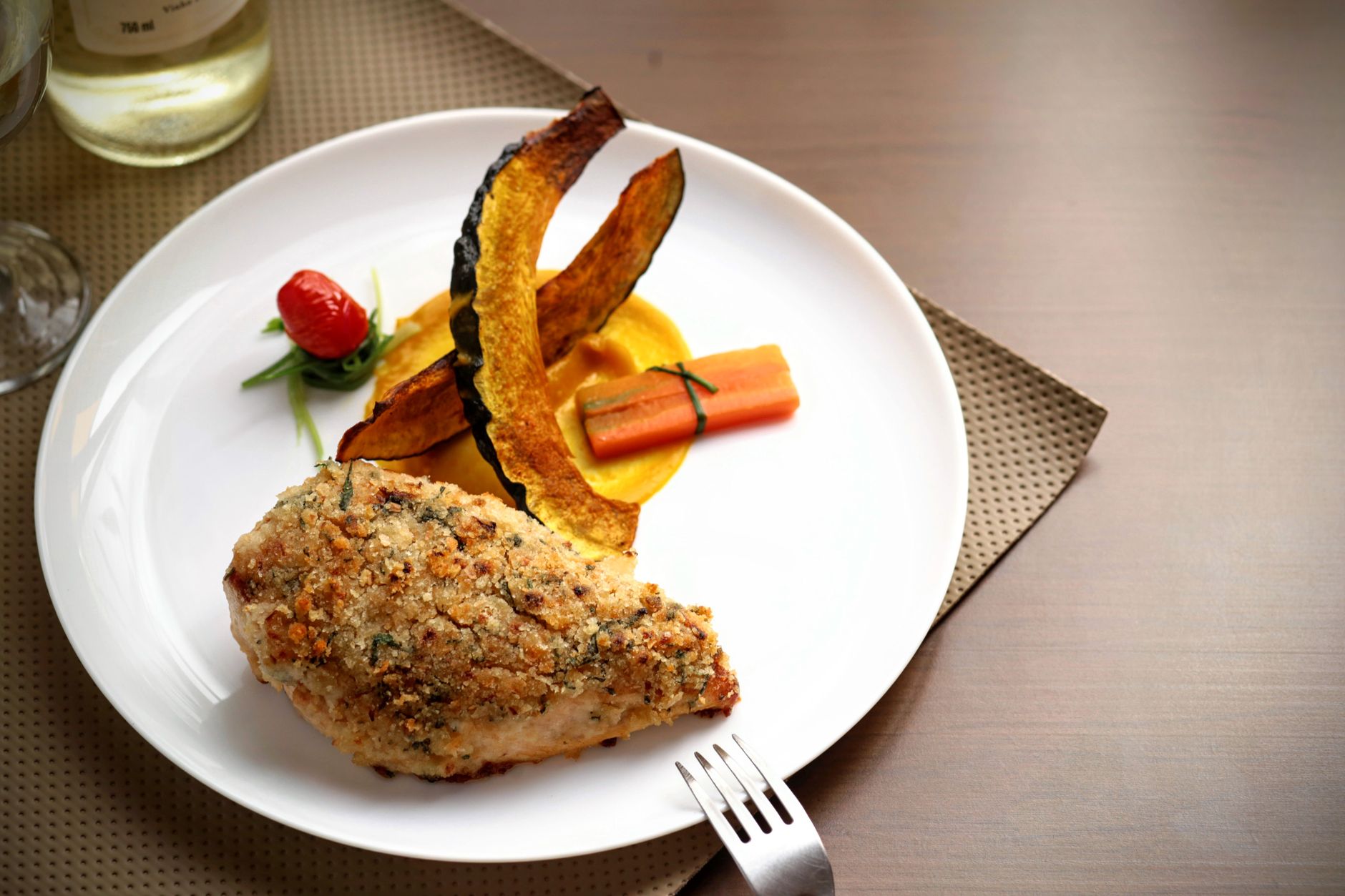
Move the chicken to the wire rack over the baking sheet and bake 6 to 8 minutes, until the thickest part reads 165 degrees F on an instant-read thermometer and the breasts feel firm when pressed. Season with a pinch more salt. Serve right away with mustard mayonnaise or sliced tomatoes, while the crust is still crisp.
Variations and Substitutions
Extra-crunchy version: Replace 1/2 cup of the cornmeal with panko breadcrumbs. The coating browns faster and stays crisp longer, so reduce the oven time to 5 to 7 minutes and check the temperature early. This is my go-to when I am making the chicken for a crowd.
Buttermilk swap: If you do not have buttermilk, measure 1 1/2 cups of milk and stir in 1 1/2 tablespoons of lemon juice or white vinegar. Let it stand for 5 minutes until slightly thickened. Plain yogurt thinned with a splash of milk also works at a 1:1 ratio, though the coating will be a little thicker.
Lighter oven version: Skip the frying and bake the breaded breasts on a rack set over a sheet pan at 425 degrees F for about 18 to 22 minutes, until the chicken reads 165 degrees F. Lightly mist the coating with neutral oil first. The crust will be drier and paler than the fried version, but it still crunches. Check at 15 minutes, since ovens vary.
Serving swap: A bright, garlicky sauce pairs well with the spicy crust. Try this Garlic butter sauce for chicken spooned over the top, or keep it simple with sliced tomatoes and a squeeze of lemon.
What did not work: I once tried a coarse polenta in place of the cornmeal. The crust was gritty and kept falling off in the pan. I also tried a gluten-free flour blend for the dredge, and it never browned properly. Stick with fine yellow cornmeal and regular all-purpose flour for the best results.
Storage and Shelf Life
Let the chicken cool to room temperature for no more than 2 hours, then move it to an airtight container. It keeps in the refrigerator for 3 to 4 days. For best texture, store the chicken separate from any sauce, since moisture softens the crust.
To freeze, cool the chicken completely, wrap each breast tightly in plastic wrap and then foil, and place it in a freezer bag. It keeps well for up to 3 months. Thaw overnight in the refrigerator before reheating.
Reheat leftovers in a 350 degree F oven for 10 to 15 minutes, until the centre reaches 165 degrees F. The microwave will make the crust soft and chewy. Throw away the chicken if it smells sour, has a slimy texture, or looks grey or greenish. If you are unsure, it is better to be safe and discard it.
Pro Tips for Better Results
Dry the chicken well before breading. Surface moisture makes the flour pasty and the coating slide off. A few extra seconds with the paper towels are worth the time.
Shake off the excess flour before dipping. A thin, even layer of flour helps the buttermilk cling, but a thick layer forms clumps that flake when fried.
Do not overcrowd the skillet. Two breasts at a time in a 12-inch pan keeps the oil temperature steady. Crowding drops the heat and produces pale, greasy coating.
Watch for staining and splatter. Cornmeal can brown quickly, so keep a splatter screen handy and wipe the stovetop once the oil cools. Cajun spice can also stain light-colored cutting boards, so rinse them soon after use.
Once the chicken comes out of the oil, move it to the rack instead of leaving it on paper towels. I found that the crust softens when it sits on paper for too long, because the trapped steam cannot escape.

Questions and Answers
When is the best time to eat Cajun Cornmeal Crusted Chicken Recipe?
The best time is right after frying and baking, while the crust is still crisp, usually within 10 minutes of leaving the oven. It suits a weeknight dinner or a casual lunch with a crisp salad. Leftovers are good cold or reheated, but the coating softens, so reheat in the oven to bring back some crunch.
Can I make Cajun Cornmeal Crusted Chicken ahead of time?
Yes, you can bread the chicken up to 2 hours ahead. Keep it covered in the refrigerator on a rack so the bottom does not get soggy. Fry and bake just before serving so the crust stays crisp. Fully cooked chicken keeps for 3 to 4 days in the refrigerator.
Can I bake this recipe instead of frying it?
Yes. Lightly mist the breaded breasts with neutral oil and bake them on a rack at 425 degrees F for about 18 to 22 minutes, until the centre reaches 165 degrees F. Check at 15 minutes. The crust will be drier and paler than the fried version, but it still has a satisfying crunch.
Why is my crust falling off during frying?
The most common cause is skipping the rest after breading. Let the coated breasts sit for 5 minutes so the coating can set. Shake off excess flour before dipping, and avoid moving the chicken while the first side fries. Make sure the oil is hot enough so the crust forms quickly.
Is this recipe spicy?
It has a moderate, warm heat. Most of the kick comes from the Cajun spice mix and the hot sauce. Start with 1/2 teaspoon of hot sauce in the buttermilk if you prefer mild food. Spice blends vary a lot between brands, so taste your mix before adding more.
Can I use chicken thighs instead of breasts?
Yes, boneless thighs work well and stay juicier. Pound them to an even thickness first, then fry as directed. They may need a minute or two more in the oven. Cook until the thickest part reaches 165 degrees F, and use a thermometer rather than relying on color alone.
Is this recipe gluten-free or dairy-free?
No. The flour contains wheat gluten, and buttermilk is a dairy product. Gluten-free flour and a dairy-free milk with lemon juice can be used, but the texture and browning will change. If you have a wheat, gluten, or dairy allergy, check every ingredient label and speak with a doctor or dietitian.
More Recipes You Will Love
If you enjoyed the crunch of this dish, you may like other pan-fried chicken recipes. The same dredging method works well for smaller cutlets and quick weeknight dinners. Keep your dredging station organized, and the process becomes second nature after a few tries.
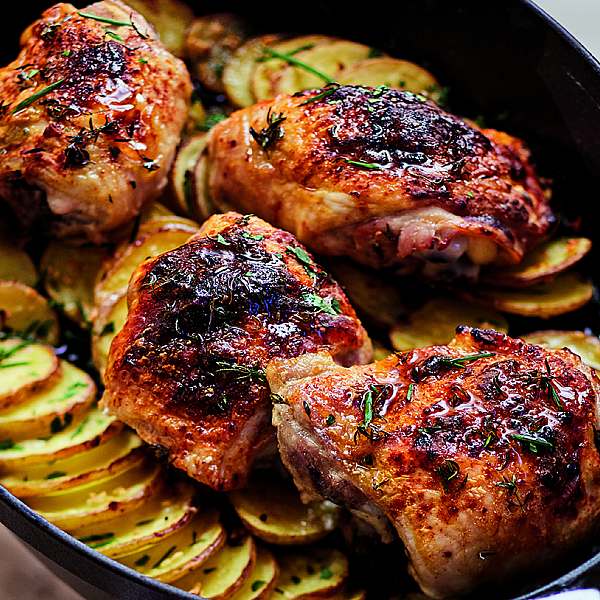
For a cozy, one-pan meal, try this Le creuset chicken breast recipe. It is a good choice when you want a slower, more hands-off approach to cooking chicken breasts, and it pairs well with the same sides you would serve with a crispy cornmeal crust.
When you want something lighter, serve your crispy chicken alongside a simple green salad with a sharp vinaigrette. The acid cuts through the richness of the fried coating. Fresh vegetables, such as roasted green beans or sliced cucumbers, also balance the spice.
Conclusion
Cajun Cornmeal Crusted Chicken rewards a little patience. Pound the breasts evenly, let the coating set, and listen for that steady sizzle in the skillet. You will end up with a golden, crunchy crust and juicy meat inside. I hope this version helps you get it right on the first try. If you make it, leave a comment, rate the recipe, or share a photo of your plate. I always enjoy hearing how your crust turned out.
FAQs
When is the best time to eat Cajun Cornmeal Crusted Chicken Recipe?
The best time to eat Cajun Cornmeal Crusted Chicken Recipe is right after cooking, while the crust is still crisp. It works well for weeknight dinners and for guests, since the chicken holds up for a few minutes on the plate. Serve it with mustard mayonnaise or sliced tomatoes for a balanced meal.
Can I bake Cajun Cornmeal Crusted Chicken Recipe instead of frying it?
Yes, you can bake the chicken for a lighter version, but the crust will be less crisp than with shallow frying. Coat the chicken as directed, brush it lightly with oil, and bake in a hot oven until the thickest part reaches 165 degrees F. Check the internal temperature with an instant-read thermometer.
How do I store and reheat leftover Cajun Cornmeal Crusted Chicken Recipe?
Refrigerate leftover chicken in an airtight container within two hours of cooking, and eat it within three to four days. To reheat, use an oven or a skillet so the coating crisps again. A microwave heats the chicken quickly but leaves the crust soft.
Why does the cornmeal coating fall off the chicken?
The coating usually falls off when the chicken surface is wet or the coating has not set. Pat the chicken dry before dipping it in buttermilk, press the cornmeal mixture firmly onto each piece, and let the coated chicken rest briefly before it goes into the hot oil. Avoid turning it too early.
Is Cajun Cornmeal Crusted Chicken Recipe gluten-free?
No, the recipe as written is not gluten-free because it uses all-purpose wheat flour. You can try a gluten-free flour blend in place of the wheat flour, but check the cornmeal and Cajun spice mix labels for gluten. If you have celiac disease or a gluten sensitivity, talk with your doctor before eating it.